Listen to this article
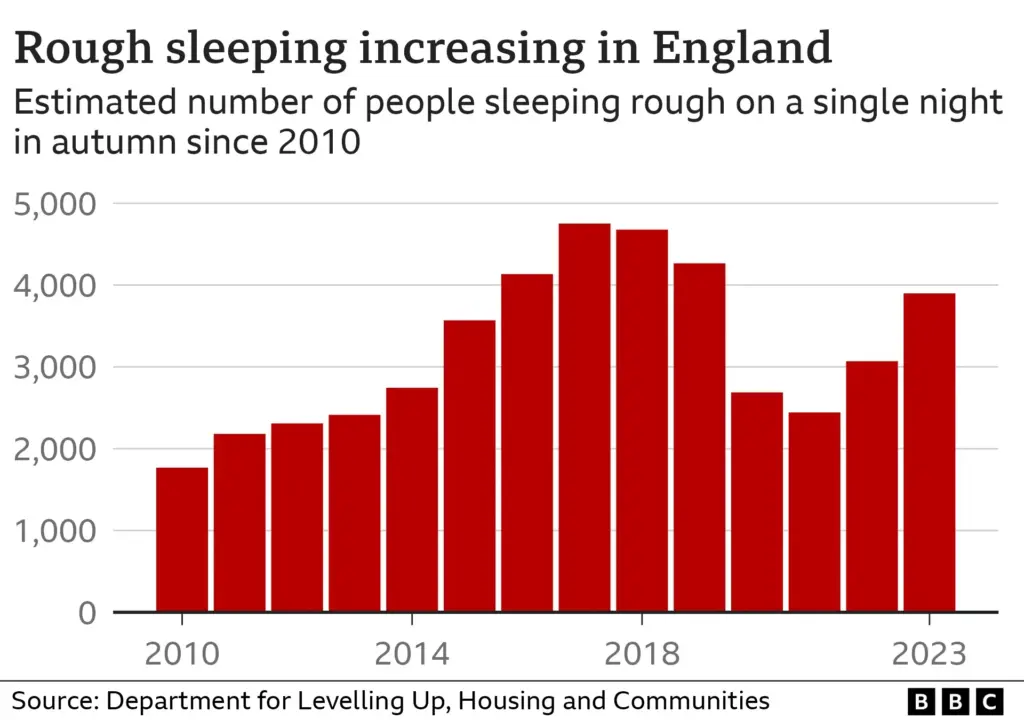
Rough sleeping in England has reached alarming levels, with recent statistics revealing a staggering increase in the number of individuals living on the streets. Official reports indicate that an estimated 4,793 people were observed sleeping rough in a single night last autumn, marking a 3% rise compared to the previous year, as outlined in the latest homelessness statistics for England. This troubling trend is further emphasized by the government’s commitment to distributing £50 million in funding to combat homelessness, though many believe this is just a start. Charities for rough sleepers, such as Homeless Street Angels, are witnessing an overwhelming demand for help as they provide essential services and supplies to those in need. The escalating plight of rough sleepers raises significant concerns about the current state of support and resources available for homeless individuals across the nation.
The issue of individuals sleeping outdoors in the UK has become a significant crisis, with many grappling with the loss of stable housing and a safe place to stay. Known colloquially as homelessness, this phenomenon encompasses not only those residing on the streets but also individuals experiencing temporary living arrangements and homelessness in various forms. The statistics presented by the government reflect a grim reality as initiatives to address an increase in rough sleeping gain urgency among local councils and charities alike. As public awareness of the escalating difficulties faced by these vulnerable populations grows, the need for adequate assistance and systematic prevention strategies becomes more critical than ever. Addressing this complex problem requires collaborative efforts from both governmental bodies and non-profit organizations dedicated to providing help for homeless individuals.
The Alarming Rise of Rough Sleeping in England
Rough sleeping in England has reached unprecedented levels, with recent statistics showing an alarming increase. The 2025 report indicates that 4,793 individuals were recorded sleeping rough in just one night, signifying a 3% rise from the year prior. This consistent upward trend emphasizes the urgent need to address the issue of homelessness and its underlying causes, including mental health crises and economic struggles. Cities like London have been particularly affected, with 1,277 people reported sleeping rough, highlighting a significant concentration of this social challenge in urban areas.
The rise in rough sleeping is not just a statistic; it represents human lives affected by homelessness. The increase in the number of female rough sleepers by 8% to 733 reflects a demographic shift that demands attention. Local charities and organizations, such as Homeless Street Angels, are doing incredible work, but they are overwhelmed by the growing number of people in need. With continuous government funding and support, there is hope, but immediate action is critical to curb this trend.
Government Funding and Its Impact on Homelessness
In response to the exponential rise in rough sleeping, the UK government has committed £50 million in funding to be allocated over three years to local councils and frontline homelessness services. This funding is essential to not only support immediate needs but also to create sustainable solutions for those experiencing homelessness. Charities play a pivotal role in utilizing these resources effectively, but the challenge remains vast. The question is whether this funding will adequately address the root issues leading to increased homelessness statistics in England.
While financial support from the government is critical, it is equally important to ensure that these funds are deployed effectively to construct long-term solutions. Many charities argue that housing is not the sole answer; preventive measures must include mental health support and job training programs. Additionally, with rising costs of living and economic instability, without comprehensive strategies and community involvement, these funding efforts may only provide temporary relief.
Challenges Faced by Charities for Rough Sleepers
Charities striving to assist rough sleepers face numerous challenges exacerbated by rising demand. Homeless Street Angels, for instance, has reported a doubling of food boxes they prepare each week, from 120 to 240. As they distribute aid, they often run out of supplies before completing their routes, demonstrating the desperate need for resources as they confront a continuous influx of individuals needing assistance. This situation is compounded by issues such as increasing prices for food and supplies, complicating the mission of these crucial organizations.
Additionally, many charities are frequently contacted by various services, including probation authorities, highlighting a systemic gap in support for individuals reintegrating into society post-incarceration. The struggle to provide assistance extends beyond feeding the homeless; it encompasses a need for social services, stable housing, and community integration efforts. As the number of rough sleepers grows, so does the necessity for an increased and diversified network of support to help individuals transition out of homelessness.
The Human Stories Behind Rough Sleeping
Behind the statistics of rising rough sleeping in England lies the human experience of individuals like Josh and Gareth, who have faced tremendous hardships. Josh, for example, has been homeless for over a year, struggling not only with physical basic needs but also with emotional challenges as he tries to navigate the system for housing. His story of walking long hours just to secure food highlights the daily struggles faced by many homeless individuals. His determination to change his situation showcases the resilience people can have, despite their circumstances.
Gareth’s journey, from sleeping on the streets to now having stable accommodation, illustrates the potential for recovery and change. His narrative sheds light on the importance of support systems and community resources that play a crucial role in transforming lives. However, transitioning out of homelessness is not simply about obtaining shelter; it involves ongoing psychological support and community reintegration to prevent individuals from falling back into the cycle of homelessness.
The Need for Comprehensive Solutions to Homelessness
As rough sleeping in England continues to rise, the need for holistic solutions becomes increasingly critical. Charities emphasize that finding accommodation is only half the battle; the focus must shift towards ensuring individuals do not return to the streets. Prevention strategies are crucial, as witnessed by the apt recognition of the government’s aim to halve long-term rough sleeping by 2030. Such commitments not only require financial backing but also integrated support systems involving healthcare, affordable housing, and social services.
Moreover, addressing homelessness statistics in England necessitates collaboration between government, charities, and the community. Public awareness campaigns are equally important, as they foster empathy and understanding among citizens. Engaging communities to support homeless individuals, whether through volunteering or donations, can create a more robust safety net to prevent people from ever hitting the streets. Ultimately, a comprehensive approach that prioritizes individual dignity and stability is vital for a lasting solution.
Understanding the Demographics of Rough Sleepers
The demographic breakdown of rough sleepers reveals critical insights into the composition of the homeless population in England. The latest figures show that while the majority are men, the notable increase in female rough sleepers has raised alarms among social services and charities. Understanding the factors contributing to homelessness among different demographics is essential for tailoring effective interventions. For instance, female rough sleepers often face unique challenges, such as increased vulnerability to abuse and the need for dedicated support services.
Furthermore, data indicates that a significant number of rough sleepers are not just individuals sleeping on the streets, but also families living in temporary accommodations. The rise in households residing in hotels and B&Bs speaks to a broader housing crisis that contributes to both rough sleeping and precarious living conditions. Addressing these diverse demographics and their specific needs is paramount in formulating effective policies and programs that ensure all individuals have access to safe and stable housing.
The Role of Local Communities in Supporting Homeless Individuals
Local communities play a vital role in tackling the growing problem of rough sleeping in England. Community-based initiatives often form the backbone of support for individuals experiencing homelessness. Charities like Homeless Street Angels provide immediate aid but rely heavily on community support, including donations and volunteers. Individuals can make a significant impact by engaging with local charities or initiating community-led programs aimed at providing food, shelter, and emotional support to those in need.
Moreover, fostering a sense of belonging and community engagement is essential for empowering homeless individuals. Initiatives that encourage local residents to interact with and support those experiencing homelessness can help destigmatize the issue, making it easier for individuals to reach out for help. Effective community involvement can bridge the gap between the suffering and the solutions, creating a network of support that uplifts individuals and prevents them from returning to the streets.
Future Prospects for Ending Homelessness in England
With the alarming increase in rough sleeping highlighted in recent years, there is a pressing need to reconsider and reinforce strategies aimed at tackling homelessness in England. Future prospects hinge on the government’s commitment to end long-term homelessness by 2030, alongside the commitment of charities and communities to facilitate successful reintegration. Innovative approaches combining technology with traditional support systems could enhance how services reach vulnerable populations, including coordinated databases to track services offered to rough sleepers.
Additionally, the collaboration between various stakeholders, including local councils, charities, and healthcare providers, will be vital in creating a unified front against homelessness. Ensuring that adequate funding translates into effective programs will ultimately shape the outlook for preventing rough sleeping and easing the cycle of homelessness. As we look to the future, sustaining community engagement and emphasizing diverse support networks will be crucial in turning the tide against the rising tide of homelessness in England.
Frequently Asked Questions
What are the current homelessness statistics in England related to rough sleeping?
As of the latest government report, the number of people sleeping rough in England has reached an estimated 4,793 individuals in a single night, marking a 3% increase from 2024. This figure reflects the highest level since records began in 2010.
Which charities are available to help rough sleepers in England?
Several charities, including Homeless Street Angels, provide vital support to rough sleepers in England. They offer essentials like food, sleeping bags, and blankets. Organizations like these play a crucial role in assisting individuals facing homelessness.
How is government funding allocated to tackle rough sleeping in England?
The UK government has announced a total of £50 million in funding, allocated over three years, aimed at supporting councils and frontline homelessness services to combat rough sleeping and provide necessary resources for individuals in need.
What factors are contributing to the increase in rough sleeping in England?
The increase in rough sleeping in England can be attributed to several factors, including rising housing costs, economic challenges, and a lack of affordable housing. Recent statistics indicate a significant rise, particularly in certain regions, highlighting the urgent need for effective solutions.
What help is available for homeless individuals in England seeking shelter?
For homeless individuals in England, assistance is available through various channels, including charities and government services. Organizations like Homeless Street Angels provide food and essentials, while local councils offer shelter and accommodation options for those in need.
How can I support rough sleepers in England?
You can support rough sleepers in England by donating to local charities, volunteering your time, or advocating for policies that address homelessness. Charities often need supplies like food and clothing, and community involvement is crucial in addressing the increasing rough sleeping crisis.
What does the rise in rough sleeping mean for the future of homelessness in England?
The rise in rough sleeping signals a growing crisis in homelessness in England, necessitating urgent action from both the government and charities. The government’s goal of halving long-term rough sleeping by 2030 reflects a commitment to addressing this pressing issue and preventing further homelessness.
What can be done to prevent homelessness in England?
Preventing homelessness in England requires a combined approach, including increasing affordable housing, providing mental health support, and ensuring access to employment opportunities. Initiatives aimed at preventing families from becoming homeless are essential to tackle the root causes of rough sleeping.
What impact is rough sleeping having on communities in England?
Rough sleeping has a significant impact on communities in England, straining local resources and services. It affects public health, safety, and the sense of community well-being, making it essential for communities to address the underlying issues contributing to homelessness.
What support does the government provide for families experiencing temporary accommodation in England?
The government provides support for families in temporary accommodation through various housing programs and funding initiatives. Recent data shows a high number of households, including children, in temporary housing, which underscores the need for effective support and long-term housing solutions.
| Key Point | Details |
|---|---|
| Current Rough Sleeping Numbers | 4,793 people reported sleeping rough in a single night in autumn 2025, highest since 2010. |
| Increase in Numbers | 3% increase from 2024, with a significant rise of 31% in the northeast. |
| Gender Breakdown | 733 women, 3,938 men, and 122 unspecified. |
| Government Response | £50 million over three years for councils and homelessness services. |
| Impact of Charities | In Leeds, Homeless Street Angels provides support, doubling food box distribution to 240 per week. |
| Challenges Faced by Individuals | Many experience difficulty accessing services due to lack of communication tools and support. |
| Long-term Solutions Needed | Finding accommodation is just the beginning; preventing returns to homelessness is crucial. |
| Statistics on Temporary Accommodation | 134,760 households in temporary lodging as of July-September 2025, 85,730 with children. |
| Government Goals | Commitment to halve long-term rough sleeping by 2030. |
Summary
Rough sleeping in England has reached alarming levels, with the number of individuals sleeping on the streets now at its peak since monitoring began in 2010. The recent statistics reveal an increase in the homeless population, exacerbated by economic challenges and systemic issues affecting support services. Both government efforts and charitable initiatives are in place, but as highlighted by local charities like Homeless Street Angels, the demand for assistance continues to rise. Long-term solutions are essential to ensure that individuals not only find shelter but also receive the necessary support to prevent them from returning to the streets.