
Listen to this article
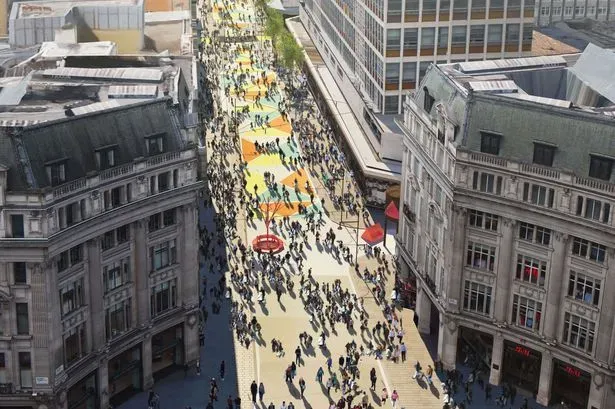
The recent decision to pedestrianize Oxford Street marks a significant milestone in urban planning, reflecting Mayor Sadiq Khan’s ambitious vision for a “world-leading urban space”. As part of these transformative plans, the removal of traffic—including buses, taxis, and bikes—aims to enhance the experience on one of London’s most famous shopping streets. This initiative follows positive public consultation results, demonstrating strong community support for creating a safer, more inviting environment for shoppers and tourists alike. The changes, which involve extensive traffic rerouting by Transport for London (TfL), will reshape the urban landscape by prioritizing pedestrians over vehicles. With construction set to commence soon, residents and visitors can look forward to enjoying a greener, more vibrant Oxford Street by the project’s completion in late 2027.
The push to open Oxford Street to foot traffic encapsulates a broader trend of pedestrian-friendly urban spaces gaining traction across major cities. Often referred to as urban space transformation, this initiative aims to reclaim streets for pedestrians, enhancing public areas and promoting leisure activities. As London seeks to redefine its shopping districts, the focus on pedestrianization is seen as a vital step toward revitalizing the urban experience. Community feedback has played a pivotal role in shaping these plans, highlighting the importance of public engagement in city planning. Moreover, with new traffic policies being implemented by TfL, the aim is to streamline transport options while ensuring accessibility for all.
The Vision for Oxford Street Pedestrianization
Mayor Sadiq Khan has made it clear that his vision for Oxford Street includes transforming it into a premier urban space, ideal for both shopping and leisure activities. The aim is to create a vibrant atmosphere that not only enhances pedestrian experiences but also bolsters the economic vitality of local businesses. By removing traffic congestion and prioritizing foot traffic, Khan believes that Oxford Street can regain its status as a global shopping destination. This ambitious plan is backed by the results of extensive public consultations, which revealed a strong preference among Londoners for pedestrian-friendly initiatives.
The Mayor’s plan for urban space transformation is set against a broader backdrop of shifts in consumer behavior and urban living, where convenience and safety are prioritized. With the inclusion of outdoor events and leisure spaces, the project aims to attract both locals and tourists alike, rejuvenating the iconic street. As the project progresses towards full pedestrianization, stakeholders are hopeful it will address long-standing issues with accessibility and enhance the overall environment on Oxford Street.
Public Consultation Results and Community Engagement
The recent public consultations regarding the pedestrianization of Oxford Street indicated overwhelming support for the initiative. In the initial consultation, over 6,600 responses were collected, illustrating a clear desire among Londoners for a more pedestrian-friendly environment. The second round of consultations further engaged nearly 2,700 residents, providing invaluable insights into the preferences and concerns of the community. This level of community engagement signifies a major shift in how city developments are approached, placing emphasis on resident input in urban planning decisions.
As the results highlight, the residents of London are keen on redefining their urban space to enhance accessibility while promoting economic activities. The consultation responses not only reinforced the need for pedestrian access but also raised awareness about rerouting existing traffic patterns to accommodate new layouts. This feedback will be vital for Transport for London (TfL) and City Hall as they strategize the implementation of the intended changes.
Impact on London Shopping Streets and Retailers
The ongoing transformation of Oxford Street is expected to have significant implications for London shopping streets as a whole. Major retailers, including iconic department stores like Selfridges and John Lewis, have publicly endorsed pedestrianization, anticipating that this move will rejuvenate the shopping experience and restore a sense of community engagement. Retailers are hopeful that reduced traffic and increased footfall will translate into better sales and customer experiences, while also helping to counteract negative perceptions of the street that have built up over the years.
However, there is a mix of sentiment regarding these changes. While many retailers foresee the benefits of a pedestrian-friendly Oxford Street, local taxi drivers have voiced concerns about potential delays caused by rerouting traffic and restricting access. This highlights the need for ongoing dialogue and collaboration between transport authorities and local businesses to ensure that the benefits of pedestrianization do not come at the cost of accessibility for all.
Traffic Changes and TfL’s Role
Transport for London (TfL) plays a pivotal role in the upcoming changes to Oxford Street’s traffic landscape. As the agency prepares to implement road modifications surrounding the area, it is focused on maintaining efficient transportation options while embracing the vision of a pedestrianized shopping hub. With the announcement that buses will be rerouted to alternative streets, including Wigmore Street, TfL is committed to ensuring that essential travel needs are met, even as it advances the ambitious pedestrianization project.
Moreover, the agency recognizes the importance of accessibility for all users, including individuals with reduced mobility. TfL’s plans aim to create a more inclusive environment, with proposed improvements to transportation routes that support better movement for those using wheelchairs and strollers. This combination of traffic management and urban design is essential for the success of the pedestrianization efforts and reflects TfL’s commitment to a holistic approach to city planning.
Addressing Concerns of Accessibility and Mobility
As Oxford Street moves towards full pedestrianization, one of the primary concerns that has emerged centers around accessibility for individuals with mobility challenges. The proposals put forth by the Mayor and TfL aim to alleviate these concerns by ensuring that the redesigned street environment is navigable for everyone, including those in wheelchairs and using strollers. Enhanced accessibility features, such as widened pathways and dedicated crossing points, will be crucial in fostering an inclusive shopping experience that caters to all Londoners.
In addressing these accessibility issues, the consultation feedback has been invaluable, presenting various perspectives on how to create a better urban space. The commitment to implementation will involve not only traffic changes but also infrastructure improvements designed to support seamless mobility. This holistic focus on user accessibility alongside the pedestrianization of Oxford Street signifies a modern approach to urban space development, ensuring that transformation benefits the entire community.
Economic Revitalization Through Urban Space Transformation
The pedestrianization of Oxford Street represents a strategic opportunity for economic revitalization in central London. By transforming urban spaces into pedestrian-friendly environments, the initiative is poised to attract increased foot traffic, benefiting local businesses, cafes, and retailers. This shift aligns with the broader trend of prioritizing sustainable and vibrant community spaces, which are crucial for driving economic recovery in the wake of recent challenges faced by the retail sector.
Moreover, a successful urban space transformation could lead to a broader reimagining of London’s shopping streets, encouraging similar initiatives in other areas of the city. The potential economic benefits, along with the enhanced aesthetic appeal of a pedestrianized Oxford Street, could have lasting positive effects on tourism and local commerce. As Mayor Khan pushes forward with his plans, the hope is that invigorated shopping streets will not only sustain but also cultivate a diverse array of businesses that reflect the dynamic character of London.
Future Prospects for Oxford Street and Surrounding Areas
Looking ahead, the future of Oxford Street and its surrounding areas appears promising as pedestrianization plans unfold. With the anticipated completion date in late 2027, stakeholders have the opportunity to engage in ongoing discussions about the direction of not just Oxford Street, but the broader urban landscape of London. Regular assessments during the construction phase will be crucial to address urban dynamics and ensure that the project evolves to meet the needs of the community effectively.
The transformative efforts extended to Oxford Street could set a precedent for other major shopping streets across the city, paving the way for similar initiatives that prioritize pedestrian safety and urban vitality. As developments progress, it will be vital to monitor the impact on surrounding neighborhoods and traffic flows to optimize the overall effectiveness of this ambitious project. By doing so, London can establish itself as a leader in creating inclusive and thriving urban spaces.
Challenges of Implementing Full Pedestrianization
Despite the hopeful outlook on pedestrianizing Oxford Street, challenges remain in realizing full pedestrianization. One of the primary obstacles has historically been the negotiation process between various governing bodies, such as City Hall and Westminster Council. The need to reconcile differing priorities and logistical concerns poses a hurdle that requires both collaboration and compromise among stakeholders.
Additionally, the balance between allowing limited access for essential vehicles while ensuring a predominantly pedestrian space presents logistical challenges. These concerns are further complicated by the strong sentiments expressed by local taxi drivers and their associations, who worry about the implications for transport efficiency within the congested heart of London. Addressing these concerns while forging ahead with the goal of full pedestrianization will demand innovative solutions and ongoing discourse among all involved parties.
Innovative Solutions for London’s Urban Mobility
As urban space transformation continues to be a focal point for Mayor Sadiq Khan’s administration, innovative solutions for urban mobility are essential in shaping the city’s future. With the planned pedestrianization of Oxford Street, there is an opportunity to implement cutting-edge technologies and concepts that encourage sustainable transport and enhance the urban experience. Ideas such as smart traffic management systems, improved cycling infrastructure, and enhanced public transit options can foster a more integrated approach to urban mobility.
Utilizing advancements in technology within the transport sector has the potential to significantly alleviate congestion, making travel in and around Oxford Street more efficient. By prioritizing these innovations, London can serve as a model for other cities grappling with similar urban challenges, showcasing how prioritized pedestrian-friendly policies can coincide with modern transport needs.
Frequently Asked Questions
What are the key benefits of the Oxford Street pedestrianization plans by Sadiq Khan?
Mayor Sadiq Khan’s Oxford Street pedestrianization initiative aims to transform the area into a world-leading urban space focused on shopping, leisure, and outdoor events. This urban space transformation is expected to enhance the shopping experience, boost local businesses, and revitalize London’s hospitality and nightlife sectors.
How will traffic be managed during the Oxford Street pedestrianization process?
The Oxford Street pedestrianization plans include the removal of most traffic, including buses, taxis, and private vehicles, to create a safer environment for pedestrians. The remaining traffic will be rerouted to surrounding roads, such as Wigmore Street, ensuring adequate access while minimizing congestion and enhancing public safety.
What were the results of the public consultations regarding the Oxford Street pedestrianization?
The public consultation results indicated strong support for the Oxford Street pedestrianization plans, with over 6,600 responses gathered during the initial phase and 2,700 participants in the second consultation. The feedback has been pivotal in shaping the proposed changes, confirming public demand for a more pedestrian-friendly shopping experience.
When will the Oxford Street pedestrianization construction begin and what is the timeline for completion?
Construction for the Oxford Street pedestrianization is set to commence this summer and is expected to continue until late 2027. This timeline reflects the extensive planning required for this significant urban space transformation in one of London’s iconic shopping streets.
What challenges are associated with the Oxford Street pedestrianization plans?
While the Oxford Street pedestrianization initiative aims to improve urban space, it faces challenges, including opposition from taxi drivers concerned about traffic delays and the potential impact on accessibility for individuals with reduced mobility. Transport for London (TfL) has indicated that measures will be in place to enhance accessibility on the pedestrianized street.
How will the Oxford Street pedestrianization affect local retailers?
Many major retailers on Oxford Street, such as Selfridges and John Lewis, support the pedestrianization plans, believing it will rejuvenate the shopping area’s image and appeal. The transformation is intended to draw more foot traffic, aiding in the recovery of local businesses that have struggled in recent years.
What are TfL’s roles in the Oxford Street pedestrianization project?
Transport for London (TfL) is responsible for managing traffic changes and conducting public consultations regarding the Oxford Street pedestrianization plans. Alex Williams, TfL’s Chief Customer and Strategy Officer, stated that they will collaborate closely with Westminster Council to implement the proposed traffic rerouting and ensure a seamless transition to the pedestrianized environment.
| Key Point | Details |
|---|---|
| Official Approval | Plans for Oxford Street pedestrianization received the green light from Mayor Sadiq Khan. |
| Traffic Removal | Buses, taxis, bikes, e-scooters, and pedicabs will be removed this summer. |
| Construction Timeline | Construction will start soon and continue until late 2027. |
| Public Support | The initial consultation last year revealed strong public support with 6,600 responses. |
| Business Benefits | Aimed at enhancing businesses and revitalizing London’s hospitality and nightlife. |
| Retailer Support | Major retailers like Selfridges and John Lewis support pedestrianization. |
| Traffic Concerns | Taxi drivers have criticized the closure, foreseeing delays. |
| Accessibility Focus | Improvements for wheelchairs and strollers are planned. |
Summary
Oxford Street pedestrianization is a transformative project set to redefine one of London’s most iconic shopping destinations. With Mayor Sadiq Khan championing this initiative, the plan aims to create a vibrant urban space that enhances economic prospects and caters to the needs of pedestrians. Following extensive public consultation and support from major retailers, the project is poised to significantly reshape the area, despite concerns over traffic delays. As the construction gears up, the vision for a world-leading shopping, leisure, and event space on Oxford Street comes closer to reality, ensuring a revitalized experience for both locals and visitors.