
Listen to this article
In the dynamic world of entrepreneurship, **business branding** stands as a cornerstone for any successful venture. It’s not merely about having a catchy logo or a clever tagline; it’s about crafting a unique identity that resonates with your target audience. By implementing effective business branding strategies, you position yourself to capture attention and foster loyalty among customers. The importance of branding cannot be overstated, as it influences perceptions and drives consumer behavior in today’s saturated market. Whether you’re a startup or an established company, learning how to create brand identity is crucial for sustaining growth and relevance.
When we discuss establishing a strong business presence, we cannot overlook the vital role of **brand development**. This concept encompasses the process of defining how you want your audience to perceive your company, reflecting deeper values and mission statements that distinguish you from competitors. By utilizing effective branding techniques, organizations can forge meaningful connections with their consumers, encouraging brand loyalty and trust. Moreover, branding for small enterprises serves as a powerful tool to communicate their unique story and value proposition, ensuring they stand out in a crowded marketplace. Understanding how to cultivate an engaging brand experience is essential for any business aiming to thrive.
Understanding Business Branding
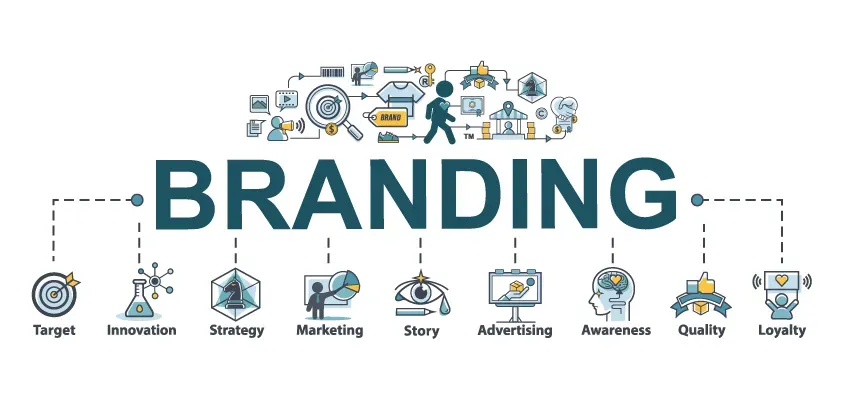
Business branding is the essence of how a company communicates with its audience and stands apart in the marketplace. It goes beyond the visual aspects like logos and colors; it includes the message, tone, and fundamentals behind every interaction a brand has with its consumers. This process begins with defining the brand’s mission and vision and articulating the core values that drive its operations. By doing this, businesses can create a cohesive identity that resonates with customers, fulfilling their expectations and establishing a reliable presence in their field.
Moreover, a robust understanding of branding involves recognizing the importance of customer perception. A brand must be perceived not only as a product or service but as an entity with personality and values. Businesses that understand this can leverage branding strategies to create an emotional connection with their audience, enhancing customer loyalty. Effective branding lays the groundwork for trust, turning first-time buyers into lifelong patrons.
The Importance of Business Branding
Branding is pivotal in carving out a company’s space in today’s highly competitive markets. It serves as a tool for differentiation, making it easier for consumers to identify and choose a brand over its competitors. When businesses position themselves with a clear, recognizable brand identity, they not only attract attention but also create an environment of trust. Consumers are more likely to buy from companies that have established a reputable brand presence.
Furthermore, a strong brand identity can drive growth and increase market share. The importance of branding extends to its impact on customer loyalty and retention. When customers have a positive experience with a brand, they are far more likely to return for repeat purchases and to refer the brand to others. This level of advocacy is invaluable in creating a lasting business that thrives on word-of-mouth recommendations and can weather market storms.
How to Create Your Brand Identity
Creating a brand identity starts with foundational work. A business should first articulate its mission, vision, and core values. These elements define the very DNA of the brand, guiding every communication and interaction. Once these fundamentals are established, a business can begin to develop its visual identity, including naming and logo creation. It’s crucial that these components reflect the brand’s essence and are designed with the target audience in mind.
In addition, understanding the target audience is critical for creating a tailored brand identity. This involves thorough market research to tap into customer demographics, preferences, and behaviors. By aligning the brand with the needs and desires of its audience, businesses can craft a message that resonates and captivates effectively, setting the stage for a meaningful connection between the brand and its customers.
Effective Branding Tips for Small Businesses
Small businesses often face unique challenges when it comes to branding. However, embracing effective branding strategies can elevate their presence significantly. One powerful tip is to consistently tell a compelling brand story. This narrative should encapsulate the business’s journey, mission, and values, allowing customers to connect on a personal level. Moreover, utilizing local SEO techniques can help small businesses gain visibility in their communities, attracting local customers who are likely to engage with the brand.
Another key strategy involves maintaining brand consistency across all platforms. This includes having uniform messaging, visual elements, and customer experiences. When consumers encounter the same brand personality and aesthetics whether online or in-store, they develop a sense of familiarity and trust. Consistency in branding not only reinforces the brand identity but also fosters a stronger relationship with the customer base.
Building Emotional Connections Through Branding
Creating emotional connections is essential for successful branding. Effective branding doesn’t just sell products; it sells experiences and values that resonate with consumers. Businesses can foster these connections by aligning their brand identity with the values that are important to their target audience. For example, if a brand advocates for sustainability and eco-friendliness, it can attract customers who prioritize these values in their purchasing decisions.
Additionally, storytelling plays a crucial role in building these emotional bridges. A well-crafted brand narrative that highlights customer stories, founder’s journeys, or community involvement can deepen the emotional ties between the brand and its customers. When consumers feel part of a larger purpose or story, their loyalty and advocacy toward the brand grow exponentially.
The Role of Social Media in Branding
In the digital age, social media has become a powerful tool for business branding. Platforms such as Instagram, Facebook, and Twitter provide businesses with avenues to showcase their brand identity and engage directly with customers. By actively participating in social media conversations, responding to customer inquiries, and sharing content that reflects brand values, businesses can enhance their visibility and forge stronger connections with their audience.
Moreover, social media allows for real-time feedback and insights into audience preferences. By analyzing engagement metrics, businesses can refine their branding strategies to resonate better with their followers. A well-managed social media presence cultivates community around a brand, leading to increased loyalty and repeat business.
Frequently Asked Questions
What are effective business branding strategies for small businesses?
Effective business branding strategies for small businesses include defining your brand identity, understanding your target audience, creating a compelling logo and name, maintaining a consistent brand voice, and establishing a strong online presence. Utilizing social media and content marketing can also amplify brand awareness and attract loyal customers.
Why is the importance of branding significant in today’s market?
The importance of branding is significant because it helps companies differentiate from competitors, build customer loyalty, establish credibility, and create emotional connections with consumers. A strong brand identity can enhance recognition and trust, ultimately driving sales and long-term success.
How to create brand identity for my business?
To create a brand identity, begin by defining your business mission, vision, and core values. Conduct market research to understand your audience, develop a memorable brand name and logo, establish a consistent brand voice, and design visual elements like color palettes and typography that reflect your identity.
What are some effective branding tips for startups?
Effective branding tips for startups include focusing on a unique value proposition, investing in quality design for logos and marketing materials, consistently engaging with your audience on social media, and adapting your branding strategy based on customer feedback to ensure relevance and appeal.
What role does branding play for small businesses?
Branding plays a crucial role for small businesses by helping them establish a distinct identity that attracts customers, fosters trust and loyalty, and differentiates them from competitors. A strong brand can significantly influence purchasing decisions and enhance market presence.
How to measure the success of my business branding efforts?
Measure the success of your business branding efforts through customer feedback, engagement metrics on social media, website traffic, and sales data. Surveys and brand recognition studies can also provide insight into customer perception and brand loyalty.
What are common mistakes in business branding that I should avoid?
Common mistakes in business branding include inconsistency in messaging and visuals, neglecting to understand the target audience, failing to differentiate from competitors, and not adapting the brand as the market evolves. Avoiding these pitfalls ensures a more effective branding strategy.
| Key Points | Details |
|---|---|
| What is Business Branding? | Creating a unique name and image for your business in the consumer’s mind. |
| Importance of Branding | First impressions, differentiation, trust, emotional connection, and business recognition. |
| Steps to Create Memorable Brand Identity | 1. Define Your Brand 2. Understand Your Audience 3. Create a Compelling Brand Name and Logo 4. Develop Your Brand Voice 5. Create Visual Elements 6. Build an Online Presence 7. Implement and Monitor Your Brand |
Summary
Business Branding is a fundamental aspect of establishing your company’s identity in a crowded market. Let’s discuss how a strong brand can create a lasting impression, boost customer loyalty, and set you apart from competitors. By identifying your mission, audience, and visual elements, you can craft a brand that resonates with your consumers and aligns with their values. What’s important here is to remember that your branding is not static; it requires ongoing attention and adaptation to ensure it continues to meet the needs of your audience and reflects your business values authentically.

