Listen to this article
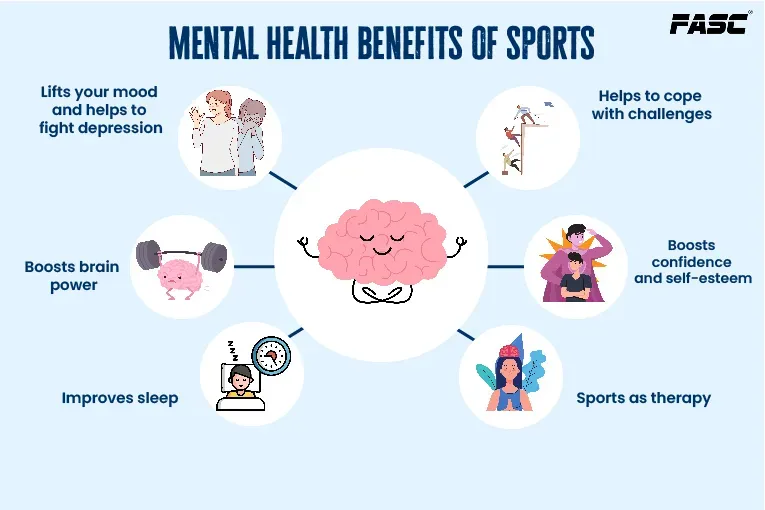
The benefits of sport for mental health are vast and impactful, making physical activity an essential component of our well-being. Engaging in sports can be a dynamic way to combat issues such as anxiety and depression, contributing significantly to mental wellness. Studies have demonstrated that regular exercise not only boosts mood but also enhances overall mental well-being by releasing mood-enhancing endorphins. Furthermore, the social connections formed through sports provide emotional support and facilitate community bonding, which are crucial for nurturing healthy relationships. In this blog post, we delve deeper into the remarkable interplay between sports and mental health, highlighting the importance of prioritizing physical activity for improved psychological resilience.
When we discuss the advantages of physical activity, particularly in the context of sports and psychology, we uncover an intricate relationship that fosters emotional stability and resilience. Exercising regularly, whether through team sports or individual activities, helps to mitigate stress and enhances mental well-being. This exploration of exercise for depression showcases how cultivating a routine in physical activities can yield profound effects on psychological health. Additionally, the engaging nature of sports provides a release for pent-up energy and frustrations, promoting a healthier mindset. Ultimately, recognizing the value of physical movement in supporting mental health is key to living a balanced and fulfilling life.
The Positive Impact of Physical Activity on Mental Well-Being
Physical activity has a profound influence on mental well-being, with numerous studies indicating the psychological benefits of engaging in sports. When individuals participate in physical exercise, their bodies release endorphins, chemicals in the brain associated with feelings of happiness and overall well-being. These endorphins act as natural painkillers and mood enhancers, promoting a sense of euphoria that can help alleviate feelings of sadness and anxiety. Therefore, integrating sports into daily life not only improves physical health but also serves as a vital component in maintaining a positive state of mind.
Moreover, regular participation in sports encourages a routine that can provide structure and purpose to one’s day. Whether it’s a morning run or an evening soccer match, the scheduled activities foster a disciplined lifestyle that can combat feelings of uncertainty and chaos often associated with poor mental health. By keeping physically active through sports, individuals can experience greater emotional stability and resilience, ultimately benefiting their mental health in the long run.
Benefits of Sport for Mental Health and Well-Being
Engaging in sports yields significant benefits for mental health, with research continuously supporting the notion that physical activity is a natural remedy for various psychological issues. One of the core advantages is its ability to reduce symptoms associated with depression and anxiety. Sports promote the production of neurotransmitters, such as serotonin and dopamine, which are crucial in regulating mood and emotional responses. Consequently, individuals who engage in regular athletic activities often experience lower levels of anxiety, along with improved emotional resilience.
In addition to alleviating symptoms of mental disorders, sports also facilitate social connectivity. Participating in team sports fosters relationships among individuals, providing opportunities for social interaction that can combat feelings of isolation. The sense of community created through shared goals and experiences significantly enhances one’s emotional well-being, making sports an invaluable resource for anyone looking to bolster their mental health.
The Role of Exercise in Combating Depression
Exercise, particularly through sports, serves as an effective mechanism to combat depression. Physical activity is known to boost the production of endorphins, leading to enhanced mood and happiness. For individuals experiencing depression, engaging in sports becomes a channel for releasing pent-up energy and emotions, allowing them to cope better with depressive symptoms. Regular exercise can function as a natural treatment for those dealing with mild to moderate depression, offering a holistic approach to mental health care.
Furthermore, studies reveal that exercise can invoke changes in the brain that elevate mood and promote relaxation, which are critical elements for managing depression. Instead of relying solely on medication, incorporating sports into treatment plans can lead to sustainable mental health improvements, supporting the notion that exercise is indeed one of the best remedies available.
Enhancing Self-Esteem Through Sports
Sports play a pivotal role in enhancing self-esteem and confidence among individuals of all ages. Participating in athletic endeavors provides opportunities for personal achievement, whether it’s mastering a new skill, completing a challenging workout, or winning a game. Each accomplishment, no matter how small, contributes significantly to an individual’s self-worth, boosting their confidence and overall mental health.
Moreover, the supportive environment of team sports allows players to celebrate each other’s successes, fostering a culture of encouragement and motivation. This positive reinforcement reinforces self-esteem, helping individuals establish healthier self-perceptions and cultivate resilience against adversities in life. Consequently, the confidence gained through sports translates into other life domains, enhancing overall psychological well-being.
Social Connections: The Key to Mental Health
Sports are not merely about physical activity; they are also about building social connections. Engaging in team sports or group activities allows individuals to meet new people and cultivate friendships, creating a support system critical for mental health. These relationships can significantly decrease feelings of loneliness and social isolation, which are detrimental to mental well-being.
Moreover, the shared experiences that come with participating in sports foster deep bonds among teammates. This sense of belonging and camaraderie contributes positively to one’s emotional health, providing a platform for expressing feelings and concerns. Engaging socially through sports cultivates an enriching environment that emphasizes teamwork, empathy, and mutual support, all essential elements for maintaining robust mental health.
Coping Mechanisms: Utilizing Sports for Stress Relief
Sports can serve as an incredibly effective coping mechanism for managing stress. Instead of resorting to unhealthy behaviors, individuals can channel their stress and emotions into physical activities. Engaging in sports offers a healthy outlet that redirects negative energy into productive movements, often resulting in relief from everyday pressures.
Furthermore, the focus required in sports acts as a form of meditation, helping individuals to temporarily forget their worries and immerse themselves in the activity. This mental distraction can lead to a clearer mind and a calmer emotional state, allowing for better handling of stress and increased resilience in approaching life’s challenges.
Building Resilience Through Athletic Pursuits
Participating in sports helps build resilience, an essential trait for coping with adversities and challenges in life. Sports inherently involve competition, setbacks, and varying levels of success, teaching individuals how to persevere through difficulties. Learning to overcome obstacles in a sports setting translates to enhanced problem-solving abilities in everyday life.
The lessons learned from engaging in sports—such as patience in the face of disappointment and the determination to improve—fortify mental toughness. This resilience is beneficial not only in the realm of sports but also in personal and professional endeavors, allowing individuals to approach problems with a positive mindset and unwavering resolve.
Creating a Sustainable Routine for Mental Health
To truly reap the benefits of sport for mental health, establishing a sustainable routine is essential. Consistency in engaging physical activity can enhance not only physical fitness but also psychological stability over time. By incorporating sports into daily life, individuals create a sense of normalcy that contributes positively to their overall mental well-being.
Setting realistic goals and scheduling regular sessions of physical activity can make it easier to maintain this routine. Additionally, tracking progress and celebrating small achievements can provide motivation, supporting ongoing engagement in sports as a powerful tool for enhancing mental health.
Exploring Different Sports for Greater Enjoyment
Exploring various sports can lead to greater enjoyment and personal satisfaction, which are crucial for mental well-being. Different activities cater to diverse interests and preferences, making it essential for individuals to discover what resonates with them best. Whether one prefers team sports or individual pursuits, finding the right fit can enhance the likelihood of regular engagement.
Moreover, enjoying a chosen sport increases commitment and reduces the likelihood of burnout or disengagement. When individuals participate in activities they genuinely enjoy, they are more likely to experience the mental health benefits associated with physical activity, such as improved mood, lower stress levels, and enhanced self-esteem.
Frequently Asked Questions
What are the key benefits of sport for mental well-being?
Participating in sports enhances mental well-being by reducing symptoms of depression and anxiety, promoting social interactions, increasing self-esteem and confidence, improving mood, and providing healthy coping mechanisms.
How does exercise for depression relate to sports activities?
Exercise for depression is highly effective, as sports activities release endorphins that boost mood, lessen feelings of sadness, and provide a sense of accomplishment, which can significantly alleviate depressive symptoms.
Can sports and mental health be linked through social interactions?
Yes, sports and mental health are strongly linked; engaging in team sports fosters social connections, reduces loneliness, and enhances emotional well-being, contributing positively to mental health.
How does physical activity benefit individuals dealing with anxiety?
Physical activity benefits individuals dealing with anxiety by providing a natural outlet for stress through endorphin release, improving mood, and offering a focus away from anxiety-provoking thoughts.
What role does sport play in building self-esteem and confidence?
Sport plays a significant role in building self-esteem and confidence as individuals set and achieve personal goals, which fosters a positive self-image and a sense of belonging.
Are there physical activity benefits specifically for improving mood?
Absolutely, physical activity benefits include improved mood by increasing dopamine and serotonin levels in the brain, which can combat feelings of fatigue and enhance overall mental outlook.
How can sports serve as a coping mechanism during stressful times?
Sports provide a healthy coping mechanism by redirecting energy from stress into physical activity, allowing individuals to relieve tension and develop resilience against future challenges.
What are some effective strategies to incorporate sports for mental health enhancement?
Effective strategies include setting realistic goals, exploring various sports to find enjoyment, scheduling regular activity sessions, and joining community groups for social support.
Can engaging in sports help reduce feelings of loneliness?
Yes, engaging in sports can help reduce feelings of loneliness by facilitating social interactions and fostering a sense of community among participants.
What benefits can beginners expect from starting sports for mental health?
Beginners can expect reduced anxiety and depression, improved mood, increased self-esteem, and enhanced social connections from starting sports, leading to overall better mental health.
| Key Points | Description |
|---|---|
| Reduces Symptoms of Depression and Anxiety | Engaging in sports releases endorphins, which can help improve mood and reduce feelings of sadness and anxiety. |
| Promotes Social Interaction | Sports foster environments for bonding and building supportive relationships, combating loneliness. |
| Builds Self-Esteem and Confidence | Achieving goals in sports enhances self-image and confidence, positively impacting mental health. |
| Improves Mood and Decreases Fatigue | Regular sports participation improves cognitive function, mood, and energy levels. |
| Provides a Healthy Coping Mechanism | Sports serve as a constructive outlet for stress and frustrations, promoting resilience. |
Summary
The benefits of sport for mental health encompass a wide range of advantages that significantly enhance our overall well-being. Participating in sports can reduce symptoms of depression and anxiety, promote social interaction, and build self-esteem and confidence. Engaging in regular physical activity leads to improved mood and decreased feelings of fatigue, making it an effective coping mechanism for stress. By integrating sports into our daily routines, we not only bolster our mental health but also pave the way for a more fulfilling and balanced life. Embracing physical activity as a vital part of our lifestyle can unlock its powerful benefits for mental well-being.