Listen to this article
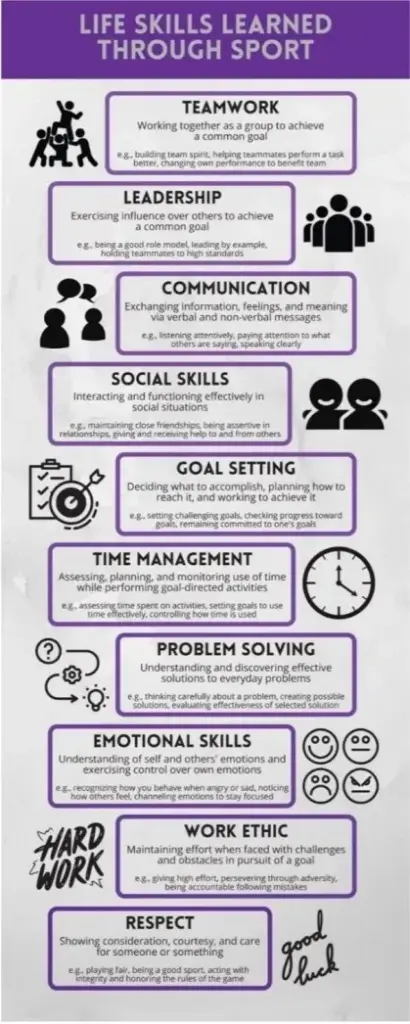
Team sports and life skills are intrinsically linked, providing athletes with invaluable lessons that transcend the confines of the playing field. While the physical benefits of participating in team sports are well-documented, the real treasure lies in the development of essential life skills. Engaging in sports fosters teamwork, enhances communication skills, and instills a sense of discipline in sports that reinforces the importance of commitment. Additionally, leadership in sports emerges as athletes learn to motivate others and take charge when necessary, further boosting self-esteem and confidence. This article delves into how team sports can catalyze life skills development, shaping individuals into well-rounded contributors to both their communities and workplaces.
The intersection of group athletic activities and personal growth reveals a compelling narrative about how collaboration in sports promotes essential skills for daily life. When individuals come together in cooperative environments to achieve common goals, they cultivate attributes like teamwork, effective communication, and leadership capabilities. These shared experiences not only nurture self-esteem but also promote discipline and responsibility among participants. Furthermore, as athletes navigate the challenges and unpredictabilities of sports, they enhance their problem-solving abilities and foster important social connections. This exploration highlights how engaging in collective gameplay can significantly influence life skills development, preparing individuals to succeed in various aspects of their lives.
The Importance of Team Sports in Life Skills Development
Team sports play a crucial role in developing essential life skills that extend well beyond the athletic field. Engaging in these activities allows individuals to learn key attributes such as teamwork and communication, which are vital in everyday life. These skills are particularly beneficial for young athletes as they navigate social environments, enhancing their ability to interact effectively with peers and authority figures alike.
Furthermore, the collaborative nature of team sports fosters an environment where individuals can develop leadership qualities. Learning to work together toward a common goal reinforces the importance of collective effort, and this is reflected in various life scenarios, whether in school group projects or adult workplace collaborations.
Frequently Asked Questions
What are the benefits of team sports in developing life skills?
Team sports significantly enhance life skills by fostering teamwork, communication, self-discipline, and leadership. Players learn to cooperate, communicate effectively with teammates and coaches, and develop resilience, all of which are crucial in personal and professional settings.
How do team sports improve communication skills?
Participating in team sports improves communication skills as athletes must convey ideas clearly, listen to teammates, and interpret non-verbal signals. This engagement enhances both verbal and non-verbal interactions, preparing individuals for various social situations.
In what ways do team sports cultivate leadership qualities?
Team sports cultivate leadership qualities by providing players with opportunities to take on leadership roles, such as team captains or mentors. These experiences teach decision-making under pressure and how to motivate peers toward a common goal, skills that apply to many life scenarios.
How does participation in team sports foster teamwork and cooperation?
Team sports foster teamwork and cooperation by emphasizing the importance of collective effort over individual performance. Players must work together, building trust and understanding, which translates to better collaboration in academic and professional environments.
What role does discipline play in team sports and life skills development?
Discipline is crucial in team sports as athletes adhere to practice schedules and game rules. This commitment teaches the value of hard work and time management skills, leading to stronger personal and academic achievements.
How do team sports encourage problem-solving skills?
Team sports encourage problem-solving skills by presenting unpredictable situations that require quick thinking and adaptability. Players learn to assess scenarios, devise strategies, and implement solutions effectively, skills that are beneficial in everyday challenges.
Can team sports boost self-esteem and confidence?
Yes, team sports can significantly boost self-esteem and confidence as athletes experience a supportive environment that promotes personal growth through achievements, while also teaching resilience in the face of setbacks.
What is the impact of team sports on empathy and social skills?
Team sports enhance empathy and social skills by encouraging players to understand their teammates’ experiences and feelings. This support builds strong interpersonal relationships and equips individuals to connect better in various social and professional contexts.
How does participating in team sports instill a sense of responsibility?
Participating in team sports instills a sense of responsibility as athletes learn how their actions affect the team. This awareness fosters accountability and trustworthiness, essential qualities for effective leadership and collaboration.
Why should parents consider team sports for their children?
Parents should consider team sports for their children not just for physical activity, but also for the invaluable life skills gained, including teamwork, communication, leadership, discipline, and empathy, which prepare them for future academic and career challenges.
| Key Point | Explanation |
|---|---|
| Building Communication Skills | Team sports enhance verbal and non-verbal communication, promoting effective interactions among players, coaches, and officials. |
| Enhancing Leadership Qualities | Participating in team sports provides opportunities for individuals to develop leadership skills, decision-making abilities, and the capacity to motivate others. |
| Fostering Teamwork and Cooperation | Success in team sports relies on collective effort; athletes learn the value of trust and collaboration. |
| Cultivating Discipline and Commitment | Athletes develop discipline through dedication to practice and performance standards, fostering a strong work ethic. |
| Developing Problem-Solving Skills | Team sports require quick thinking and adaptability, enhancing critical thinking and creative problem-solving abilities. |
| Boosting Confidence and Self-esteem | Athletic success breeds confidence and self-worth, while setbacks teach resilience and maintaining positivity. |
| Encouraging Empathy and Social Skills | Players learn to understand and support teammates, nurturing empathy and strong interpersonal skills. |
| Instilling a Sense of Responsibility | Being part of a team teaches athletes accountability and the impact of their actions on others. |
Summary
Team Sports and Life Skills play an integral role in shaping individuals beyond the realm of athletics. By participating in team sports, players acquire essential life skills such as effective communication, leadership, teamwork, discipline, problem-solving abilities, and empathy. These attributes not only contribute to personal growth but also enhance interpersonal relationships and career readiness. Ultimately, the experiences gained through team sports foster well-rounded individuals capable of navigating various aspects of life with confidence and resilience.