
Listen to this article
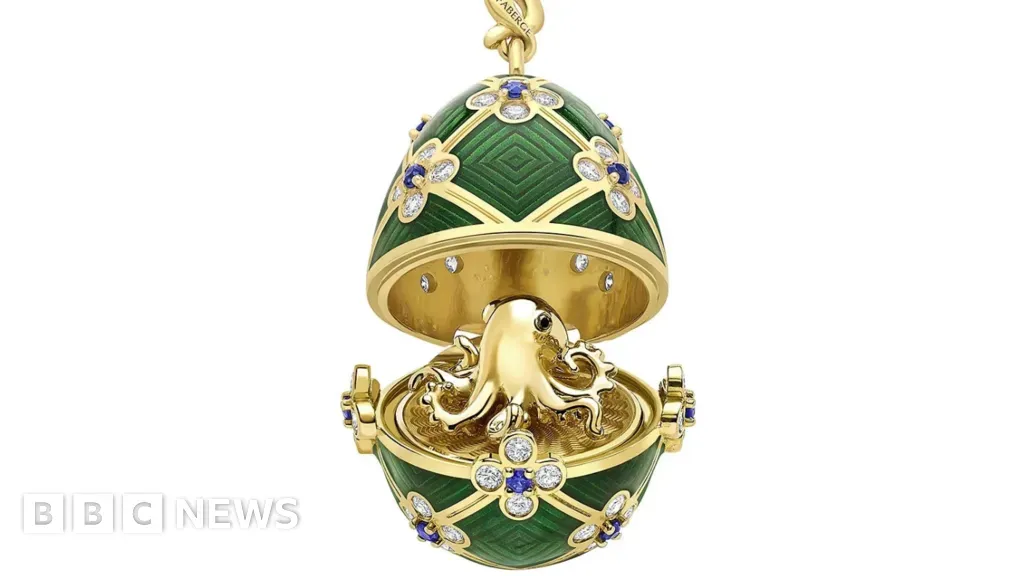
In a shocking incident of art theft news, a Fabergé egg valued at £2 million was stolen in a daring pickpocketing act at a pub in Soho, London. The infamous thief, Enzo Conticello, managed to swipe the exquisite egg, along with other valuables from an unsuspecting victim, Rosie Dawson, who worked with the Craft Irish Whiskey Company. This theft has drawn the attention of the Metropolitan police and the public alike, as they work tirelessly to recover the luxurious item that symbolizes both wealth and craftsmanship. Fabergé eggs, steeped in history and known for their intricate designs, represent one of the pinnacle achievements in jewelry-making, making their theft all the more alarming. As the investigation unfolds, the impact of this crime reverberates through the worlds of art and luxury, highlighting the lengths to which thieves will go for a piece of history.
The recent heist involving the exquisite Fabergé egg has sent shockwaves through the art community and forced law enforcement agencies, like the Metropolitan police, to ramp up their efforts in art recovery. Enzo Conticello, the individual behind this theft, had the audacity to pilfer not only a prized piece of luxury but also personal items from his target, raising concerns about the darker side of pickpocketing in high-profile venues. With an eye on recovering such treasures, authorities are on high alert, especially given the unique nature of Fabergé creations, once associated with the Romanov dynasty. As the investigation continues, it’s imperative to keep an eye on the ongoing conversations surrounding art theft and the implications it has for collectors and institutions. The fascinating history behind these beautiful eggs underscores their importance, reinforcing why they are coveted by many, including organizations like the Craft Irish Whiskey Company, who have previously collaborated with Fabergé.
The Infamous Fabergé Egg Theft in Soho
In November 2024, the theft of a Fabergé egg and an accompanying luxury watch sent shockwaves through the art and collectible community. Stolen from Rosie Dawson, the esteemed director of premium brands at the Craft Irish Whiskey Company, the treasures were pilfered in a seemingly routine pickpocketing incident at a London pub in Soho. This event highlights the vulnerability of high-value items in public spaces and raises concerns among collectors about the security of their prized possessions. The Metropolitan Police reported the incident soon after, indicating the seriousness of the theft and their commitment to recover these valuable pieces.
Enzo Conticello, the mastermind behind this theft, has since been taken into custody by the Metropolitan Police, with a trial set to address not just the theft itself but also multiple counts of fraud. The Fabergé egg in question represents a significant cultural and financial investment, typically associated with opulence and intricacy. Understanding the extensive history behind Fabergé’s creations, including the tales of imperial Easter eggs made for Russian royalty, adds depth to the implications of such thefts, affecting not only the immediate owner but also the broader heritage of art and craftsmanship.
Unraveling the Web of Art Theft: A Case Study
The incident involving Enzo Conticello serves as a case study for contemporary art theft and the growing trend of sophisticated pickpocketing techniques. As more art thefts come to light, the Metropolitan Police’s challenges in addressing these crimes become increasingly evident. While the Fabergé egg and watch are central to this case, the broader implications of losing cultural treasures cannot be overstated. Public attention is drawn not only to the monetary value but also to the loss of cultural history and the potential impact on exhibitions and collections.
Furthermore, the rapidly evolving landscape of art theft involves various stakeholders, from collectors to law enforcement. Effective recovery of stolen art often relies on the collaboration of agencies, including auction houses and museums, to track and trace such items across borders. As demonstrated by the ongoing efforts of the Metropolitan Police and reports on recent art theft news, the ramifications of these incidents extend beyond the initial theft, prompting discussions about security measures and ethical considerations in collecting. The collaboration between art institutions and law enforcement is now more vital than ever.
In addition, public awareness plays a crucial role in preventing art theft and promoting recovery efforts. The collaboration with organizations like the Craft Irish Whiskey Company showcases a proactive approach to highlighting the importance of safeguarding cultural assets. This case encapsulates the need for enhanced security measures, not just for individuals, but across establishments that house valuable items, ensuring that the joy of appreciating art is not marred by the threat of theft.
Understanding the Impact of Art Theft on Collectors
The theft of iconic works, like the Fabergé egg from the Craft Irish Whiskey Company, profoundly affects collectors’ confidence in their investments. Collectors often turn to private security measures and insurance to protect their assets, but they can never fully eliminate the risks of theft. The theft of such notable items sparks concern not only for their monetary value but also for their cultural significance, as many collectors are driven by the passion for preserving art history.
Moreover, incidents of art theft can influence market trends and valuations. As collectors become increasingly wary, they may reconsider purchasing decisions, which can ripple through the entire art market. For example, the recent robbery involving the Fabergé egg highlights the delicate balance between risk and reward in the world of high-value collectibles. Educating potential buyers about the history and provenance of objects is essential in fostering a discerning clientele equipped to make informed choices amidst the rising tide of fraudulent activities.
The Role of Law Enforcement in Art Recovery
Law enforcement agencies like the Metropolitan Police play a pivotal role in recovering stolen art and preventing future thefts. Their commitment to combating art crime through specialized units ensures that cases involving high-profile thefts, such as the one involving the Fabergé egg, receive the attention they deserve. This level of dedication is crucial not only for the successful recovery of stolen items but also for enhancing the overall integrity of the art community.
Moreover, the collaboration between local police and international agencies underscores the global nature of art theft. As stolen items often cross borders and enter underground markets, effective communication and collaboration become critical components of successful recovery efforts. Recent developments in art theft news have shown that when law enforcement agencies worldwide unite, they can effectively disrupt networks involved in the illicit trade of stolen art, protecting cultural heritage globally.
Art and Value: The Fabergé Legacy
Fabergé eggs, known for their exquisite design and craftsmanship, are significant not just as luxury items but also as cultural artifacts representing a bygone era of opulence and artistry. The value of these eggs extends far beyond mere monetary assessments; they symbolize the artistic heritage from the Russian imperial period. The Fabergé legacy continues to inspire contemporary artists and jewelers, allowing the tradition and craft to evolve while retaining its historical significance.
The potential sale of a Fabergé egg at auction has demonstrated their place in the investment landscape, highlighting their appreciation over time. As seen in the recent record-breaking auction of a 112-year-old egg for £22.9 million, the rarity and craftsmanship of these pieces can yield substantial returns for collectors and investors alike. However, with such high stakes comes the risk of theft, which threatens not only individual collectors but also the legacy of these exceptional works of art. Those involved in the art market must navigate the complexities of ownership, value, and cultural significance to ensure a secure future for these treasured items.
Collecting Art in Contemporary Society
In today’s world, collecting art has taken on new dimensions, blending passion with prudent investment strategies. Collectors are increasingly aware of their responsibilities in preserving art history while safeguarding their investments from theft and fraud. Notably, high-value collectibles like the Fabergé egg stolen by Enzo Conticello face unique challenges in terms of security, provenance, and market demand. These factors have shaped an evolving collector’s landscape that prioritizes education, awareness, and ethical collecting.
The rise of online platforms for buying and selling art has also influenced how collectors interact with the market. With greater accessibility comes added risk, prompting buyers to be more astute in their purchases. Furthermore, as collectors engage with reputable galleries and auction houses, they must stay informed about prevalent art theft news to ensure they are making informed decisions. Overall, the journey of an art collector today is fraught with challenges but enriched by the potential for meaningful engagement with history and culture.
The Collaboration Between Institutions and Law Enforcement
The intersection of law enforcement and cultural institutions is paramount in tackling the issue of art theft. Institutions like the Craft Irish Whiskey Company are increasingly recognizing the importance of protecting their valuable artifacts against theft. By collaborating with local police forces and international agencies, they can establish protocols for safeguarding their collections and recovering stolen items. This collaborative approach enhances the chances of successfully tracing and restoring stolen art pieces, like the famed Fabergé egg.
Moreover, when institutions actively engage in discussions about security measures and share information about recent thefts, they contribute to a broader culture of vigilance within the art community. The Metropolitan Police’s involvement in retrieving the stolen items showcases the agency’s commitment to safeguarding cultural heritage. Their actions send a strong message that art theft will not be tolerated, fostering an environment where collectors and institutions can operate with higher levels of confidence and security.
Public Awareness and Reporting Art Thefts
Public awareness is crucial in preventing art theft and encouraging the recovery of stolen works. As incidents like the theft of the Fabergé egg gain media attention, they serve as reminders of the vulnerabilities faced by collectors and institutions. Engaging the public in conversations about the importance of reporting suspicious activities and being vigilant in art-related settings can significantly enhance overall security. Encouraging community involvement fosters a culture of collective responsibility towards preserving cultural heritage.
Additionally, robust reporting mechanisms by law enforcement allow for swift action when art theft occurs, mitigating the potential for loss. When individuals are educated about the value of monitoring their surroundings and reporting suspicious behavior, the likelihood of successful recoveries increases. Initiatives led by organizations, museums, and police agencies aim to create a cohesive community focused on safeguarding art, allowing for a collective effort to deter theft and celebrate cultural heritage.
Frequently Asked Questions
What was the Fabergé egg theft involving Enzo Conticello?
The Fabergé egg theft occurred when Enzo Conticello, also known as Hakim Boudjenoune, stole a Fabergé egg and a luxury watch valued at £2 million from Rosie Dawson, the Craft Irish Whiskey Company director, in a Soho pub. The theft, attributed to pickpocketing, was part of a larger incident where Dawson’s handbag was targeted, leading to the loss of multiple items.
Who is Enzo Conticello in relation to the Fabergé egg theft?
Enzo Conticello is the individual who admitted to the theft of a Fabergé egg and a watch, along with three counts of fraud by false representation. He was arrested by the Metropolitan police after the crime, which took place in November 2024.
What actions are the Metropolitan police taking regarding the Fabergé egg theft?
The Metropolitan police are actively investigating the Fabergé egg theft and working to recover the stolen items, including the egg and the luxury watch. They continue to seek information that might help in identifying the whereabouts of these valuable pieces.
What significance do Fabergé eggs have that relates to theft incidents like this?
Fabergé eggs, known for their opulence and craftsmanship, are highly sought after in the art world, making them prime targets for art theft. The recent incident involving the theft of a Fabergé egg emphasizes the vulnerabilities of high-value collectibles, particularly in social settings.
What type of items were stolen alongside the Fabergé egg in the Soho pickpocketing incident?
In addition to the Fabergé egg, Enzo Conticello also stole a luxury watch and more conventional items such as a laptop and credit cards from Rosie Dawson’s handbag during the Soho pickpocketing incident.
How does the theft of a Fabergé egg impact its value and market?
The theft of a Fabergé egg can significantly impact its perceived value and market dynamics. High-profile thefts often draw public attention, which can both increase demand for remaining pieces and complicate resale opportunities for stolen items.
What is the historical context of Fabergé eggs that makes them targets for theft?
Fabergé eggs have a rich history as luxurious items created for Russian royalty, making them highly collectible and valuable. This heritage, alongside their exquisite craftsmanship, makes them attractive targets for art theft and illicit resale.
What precautions can be taken to prevent Fabergé egg theft at exhibitions or events?
To prevent Fabergé egg theft at exhibitions or events, organizers can implement strict security measures, including surveillance systems, security personnel, and protective display cases, ensuring that these valuable pieces are safeguarded against potential theft.
What happened at the Southwark Crown Court regarding the Fabergé egg theft case?
Enzo Conticello appeared at Southwark Crown Court where he admitted to the theft of the Fabergé egg and three counts of fraud by false representation. He was remanded in custody and will return for sentencing.
What collaboration between Craft Irish Whiskey Company and Fabergé is related to the theft?
The collaboration between the Craft Irish Whiskey Company and Fabergé in 2021 resulted in a unique whiskey collection that included a bespoke Fabergé Celtic egg. This collection is part of the context surrounding the recent theft of the Fabergé egg during the pub incident.
| Key Point | Details |
|---|---|
| Thief | Enzo Conticello, also known as Hakim Boudjenoune. |
| Incident | Theft of a Fabergé egg and watch valued at £2 million from Rosie Dawson. |
| Location | A pub in Soho, London. |
| Arrest | Conticello was arrested in Belfast on January 26. |
| Legal Proceedings | Appeared at Southwark Crown Court, admitted theft and fraud. |
| Next Court Date | Scheduled for March 6, expected to be sentenced. |
| Met Police Status | Attempting to recover the stolen Fabergé egg and watch. |
| Fabergé Eggs | High-value collector’s items created by the House of Fabergé since 1842. |
| Special Features | Some eggs contain extravagant surprises; the 2024 Malaika Egg features thousands of diamonds and rubies. |
| Collaboration | Craft Irish Whiskey Company collaborated with Fabergé to create a whiskey collection. |
Summary
The recent Fabergé egg theft highlights the ongoing issue of high-value art and collectible crimes. Enzo Conticello’s actions in stealing a Fabergé egg and watch valued at £2 million not only demonstrate the lure of such treasures but also the desperation that drives individuals to commit such crimes. The recovery efforts by the Metropolitan Police emphasize the importance of safeguarding cultural heritage and the need for vigilance in environments where valuable items are displayed. As the investigation continues, the case of the Fabergé egg theft serves as a reminder of the delicate balance between security and accessibility in the world of high-end collectibles.