Listen to this article
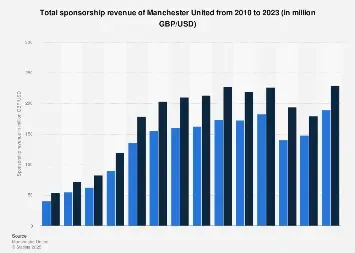
Manchester United’s sponsorship revenue has become a pressing concern following the recent release of their financial results, which highlighted a significant decline in earnings. With sponsorship revenue hitting just £37.2 million, the club has faced a major setback, down £5.8 million compared to last year. The situation becomes more daunting as the lucrative training kit sponsorship deal with Tezos, worth £24 million annually, has come to an end. This leaves Manchester United without a training kit sponsor for the first time since the 2021/2022 season, raising alarms over potential long-term impacts on their commercial revenue. Furthermore, the impending expiration of the sleeve sponsorship with DXC Technology, valued at £20 million per season, positions the club at risk of an overall £44 million drop in sponsorship income if adequate replacements are not secured soon.
In light of recent developments, the financial landscape for the iconic football club is shifting dramatically, particularly in terms of commercial partnerships. The stark decrease in sponsorship income represents a critical moment for the club as they navigate the complexities of maintaining profitability in a competitive sports market. As Manchester United wraps up its arrangements with prominent sponsors like Tezos and DXC Technology, stakeholders are left pondering the potential ripple effects on overall earnings. Ensuring strong sponsorship agreements is essential for bolstering the financial results and mitigating losses from sponsorship revenue decline. With keen interest from potential new partners, the focus will be on how effectively the club can capitalize on upcoming opportunities to revive their commercial appeal.
Manchester United Sponsorship Revenue Analysis
The latest financial disclosures from Manchester United reveal a concerning trend in their sponsorship revenue. In the second quarter, the club reported a total sponsorship revenue of £37.2 million, which is a notable decrease of £5.8 million compared to previous periods. This decline poses challenges as it not only impacts the current financial standing but also future prospects for securing lucrative sponsorship deals. The exit of Tezos, the training kit sponsor, adds further strain, as the club has been without this vital source of income since June, marking a gap that the club will need to fill quickly to mitigate the financial impact.
The significance of sponsorship revenue to Manchester United cannot be understated. Traditionally, this segment has bolstered the club’s overall financial health, contributing significantly to their commercial revenue streams. With the impending departure of DXC Technology, whose sleeve sponsorship is valued at a substantial £20 million per season, United faces a cumulative sponsorship revenue dip that could reach £44 million if replacements are not secured. This would signal a downward trend in their commercial revenue, prompting urgent action from the club’s management to attract new sponsors in a competitive market.
Impact of Tezos Sponsorship Termination
The termination of the Tezos sponsorship agreement is a pivotal moment for Manchester United as it marks a transitional phase in the club’s commercial strategies. Valued at £24 million per season, the Tezos deal provided vital financial support and visibility on a global scale, helping United enhance its brand through innovative digital initiatives. The sponsorship also played a critical role in bringing blockchain technology to the forefront of football, bridging the gap between the sports and tech industries. Losing such a strategic partner creates a void that will affect upcoming marketing and partnership initiatives.
In addition to the immediate financial loss, the cessation of the Tezos contract raises questions about Manchester United’s future sponsorship endeavors. It underscores the need for the club to reassess its sponsorship strategy, especially in attracting tech-savvy partnerships that resonate with their global fanbase. With existing negotiations for new sponsors underway, the club’s ability to compensate for this loss will depend on the desirability of the Manchester United brand and its potential to attract companies looking to leverage its global reach.
Exploring Future Sponsorship Opportunities
As Manchester United navigates through a challenging financial landscape, the search for new sponsorship partners has become paramount. With important deals like those with Tezos and DXC Technology coming to an end, the club is in a race against time to secure new sponsorships that can bolster their commercial revenue. Reports suggest that there are potential candidates keen to collaborate with the club, but the urgency of the situation requires the management to act swiftly. It’s crucial for Manchester United to not only replace lost sponsors but to seek deals that exceed previous agreements in value.
Moreover, the landscape of football sponsorship is evolving, with clubs exploring innovative partnerships beyond traditional avenues. Brands from emerging sectors, such as blockchain and digital technology, look to increase their presence through sports sponsorships. Manchester United, with its extensive reach and dedicated fanbase, has the potential to be a highly attractive proposition for these companies. By strategically aligning with forward-thinking brands, United could not only reclaim lost revenue but also enhance its appeal as a leader in commercial partnerships within the football industry.
The Importance of Commercial Revenue for Football Clubs
Commercial revenue is a crucial lifeblood for football clubs, directly influencing their operational capabilities and competitive standing. For Manchester United, commercial revenue, which encompasses retail, merchandising, and product licensing, has shown a slight decline, reported at £41.3 million for the recent quarter. This decrease highlights the challenges clubs face in maintaining steady income levels amidst changing consumer behavior and economic fluctuations. The ability to engage fans and generate revenue through various channels is critical for sustaining a high-performance squad and acquiring top talent.
In light of recent financial results, it is evident that football clubs must strategize effectively to diversify their revenue streams. The slight decline in commercial revenue may reflect broader trends affecting merchandise sales and licensing agreements, emphasizing the importance of fan engagement strategies. Clubs like Manchester United can utilize digital platforms to enhance merchandising opportunities and forge deeper connections with their supporters. By innovating in retail strategies and harnessing new technologies for fan interaction, Manchester United can work towards revitalizing their commercial revenue streams.
Revenue Decline and Future Projections
As Manchester United faces a significant revenue decline in the wake of losing key sponsorship deals, future projections indicate a pressing need for re-evaluation of strategic initiatives. With a reported drop in sponsorship revenue and overall commercial income decreasing, the club is presented with an opportunity to rethink its approach toward generating financial growth. The forecast suggests that unless replacements for key sponsorships are secured expediently, United could notably suffer during the upcoming financial periods.
The potential repercussions of this revenue decline could impact Manchester United’s ability to invest in player acquisitions and maintain competitiveness in the league. Therefore, the club’s management must devise a comprehensive strategy that focuses not only on filling existing gaps but also on anticipating future trends in sponsorships and commercial revenue. Investment in technology-related partnerships, growth in global markets, and innovative merchandise offerings should be at the forefront of United’s strategy as they look to recapture and exceed previous financial heights.
Final Thoughts on Manchester United’s Financial Future
In conclusion, Manchester United’s current financial landscape presents both challenges and opportunities that will shape the club’s future. With the notable decline in sponsorship revenue due to the departures of Tezos and DXC Technology, the club is under pressure to secure new partnerships that can restore financial stability and growth. The ability of Manchester United to navigate these waters effectively will be crucial for their operational success moving forward.
Furthermore, the club’s historical stature and extensive fanbase offer a strong foundation from which to rebuild and attract new sponsors. As Manchester United continues to adapt to changing market dynamics and consumer preferences, focusing on sustainable growth through strategic sponsorship agreements and engaging commercial initiatives will be essential. The road ahead will undoubtedly require innovation and adaptation, but with calculated moves, Manchester United can look to regain its position as a powerhouse in football finance.
Frequently Asked Questions
What is the current state of Manchester United sponsorship revenue?
As of the latest financial results, Manchester United’s sponsorship revenue stands at £37.2 million, which reflects a decline of £5.8 million from previous periods. This decrease highlights the club’s commercial challenges as they navigate upcoming contract expirations.
How has the Tezos sponsorship impacted Manchester United’s financial results?
The termination of Manchester United’s sponsorship deal with Tezos, valued at £24 million per season, significantly affected their sponsorship revenue. Without a training kit sponsor for the first time since the 2021/2022 season, the loss of financial support from this deal contributes to a broader concern regarding revenue declines.
What are the implications of Manchester United’s sponsorship revenue decline?
The sponsorship revenue decline at Manchester United may lead to a potential £44 million drop in funding this summer, especially with the imminent conclusion of their sleeve sponsorship with DXC Technology. This financial gap stresses the urgency for the club to secure new sponsorship deals.
How does Manchester United’s commercial revenue compare to previous years?
Manchester United’s commercial revenue, which encompasses sponsorship deals, retail, and other streams, currently totals £41.3 million. This marks a slight decline of £0.8 million compared to the same period last year, highlighting the ongoing challenges the club faces in maintaining consistent revenue streams.
What changes in football club sponsorship deals is Manchester United facing?
Manchester United is facing significant changes in their sponsorship landscape, primarily due to the end of notable deals such as the one with Tezos and the upcoming conclusion with DXC Technology. These shifts present both challenges and opportunities as Manchester United seeks new sponsorship arrangements to fill the financial void.
How can Manchester United mitigate the impact of declining sponsorship revenue?
To mitigate the impact of declining sponsorship revenue, Manchester United needs to actively seek new commercial partnerships and sponsors to replace the revenue lost from the Tezos and DXC Technology deals. Enhancing their appeal through innovative marketing and fan engagement strategies might attract potential sponsors.
| Key Points |
|---|
| Manchester United reported a significant drop in sponsorship revenue to £37.2 million, down £5.8 million. |
| The training kit sponsorship with Tezos ended, marking the first time since 2021/2022 that the club is without a training kit sponsor. |
| Tezos deal was valued at £24 million per season, contributing significantly to previous sponsorship revenue. |
| Sleeve sponsorship with DXC Technology worth £20 million per season is set to conclude, potentially leading to a further £44 million loss in sponsorship. |
| The reduction in sponsorship revenue reflects a broader trend in commercial revenue, which dropped slightly to £41.3 million. |
| Matchday revenue has decreased by £2.5 million due to fewer home matches played in the quarter compared to last year. |
Summary
Manchester United sponsorship revenue took a significant hit this quarter, highlighting critical financial challenges ahead for the club. The ending of major sponsorships, notably with Tezos and the impending conclusion of the DXC Technology deal, are set to greatly impact the club’s financial stability as it may face a total sponsorship revenue decline of £44 million. The urgency to secure new sponsorship partners is paramount to reversing these trends and ensuring a robust financial outlook for the upcoming seasons.