Listen to this article
Food waste collection has become an increasingly urgent issue, with new legislation mandating weekly food waste collections for every household in England. However, a recent investigation revealed that nearly one in four councils are set to miss the deadline for implementing these services. Factors such as the demand for specialized vehicles and funding delays pose significant obstacles, despite the government’s substantial investment aimed at enhancing food waste recycling. This initiative not only seeks to improve recycling rates but also highlights the environmental impact of food waste, which contributes to greenhouse gas emissions when disposed of improperly. As councils transition to a simpler recycling policy, the focus remains on optimizing waste management practices across the country.
The management of organic refuse, often referred to as compostable waste, is emerging as a critical aspect of local environmental strategies. Recent reports show that a substantial number of municipalities are lagging behind in their commitment to consistent, scheduled collections of this biodegradable matter, despite government mandates. With the emphasis on creating a cohesive set of guidelines for waste disposal across regions, the potential for enhanced recycling practices is on the horizon. Addressing the challenges faced by local authorities in the rollout of these services is imperative to maximize the benefits of diverting food scraps from landfills. The push towards a more inclusive and straightforward recycling framework could significantly alter the landscape of waste management in the coming years.
The Importance of Weekly Food Waste Collection
Weekly food waste collection is becoming an essential practice in modern waste management strategies across England. As councils strive to meet new legislative requirements, the initiative aims to significantly reduce the environmental impact of food waste. Regularly collecting food waste allows for better tracking and recycling of organic materials, which not only keeps dying waste out of overcrowded landfills but also minimizes greenhouse gas emissions associated with waste decay. Further, it encourages households to rethink their food consumption habits, potentially leading to lesser food waste generation in the long run.
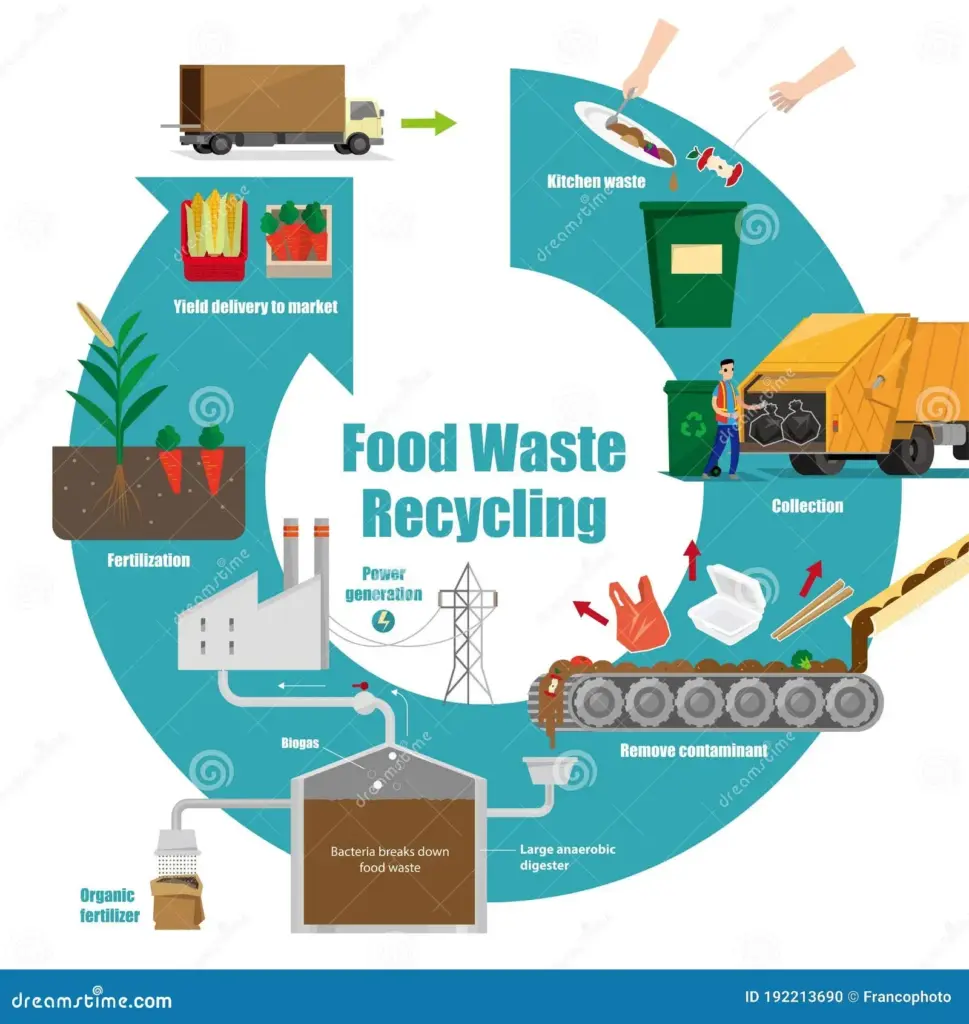
Moreover, the increased frequency of food waste collection paves the way for a clean recycling stream. By separating food waste from other rubbish, councils can promote effective food waste recycling, transforming it into valuable biomethane through anaerobic digestion. This method not only generates renewable energy but also produces digestate, a natural fertilizer that can benefit local agriculture. Hence, transitioning to a weekly food waste collection system holds the promise of both bolstering community gardening and enhancing overall environmental sustainability.
Challenges Faced by Councils in Implementing Food Waste Collection
Despite the clear benefits of a weekly food waste collection, many councils face significant challenges in implementing this program. Over 70 councils have reported difficulties in meeting the upcoming deadlines due to various factors, including the crucial need for new specialist vehicles and financing issues. Even after receiving substantial funding from the Department for Environment, Food & Rural Affairs (Defra), some councils are still struggling, as noted by Cabinet member David Vasmer. Without sufficient resources allocated for day-to-day operational costs, the launch of these services risks being delayed.
Additionally, delayed food waste collection services raise concerns about a ‘postcode lottery’ where some residents have access to advanced recycling practices while others do not. This inconsistency hampers efforts to rebound the national recycling rates, as councils with effective programs generate better outcomes for reducing waste. Community members like Patricia Jepheson have expressed frustration towards the slow rollout in their areas, particularly given that some councils in less affluent regions managed to implement food waste collection services years before. Therefore, addressing these obstacles efficiently is paramount to ensuring that the goal of widespread weekly food waste collection is achieved.
The Role of the Simpler Recycling Policy
The Simpler Recycling policy is designed to standardize recycling processes across councils in England, thus eliminating the confusion arising from varied waste collection methods. Under this policy, a more uniform approach to food waste collection will enable households to manage their waste effectively, contributing to improved recycling rates. Many anticipate that with set guidelines, residents will be more engaged in recycling efforts, leading to a notable increase in food waste recycling rates as they adapt to the new, simpler system.
By establishing clear collection protocols, the policy also targets the reduction of food waste generation substantially. Residents are likely to become more conscious of their disposal habits when they can track food waste easily, especially with regular collections. Experts from organizations like Wrap suggest that this repetitive process will alter consumer behavior positively over time. With councils working towards a unified recycling infrastructure, the environmental impact of food waste can decrease significantly, benefiting the community at large.
Environmental Benefits of Food Waste Recycling
Recycling food waste offers significant environmental benefits that contribute to sustainability goals at local and national levels. By converting food scraps into energy, as seen in anaerobic digestion processes, councils can reduce the volume of organic waste decaying in landfills. This not only mitigates the emissions of harmful greenhouse gases, such as methane, but also enables the generation of renewable energy in the form of electricity or biomethane, which can be reintegrated into the energy supply chain.
Furthermore, the end product of food waste recycling, digestate, serves as a natural fertilizer, thereby reducing reliance on synthetic fertilizers that can adversely affect soil health. This cycle promotes a more circular economy where waste is viewed as a resource rather than a burden. Through effective food waste collection and recycling strategies, councils can ensure a dramatic decrease in environmental impacts associated with food waste, fostering a healthier ecosystem for future generations.
Community Engagement in Food Waste Management
Engaging the community in food waste management efforts is critical for the success of food waste collection programs. Initiatives such as local workshops, public demonstrations, and educational campaigns can empower residents to participate actively in recycling their food waste. By making the community aware of the benefits of food waste recycling, local councils can foster a culture of environmental responsibility, thus driving down overall waste generation.
Residents like Greg Ford from East Hampshire initiative exemplify how community champions can facilitate positive changes. His involvement not just in separating food waste but also in encouraging others around him showcases the potential ripple effect community engagement can have. When individuals recognize the significance of their contributions to local waste management strategies, it instills a sense of pride and ownership that can lead to long-term sustainable practices.
Future of Food Waste Collection Services in England
The future of food waste collection services in England appears to be moving towards a more cohesive and effective system, especially with the impending deadline for weekly collection implementations. As councils navigate the challenges of resource allocation and logistical coordination, the focus remains on streamlining these services to enhance recycling rates. The gradual adoption of food waste collection as a standard across all households is a step forward in combating the negative environmental impacts of food waste and promoting a culture of recycling.
However, ongoing issues surrounding resource availability and council funding must be addressed promptly to realize this vision fully. Local government associations have highlighted the need for clarity on operational costs and the flexibility required for councils to adapt to their unique situations. If adequately addressed, the potential for food waste collection services could transform local waste management, aligning community behaviors with environmental goals and financial viability, ultimately contributing to a greener future for England.
Impact of Delayed Food Waste Initiatives
Delays in the implementation of food waste initiatives can have several detrimental impacts on both the community and the environment. Councils that miss set deadlines may hinder progress towards national recycling targets, leading to stagnation in recycling rates. This situation poses a double-edged sword, as it not only affects waste management practices but can also diminish public confidence in council-led environmental programs.
Moreover, the environmental impact of food waste remains a pressing issue. As councils delay the launch of weekly food waste collection services, more organic material continues to accumulate in landfills, exacerbating greenhouse gas emissions. An immediate focus on addressing the challenges preventing prompt implementation is necessary to mitigate these effects, ensuring that every household can contribute to recycling efforts that protect the environment while enhancing community wellness.
Support for Councils Transitioning to Food Waste Collection
Supporting councils in their transition to efficient food waste collection is crucial to ensure that the deadlines are met and that services are implemented effectively. Providing additional resources and funding, including guidance on best practices for kitchen waste management, can facilitate a smoother rollout. By sharing successful case studies and encouraging cooperative strategies among councils, stakeholders can promote a culture of knowledge-sharing that propels everyone towards meeting national goals.
Furthermore, engaging with local businesses, environmental organizations, and community activists can enhance support networks for councils undergoing these transitions. Collaborative efforts can include co-hosting community clean-up events or forming local food waste management committees aimed at improving awareness and education around food recycling. This active participation from various sectors can significantly bolster the effectiveness of food waste collection initiatives, ultimately benefiting local environments.
Legislative Framework for Food Waste Collection
The legislative framework surrounding food waste collection in England aims to create a more standardized approach that facilitates better waste management. New policies introduced by the Department for Environment, Food & Rural Affairs (Defra) require councils to establish weekly food waste collections, laying the groundwork for improved recycling practices. This framework is designed to elevate recycling rates, reducing the overall environmental burden that food waste places on the ecosystem.
However, these legislative measures must be accompanied by effective guidance and support to be truly successful. Councils require clear protocols on implementing these policies, access to necessary funding, and practical assistance in managing logistical challenges. Stakeholders emphasize the importance of flexibility within the framework, enabling councils to adapt to their local communities’ unique needs while striving to achieve the broader goals of effective waste management and sustainable environmental practices.
Frequently Asked Questions
What is the significance of weekly food waste collection in England?
Weekly food waste collection is crucial for improving recycling rates and minimizing the environmental impact of food waste. It allows households to separate organic waste from general rubbish, enabling better processing, including composting and anaerobic digestion, which reduces greenhouse gas emissions from landfills.
Why are some councils missing the deadline for weekly food waste collection?
Several councils are missing the deadline for weekly food waste collection due to challenges in procuring specialized vehicles and funding issues. Despite receiving substantial government grants, over 70 councils reported delays primarily caused by the demand for new collection vehicles and additional operational funding.
How does food waste recycling contribute to environmental sustainability?
Food waste recycling significantly contributes to environmental sustainability by reducing landfill waste and associated greenhouse gas emissions. Through processes such as anaerobic digestion, food waste is converted into energy, thereby maximizing the value of the waste while producing renewable energy and nutrient-rich fertilizer.
What is the impact of the Simpler Recycling policy on food waste collection?
The Simpler Recycling policy is designed to standardize waste collection practices across councils in England. This aims to eliminate confusion regarding recycling, ensure equal access to food waste collection services, and improve overall recycling rates by making it easier for residents to participate in food waste recycling initiatives.
How can residents prepare for the upcoming changes in food waste collection services?
Residents can prepare for upcoming changes by familiarizing themselves with their council’s specific food waste collection schedule, ensuring they have appropriate bins for separating food waste, and actively engaging in reducing food waste in their households. This proactive approach will facilitate a smoother transition to weekly food waste collection.
What should I do if my council has delayed the start of weekly food waste collection?
If your council has delayed the start of weekly food waste collection, you can stay informed by regularly checking your council’s official website for updates and projected timelines. It may also be beneficial to engage with your local representatives to express the importance of timely food waste recycling initiatives for environmental health.
Will there be any changes to food waste collection policies after the implementation of weekly collections?
Yes, after implementing weekly food waste collection, councils may revise their policies based on operational feedback and funding reviews. Continuous assessment will be necessary to address any challenges faced during the rollout and to ensure that the environmental impact of food waste is minimized effectively.
How does the demand for food waste collection vehicles affect service start dates?
The high demand for food waste collection vehicles has significantly impacted service start dates for councils. Many councils are experiencing delays in procurement due to limited availability, leading to staggered launches of weekly food waste collections across different regions.
What role does public awareness play in the success of food waste recycling?
Public awareness is vital to the success of food waste recycling. Increasing knowledge about the benefits of weekly food waste collection and the environmental impact of food waste can motivate individuals to participate actively, reducing waste generation and improving recycling rates.
Are there any penalties for councils that miss the food waste collection deadline?
Currently, there are no specific penalties for councils that miss the food waste collection deadline. However, ongoing discussions regarding funding and operational support might influence future accountability measures to ensure compliance with national recycling goals.
| Key Point | Details |
|---|---|
| Deadline Delays | Almost 25% of councils will miss the deadline for weekly food waste collections. |
| Councils Affected | Over 70 councils reported they won’t meet the deadline due to various issues. |
| Funding Issues | Despite receiving £340 million in grants from Defra, councils face funding challenges for ongoing operations. |
| Environmental Impact | Separately recycling food waste reduces landfill use and greenhouse gas emissions. |
| Phased Rollout | Some councils plan to implement services by the end of 2026 or later. |
| Simpler Recycling Policy | Aims to standardize waste collection practices across England to improve recycling. |
| Food Waste Processing | Food waste is processed into biomethane, which can generate electricity. |
Summary
Food waste collection is critical in our efforts to reduce waste and promote sustainability. With nearly a quarter of English councils set to miss their deadline for implementing weekly food waste collections, it highlights the challenges faced by local authorities in meeting legislative requirements. These delays are attributed to funding shortages and logistical difficulties in acquiring the necessary vehicles. It is essential that councils prioritize the rollout of these services, not only to adhere to regulations but to enhance recycling rates and minimize environmental impact.