Listen to this article
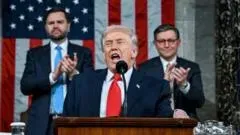
The State of the Union address represents a pivotal moment for any sitting president, and Donald Trump’s recent speech was no exception. With an air of defiance, he asserted his vision for America amid looming midterm elections, aiming to galvanize support through references to American patriotism and national achievements. Trump’s address, characterized by a mix of bravado and contentious rhetoric, seemed tailored to rally his base while simultaneously taking subtle jabs at opposition. As he highlighted various successes, he also attempted to pivot from declining approval ratings, effectively presenting his political agenda to millions of viewers. This analysis dives into the strategic nuances of his State of the Union address and its implications for the future of political speeches in America.
The annual congressional event commonly known as the State of the Union serves as a significant platform for presidents to outline their political agendas and address national concerns. In his latest address, Donald Trump sought to frame his leadership in a way that resonated with themes of American pride and resilience. This public address, featuring a mix of applause from supporters and tension from adversaries, epitomizes the charged atmosphere of American politics as the nation gears up for the crucial midterm elections in 2023. With a focus on topics ranging from immigration to economic policy, the speech encapsulated the essence of contemporary political discourse in the United States. An in-depth analysis of the speech reveals not only the strategic messaging at play but also the broader implications for American democracy.
Trump’s State of the Union Speech: A Turnaround for America
In his recent State of the Union address, Donald Trump characterized the current era as a dramatic “turnaround for the ages”. This assertion comes at a time when dissatisfaction amongst the populace is palpable, with many Americans voicing concerns over various pressing issues, such as affordability and immigration. Despite the critics and low approval ratings that hover around 40 percent, Trump passionately invoked American values and achievements, attempting to rally support ahead of the critical midterm elections. His message emphasized patriotism, claiming that the nation is “back” and positioned as the world’s “hottest” country, aiming to instill a sense of pride and commitment among his loyal followers.
While Trump’s speech was packed with highlights designed to engage viewers—such as the recognition of military heroes and Olympic athletes—it lacked substantial new policy proposals. The event served more as a platform for marketing his presidency rather than a strategic outline for future governance. This approach, reminiscent of his style from his days on reality television, seems aimed primarily at energizing his base. Yet, the challenge remains: will these grand proclamations translate into the support he needs during the upcoming midterm elections?
The tone and theatricality of Trump’s address hark back to his past as a showman, using his charisma to delve into the good fortunes he credits to his administration. The speech did not merely recount achievements; it served as his bid to secure a stronger foothold for upcoming political battles. Emphasizing America’s economic recoveries, such as lower gas prices and rising incomes, Trump sought to project a narrative that contradicts the dissatisfaction many feel regarding the current state of the nation. The overall lack of new policies discussed, aside from some financial incentives, reflects the political risk he’s willing to take amidst a turbulent landscape where many voters are yearning for tangible and immediate solutions.
Analyzing Trump’s Political Messaging Strategies
Trump’s speech was crafted as an intricate blend of nostalgia for American greatness and a fierce denunciation of his opponents. By invoking themes of patriotism and highlighting American achievement—both historical and contemporary—Trump aims to connect deeply with Americans’ emotions, particularly in the lead-up to midterm elections. His strategic use of imagery, from the U.S. Olympic hockey team to military heroism, serves not only to captivate audiences but to reinforce his narrative of a united America, standing strong against external and internal adversaries. This combination of direct appeals to national pride and combative rhetoric against political rivals is a continuity that has marked his political speeches since his campaign’s inception.
Moreover, the politically charged atmosphere during the address illustrates how Trump leverages his supporters’ passionate response to galvanize them for electoral purposes. The cheers from Republican attendees contrasted with the muted reactions from Democrats on issues like immigration and tariffs, reinforcing partisan divisions. This carefully curated environment seeks to transmit a message of strength and resolve, portraying Trump as the protector of American values. This approach highlights his reliance on emotional and patriotic appeals over detailed policy discussions, a trend that resonates with many of his core supporters and could play a pivotal role in the upcoming elections.
The juxtaposition of triumphalism with stark realities sets a complicated backdrop for Trump’s ongoing political narrative. While the speech successfully evoked American patriotism, it also glossed over pressing challenges that many citizens face, such as economic inequality and social strife. Trump’s fixation on policies that cater to his base—while neglecting broader public concerns—reflects a strategy that prioritizes electoral victories over constructive discourse. The challenge of maintaining grassroots enthusiasm, amid rising discontent, positions Trump in a precarious spot as he heads towards midterm elections that could redefine his authority and approach going forward.
Critically, this presentation not only impacts Trump’s political future but also shapes the broader discourse within the Republican Party. The willingness to amplify a divisive rhetoric on immigration and trade can energize certain segments but risks alienating swing voters looking for more comprehensive solutions to national issues. As Trump continues to maneuver through a complex political landscape, the effectiveness of his messaging strategies, especially regarding substantive policy, will be tested when it counts most—in the ballot box.
The Role of Immigration in Trump’s Political Narrative
Immigration has long been a cornerstone of Trump’s political messaging, and his recent State of the Union address was no exception. By framing immigration issues around the idea of danger posed by undocumented migrants, Trump sought to rekindle his earlier stance that brought him electoral success in the past. His emphatic statement that “the only thing standing between Americans and a wide-open border right now is Donald J. Trump” plays to the fears and anxieties many Americans harbor regarding security and safety. This focus on border security not only serves to galvanize his base but also reflects a persistent issue within American politics that candidates must navigate carefully as they seek broader support.
However, this ongoing emphasis on strict immigration enforcement diverges from what many citizens currently seek: comprehensive reform and humane solutions. Trump’s unwillingness to acknowledge the tragic outcomes of his past policies—including tragic incidents involving federal enforcement actions—illustrates the ethical dilemmas inherent in his approach. Such tendencies risk not only his standing among minority voters but also challenge the narrative he aims to promote as both a protector and a unifier. As seen with mixed reactions during the State of the Union, immigration remains a highly polarizing issue, posing significant implications for his future electoral strategies.
While Trump continues to push for stringent immigration policies, there are signs that the public’s sentiment may be shifting towards more balanced approaches. Many Americans express the desire for a system that addresses the root causes of migration while ensuring national security—a challenging balance to achieve. Trump’s speech displayed a stark divide between rhetoric and the need for compassionate solutions that address the complexities of the immigration system. As he advocates a narrative built on security, it remains to be seen if this will resonate positively with a broader audience or further entrench the divide among voters as they approach the midterm elections.
Trump’s Economic Claims: Reality vs. Rhetoric
In his State of the Union address, Donald Trump painted a picture of a robust economic revival under his leadership, citing achievements such as a booming stock market and rising incomes. By declaring that “we are doing really well” and presenting statistics that reflect improvements, Trump seeks to bolster his administration’s favorable narrative, especially amidst a backdrop of economic concerns that many Americans face. The claim that the U.S. has become the “hottest” country in the world serves to solidify this narrative and resonate with those who place a premium on economic prosperity and national pride.
Nevertheless, an analysis of the accuracy behind these claims presents a more complicated view. While certain economic indicators may suggest progress, many individuals still face challenges related to affordability and economic stability. The contrast between Trump’s optimistic rhetoric and the lived realities of numerous Americans raises questions about the effectiveness of his message. By focusing on high-level statistics without granulating the issues many families face, Trump risks alienating voters who seek tangible results from their government.
Furthermore, Trump’s proposals for new initiatives—like retirement savings accounts and commitments from AI companies—were presented alongside familiar policies that may not resonate strongly for a populace concerned about immediate economic pressures. The stark difference between his proclamations of success and the unresolved economic challenges forms an essential backdrop as Trump navigates the upcoming midterm elections. This aspect of his address indicates a political strategy that banks on the hope that sentiments regarding economic revival will outmatch public skepticism regarding promises made and policies revealed.
The Legacy of Political Speeches: Trump’s Unique Style
Trump’s political speeches, including his recent State of the Union address, have garnered attention for their unique style, characterized by an unfiltered approach and a blend of personal charisma and populist rhetoric. His sessions often come alive with his distinctive mannerisms, spontaneous remarks, and theatrical moments that are better suited for a television stage than a formal political setting. Such an approach serves not only to engage his base but to create a media spectacle that amplifies his messages well beyond the legislative chamber, thus reinforcing the theatrical aspects of modern political communication.
This dynamic also highlights a broader evolution in political speech-making, where traditional norms and formalities are replaced by a more direct, confrontational style. Trump’s ability to connect on a visceral level through this style may energize his supporters, but it also establishes a challenging precedent for future politicians. As Trump’s address showcased the power of performance in politics, it raises questions about the implications for political discourse. Will this trend towards dramatization and entertainment overshadow the substantive discussions that are critical for addressing the complex issues Americans face? As his speech showcased, the boundary between performance and policy often blurs, affecting the overall narrative of political engagements.
Midterm Elections 2023: A Political Foregrounding
As the United States approaches the midterm elections in 2023, Donald Trump’s State of the Union address serves not only as a reflection of his administration’s achievements but as a calculated move to solidify his base and energize support ahead of crucial contests. The backdrop of political dissatisfaction and voter discontent creates a challenging environment for Trump, who must transform his narrative from mere rhetoric to actionable support among constituents. His address underscores the pressing need for leaders to navigate the intersection of public sentiment and political reality in order to secure electoral victories.
Trump’s tendency to champion his accomplishments while sidelining significant issues that plague many Americans further complicates his path forward. The midterms present an opportunity for reflection among voters, shaping the entire political landscape for the years to come. As Trump doubles down on his messages of patriotism and economic revival, the question remains whether these narratives will resonate positively or lead to a backlash that could redefine Republican strategies moving forward. The results of these elections are poised to be a critical litmus test for Trump’s political legacy and the future direction of the party.
American Patriotism: Themes in Trump’s Address
Throughout his State of the Union address, themes of American patriotism played a central role in shaping Trump’s messaging. At a time of polarized sentiments within the nation, the president sought to rally his supporters around a shared sense of national pride and accomplishment. By invoking images of military heroes and honoring American athletes, Trump attempted to foster a narrative that highlighted the greatness of the nation and its people. This framing not only aims to unify his followers but strategically positions him against perceived threats, thereby cultivating a sense of urgency and importance around his leadership.
However, the concept of patriotism as presented in Trump’s speech needs to be examined within the broader context of divisive politics. While moments of celebrating the nation’s achievements might resonate with his base, many Americans feel disconnected from such displays—seeking a more inclusive definition of patriotism that encompasses all aspects of the American experience. Thus, Trump’s portrayal of patriotism, while effectively rallying support, also highlights the challenges of reconciling differing views on what it genuinely means to love one’s country in the face of ongoing struggles and disenfranchisement.
The Implications of Military References in Political Rhetoric
Trump’s references to military heroes during his State of the Union address are emblematic of a broader strategy to tie national pride to military valor. By spotlighting individuals like the 100-year-old World War II veteran, he effectively invokes the sacrifices made by service members as emblematic of American strength and resilience. This tactic not only resonates with audiences who value military service but also fosters a narrative that positions Trump as a protector of traditional American values through a lens of heroism, coherence, and unity.
However, such patriotic displays in speeches must be weighed against the realities of contemporary military engagements and the complex perceptions surrounding them. By emphasizing the valor of select individuals, the speech can obscure the challenges soldiers face upon their return home or the moral complexities of current military policies. Balancing national pride in the armed forces with a realistic discourse on the military’s role in society remains crucial for politicians aiming to uphold the integrity of both American respect for military sacrifice and the needs of veterans and their families.
Frequently Asked Questions
What are the key highlights from Trump’s State of the Union address in 2023?
Trump’s 2023 State of the Union address emphasized themes of American patriotism and national achievements. He celebrated a strong economy, citing lower gas prices and reduced undocumented immigration. The speech featured theatrical moments, honoring military heroes, and promoting his leadership as vital in a challenging political climate.
How did Trump’s State of the Union address address the upcoming midterm elections?
Trump’s State of the Union address strategically targeted his loyal base with rhetoric aimed at rallying support ahead of the 2023 midterm elections. He projected confidence in American success while taunting political adversaries, hoping to sway undecided voters by emphasizing achievements under his administration.
What was the public response to Trump’s State of the Union analysis?
Public response to Trump’s State of the Union analysis has been mixed. While he attempted to showcase a turnaround for the nation, polls indicate that public satisfaction remains low. Critics argue he failed to address pressing concerns, while supporters appreciated his patriotic messaging and assertiveness on issues like immigration.
In what ways did Trump invoke American patriotism during his State of the Union speech?
Trump invoked American patriotism throughout his State of the Union speech by highlighting national achievements, honoring military veterans, and framing his policies as protective of American values and citizens. These elements aimed to inspire pride and solidarity among his supporters amidst political challenges.
What new policies did Trump propose during his State of the Union address?
During his State of the Union address, Trump proposed new retirement savings accounts for working-class Americans and a partnership with AI companies to manage electricity costs. He reiterated older proposals, including healthcare reforms for direct payments to Americans and stricter immigration laws, without introducing sweeping new initiatives.
How did Trump’s speech address immigration issues, and what was the reaction?
Trump’s State of the Union speech focused heavily on immigration, emphasizing the threat of undocumented migrants and calling for strict enforcement. The reaction was polarized, with Republicans applauding his tough stance while Democrats expressed discontent, reflecting the deep divides on this contentious issue.
What theatrical elements did Trump’s State of the Union address include?
Trump’s State of the Union address incorporated theatrical elements, including the welcoming of Olympic gold medalists and honors bestowed on military heroes. These moments, designed for maximum visual impact, contributed to the overall patriotic tone and aimed to engage viewers emotionally.
What challenges does Trump face following his State of the Union address?
Following his State of the Union address, Trump faces challenges including low public approval ratings and a public perception that he needs to address more pressing national concerns. As the midterm elections approach, his ability to connect with undecided voters remains crucial for maintaining Republican support.
How did Trump’s State of the Union address compare to previous political speeches?
Trump’s State of the Union address differed from previous political speeches by employing aggressive rhetoric and patriotic themes aimed at energizing his base. Unlike traditional addresses that often emphasize bipartisanship, his speech aimed to draw stark lines between his policies and those of his opponents, particularly in light of the upcoming midterm elections.
| Key Point | Details |
|---|---|
| Address Tone | Combative with a focus on American ‘turnaround’ and patriotic themes. |
| Audience Engagement | Welcomed Olympic heroes, military veterans, and enjoyed cheering crowds, especially Republicans. |
| Speech Length | The speech was lengthy but filled with moments to maintain engagement. |
| Main Claims | Claims about economic achievements, low gas prices, and reduced illegal immigration. |
| Policy Proposals | Few new policies; mostly reiterated past themes with some new retirement accounts and AI initiatives. |
| Tariffs and Immigration | Reaffirmed a strong stance on tariffs and immigration, despite mixed reactions. |
| Political Context | Approaching midterm elections, with challenges in public approval ratings. |
| Foreign Policy Focus | Minimal foreign policy discussion; emphasis on diplomacy regarding Iran. |
Summary
The State of the Union address delivered by Donald Trump showcased his approach towards galvanizing support ahead of the midterm elections. Despite a backdrop of low approval ratings and public dissatisfaction, Trump emphasized a narrative of American resurgence, reaching out to his base with familiar rhetoric and a strong patriotic tone. This address served not only as a reflection of his administration’s priorities but also as a strategic move to sway undecided voters by portraying optimism about the country’s direction, thus initiating a critical dialogue around the upcoming electoral challenges.