
Listen to this article
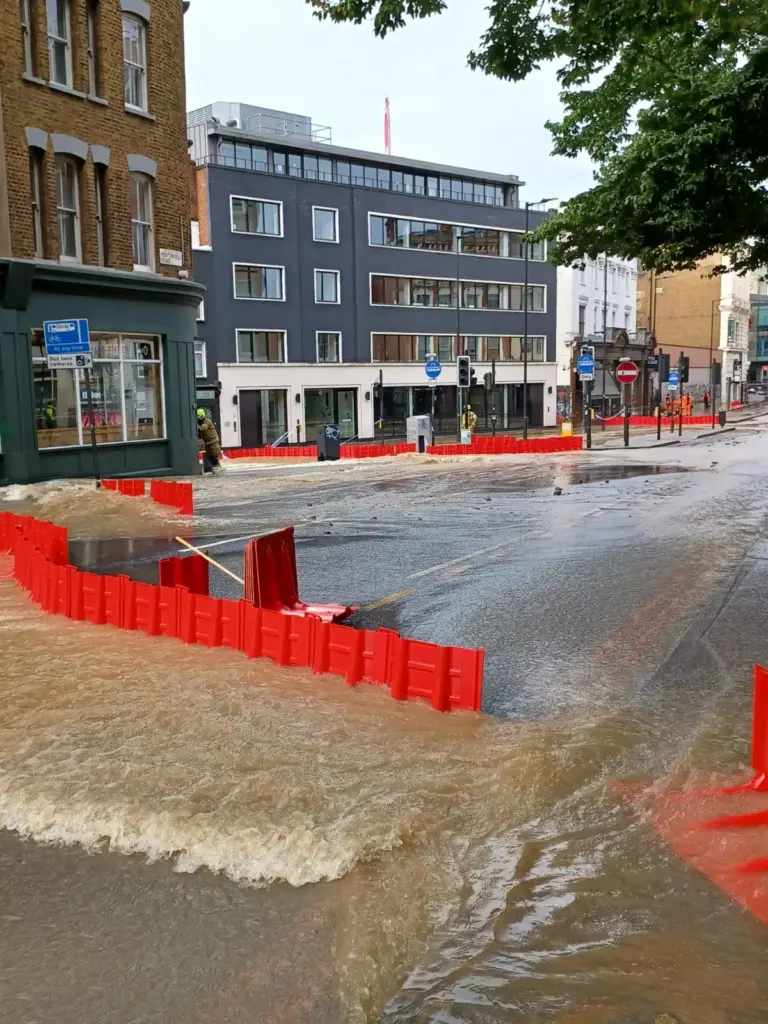
A significant incident unfolded recently with a burst water main in Islington, leading to severe flooding that affected local roads. The London Fire Brigade promptly responded to the crisis, with six fire engines and around 40 firefighters working diligently to mitigate the impact of the water main break. Reports indicate that flooding extended notably between Caledonian Road and Twyford Street, reaching the junction of Thornhill Bridge Wharf. Thames Water’s response was swift, with engineers isolating the damaged section of the pipe shortly after it ruptured. This situation has been extensively covered in Islington flooding news, highlighting the community’s resilient efforts to recover from this disruption.
In the heart of north London, a major disruption occurred due to a ruptured water supply line, resulting in extensive waterlogging in Islington. As local authorities grappled with the flooding, various emergency teams, including the London Fire Brigade and Thames Water engineers, were deployed to address the situation. The incident, described as a water main failure, not only caused traffic delays but also prompted residents to seek alternative routes, particularly around the flooded Caledonian Road area. Residents were reassured by ongoing efforts to manage the fallout, with support from relief centers being set up for those displaced. This unfortunate event underscores the importance of rapid response teams and effective infrastructure management in urban settings.
Impact of the Burst Water Main on Islington Residents
The burst water main in Islington has not only caused significant flooding but also disrupted the daily lives of residents. As emergency services, including six fire engines and around 40 firefighters from the London Fire Brigade, rushed to the scene, many locals found themselves stranded or facing severe delays in their routines. The flooding, particularly pronounced between Caledonian Road and Twyford Street, forced authorities to establish a respite center at the Islington Tennis Centre, highlighting the urgency of the situation as they aimed to provide support to affected community members.
Residents in the vicinity have expressed frustration over the disruption caused by the burst water main. In addition to impacting travel and accessibility, many have voiced concerns about potential damages to their properties. The response from Thames Water has been swift, with engineers isolating the affected section, but the ongoing issues with low water pressure for some areas continue to exacerbate the difficulties faced by residents. The local council has remained proactive in supporting the community and ensuring that the situation is managed effectively.
Thames Water’s Response to the Islington Flooding Incident
In response to the flooding caused by the burst water main, Thames Water has taken decisive action to mitigate the situation. The water company dispatched engineers shortly after the incident was reported, successfully isolating the damaged section of the pipe to stabilize the network. This prompt response has allowed for the gradual restoration of water supply to much of the affected area, although some customers in specific postcode regions are still experiencing issues. Thames Water’s commitment to resolving the damage quickly is crucial in regaining the trust of the Islington community.
Moreover, a spokesperson from Thames Water acknowledged the challenges that residents face due to the flooding and continues to emphasize their efforts in providing assistance. They assured that customer representatives are on the way to support those directly impacted. Ongoing assessments of the damage will inform the necessary repairs, and residents are reassured that their concerns are being taken seriously. Managing the aftermath effectively is key to ensuring that disruptions and inconveniences are minimized in the future.
Role of the London Fire Brigade During the Flooding Crisis
The London Fire Brigade (LFB) played a critical role in addressing the flooding crisis that ensued from the burst water main in Islington. Responding promptly with six fire engines and specialized teams, including rescue units equipped with inflatable boats and flood kits, the LFB demonstrated its capability in managing emergencies of this nature. Their quick arrival at approximately 14:45 GMT not only minimized property damage but also ensured the safety of residents in the flooded areas.
As the situation evolved throughout the early evening, the LFB’s efforts were pivotal in coordinating with Thames Water and local authorities to navigate the flooding challenges. Their expertise included assessing the water levels and assisting in the evacuation and safeguarding of residents. While the floodwaters began to recede post-incident, the strategic response showcased the dedication of emergency services in London, reinforcing community safety and resilience during unforeseen events.
Community Support Initiatives in the Aftermath
After the burst water main incident in Islington, community support has emerged as a focal point in addressing the needs of those affected by the flooding. Islington Council leader Una O’Halloran has expressed strong empathy for local residents and businesses, emphasizing the importance of community support during such disruptions. Initiatives, such as establishing a respite center at the Islington Tennis Centre, reflect the council’s commitment to providing immediate help to those in distress.
Furthermore, local volunteers and community organizations have rallied to assist affected families, offering everything from shelter to emotional support. The collaboration between emergency services, Thames Water, and local councils exemplifies a collective effort to ease the burden on residents. Ensuring that the community remains informed and supported during recovery highlights the resilience of Islington in facing challenges together.
Preventative Measures Against Future Flooding
In light of the burst water main incident in Islington, there is an urgent call for preventative measures to minimize the risk of future flooding. Experts suggest that regular maintenance and monitoring of water infrastructure, especially in older areas of London, is essential to prevent similar incidents. This involves not only Thames Water implementing rigorous checks on aging pipelines but also investing in modern technology to detect potential leaks before they escalate.
Moreover, local authorities, in collaboration with Thames Water, should also establish comprehensive drainage improvement plans. Implementing sustainable urban drainage systems could enhance the resilience of Islington’s infrastructure against heavy rain and flood events. By proactively addressing these infrastructure concerns, Islington can not only protect its residents but also improve the overall quality of life in the area.
The Economic Impact of Flooding on Islington Businesses
The economic ramifications of the burst water main in Islington have been significant, particularly for local businesses. Flooding has hindered access to shops and services along Caledonian Road and surrounding streets, leading to decreased foot traffic and potential financial losses. Many business owners are understandably concerned about the long-term effects of this incident on trade, especially as the community works toward recovery.
In response, local leaders are urging Thames Water and other authorities to expedite repairs and restore normalcy to the area. Initiatives to support affected businesses are crucial, such as temporary financial aid or promotional campaigns to encourage residents and visitors to return to the area post-crisis. The united efforts of the community, alongside proactive measures from local leadership, will be key in revitalizing the local economy following this disruptive event.
Public Safety Measures Implemented During the Incident
Ensuring public safety during the burst water main incident was paramount for both the London Fire Brigade and Thames Water. As floodwaters began to rise, immediate risks were evaluated, leading to the deployment of rescue units and the establishment of safe zones for residents. The effective communication of safety information was crucial in keeping the public informed about potential hazards and avoiding unnecessary dangers.
Public safety measures also included road closures to prevent accidents and ensuring that emergency services could navigate through the flooding without additional obstacles. The collaborative response from multiple agencies highlighted the importance of a well-coordinated emergency response strategy. Such preparedness not only enhances safety during incidents like this but also fosters community trust in local authorities.
The Role of Emergency Services in Crisis Management
Crisis management is a critical responsibility for various emergency service agencies, as demonstrated during the burst water main incident in Islington. The collaborative response from the London Fire Brigade, Thames Water, and local authorities exemplified the importance of coordinated action during emergencies. Each agency played a vital role in ensuring public safety, addressing immediate challenges, and implementing a recovery plan that would benefit affected residents and businesses.
As central figures in emergency management, agencies must continuously improve their response strategies through training and resource allocation. The Islington incident underscores the need for effective communication between services and the community to enhance preparedness for future crises. By learning from experiences such as this, agencies can better safeguard residents and mitigate the impact of similar incidents in the future.
Long-Term Infrastructure Improvements Needed in Islington
Following the burst water main event in Islington, the need for long-term infrastructure improvements has become evident. Many pipes in the area are aged and susceptible to breaks, raising concerns among residents about the reliability of local water services. Stakeholders, including Thames Water and Islington Council, must prioritize initiatives that replace outdated infrastructure to prevent future emergencies and enhance community resilience.
Moreover, investments should not only focus on pipe replacement but also on incorporating modern technology that allows for real-time monitoring of water systems. This proactive approach can lead to timely interventions and significantly reduce the risk of flooding incidents. Long-term infrastructure planning will ultimately enhance the quality of life for Islington residents and ensure a more robust framework for managing water supply challenges in the future.
Frequently Asked Questions
What caused the recent flooding in Islington due to a burst water main?
The flooding in Islington was caused by a burst water main, specifically a ruptured 30-inch (76 cm) pipe. The incident affected the area between Caledonian Road and Twyford Street, leading to significant disruptions.
What is Thames Water doing about the burst water main in Islington?
Thames Water has dispatched engineers to address the burst water main in Islington. They successfully isolated the damaged section and are currently working to restore water supply to affected residents while planning necessary repairs.
Which areas in Islington are affected by the water main break?
The water main break has primarily affected residents in the N1, N7, WC1X, and EC1R postcodes. These customers may experience low water pressure or intermittent supply as repairs are being conducted.
How is the London Fire Brigade responding to the flooding in Islington?
The London Fire Brigade (LFB) has responded to the flooding caused by the burst water main with six fire engines and approximately 40 firefighters. They utilized specialized units, including inflatable boats and flood kits, to manage the situation.
Is there support for residents impacted by the Islington flooding?
Yes, a respite center has been established at Islington Tennis Centre for residents affected by the flooding. Thames Water has also sent customer representatives to assist those impacted by the burst water main.
What should drivers know about the Islington flooding incident?
Drivers are advised to avoid the area affected by the flooding from the burst water main in Islington, particularly between Caledonian Road and Twyford Street, to minimize traffic disruptions and ensure safety.
What statement did Islington Council leader Una O’Halloran make regarding the burst water main?
Islington Council leader Una O’Halloran expressed understanding for the disruption caused by the burst water main in Islington, stating that local residents should not have to deal with such levels of inconvenience, and emphasized that the council is working with Thames Water to resolve the situation.
How long did the London Fire Brigade respond to the flooding from the water main break?
The London Fire Brigade responded to the flooding caused by the burst water main in Islington from approximately 14:45 GMT until shortly after 18:40.
What impact does the burst water main have on water supply in Islington?
The burst water main has led to low pressure or intermittent water supply for some residents in Islington as Thames Water works on isolating the damaged pipe and restoring services to the affected areas.
What updates can residents expect from Thames Water regarding the Islington flooding?
Residents can expect updates from Thames Water regarding the restoration of their water supply and information on the ongoing repairs to the damaged pipe after the burst water main incident in Islington.
| Key Points |
|---|
| A burst 30-inch water main has caused significant flooding in Islington, North London. |
| The incident occurred between Caledonian Road and Twyford Street, impacting local roads. |
| The London Fire Brigade deployed six fire engines and about 40 firefighters to manage the situation. |
| Thames Water is working on stabilizing the network and restoring the water supply to affected areas. |
| Some residents in affected postcodes (N1, N7, WC1X, EC1R) may experience low pressure or intermittent supply. |
| A respite center has been established for residents at Islington Tennis Centre. |
| Islington Council’s leader expressed sympathy for those affected and stressed the need for fast action from Thames Water. |
| Emergency services are using inflatable boats and flood kits to handle the flooding situation. |
Summary
Burst Water Main Islington has caused severe disruptions for local residents and commuters. The rupture of a significant water main led to extensive flooding, prompting a rapid response from emergency services. Thames Water has acknowledged the situation and is actively working to stabilize the water supply and assist affected customers. While efforts are underway to restore normalcy, residents are encouraged to avoid the impacted areas. The local council is also offering support to those displaced by the flooding. This incident highlights the ongoing challenges faced by infrastructure in urban areas.