Listen to this article
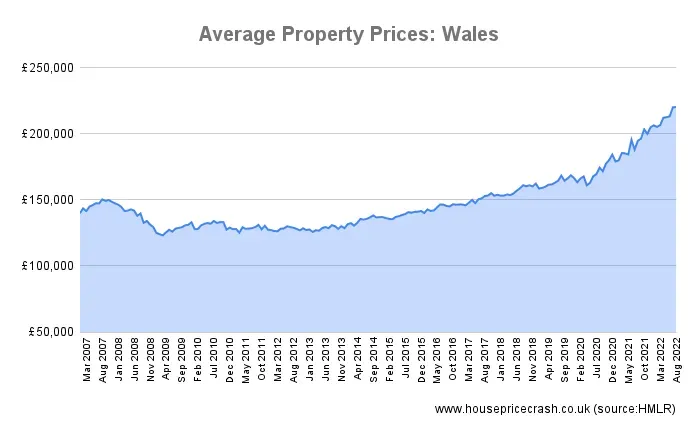
House prices in Wales have witnessed a remarkable surge, outpacing the UK average amid shifting demand dynamics. In the last year, some areas, notably Blaenau Gwent and Anglesey, recorded increases as high as 7%, signaling a robust Wales property market that appeals to both new buyers and investors. This growth reflects a broader trend in house price trends in Wales, where affordable housing options continue to draw attention, even in the face of elevated mortgage rates. Compared to the overall property prices comparison UK, Wales remains a beacon of relative affordability, making it an attractive destination for those seeking value in their real estate investments. As economic conditions evolve, the question remains: how will these trends shape the future landscape of housing in this beautiful region?
In recent times, the real estate sector in Wales has become a focal point of interest for potential homebuyers and investors alike. The changing landscape of property values and availability of affordable housing has sparked discussions about the viability of homeownership in the region. With various communities experiencing fluctuations in property costs, understanding the overall market dynamics is essential. As individuals explore housing options, they are increasingly comparing Wales with other markets across the UK, leading to a surge in inquiries and interest. The ongoing changes highlight the unique characteristics of the housing landscape in Wales, which continues to evolve and adapt to both local and national influences.
Current Trends in House Prices in Wales
House prices in Wales have shown a marked increase that outstrips the UK average, with certain regions experiencing rises of up to 7%. This notable trend reflects a growing interest in more affordable areas within the housing market of Wales, particularly in towns such as Blaenau Gwent and Anglesey. Despite the adverse effects of rising mortgage rates and economic challenges, buyers are increasingly drawn to the relatively lower property prices offered in these regions, making them attractive options for those seeking value.
The average house price reached £215,000 in December 2025, indicating a 5.0% increase from previous figures, which demonstrates a sustained positive momentum in the Wales property market. However, discrepancies exist within local authorities; while Blaenau Gwent and Anglesey saw impressive gains, areas like Ceredigion and Merthyr Tydfil faced price declines. This variability within the Wales real estate scene emphasizes the importance of locality in property investment decisions.
Comparing House Prices Across Wales and the UK
Analyzing property prices comparison in the UK reveals distinct patterns with Wales emerging as a frontrunner due to its affordable housing options. Lower house prices relative to earnings mean that many buyers in Wales can venture into homeownership without the extreme financial pressure faced by those in pricier regions of England. This affordability has spurred a notable interest in Welsh properties, as seen by the influx of buyers from cities such as Cardiff and Bristol, who seek to find better deals amidst rising costs elsewhere.
The property prices comparison also highlights regions that have seen contrasting trends within Wales itself. While some areas display robust growth, others have faltered, particularly popular coastal destinations that had previously soared in value. For instance, Ceredigion and Pembrokeshire have faced price drops since the pandemic peak, suggesting that while the overall trend in Wales may be upward, certain market segments require close monitoring. Buyers and investors alike should remain informed about these fluctuations to navigate the current landscape effectively.
The dynamics of the house pricing landscape are complex, influenced by various local factors impacting desirability and affordability in Wales. Individuals considering entering the market must benchmark these trends against their personal financial situations and broader economic indicators.
Experts predict that Wales will continue to outperform the UK average in terms of house prices thanks to a combination of steady wage growth and an improving economic climate. As remote work becomes more commonplace, many are drawn to the attractive real estate opportunities available across Wales, creating a competitive market that retains ongoing interest from both local and outside buyers.
Challenges of Homeownership in Wales
While the increase in house prices in Wales signals a thriving property market, it also brings challenges for prospective homebuyers. Many first-time buyers face daunting monthly mortgage payments that often exceed their financial comfort, exacerbated by additional costs such as council tax and utilities. The experience of individuals like Sam Cartwright, who expresses the difficulty of balancing a reasonable mortgage with the other expenses of homeownership, exemplifies this concern. The perception of owning a home as an unattainable goal due to high living costs is becoming increasingly common among younger generations.
Furthermore, the narrative around relative affordability in Wales, as noted by experts like Dan Hill from Savills, suggests that while Wales offers better property price metrics compared to many regions in England, the reality of affording a home remains a challenge. Individuals navigating this landscape are often met with the dilemma of finding a balance between aspiration and reality, prompting discussions about wage growth and housing price moderation. Addressing these issues is crucial to ensure that the promise of homeownership does not remain elusive for future generations.
Future Prospects of the Welsh Property Market
Looking ahead, the outlook for the property market in Wales appears optimistic. Experts forecast that, buoyed by a gradually recovering economy and the potential for interest rate reductions, house prices in Wales are poised to continue their upward trajectory. This growth, driven by an increasing number of buyers searching for more economical living options, highlights the resilience of the Welsh housing market amidst national fluctuations.
Additionally, investment in infrastructure and amenities is expected to play a significant role in bolstering the value of properties across Wales. As towns and cities improve their accessibility and services, the appeal of buying properties in these areas will likely increase, attracting both local and out-of-state buyers. The adaptability of the Wales property market may set it apart from other regions, creating a fertile ground for future real estate opportunities, both for investors and homebuyers.
The Impact of Remote Work on Housing Demand in Wales
The shift towards remote work has fundamentally altered the housing landscape in Wales, resulting in increased demand for properties outside urban centers. This trend has been particularly advantageous for areas previously deemed too affordable or overlooked, which have now seen an influx of interest from buyers seeking larger spaces and a better quality of life. With many workers opting for flexibility over traditional commuting, regions such as Blaenau Gwent and Anglesey have become attractive destinations, offering more competitive house prices and a family-friendly environment.
This transformation in housing demand also affects the overall market dynamics, as it drives up competition for homes in desirable areas. As people flee congested urban areas in search of more space, housing supply may struggle to keep up with this rapidly changing demand. This scenario further emphasizes the need for strategic planning and development in the Welsh property sector to accommodate the changing preferences of buyers now prioritizing affordability and lifestyle over proximity to city centers.
Understanding Affordable Housing in Wales
Affordable housing remains a critical issue within the context of the Welsh property market. With some areas witnessing a significant increase in house prices, the gap between income and homeownership has widened, making it challenging for many to access housing. Programs aimed at bolstering affordable housing options are essential to prevent a growing divide in who can afford to live in desirable areas within Wales.
Key initiatives and policies targeting affordable housing development are crucial for fostering accessibility in the housing market. Potential solutions could involve increasing the availability of lower-cost housing options or incentivizing developers to focus on affordable projects. By addressing these challenges, stakeholders can help ensure that homeownership remains attainable for individuals across various income brackets, contributing to a more balanced and inclusive property market in Wales.
Investment Opportunities in Welsh Real Estate
With the ongoing developments in the Wales property market, now is an opportune time for investors looking to capitalize on emerging opportunities. As areas like Blaenau Gwent show promising growth, property investment in Wales has the potential for significant returns. Investors who understand local demographics and market trends can identify promising neighborhoods that are likely to appreciate in value as demand continues to rise.
Moreover, as economic conditions stabilize and overall demand for housing increases, the attractiveness of Welsh real estate will bolster its investment appeal. The relatively lower property prices compared to the overall UK market present a unique opportunity for investors to enter the market at a lower cost, establishing a foothold before higher valuation periods. Positioning oneself now could yield substantial benefits in the years to come.
Navigating the Rental Market in Wales
Alongside homeownership, the rental market in Wales presents its own set of challenges and opportunities. As affordability issues impact buyers, many are gravitating toward rental solutions, which have also evolved in response to changing demands. Increased migration to Welsh towns leads to a rising number of tenants seeking suitable rental properties, creating competitive conditions for landlords and investors.
For prospective landlords, understanding the balance between providing affordable options while ensuring profitability is crucial. As rental demand continues to grow, maintaining high standards and considering long-term rental strategies can secure sustainable income in the evolving Welsh market. The rental sector’s dynamics will play a significant role in shaping the overall property landscape in Wales as it adapts to shifting economic factors and consumer preferences.
Real Estate Trends Influencing Buyers in Wales
Current real estate trends are profoundly influencing buyer behavior in Wales. The rise of remote work, together with growing demand for affordable housing, reshapes what potential buyers prioritize when searching for properties. Many are no longer solely focused on location but are actively seeking areas that offer a balance of affordability, quality of life, and access to nature, as seen in suburbs and rural areas within Wales.
Moreover, these trends reflect a broader societal shift toward valuing well-being and livability alongside financial investment. This evolution within the Wales property market suggests that as buyers begin to adjust their expectations and preferences, the real estate market must evolve to accommodate these changes. Understanding these emerging buyer motivations will be key for stakeholders looking to successfully adapt to the landscape of the Welsh real estate market.
Frequently Asked Questions
What are the current house prices in Wales?
As of December 2025, the average house price in Wales is £215,000, representing a 5.0% increase from the previous year. This growth indicates that the Wales property market continues to thrive, with certain areas like Blaenau Gwent and Anglesey seeing price increases of up to 7%.
How do house price trends in Wales compare to the UK average?
House price trends in Wales have outpaced the UK average, with significant increases in various regions. While the UK as a whole has faced fluctuations due to economic factors, Wales has shown resilience, particularly in more affordable areas that attract buyers seeking value in the Wales real estate market.
What areas in Wales are seeing the largest increases in house prices?
Blaenau Gwent and Anglesey have recorded some of the largest annual increases, with house prices rising by approximately 7% and 7.2%, respectively. This shows how certain areas in the Wales property market are becoming increasingly desirable.
Are there affordable housing options in Wales?
Yes, despite rising house prices overall, there are still affordable housing options in Wales. Many buyers are drawn to regions that offer lower property prices relative to earnings, making homeownership more attainable in the Wales real estate market.
Which regions in Wales have experienced a decrease in house prices?
Regions like Ceredigion and Merthyr Tydfil have seen slight declines in house prices, with drops of 4.1% and 4.4% respectively. These trends indicate that not all areas are experiencing growth, suggesting a more nuanced landscape within the Wales property market.
What factors are driving house prices in Wales?
House prices in Wales are driven by various factors, including relative affordability compared to earnings, the influx of buyers from more expensive regions, and economic developments. As more people seek value in the Wales real estate market, prices are likely to continue increasing.
How have economic conditions affected house prices in Wales?
Economic conditions, including higher mortgage rates and uncertainty, have influenced house prices in Wales. However, the relative affordability of the Wales property market has allowed it to outperform the UK average, attracting buyers even during challenging times.
Will house prices in Wales continue to rise in the future?
Experts predict that house prices in Wales will likely continue to rise, supported by a recovering economy and improving market conditions. As demand remains high in many areas, the Wales property market is set for ongoing growth.
How do house prices in Wales compare to other parts of the UK?
Compared to more expensive areas in England, house prices in Wales are relatively lower, which allows buyers to purchase property with fewer constraints. This affordability has positioned the Wales property market as a more attractive option for many prospective homeowners.
What challenges do first-time buyers face regarding house prices in Wales?
First-time buyers in Wales often struggle with high ongoing costs associated with homeownership, such as mortgage payments, council tax, and maintenance expenses. Although they may have enough for a deposit, these additional costs can make owning a home seem unaffordable.
| Key Points |
|---|
| House prices in Wales increased by 5% to an average of £215,000 in December 2025, outperforming the UK average. |
| Areas like Blaenau Gwent and Anglesey saw the highest increases of 7% and 7.2%, respectively. |
| In contrast, Ceredigion and Merthyr Tydfil experienced drops in average prices of 4.1% and 4.4%. |
| Despite rising prices, many potential buyers are deterred by high monthly mortgage payments and other ownership costs. |
| More buyers from expensive regions, like Cardiff and Bristol, are moving to Wales seeking better affordability. |
| Analysts noted that Wales offers relative affordability compared to earnings, contributing to its house price growth. |
| Coastal areas, such as Ceredigion and Pembrokeshire, defied the trend with price drops after a pandemic surge. |
| Future projections indicate that house prices in Wales will continue to rise, fueled by economic improvements and potential interest rate cuts. |
Summary
House prices in Wales have been rising faster than the UK average, indicating a significant trend in the real estate market. Areas like Blaenau Gwent and Anglesey are experiencing substantial increases, showcasing a shift towards affordability in the region. Despite challenges faced by first-time buyers coping with high monthly payments, the overall demand remains robust, especially from those relocating from pricier cities. As we look towards the future, the outlook for house prices in Wales suggests continued growth supported by a recovering economy, making it an attractive place for homebuyers.