Listen to this article
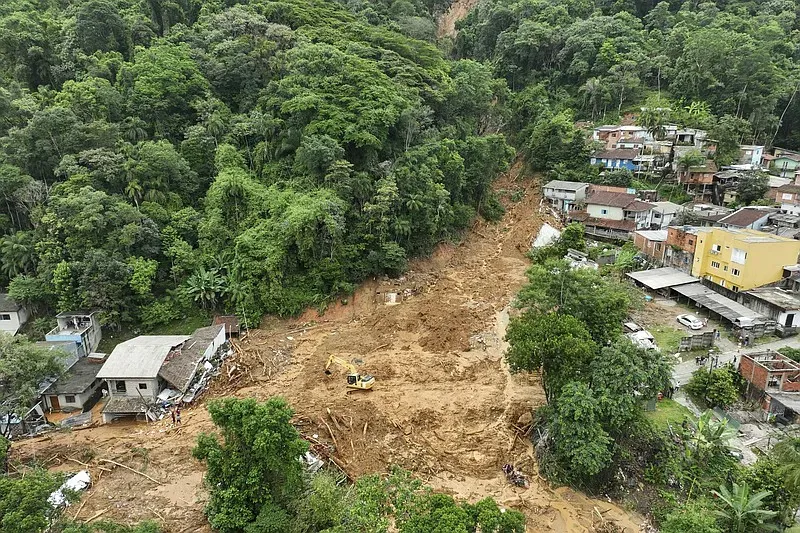
Floods and landslides in Brazil have recently resulted in devastating consequences, claiming at least 25 lives, with the city of Juiz de Fora being particularly hard-hit. This tragic event has highlighted the growing concern over extreme weather Brazil faces, especially during the summer months known for intense rainfall. The government has been mobilizing disaster response teams to provide much-needed assistance and humanitarian aid to the affected areas. As rescue operations continue, the environmental impact floods have on both communities and infrastructure is becoming increasingly apparent. News of Brazil floods has captured the attention of many, emphasizing the urgent need for sustainable practices to mitigate such disasters in the future.
The recent natural calamities in Brazil, characterized by torrential rains leading to catastrophic landslides and flooding, have raised urgent questions about the country’s preparedness for such disasters. With Juiz de Fora experiencing unprecedented rainfall, local authorities have struggled to manage the aftermath of these extreme weather events. Instances of environmental degradation, such as deforestation and urbanization, have contributed significantly to the frequency and severity of these occurrences. Community efforts are underway to provide support for those affected, as the tragic loss of life underscores the need for comprehensive disaster response strategies. As Brazil grapples with these challenges, it shines a light on the importance of resilient infrastructure and proactive measures to protect vulnerable populations.
Understanding the Impact of Floods and Landslides in Brazil
The recent surge of floods and landslides in Brazil has resulted in a devastating loss of life and property. The city of Juiz de Fora has been particularly affected, with reports indicating that at least 25 lives have been lost, including children. The torrential downpour witnessed this February has set records, being the rainiest month in the city’s recorded history. Such extreme weather events are increasingly common in Brazil, raising concerns about the frequency and intensity of natural disasters in the region, especially as climate change continues to exacerbate weather patterns.
In addition to the tragic loss of life, the environmental impacts of floods and landslides in Brazil are profound. The displacement of approximately 440 individuals due to these recent disasters highlights escalating humanitarian needs in affected areas. As emergency services and local authorities work tirelessly to locate missing persons and provide shelter, the implications for community resilience in the face of extreme rainfall are significant. Understanding the cascading effects of these events is crucial for disaster preparedness and response strategies moving forward.
Juiz de Fora: A Case Study of Vulnerability
Juiz de Fora, a city that has been heavily impacted by the recent floods and landslides, serves as a stark example of Brazil’s vulnerability to extreme weather. Mayor Margarida Salomão’s declaration of three days of mourning underscores the emotional and societal toll these disasters take on the community. The local government’s response, which includes providing temporary shelter and aid for displaced families, reflects the urgent need for comprehensive disaster management strategies in urban areas susceptible to such catastrophic events.
This incident in Juiz de Fora also raises critical questions about infrastructure and urban planning in Brazil. As the frequency of heavy rains increases due to climate change, cities must adapt by enhancing their drainage systems and land-use policies. Effective management can mitigate the risks associated with floods and landslides, reducing both fatalities and economic losses in the future. The implementation of sustainable practices and investing in resilient infrastructure are essential steps in addressing the challenges posed by extreme weather in Brazil.
The Role of Brazil’s Disaster Response
Brazil’s disaster response framework is currently being tested as emergency services mobilize to deal with the aftermath of devastating floods and landslides. As President Luiz Inácio Lula da Silva indicated, declaring a ‘state of calamity’ in affected regions allows the government to streamline assistance efforts. This includes providing humanitarian aid and initiating reconstruction efforts in Juiz de Fora and other impacted locales. Such immediate actions are necessary to stabilize communities and begin the long road to recovery.
However, a thorough evaluation of Brazil’s disaster response mechanisms is crucial. Ensuring effective communication, proper training for emergency personnel, and adequate resource allocation can significantly affect outcomes during such crises. Furthermore, collaboration with community organizations to facilitate the delivery of aid and support can enhance the effectiveness of these initiatives. Continuous assessments and adjustments to disaster response strategies are vital in building resilience to future extreme weather incidents.
Environmental Considerations of Floods in Brazil
The relationship between environmental degradation and the severity of floods and landslides in Brazil cannot be overlooked. Deforestation and urbanization have contributed to the inability of natural landscapes to absorb excessive rainfall. As marked by the latest events in Juiz de Fora, the combination of climate change and poor land management practices exacerbates the risks associated with extreme weather events. It is crucial to consider ecological sustainability in urban planning to minimize the environmental impact of floods.
Efforts towards reforestation and maintaining green spaces in urban areas can help mitigate future flooding risks. By restoring natural habitats, cities like Juiz de Fora can improve water absorption and reduce runoff during heavy rainfalls. Moreover, these environmental initiatives not only provide a buffer against flooding but also enhance biodiversity, improve air quality, and contribute to the overall well-being of residents. Addressing environmental concerns is not just about disaster response; it is an integral part of creating a sustainable future for Brazilian communities.
News Coverage of Floods in Brazil
The media plays a pivotal role in shaping public awareness and response to natural disasters, such as the recent floods and landslides in Brazil. Timely news coverage helps to inform the public about the severity of events and the ongoing rescue efforts, while also illustrating the personal stories of affected individuals and families. The tragic appeal from Valtencir Coutinho de Miranda in search of his daughter resonates deeply, highlighting the human aspect amidst the statistics of disaster.
Moreover, coverage of the government’s disaster response highlights the need for effective crisis communication to ensure that all community members receive necessary information. Continuous updates about rescue operations, available shelters, and support resources are essential in keeping the public informed and engaged during recovery efforts. As the situation unfolds in regions like Juiz de Fora, sustained media focus can drive engagement and encourage local and national support.
Historical Trends of Flooding in Brazil
Historically, Brazil has experienced cycles of flooding and landslides, particularly during the summer months when rainfall peaks. These trends necessitate a comprehensive understanding of seasonal weather patterns and the geographic areas most at risk. Over the years, frequency and intensity seem to be on the rise due to climate change, with previous incidents leading to significant fatalities and destruction. The impact of heavy rains, similar to those witnessed in Juiz de Fora this month, has led to calls for enhanced preventative measures and disaster preparedness.
Analyzing historical data on floods and their subsequent effects can guide future policy and infrastructure development. Implementing better early warning systems and community education initiatives can potentially save lives and reduce property damage during extreme weather events. As Brazil continues to confront increasing climatic challenges, learning from past experiences will be pivotal in mitigating risks associated with future floods and landslides.
Community Engagement in Flood Preparedness
The role of community engagement in flood preparedness cannot be overstated. Local communities must be actively involved in the planning and execution of disaster response strategies to ensure their needs are met and they know how to react during emergencies. Initiatives that foster community participation, such as disaster drills and educational programs, can enhance readiness and resilience when floods and landslides occur.
Furthermore, community-driven approaches empower individuals to take ownership of their safety. By organizing local relief efforts and establishing connections among residents, neighborhoods can respond more effectively during crises. In Juiz de Fora, local NGOs and community leaders can play a vital role in mobilizing resources and support for affected families, leading to a more coordinated disaster response that can alleviate suffering and facilitate recovery.
Preparedness and Mitigation Strategies for Future Floods
In light of the recent floods and landslides in Brazil, it is essential to adopt effective preparedness and mitigation strategies to safeguard communities. This includes investing in robust infrastructure designed to handle excessive rainfall, such as improved drainage systems and retention basins. Moreover, employing advanced weather forecasting technology can help provide timely alerts that allow communities to prepare for impending storms.
Public education campaigns also play a critical role in ensuring that residents understand the dangers of floods and landslides and know how to respond. Teaching community members about emergency procedures, evacuation routes, and assembling disaster kits can significantly enhance their resilience. Additionally, strengthening community ties can facilitate support networks that are crucial in the immediate aftermath of a disaster, making it easier for residents to recover.
The Role of Government in Disaster Management
The Brazilian government’s involvement in disaster management is vital during crises like the recent floods in Juiz de Fora. President Lula’s declaration of a ‘state of calamity’ allows for the mobilization of resources and coordination among various government agencies, ensuring an effective response. This decisive action is essential for providing immediate support to those affected by the disaster, including search and rescue operations and emergency aid distributions.
However, the government must also focus on long-term strategies for disaster risk reduction. Investing in research and development of climate-resilient infrastructure, promoting policies that address environmental degradation, and enhancing community preparedness efforts are all critical components of an effective disaster management framework. By taking a proactive approach, the Brazilian government can better protect its citizens and mitigate the impacts of future floods and landslides.
Frequently Asked Questions
What causes floods and landslides in Brazil?
Floods and landslides in Brazil are primarily caused by intense and prolonged rainfall, especially during the peak rainy season. Regions like Juiz de Fora experience extreme weather, leading to soil saturation, which increases the risk of landslides and flooding.
How has the Brazilian government responded to recent floods and landslides?
In response to the tragic floods and landslides that have affected regions like Juiz de Fora, the Brazilian government has declared a ‘state of calamity’ and mobilized resources for disaster response, including humanitarian assistance and infrastructure rebuilding.
What are the environmental impacts of floods in Brazil?
The environmental impacts of floods in Brazil include soil erosion, destruction of habitats, and pollution of water bodies. Extreme weather events, such as recent floods, exacerbate these issues, leading to long-term ecological consequences.
What safety measures can be taken to prevent floods and landslides in Brazil?
To mitigate floods and landslides in Brazil, measures such as improved drainage systems, reforestation, and urban planning that considers topography can be implemented. Additionally, community awareness and preparedness programs are critical for disaster risk reduction.
How can residents in affected areas prepare for floods and landslides?
Residents in areas prone to floods and landslides in Brazil should create an emergency plan, stay informed about weather alerts, and ensure they have access to emergency supplies like food, water, and medical kits. It is also essential to know evacuation routes and shelters.
What has been the impact of the flooding in Juiz de Fora?
The flooding in Juiz de Fora has resulted in at least 25 fatalities and has left around 440 individuals displaced. The local government is providing temporary shelters and calls for donations to aid those affected, highlighting the severe human toll of these disasters.
What are the predicted trends for extreme weather in Brazil?
Recent studies suggest that extreme weather events in Brazil, including intense rainfall leading to floods and landslides, are on the rise due to climate change. This trend poses an increasing risk for regions prone to these natural disasters.
How can the public assist areas affected by floods and landslides in Brazil?
The public can assist areas affected by floods and landslides in Brazil by donating essential items such as food, water, and clothing. Participating in volunteer efforts and supporting local disaster response initiatives can also aid in recovery efforts.
What efforts are made to recover from landslides in Brazil?
Efforts to recover from landslides in Brazil include search and rescue operations, temporary housing for displaced residents, and long-term reconstruction projects. The government collaborates with local organizations to provide humanitarian aid and rebuild affected infrastructure.
What are some common characteristics of extreme weather events in Brazil?
Common characteristics of extreme weather events in Brazil include heavy rainfall, strong winds, and rapid shifts in weather patterns. These events are particularly prevalent during the summer months and often lead to devastating floods and landslides.
| Key Point | Details |
|---|---|
| Death Toll | At least 25 people have died as a result of the floods and landslides. |
| Location | The majority of deaths occurred in Juiz de Fora, where 18 fatalities were reported. |
| Rescue Operations | Ongoing efforts to locate missing residents and assist displaced individuals. |
| Government Response | President Lula da Silva declared a “state of calamity” and mobilized humanitarian aid. |
| Homeless Population | Around 440 people have been left homeless or displaced in Juiz de Fora. |
| Community Efforts | Local government is providing temporary shelters and requesting donations of essential items. |
| Extreme Weather | February was recorded as the rainiest month in Juiz de Fora’s history, prompting heavy rain alerts. |
| Historical Context | Floods and landslides are common during Brazil’s summer rainy season, often leading to severe disasters. |
Summary
Floods and landslides in Brazil have resulted in the tragic loss of at least 25 lives, highlighting the severe impact of extreme weather on communities. The situation in Juiz de Fora reveals the urgent need for continued rescue operations and humanitarian aid, as additional individuals remain missing and hundreds are displaced. President Lula’s swift government response underscores the importance of preparedness and infrastructure resilience in the face of frequent natural disasters, which are increasingly exacerbated by climate change.