Listen to this article
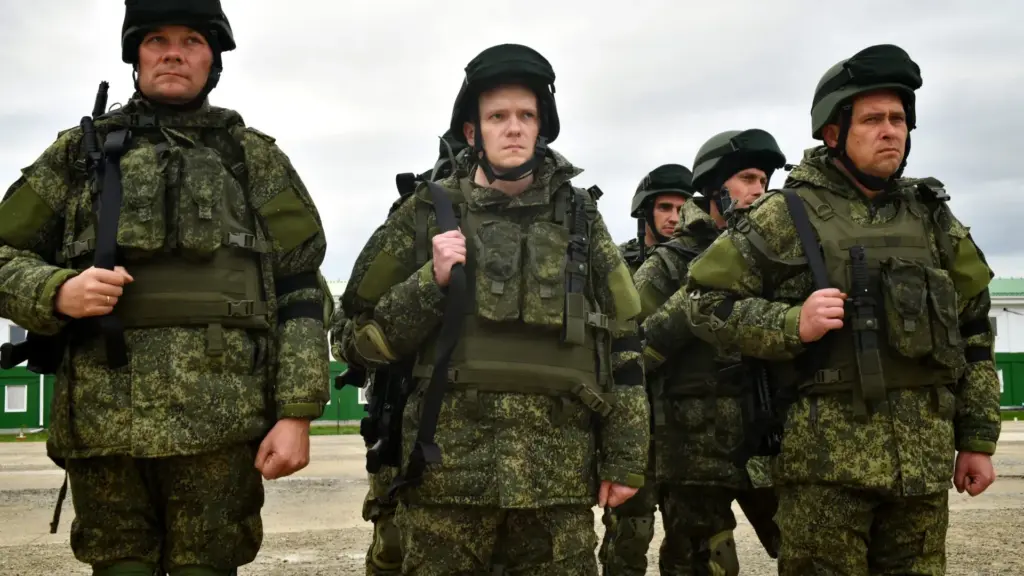
The chilling accounts of Russian soldiers under execution orders reveal a harrowing aspect of the ongoing Russia Ukraine conflict. In stark testimony, four soldiers disclosed witnessing brutal acts of military executions, highlighting the grim reality within the ranks of the Russian army. Reports of fellow troops being killed for disobeying orders embody a deep-seated culture of fear and brutality, showcasing the horrific treatment faced by those who dare to resist. These rare soldier testimonies illustrate how the systemic violence within military operations extends far beyond the battlefield, casting light on the Ukrainian war atrocities that have unfolded. As the conflict rages on, the narrative surrounding Russian soldiers execution orders serves as a stark reminder of the moral degradation that often accompanies warfare.
The topic of military executions, particularly within the context of the Russian military, unveils the darker side of authority and obedience in times of war. These execution orders, a horrifying facet of soldier discipline, reflect an alarming trend that shapes the experiences of many in the Russian armed forces. Frighteningly, soldiers face not only the threats from opposing forces but also the omnipresent risk of violence from their superiors for noncompliance. This brutal reality points to a culture of coercion, where disobedience is met with lethal punishment, illustrating the chilling dynamics of power at play. As testimonies from these brave individuals surface, they shed light on the true cost of conflict and the tragic plight of those caught in the crossfire of military brutality.
The Horrific Reality of Military Executions in the Russian Army
The journey into the battlefield often uncovers violent truths that shatter the perceptions of military honor and discipline. Recent testimonies from Russian soldiers reveal a grim undercurrent of brutality that exists within the ranks, with reports of fellow troops being executed on commanders’ orders. This practice of executing soldiers who refuse directives is not just rare but alarmingly routine in wartime scenarios, casting a dark shadow over the ethics often associated with military operations. In the wake of the Russia-Ukraine conflict, these soldiers stand as witnesses to an epidemic of fear and intimidation that permeates the frontline, leading to a culture where disobedience could result in deadly consequences.
As soldiers recount the chilling orders they witnessed, it becomes apparent that the issue of military executions is part of a greater systemic brutality within the Russian army. The testimonies highlight not only the trauma inflicted on the soldiers themselves but also serve as stark reminders of the human cost of warfare. For the soldiers, being caught between orders and personal ethics culminates in dire consequences; refusing to engage often leads to execution, torture, or both. The psychological toll on these individuals is profound, as many grapple with the legacy of having witnessed or experienced such violence, reflecting a tragic cycle of dehumanization that undermines the moral fabric of military service.
Testimonies: Shedding Light on Russian Army Brutality
Firsthand accounts from soldiers like Ilya and Dima reveal a haunting reality that challenges official narratives suggesting a disciplined military force. Their stories unfold a grim picture of life on the front lines, where the threat of execution looms large for those who resist orders. Ilya’s recollection of seeing comrades shot at close range highlights a shocking normalization of violence that contradicts military standards of conduct. These narratives are not merely isolated incidents; they represent a pervasive culture of fear cultivated by commanders intent on maintaining control through brutal means.
The interactions between soldiers offer a glimpse into a fractured system where personal bonds yield to the cold machinations of war. Dima’s experiences, witnessing fellow soldiers executed for minor infractions, showcase the extent to which military executions have permeated the ranks. The emotional and psychological repercussions of such violence ripple outward, impacting not only the soldiers involved but also their families and communities. As these testimonies gain traction through platforms like the BBC, the facade of a safe and disciplined Russian military begins to crumble, revealing the harrowing truths behind the Ukraine conflict.
Military Tactics: Understanding the Concept of ‘Meat Storms’
The term ‘meat storm’ typifies the Russian military’s tactics as deployed in the ongoing Ukraine conflict. This horrific strategy involves sending waves of soldiers into battle with little regard for their survival, reflecting a cold calculation where human life is viewed as expendable. Soldiers are often forced into these lethal offensives, described by Ilya and Dima as ‘near-suicide missions,’ causing devastating losses that exacerbate the ongoing humanitarian crisis. This relentless approach is rooted in a belief that sheer numbers can overpower tactical defenses, resulting in high casualty rates among Russian troops.
With estimates suggesting up to 1,500 Russians could be killed or wounded in a single day, the implications of these ‘meat storms’ stretch far beyond just battlefield losses. The psychological effects on soldiers who are thrust into these conflicts without adequate support are profound, leaving them haunted by fear and an overwhelming sense of futility. The testimonies of these soldiers underscore the urgent need for accountability within military ranks, challenging the external narrative of honor and glory often associated with warfare. In reality, these ‘meat storms’ expose the harsh and chaotic truths of armed conflict, echoing cries for reform and humanitarian consideration.
Breaking Down the Mentality Behind Soldier Executions
Understanding the mentality that leads to the execution of soldiers within the Russian army requires delving into the psychology of warfare and the pressures soldiers face. The commander’s authority is absolute; defiance could mean death not only to the resisting soldier but also to those who might consider similar actions. This environment fosters fear-based compliance over moral integrity, with dire repercussions for those wishing to uphold their humanity amidst chaos. Through stories of individual soldiers being ‘zeroed’ for their refusal to engage, it is evident that fear is a powerful motivator, often trouncing ethical considerations and leading to an atmosphere where brutality becomes the norm.
Moreover, the effects of such orders create a feedback loop, further entrenching the culture of execution as a method of discipline and control. As frontline soldiers engage with the harsh realities of war, they become desensitized to violence, viewing executions not as tragic failures but as necessary actions to enforce conformity within their ranks. This psychological erosion deepens the moral chasm, leading to a cycle where the very foundation of military integrity is compromised. The accounts shared by these soldiers illustrate a significant deviation from expected norms of military conduct, offering a sobering insight into a system that prioritizes loyalty over life.
The Aftermath: Trauma and the Burden of Survival
Soldiers emerging from the brutal conditions of the battlefield carry with them invisible scars, reflecting a profound trauma from their experiences within a violent system. Those who survived the executions of their comrades, like Ilya and Dima, are left grappling not only with their survival but also the haunting memories of lives lost at the hands of their own leaders. The psychological ramifications of witnessing such atrocities linger long after the conflict, giving rise to feelings of guilt, shame, and disillusionment with the honors of military service.
As these soldiers now seek refuge away from Russia, the legacy of conflict follows them relentlessly. The intersection of their lived experiences with the broader narratives of military pride creates a tension that is difficult to reconcile. While society may honor them as heroes, many of these soldiers view themselves as unwilling participants in a campaign marked by brutality. Their testimonials become a crucial part of recognizing the psychological impact of war, underscoring the importance of mental health support for veterans, who often face a long and painful road to healing.
The Role of Journalism in Uncovering War Atrocities
In the complex landscape of war reporting, the role of journalism is critical in uncovering the hidden narratives of conflict, especially regarding human rights violations such as military executions. Investigative journalism sheds light on the lived realities of soldiers and civilians caught in the carnage, disseminating vital information that challenges official state narratives. The recent testimonies shared by Russian soldiers with BBC journalists exemplify the power of media to provide a platform for voices that are otherwise silenced. Their accounts highlight the ongoing atrocities within the Russian military that contradicts the narratives of restraint and care touted by the government.
One of the key responsibilities of journalists in wartime scenarios is to confront prevalent propaganda and illuminate truths that may be uncomfortable for the ruling powers. By bringing to light the harrowing testimonies of soldiers who speak out against their commanders, the media plays a vital role in fostering accountability and creating a dialogue about the implications of war crimes. As the conflict continues, this commitment to uncovering the realities of violence serves as a reminder of the relentless pursuit of truth amid overwhelming darkness, emphasizing the necessity of a free press in promoting human rights and justice.
Facing Consequences: The Reality of Disobedience in Wartime
The dire consequences faced by soldiers who disobey commands highlight the grim reality of military discipline in times of war. Ilya and Dima’s experiences illustrate a culture where refusal to comply can lead to severe punishment or even death. The concept of loyalty to command overshadows personal morality, pushing soldiers towards compliance out of survival instinct. Such stark realities draw attention to the brutal enforcement of authority within the ranks, revealing a system that uses fear as a mechanism for maintaining control over troops.
This fear-driven atmosphere breeds a sense of hopelessness among soldiers who wish to uphold their values but find themselves faced with life-threatening choices. The accounts shared of torture, humiliation, and executions serve as a chilling reminder of the stakes involved in wartime obedience. Soldiers like Dima, who ultimately refuse to participate in brutal tactics, face arrests and torture instead of commendation. This brutal enforcement of loyalty not only endangers lives but further complicates the moral landscape for those serving in the military, leading to profound identity crises for individuals caught between personal ethics and military obligations.
Exploring the Human Cost of War: Voices from the Frontlines
The human cost of the Russia-Ukraine conflict is perhaps best encapsulated in the haunting voices of soldiers who have witnessed firsthand the atrocities committed in warfare. These testimonies reveal not only the physical destruction wrought upon individuals but also the emotional devastation that lingers long after battles have ended. Ilya and Dima’s experiences serve as crucial reminders that the consequences of war extend beyond the battlefield, impacting mental health and community wellbeing long after the bloodshed has ceased. Each story shared contributes to a broader narrative about the sacrifices made and the toll taken on one’s humanity during war.
With over a million Russian casualties reported since the start of the invasion, these individual soldier stories become vital in contextualizing the sheer magnitude of loss encountered during armed conflicts. The courage required to confront these painful memories is immense, yet it is essential for understanding the larger human rights implications of military strategies that prioritize obedience and aggression. By amplifying these voices, the conversation surrounding the human cost of war grows more urgent, pressing society to reckon with not only the statistics of loss but the stories of the individuals behind them.
Frequently Asked Questions
What are the reported execution orders given to Russian soldiers during the Russia-Ukraine conflict?
Reports from soldiers indicate that execution orders, often verbal commands from commanders, were issued to eliminate those who disobeyed orders or fled the front lines. This practice is referred to as ‘zeroing’ in military slang, which signifies executing one’s own comrades as a form of punishment or intimidation.
How have rare soldier testimonies highlighted Russian army brutality in Ukraine?
Rare testimonies from Russian soldiers reveal shocking levels of brutality within the ranks, including witnesses recounting executions ordered by commanders. These accounts describe a culture of fear and violence, where disobedience could lead to immediate death, showcasing the dire conditions faced by soldiers in the ongoing conflict.
What impact do Ukrainian war atrocities have on soldier behavior within the Russian army?
Ukrainian war atrocities, as reported by defectors and witnesses, contribute to the atmosphere of fear within the Russian army, compelling soldiers to follow orders blindly or face brutal repercussions, including execution. The psychological toll of these atrocities can lead to severe mental health issues among troops.
What kind of evidence is there about military executions in the Russian army?
Testimonies from Russian soldiers include detailed accounts of seeing fellow soldiers executed, either by direct orders from commanders or as punitive actions against those who voiced dissent. Additionally, documentary evidence and interviews highlight systemic issues of brutality and disregard for human life within military operations.
Why is there a lack of official acknowledgment regarding soldier executions in the Russian military?
The Russian government maintains that its military acts with restraint and care, often denying claims of brutality or executions. This lack of acknowledgment can be attributed to the desire to control information and suppress dissent, as well as a culture of impunity among commanders.
How do Russian soldiers’ experiences correlate with the concept of ‘meat storms’ in military tactics?
The term ‘meat storms’ refers to tactics where waves of soldiers are sent into combat with high casualties expected, often resulting in dehumanizing outcomes. Soldier testimonies describe being thrown into these deadly scenarios under threat of execution, illustrating the brutal strategies employed by commanders during the conflict.
What consequences do Russian soldiers face for refusing orders in combat situations?
Russian soldiers who refuse orders, particularly those concerning offensive tactics, face severe punishments, including execution, torture, and abuse. Reports indicate that those who disobey are subjected to physical harm, psychological torment, and ultimately may be compelled to participate in dangerous operations or face dire consequences.
How do the conditions faced by soldiers in the Russian army reflect broader issues within military ethics?
The conditions described by soldiers highlight significant ethical violations within the Russian military, including execution orders and systemic brutality. Such practices raise serious questions about leadership accountability, the treatment of personnel, and the moral implications of warfare in the context of the Russia-Ukraine conflict.
| Key Points |
|---|
| Four Russian soldiers reported witnessing executions of fellow troops on commanders’ orders. |
| Two soldiers described seeing comrades shot for refusing orders. |
| ‘Zeroing’ refers to executing disobedient soldiers; this is common for enforcing command authority. |
| The soldiers discussed severe torture methods used against those who refused to follow orders. |
| They characterized relentless assaults as ‘meat storms’, where soldiers are sent into battle with little chance of survival. |
| The combat conditions led to a high mortality rate, with significant numbers reported killed or wounded. |
| Families of fallen soldiers criticized commanders for their brutal strategies and lack of care for troops. |
| Reported violations by Russian forces remain unpunished, raising concerns about military conduct. |
Summary
The chilling accounts of Russian soldiers regarding execution orders highlight the brutal reality of warfare as well as command failures. Russian soldiers’ execution orders reveal a systematic approach to instilling fear and compliance through violence. The soldiers’ testimonies point to a breakdown in military ethics and humanity, showcasing the extreme conditions they faced at the front lines. As these soldiers share their stories of horror, it becomes evident that such actions may not only violate military code but also reflect a significant moral crisis within the Russian military structure.