
Listen to this article
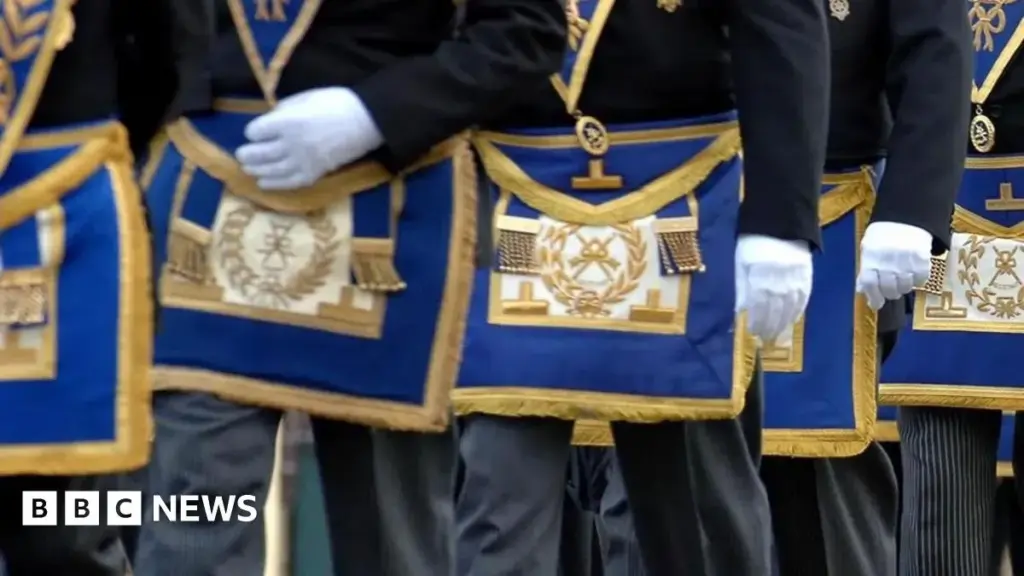
The recent High Court ruling regarding the Freemasonry membership declaration has stirred significant conversation within the United Kingdom. This pivotal decision upheld a Metropolitan Police policy requiring officers and staff to disclose their Freemason affiliation, a move that the United Grand Lodge of England (UGLE) viewed as inappropriate and discriminatory. Despite believing the ruling contained serious legal errors, UGLE has opted not to appeal, emphasizing the greater need for transparency in the police force. The implications of this judgment are vast, reflecting ongoing discussions about the interplay of Freemasonry, integrity, and accountability in law enforcement. As UGLE seeks to clarify the positive community role of Freemasonry, the spotlight continues to shine on how organizations navigate membership policies amid societal expectations.
In light of recent judicial decisions, the topic of Freemason affiliation disclosure has gained traction, particularly concerning police transparency. The Metropolitan Police’s regulations on declaring membership in fraternal organizations have prompted the United Grand Lodge of England to reassess its position. This discussion encapsulates a broader search for clarity regarding the role and influence of such associations within public service. Modern Freemasonry, often misunderstood, is characterized by its commitment to fundamental values of charity and respect. Therefore, as dialogue continues, exploring alternative terms within this discourse on fraternal participation and public accountability remains essential.
Understanding the High Court Ruling on Freemasonry Membership Declaration
The recent High Court ruling underscored the Metropolitan Police’s stance on the necessity for officers and staff to declare their membership in Freemasonry. This decision stems from the need for transparency and integrity within the police force, aiming to mitigate any potential conflicts of interest that could arise from dual allegiances. Mr. Justice Chamberlain’s ruling confirmed that the Metropolitan Police is justified in classifying Freemasonry as a declarable association, contributing to a culture of accountability and trust among law enforcement personnel and the public.
The United Grand Lodge of England (UGLE) expressed concern over the implications of this ruling, describing it as containing ‘legal and factual errors.’ However, following legal advice, the UGLE opted not to appeal, citing the organization’s need to prioritize the broader interest of Freemasonry. This decision highlights a significant moment for the organization as it navigates the complexities of modern societal expectations for transparency and ethics, particularly in institutions like the police.
The Implications of Freemasonry Transparency in Police
The declaration policy implemented by the Metropolitan Police is a response to mounting pressures for greater transparency and accountability within public services. Advocates argue that such measures are essential for ensuring the integrity of the police, as they help identify any potential biases or conflicts of interest stemming from personal affiliations such as Freemasonry. The Met’s approach aims to build confidence among the community, ensuring that all officers uphold the highest standards of ethical conduct.
However, UGLE has criticized the policy as ‘unfair and discriminatory,’ asserting that it misrepresents the essence of modern Freemasonry. They emphasize that Freemasonry today is aligned with values of charity, respect, and community service, far removed from the secretive organization that some perceive it to be. UGLE’s advocacy for their members to openly declare their memberships illustrates their commitment to transparency while also seeking to address any misconceptions about the organization and its members’ contributions to society.
Promoting Freemasonry Values and Community Contributions
In light of the recent judicial developments, UGLE is focusing on reshaping public perceptions of Freemasonry and reinforcing its commitment to community service. The Grand Secretary, Adrian Marsh, emphasized the importance of showcasing how Freemasons positively impact society. This initiative is aimed at addressing the misconceptions that have persisted about the organization, particularly in the context of law enforcement where public trust is essential.
Through various outreach efforts, Freemasons are working to clarify their values, characterized by charity, integrity, and public service. UGLE’s strategy underscores the notion that Freemasons are ordinary individuals who are actively involved in their communities and strive to promote ethical conduct. By enhancing its outreach, UGLE aims to foster a more accurate understanding of Freemasonry’s role in modern society and mitigate the stereotypes that have historically plagued the organization.
Addressing Misconceptions About Freemasonry
Misconceptions surrounding Freemasonry have led to skepticism regarding its members’ integrity, particularly among law enforcement agencies. UGLE’s initiative to clarify its values and contributions is essential in dispelling outdated views that paint the organization in a negative light. Freemasonry promotes ideals of friendship, charity, and ethical conduct—values that, rather than being at odds with police work, can complement the ethical obligations of those in the force.
Freemasons within the Metropolitan Police are encouraged to highlight their community involvement and commitment to moral integrity as a counter-narrative to prevailing myths. Educational campaigns led by UGLE are designed to illuminate the organization’s modern perspective, focusing on how members contribute positively to society. These efforts are pivotal in reshaping the conversation around Freemasonry, highlighting that the organization stands firmly in support of ethics and integrity in all areas of public service.
Future of Freemasonry Within Public Institutions
The relationship between Freemasonry and public institutions is evolving, especially in light of the recent High Court ruling. As organizations like the Metropolitan Police implement encouragement for transparency regarding affiliations with groups such as Freemasonry, the future of membership declarations will likely be a topic of ongoing discussion. This dynamic sets the stage for Freemasonry to adapt its policies and communication strategies to align with public expectations and legal standards.
Going forward, the leadership within Freemasonry must remain proactive in addressing the concerns raised by the judicial ruling while reinforcing the positive contributions its members make in public service. By fostering an open dialogue about its principles and community impact, Freemasonry can ensure that it remains an integral part of public life without compromising its values. This strategic approach will help navigate the complexities of membership declarations while enhancing public trust in both Freemasonry and public institutions.
Legal Framework Surrounding Freemasonry and Transparency
The legal backdrop for Freemasonry’s role within public sectors, particularly the police, has been intensified with recent court rulings. The ruling by the High Court established a framework that necessitates officers to declare their membership, reinforcing the importance of accountability in public service positions. This legal framework aims to enhance transparency and uphold ethical standards among those in positions of authority.
As the legal landscape surrounding Freemasonry continues to evolve, organizations like the UGLE must navigate these changes while advocating for their members’ rights. Legal advice is crucial as Freemasonry faces increasing scrutiny, ensuring that any adaptations to policies or practices do not alienate members or detract from the values they represent. Staying informed and responsive to legal developments will be vital in maintaining Freemasonry’s integrity and relevance in the public sphere.
The Response of the United Grand Lodge of England to the Ruling
In response to the High Court ruling, the United Grand Lodge of England (UGLE) has adopted a multifaceted approach aimed at addressing both the immediate implications and long-term perceptions of Freemasonry. By choosing not to appeal the ruling, UGLE acknowledges the necessity of adapting to a changing legal landscape while emphasizing its commitment to ethical practices. This decision reflects a pragmatic understanding of the demands for transparency in public service.
UGLE is now tasked with intensifying its educational efforts to communicate the modern values of Freemasonry. By reinforcing its identity as a charitable, non-political movement that contributes to community welfare, UGLE seeks to alleviate any concerns stemming from the ruling. Their goal is to foster an environment where Freemasonry is viewed positively, aligning with community standards and expectations while ensuring that members uphold their involvement with pride.
Navigating the Balance Between Tradition and Modern Expectations
As Freemasonry faces modern challenges, it must find a delicate balance between its rich traditions and the contemporary calls for accountability and transparency. The pressure from public institutions such as the Metropolitan Police highlights a shift towards a more open dialogue regarding membership affiliations, particularly in sectors where integrity is paramount. UGLE is positioned to navigate these changes while remaining true to its core principles.
Addressing the evolving expectations of society will require Freemasonry to adapt its communication strategies and public outreach efforts. By positioning itself as an organization committed to ethical conduct and community service, Freemasonry can reinforce its relevance in modern society. The future trajectory will hinge on how well UGLE can reconcile maintaining traditions with embracing necessary reforms that resonate with public sentiments.
Encouraging a New Dialog About Freemasonry
The recent legal developments necessitate a renewed dialog surrounding Freemasonry’s role, particularly concerning the ethics of membership declarations for public officials. UGLE’s commitment to addressing misconceptions and outdated stereotypes about Freemasonry serves as the foundation for fostering improved community relations. Encouraging discussions on the positive impacts of Freemasons in society is critical in rebuilding trust and enhancing public understanding.
As UGLE moves forward, it will emphasize educational efforts to highlight the contributions of its members while dispelling any lingering notions of secrecy or exclusivity. By fostering a transparent dialogue about the values of Freemasonry and its community engagement, the organization aims to ensure that its role is seen as beneficial within the context of public service. This approach will help position Freemasonry as a transparent, ethical association dedicated to community welfare.
Frequently Asked Questions
What is the Freemasonry membership declaration policy for Metropolitan Police officers?
The Metropolitan Police has a policy requiring officers and staff to declare their membership in organizations like Freemasonry. This policy emerged after a High Court ruling upheld the classification of Freemasonry as a declarable association under the police’s transparency initiatives.
Why did the United Grand Lodge of England challenge the Metropolitan Police’s Freemasonry membership declaration policy?
The United Grand Lodge of England (UGLE) sought judicial review of the Metropolitan Police’s declaration policy, arguing it was unfair and based on misconceptions about modern Freemasonry. However, they later chose not to appeal the ruling after further legal advice.
How does the High Court ruling affect Freemasonry transparency in police forces?
The High Court ruling affirmed the necessity for Freemasonry membership declaration within the Metropolitan Police, aimed at enhancing transparency and accountability in the vetting processes related to potential conflicts of interest.
What concerns did the United Grand Lodge of England raise about the Freemasonry membership policy?
UGLE described the Metropolitan Police’s Freemasonry membership declaration policy as discriminatory, asserting that it did not accurately reflect the values of modern Freemasonry, which emphasizes integrity, respect, and community service.
What steps has the United Grand Lodge of England taken following the High Court ruling?
Following the High Court ruling, UGLE has encouraged its members working within the Metropolitan Police to declare their membership and has committed to enhancing public understanding of Freemasonry’s positive societal contributions.
How does the Metropolitan Police ensure confidentiality of Freemasonry membership declarations?
The Metropolitan Police has stated that declarations of Freemasonry membership will be stored confidentially and accessible only to a select few senior officers, ensuring that this information is used appropriately in relevant investigations without compromising member privacy.
What is the significance of the High Court ruling on Freemasonry membership declaration for the future of the organization?
The High Court ruling has significant implications for Freemasonry as it reinforces the necessity of transparency in police associations, prompting UGLE to communicate the values and contributions of Freemasonry actively to dispel misunderstandings.
| Key Points | Details |
|---|---|
| High Court Ruling | The ruling upheld the Metropolitan Police policy on declaring Freemasonry membership. |
| UGLE’s Reaction | UGLE decided not to appeal due to legal advice, despite claiming the judgment had errors. |
| Perceived Unfairness | UGLE believes the policy is unfair and does not reflect modern Freemasonry. |
| Mission of Freemasonry | Modern Freemasonry promotes integrity, respect, friendship, and charity. |
| Data Management | The Met will keep declarations confidential, seen by only five senior officers, and used for relevant investigations. |
| UGLE’s Next Steps | UGLE is encouraging its members to declare their membership and will work on improving the public’s understanding of Freemasonry. |
Summary
The Freemasonry membership declaration issue highlights the delicate balance between public transparency and the rights of individual members within organizations. Following the High Court’s ruling, which upheld the Metropolitan Police’s requirement for declaring membership, the United Grand Lodge of England (UGLE) is now focusing on enhancing public understanding of modern Freemasonry and its contributions to society. This case underscores the tension between organizational policy and the perception of Freemasonry in contemporary culture.