Listen to this article
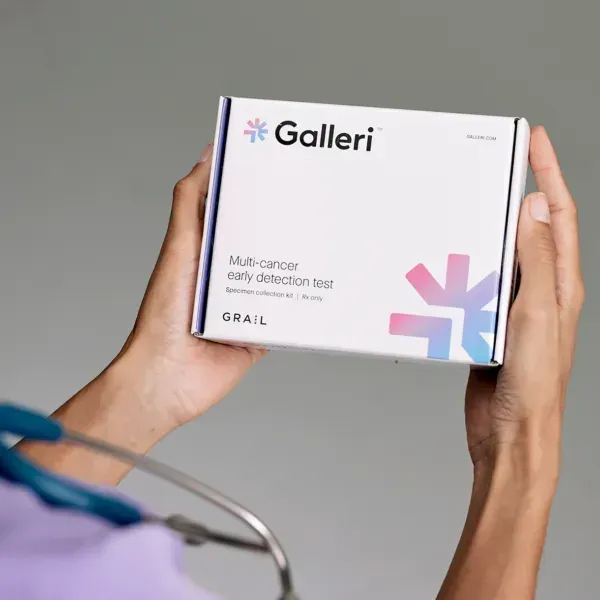
The Galleri blood test represents a groundbreaking advancement in multi-cancer detection, aiming to revolutionize cancer early detection through a simple DNA blood test. Recently trialed with 142,000 NHS patients, this innovative test seeks to spot up to 50 different types of cancer before symptoms manifest, potentially saving countless lives. Although the initial NHS trial results did not fully meet expectations, with researchers indicating that the advantages of the test remain speculative, encouraging data were noted regarding early detection of more aggressive cancers. The company behind Galleri, Grail, continues to pursue insights from the trial to refine the approach to cancer screening. As the NHS reviews these results carefully, the future of the Galleri blood test could pave the way for new standards in cancer diagnostics and patient care.
Introducing a novel approach to cancer diagnostics, the Galleri blood test, also known as a multi-cancer early detection test, is leveraging advancements in genetic analysis. By detecting fragments of tumor DNA found in the bloodstream, this innovative technique aims to identify cancers well before they progress, offering hope for improved treatment outcomes. In ongoing evaluations, results from the NHS trial have prompted discussions about integrating such DNA-based blood tests into standard screening practices. Although initial findings from Grail, the pharmaceutical company behind this initiative, show mixed results, the potential for early identification of deadly cancers has captured the attention of the medical community. As more data is released, experts are optimistic about how this could shape the future of cancer care.
Understanding the Galleri Blood Test in Multi-Cancer Detection
The Galleri blood test represents a significant advancement in the realm of oncology, aiming to revolutionize multi-cancer detection through a simple blood sample. By analyzing tiny DNA fragments shed by tumors, this test is designed to identify up to 50 types of cancer before patients start exhibiting symptoms. This proactive approach is particularly crucial as early cancer detection can lead to better outcomes and higher survival rates. The ongoing NHS trial involving 142,000 patients aims to validate this groundbreaking concept and its potential role in preventive healthcare.
Despite initial optimism, the recent NHS trial results indicated that the Galleri blood test did not meet its primary objective. While researchers noted potential benefits in tracking certain aggressive cancers, they highlighted that these findings should be interpreted with caution. The importance of detecting stage three and four cancers cannot be overstated, as earlier treatment significantly improves prognosis. Thus, the ongoing analysis by the NHS remains pivotal in determining how this test might be utilized effectively in a broader healthcare context.
The Impact of NHS Trial Results on Cancer Early Detection
The NHS trial aimed to assess the effectiveness of the Galleri blood test in reducing late-stage cancer diagnoses, which can pose significant treatment challenges. Trial findings suggest that while the blood test may lead to early detection of some aggressive cancers, the absence of concrete mortality data leaves much to be desired. Experts argue that without clear evidence of reduced cancer-related deaths or detailed insights into false positives and unnecessary treatments, claims regarding the benefits of multi-cancer early detection remain speculative.
Prof. Richard Houlston emphasizes the need for a comprehensive evaluation of the Galleri blood test’s implications within the NHS framework. He advocates for transparency regarding trial outcomes, including any adverse effects that may arise from the screening process. As the NHS prepares to assess these critical factors, the potential integration of such blood tests into routine check-ups could transform cancer prevention strategies, provided that robust evidence supports their efficacy.
Grail Pharmaceuticals: Navigating Challenges and Opportunities
Grail Pharmaceuticals, the company behind the Galleri blood test, has encountered mixed reactions following the NHS trial outcomes. After announcing that the primary endpoint was not met, Grail’s stock value experienced a significant drop, highlighting the market’s sensitivity to healthcare innovations that promise early cancer detection. However, the company’s focus on further analysis, particularly concerning stage four cancers, could offer a silver lining in understanding the blood test’s utility in identifying highly aggressive malignancies.
As Grail navigates this critical juncture, the emphasis on refining their technology and communication with stakeholders becomes essential. The detection of stage four cancers showed a notable reduction, approximately one-fifth, prompting ongoing discussions among oncology experts. This discovery may provide Grail with the opportunity to recalibrate their messaging and research focus. In a rapidly evolving field like cancer diagnostics, real-world evidence and continuous innovation play crucial roles in winning public and investor confidence.
The Science Behind DNA Blood Tests for Cancer
DNA blood tests, such as the Galleri blood test, leverage cutting-edge genomic technologies to detect cancer signatures in the bloodstream. This form of testing analyzes circulating tumor DNA (ctDNA) to identify genetic alterations that occur as cancers develop. The appeal of such tests lies in their non-invasive nature, making them accessible tools for early cancer detection and monitoring disease progression. With recent advancements in sequencing technologies, these tests are becoming more refined and effective at distinguishing between different types of malignancies.
As part of the multi-cancer detection landscape, DNA blood tests present a new frontier in oncology, allowing healthcare providers to screen for cancers that may not be visible through traditional imaging or symptomatic assessment. However, they must be used cautiously, as the potential for false positives remains a concern. Experts emphasize that while the Galleri blood test shows promise, it is crucial to validate its accuracy and implications through rigorous clinical trials and peer-reviewed studies.
Future Directions in Cancer Screening: A Collaborative Approach
The future of cancer screening and early detection lies in collaborative efforts between pharmaceutical companies, healthcare systems, and researchers. The Galleri blood test represents one of several innovative approaches aimed at redefining how we identify cancer at its most treatable stages. Collaborative initiatives like the NHS trials are vital in evaluating the efficacy, safety, and overall impact of these novel tests on patient outcomes. This synergistic relationship could pave the way for integrating advanced screening methods into standard healthcare practices.
Moreover, ongoing discussions among oncologists, public health officials, and the pharmaceutical industry are crucial for shaping policies that govern the implementation of blood tests like Galleri. It is important for the findings from large-scale studies to inform future guidelines, ensuring that the science behind multi-cancer detection remains rigorous and evidence-based. An ecosystem that encourages research and development, coupled with careful evaluation, will ultimately benefit patients by providing them access to cutting-edge diagnostics and treatment options.
Evaluating the Risk vs. Reward of Multi-Cancer Detection
The rollout of tests like the Galleri blood test raises important questions about the risks and rewards associated with mass cancer screening. While the potential for early cancer detection is tremendous, there are concerns about the psychological impact of false positives, leading to unnecessary anxiety and follow-up procedures for patients. Experts argue that it is essential to weigh these potential harms against the benefits of improved detection rates, particularly in light of recent NHS trial results that suggest speculative advantages.
Furthermore, the debate surrounding the cost-effectiveness of broad multi-cancer detection through blood tests continues. While the ultimate goal is to save lives through early intervention, health care systems must consider the allocation of resources, especially within public health frameworks. By carefully analyzing the cost, accuracy, and overall patient outcomes associated with DNA blood tests, stakeholders can better assess whether the investment in technologies like the Galleri test is justified.
Understanding the Role of Early Detection in Cancer Treatment
Early detection of cancer significantly enhances treatment options and improves survival rates. With tests like the Galleri blood test, the aim is to identify malignancies before they progress to advanced stages, where curative treatment is more challenging and less effective. The NHS trial’s focus on identifying stage three and four cancers highlights the pivotal role that early detection plays in the fight against cancer—a timely diagnosis can be the difference between life and death.
However, achieving successful early detection requires not only advanced technologies but also public awareness and understanding of the importance of regular screenings. Healthcare providers and patients alike must advocate for the use of tools that promote proactive health management. A multi-faceted approach that combines education, accessibility, and advanced testing technologies holds the potential to revolutionize cancer treatment paradigms, ultimately leading to improved patient outcomes.
The Importance of Comprehensive Trials in Cancer Screening
Comprehensive clinical trials are the backbone of validating innovative cancer screening methods like the Galleri blood test. The recent NHS trial, involving a significant number of participants, exemplifies the importance of gathering diverse data over time to evaluate real-world effectiveness. As researchers analyze the implications of their findings, it becomes increasingly clear that rigorous trials are essential for establishing the benefits and limitations of new diagnostic tools.
Future trials must prioritize transparency and the dissemination of complete data to patients, healthcare professionals, and the public. Only through thorough analysis can stakeholders develop informed opinions on the practicality and desirability of implementing multi-cancer detection tests. This commitment to research integrity ultimately supports the advancement of cancer care, ensuring that patients receive safe, effective, and scientifically validated diagnostic options.
Conclusions and Future Prospects in Cancer Detection
In conclusion, the Galleri blood test symbolizes a significant stride towards enhancing early cancer detection capabilities. Despite challenges faced during the NHS trials, the potential benefits—especially regarding aggressive stage four cancers—cannot be overlooked. As research continues to unfold, it is crucial to maintain an open dialogue among scientists, healthcare providers, and the public about the evolving landscape of cancer diagnostics.
Looking ahead, the collaboration between pharmaceutical companies like Grail and health systems will play a vital role in shaping the future of cancer screening. Ongoing investment in research and patient education will be necessary to exploit the potential of DNA blood tests fully. In doing so, we enhance our ability to detect cancer earlier and optimize treatment pathways, ultimately saving lives and improving quality of life for patients.
Frequently Asked Questions
What is the Galleri blood test designed for?
The Galleri blood test is designed for multi-cancer detection, aiming to identify up to 50 types of cancer early through the analysis of DNA fragments that have escaped tumors and entered the bloodstream.
What were the NHS trial results for the Galleri blood test?
In the major NHS trial involving the Galleri blood test with 142,000 patients, the test did not meet its primary endpoint of significantly reducing late-stage cancer diagnoses, although there were indications of earlier detection in stage four cancers.
How does the Galleri blood test work for cancer early detection?
The Galleri blood test works by detecting DNA blood fragments that tumors release into the bloodstream, with the goal of achieving cancer early detection before symptoms appear.
Is the Galleri blood test proven to save lives?
As of now, the Galleri blood test’s advantages remain speculative until full data from the NHS trial is published, as researchers emphasize the need for demonstrated life-saving impact.
What does the Galleri blood test mean for the future of cancer detection?
The Galleri blood test represents a potential revolution in cancer detection; however, its effectiveness is still under review by the NHS, which is carefully studying the trial results to determine future applications.
Who developed the Galleri blood test?
The Galleri blood test was developed by Grail, a US pharmaceutical company focused on early cancer detection through innovative DNA blood tests.
What are the implications of the Galleri test failure to meet its primary endpoint?
The failure of the Galleri blood test to meet its primary endpoint in the NHS trial raises questions about its immediate usefulness for routine screenings, although some experts believe early detection of stage four cancers is a promising sign.
What are healthcare professionals saying about the Galleri blood test?
Healthcare professionals have mixed opinions on the Galleri blood test; while some recognize the significance of early detection of aggressive cancers, others stress the importance of comprehensive mortality data and understanding the potential harms before implementing population-wide testing.
How significant are the findings from the Galleri blood test trial concerning stage four cancers?
The Galleri blood test trial suggested a reduction in stage four cancer diagnoses, approximately one-fifth, which is seen as significant by some experts like Prof. Charles Swanton, but debate continues over its emphasis given it was not the primary focus of the trial.
What can be expected in the upcoming data release on the Galleri blood test?
Complete data from the NHS trial of the Galleri blood test is expected to be presented at the American Society of Clinical Oncology meeting later this year, which will provide further insights into the test’s effectiveness and implications for cancer screening.
| Key Points | Details |
|---|---|
| Trial Purpose | To detect multiple types of cancer early in 142,000 NHS patients to save lives. |
| Primary Objective | The trial did not meet its primary endpoint, raising questions about its effectiveness. |
| Cancer Detection | The test identifies DNA fragments from tumors found in the bloodstream, targeting up to 50 types of cancer before symptoms appear. |
| Results Summary | There was a trend toward a reduction in stage three and four cancers, with a notable 20% reduction in stage four cancers. |
| Expert Opinions | Experts emphasize the need for mortality data and caution against speculating on the benefits of the test without unbiased results. |
| Future Outlook | Full data is expected in the coming months, which will be reviewed to evaluate the potential utility of such tests. |
Summary
The Galleri blood test aims to revolutionize cancer detection by identifying multiple types of cancers through DNA fragments in the bloodstream. Although recent trial results did not meet primary objectives, encouraging signs suggest it may help detect aggressive stage four cancers earlier. As the NHS carefully reviews the complete data pending publication, the potential of the Galleri blood test remains a topic of dynamic discussion within the medical community, emphasizing the need for further research and transparent outcomes before drawing conclusive benefits.