Listen to this article
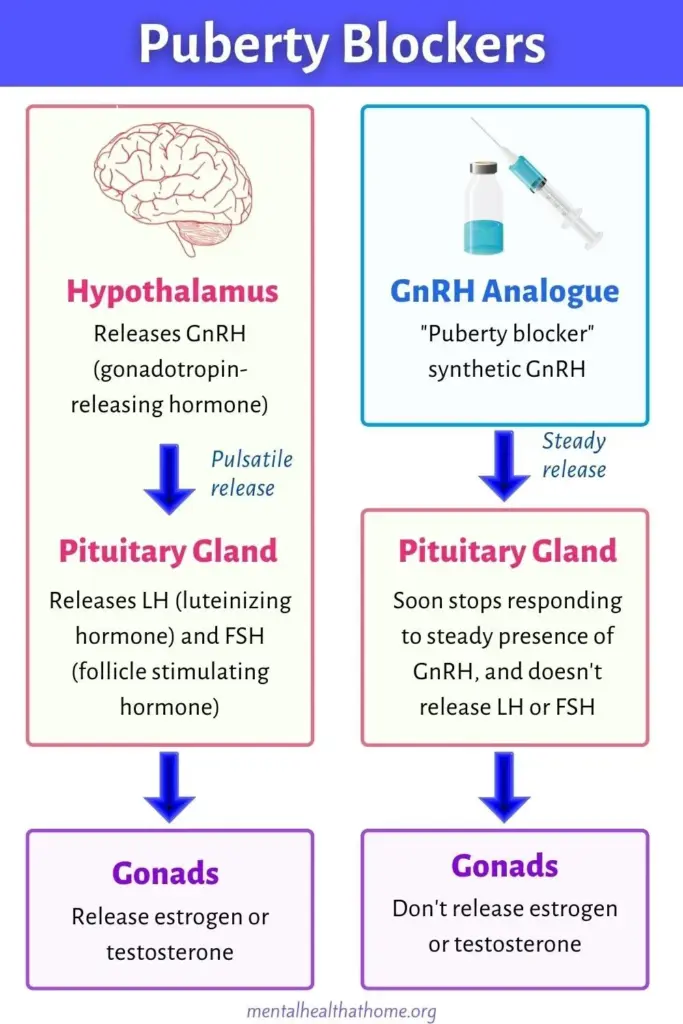
Puberty-blocking drugs have sparked heated discussions in recent years, particularly among parents and health professionals regarding their use for children questioning their gender identity. These medications are designed to pause the onset of puberty, granting young individuals time to explore their gender identity without the added pressures of developing secondary sexual characteristics. Currently, a clinical trial assessing the risks and benefits of these treatments has been paused by the UK Medicines and Healthcare Products Regulatory Agency (MHRA) due to concerns about participant safety. The MHRA is set to converse with researchers from King’s College London, who are overseeing the Pathways trial, to address these safety apprehensions. With over 220 children aged 11 to 15 anticipated to enroll, this halt underscores the critical nature of children’s health research and the implementation of rigorous clinical trial safety protocols.
Hormonal therapies intended for delaying puberty have become a focal point in discussions surrounding youth gender identity. Known as puberty blockers, these treatments enable preteens and teenagers to postpone physical changes associated with puberty, allowing for deeper exploration of their gender expression. The recent suspension of a major clinical study—the Pathways trial—highlights the importance of adhering to MHRA guidelines designed to safeguard participants’ health. With increasing scrutiny from regulatory bodies, there’s a pressing need to prioritize the welfare of gender-questioning children in medical trials. As researchers navigate the complexities of children’s health research, it is vital that these interventions are guided by thorough safety assessments and evidence-based practices.
Understanding Puberty-Blocking Drugs for Gender-Questioning Children
Puberty-blocking drugs are medications used to pause the physical changes that occur during puberty. For children questioning their gender identity, these drugs can offer a critical respite from the distress caused by their bodies developing in ways that do not align with their gender identity. This treatment option is particularly significant for youth aged 11 to 15, a formative period when many are starting to explore their identity more deeply. Clinical trials, including the recent paused Pathways trial, aim to assess the safety and efficacy of these interventions while adhering to the robust guidelines set forth by regulatory bodies such as the Medicines and Healthcare Products Regulatory Agency (MHRA).
However, the use of puberty-blocking drugs is not without controversy and concerns. The MHRA’s decision to pause the Pathways trial underscores the importance of conducting thorough safety evaluations before proceeding with such treatments. Long-term effects on children’s health must be carefully monitored, especially since these drugs could potentially impact bone density and overall physical development. The dialogue around these therapies emphasizes the need for a balance between providing necessary support for gender-questioning youth and ensuring their health and safety through rigorous clinical trial safety measures.
Clinical Trials and Safety Concerns in Children’s Health Research
Clinical trials involving children, particularly regarding sensitive issues like gender identity, are subject to stringent safety protocols to protect participants. The MHRA guidelines play a pivotal role in ensuring that any research conducted is both ethical and safe for the children involved. In the Pathways trial, the minimum age for participation is now being reconsidered, demonstrating the agency’s commitment to prioritizing children’s health amid rising safety concerns. Researchers from King’s College London, leading the Pathways trial, are expected to engage closely with the MHRA to navigate these challenges and maintain the integrity of the study.
Such trials are not only essential for advancing medical understanding but are foundational in the overall landscape of children’s health research. The goal is to gather substantial evidence that can inform treatments and supportive measures for gender-questioning youth. While pausing recruitment may seem limiting, it is a necessary action to ensure that risks are minimized and that any future protocols adhere to the highest standards of safety, thereby instilling confidence in parents and guardians considering participation for their children.
As we move forward, open communication between regulatory bodies, researchers, and the families involved will be crucial. Ensuring transparency about the trial’s safety updates and adjustments to protocols can reinforce public trust and facilitate informed decisions concerning children’s health interventions.
The Pathways Trial: Assessing Emotional and Physical Wellbeing
The Pathways trial set to explore the implications of puberty-blocking drugs extends beyond merely evaluating their physiological effects; it aims to provide insight into the emotional and social aspects of transitioning for children questioning their gender. The trial is particularly significant as it seeks to address the unique challenges faced by this demographic, including mental health risks related to gender dysphoria. By focusing on emotional wellbeing alongside physical outcomes, the Pathways trial could potentially pave the way for better-informed practices in gender healthcare.
Furthermore, the multifaceted approach of including social wellbeing factors highlights the importance of a holistic view in children’s health research. Understanding how puberty-blocking medication impacts a child’s interaction with peers, their self-esteem, and their overall mental health is crucial for comprehensive treatment plans. The promise of the trial lies not only in its potential to guide future medical practices but also in its capacity to reinforce the importance of personalized care and emotional support for gender-questioning children.
Navigating Regulatory Guidelines for Gender Dysphoria Treatments
Regulatory guidelines, such as those established by the MHRA, serve as critical frameworks for evaluating new medical treatments, particularly in sensitive cases involving minors. As the field of pediatric gender dysphoria treatment evolves, adherence to these guidelines is essential to ensure that emerging therapies are both safe and effective. The pause of the Pathways trial highlights the need to reassess these protocols continually, especially in light of public concern regarding the implications of using puberty-blocking drugs on children.
The collaboration between researchers and regulatory agencies is crucial in establishing a path forward that prioritizes the safety and welfare of children while still providing necessary interventions. By upholding stringent regulatory practices, the MHRA aims to facilitate research that is not only innovative but also grounded in a commitment to protect children’s health. As discussions advance on the ethical considerations of these treatments, engaging with broader communities, including families and mental health professionals, will further enrich the discourse surrounding effective strategies for supporting gender-questioning youth.
The Importance of Thorough Monitoring in Pediatric Studies
Thorough monitoring during clinical trials is paramount, particularly when they involve vulnerable populations like children. The MHRA’s suggestion for more rigorous oversight, including enhanced monitoring of bone density for participants in the Pathways trial, reinforces the commitment to the long-term safety of trial subjects. Implementing these measures ensures that any potential risks can be identified and mitigated early, providing a safeguard for participants’ health throughout the trial duration.
Such monitoring protocols are crucial in fostering confidence among parents considering participation for their children. They reflect an ongoing commitment to ethical research practices that prioritize child welfare above all. As studies like the Pathways trial progress, ensuring robust monitoring mechanisms will help establish a foundation of trust within the community, enabling families to feel secure in their choice to engage with groundbreaking but safe health interventions for gender-questioning youth.
Informed Consent and Its Role in Medical Research
The process of obtaining informed consent is a cornerstone of ethical medical research. For clinical trials involving minors, this process becomes even more complex, as it must account for both the child’s understanding and the guardian’s consent. The MHRA’s emphasis on stricter consent procedures for participation in studies such as the Pathways trial exemplifies a commitment to safeguarding the rights and autonomy of young participants. It stresses the necessity for clear communication about the risks and benefits associated with puberty-blocking drugs, empowering families to make knowledgeable decisions.
Additionally, informed consent involves not only a one-time agreement but an ongoing dialogue throughout the study’s progress. Ensuring that families are kept informed about any changes to trial protocols, safety concerns, or potential risks is vital for maintaining trust. This approach aligns with the broader objectives of children’s health research, which aims to include participants’ voices and interests while navigating the complexities of involving minors in clinical studies.
Long-Term Perspectives on Puberty-Blocking Treatments
Considering the long-term implications of puberty-blocking treatments is crucial, especially as it pertains to children questioning their gender identity. The pause of the Pathways trial by the MHRA reflects a growing awareness of the potential long-term biological effects these drugs may have on growing adolescents. As research continues, evaluating the lasting impacts of these interventions on bone density, hormonal development, and overall health will be essential to developing best practices for treatment.
In the context of children’s health research, understanding the longitudinal effects of puberty-blocking medications can inform guidelines for future therapeutic protocols. Expanding the scope of research to include long-term outcomes will not only enhance the safety profiles of these treatments but also provide valuable insights into the broader implications of early medical intervention for gender Dysphoria. As medical professionals work to balance immediate support needs with long-term health considerations, ongoing studies will continue to shape the landscape for gender-questioning youth.
Public Perception and Support for Gender-Questioning Youth
Public perception plays a vital role in shaping the conversation around puberty-blocking drugs and their use among gender-questioning youth. As the Pathways trial garners attention, the crucial dialogue about the needs and rights of these children becomes more prominent in societal discourse. Understanding the diverse perspectives and experiences of gender-questioning children is key to fostering an inclusive environment that recognizes their unique challenges and supports their health and wellbeing.
Balancing informed public discourse with the realities of medical research is essential for advancing the understanding of gender identity among youth. Community awareness programs and educational initiatives can help demystify the complexities surrounding puberty-blocking treatments, enhancing support for families navigating these decisions. As societal attitudes continue to evolve, creating an environment of empathy and understanding will further empower gender-questioning children to seek the support they need and deserve.
Frequently Asked Questions
What are puberty-blocking drugs and how do they relate to gender questioning children?
Puberty-blocking drugs are medications used to delay the onset of puberty in children experiencing gender dysphoria. These drugs can provide time for individuals who are gender questioning to explore their gender identity without the immediate effects of puberty. This approach aims to help mitigate distress associated with gender incongruence.
How does the Pathways trial assess the safety of puberty-blocking drugs in children?
The Pathways trial was designed to evaluate the effects of puberty-blocking drugs on the physical, social, and emotional wellbeing of children questioning their gender. However, safety concerns raised by the MHRA regarding potential long-term biological harm have led to a pause in the trial until these issues can be addressed.
What concerns did the MHRA raise regarding the clinical trial safety of puberty-blocking drugs?
The MHRA raised concerns about the safety of puberty-blocking drugs, emphasizing the potential long-term risks to children’s health. They suggested increasing the minimum age for participants to 14 and recommended more stringent monitoring of bone density and consent processes to ensure participant wellbeing.
How are MHRA guidelines influencing the research on puberty-blocking drugs for gender questioning children?
MHRA guidelines have a significant impact on research involving puberty-blocking drugs. The agency is focused on protecting children’s health and ensuring that any study, like the Pathways trial, meets strict safety standards before proceeding. Their recommendations stress the importance of careful monitoring and a responsible approach to administering these medications.
What is the significance of the Pathways trial for children’s health research concerning puberty-blocking drugs?
The Pathways trial plays a crucial role in children’s health research, aiming to provide scientific evidence on the safety and efficacy of puberty-blocking drugs for gender questioning children. The trial’s outcomes could inform healthcare practices and guidelines surrounding the treatment of gender dysphoria in young people.
Will the Pathways trial continue, and what must be confirmed regarding the safety of puberty-blocking drugs?
The continuation of the Pathways trial is contingent on the confirmation that the use of puberty-blocking drugs is safe and necessary based on robust scientific evidence. The MHRA has mandated that participant safety must be prioritized before recruitment can resume.
| Key Point | Details |
|---|---|
| Pause of Clinical Trial | The clinical trial assessing puberty-blocking drugs has been paused due to safety concerns from the MHRA. |
| Trial Overview | The ‘Pathways’ trial aimed to investigate the effects of these drugs on children’s wellbeing. |
| Participant Age Range | Initially aimed at children aged 11 to 15, now proposed minimum age is 14. |
| Safety Concerns | MHRA raised concerns about potential long-term biological harm and called for stricter monitoring. |
| Compliance and Monitoring | A stricter consent procedure and monitoring of bone density suggested for participants. |
| Government’s Stance | Recruitment will not continue until safety and necessity are confirmed by scientific evidence. |
Summary
Puberty-blocking drugs are under scrutiny as a clinical trial to assess their safety and benefits has been paused due to concerns raised by the UK medicines regulator, the MHRA. The trial, aimed at helping children questioning their gender, faces increased scrutiny regarding the potential long-term effects of these medications. As authorities plan to enforce stricter age limits and monitoring, it remains crucial to ensure the health and wellbeing of young participants before any further advancements are made.