Listen to this article
Crowdfunding for business has emerged as a dynamic avenue for entrepreneurs aiming to raise capital without relying solely on traditional funding methods like banks or venture capitalists. This innovative approach allows startups to reach out to a diverse group of potential backers through online platforms, creating a vibrant ecosystem for funding for startups. With the right crowdfunding success tips and strategies, businesses can effectively engage their audience, ensuring not just financial support but also valuable market validation. Whether you’re intrigued by equity crowdfunding or interested in reward-based crowdfunding models, understanding how to start crowdfunding is crucial for turning your vision into reality. Join us as we delve into the best crowdfunding platforms available and explore how you can navigate this exciting landscape successfully.
In today’s ever-evolving financial landscape, raising funds for your business venture has taken on new dimensions through collective financing methods. This approach, often referred to as community-driven fundraising or micro-investing, empowers aspiring entrepreneurs to tap into the resources of everyday individuals rather than seeking out wealthier investors. By leveraging these platforms, businesses not only gather funds but also cultivate a loyal customer base eager to support their mission. Understanding the nuances of these fundraising mechanisms can set the foundation for a successful campaign, fueling your growth while allowing backers to participate in your journey. Let’s explore the various types of financial crowd participation available and the essential steps for mounting a successful outreach campaign.
Understanding Crowdfunding: A New Avenue for Startups
Crowdfunding has transformed the traditional landscape of raising capital. Unlike traditional methods that often involve banks and venture capitalists, crowdfunding allows entrepreneurs to tap into the collective power of the public. It’s about harnessing the enthusiasm of potential customers who resonate with your vision. Hence, understanding the nuances of how crowdfunding works is essential for any startup aiming to thrive without relying on large investors.
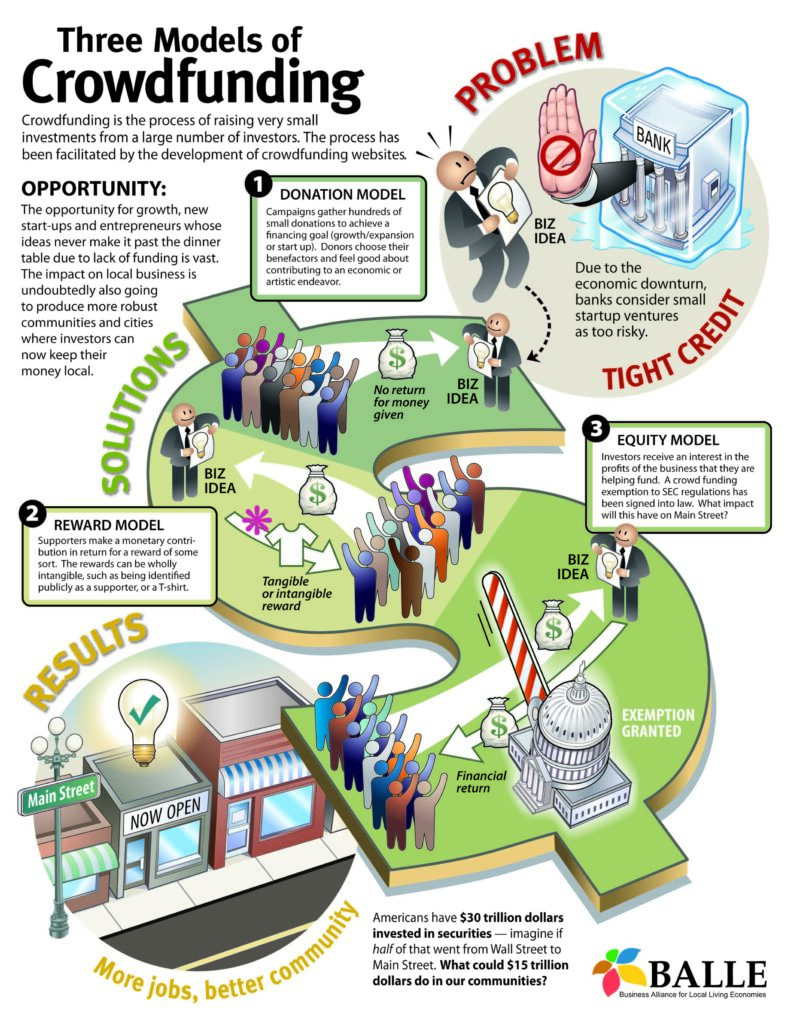
Additionally, this funding method opens doors for diverse projects, ranging from innovative tech gadgets to social enterprises. Startups can draw upon various crowdfunding models, such as reward-based and equity crowdfunding, that best align with their objectives. The beauty lies in its accessibility; anyone with an idea can create a campaign and engage a community eager to support creative ventures.
Crowdfunding for Business: Essential Success Tips
To achieve crowdfunding success, proper planning is crucial. First, defining your target audience can make a significant difference. Who are the people most likely to back your project? Tailoring your approach to match their interests not only enhances engagement but also raises the chances of successfully raising capital. Importantly, doing thorough market research can help delineate your ideal backer demographic.
Next, tapping into the power of storytelling can be a game-changer. Engaging narratives outlining the purpose of your project or product can resonate deeply with potential supporters. Describing the problem your business solves and sharing your passion can inspire backers to contribute. Authenticity is key; when people feel connected to your journey, they’re more inclined to invest, whether it’s through financial support or by sharing your campaign within their networks.
Choosing the Right Crowdfunding Platform
Selecting the best crowdfunding platform can greatly influence your campaign’s success. Different platforms cater to different niches and types of projects. For instance, if your focus is on creative ventures, Kickstarter may be ideal, while those looking for equity crowdfunding could consider SeedInvest. Understanding the offerings and audience of each platform ensures you align your campaign with where it will thrive.
Platforms like Indiegogo provide diverse options, allowing for flexible funding models. Meanwhile, GoFundMe tends to cater more towards charitable causes. By studying platform-specific benefits, such as audience size and features, you’ll optimize your chances of attracting backers who are genuinely interested in supporting your business idea.
Legal Considerations in Crowdfunding
Navigating the legal landscape is paramount when launching a crowdfunding campaign. This step often gets overlooked, but understanding securities regulations is essential—especially if you are pursuing equity crowdfunding. Regulatory bodies, like the SEC in the U.S., have established detailed guidelines that you must follow to avoid legal pitfalls. Failure to comply can lead to significant setbacks for your business.
Moreover, drafting clear terms and conditions is crucial. Communicating what backers will receive in return for their support helps cultivate trust and transparency. Enlisting the help of legal professionals knowledgeable in crowdfunding can safeguard your campaign against potential legal issues and ensure compliance with local laws.
Building a Community Before Your Launch
Creating a buzz about your crowdfunding campaign before launching is vital for ensuring a strong start. Building a community around your brand can generate enthusiasm and support even before you unveil your project. Utilize social media platforms and gather an email list to foster connections with potential backers. Engaging content, such as behind-the-scenes updates or teasers, can captivate your audience and encourage them to share your mission.
Furthermore, engaging with followers and potential customers also helps in gathering valuable feedback, which can refine your campaign. Encouraging active participation and excitement can instill a sense of ownership in your community, making them more likely to invest in your project when it’s live.
Crafting Attractive Rewards for Backers
A key component of crowdfunding, particularly in reward-based campaigns, lies in offering enticing rewards for backers. Well-structured, tiered rewards not only incentivize support but also give potential backers the motivation to contribute at varying levels. Early-bird specials, limited edition products, or personalized experiences can create urgency and reward enthusiasm among your supporters.
Moreover, understanding what motivates your backers is important. Are they more likely to support projects for exclusive access, physical products, or experiences? Researching popular trends and delving into the interests of your target demographic will enable you to design rewards that truly resonate and motivate individuals to become invested in your project.
Post-Campaign Follow-Up: Strengthening Relationships
Once your crowdfunding campaign concludes, communication with your backers remains crucial. Fulfilling promises regarding rewards and providing consistent updates about your business journey strengthens the trust your contributors have placed in you. Engaging with your backers post-campaign can turn them into loyal customers, advocates, and even future investors.
Additionally, transparency about any challenges faced during the campaign or in the post-campaign phase keeps backers informed and feeling connected. This ongoing relationship can cultivate a dedicated community around your brand, leading to greater word-of-mouth promotion and support for future projects.
Frequently Asked Questions
What is crowdfunding for business and how does it work?
Crowdfunding for business is a financing method that involves raising capital from a large number of people, typically through online platforms. Entrepreneurs present their business ideas to potential backers who can contribute smaller amounts of money, rather than relying on a single large investor. This model allows businesses to engage directly with their community and gauge interest in their ideas.
What are the different types of crowdfunding for business?
There are several types of crowdfunding for business including donation-based crowdfunding, reward-based crowdfunding, equity crowdfunding, and debt crowdfunding (peer-to-peer lending). Each type suits different business needs: reward-based crowdfunding involves offering backers non-financial rewards, while equity crowdfunding allows investors to own shares in the business.
What are the best crowdfunding platforms for startups?
When choosing a crowdfunding platform for startups, popular options include Kickstarter for creative projects, Indiegogo for flexible funding options, GoFundMe for donation-based campaigns, SeedInvest for equity crowdfunding, and Crowdcube, which focuses on UK startups. Selecting the right platform depends on your business model and funding needs.
How can I ensure crowdfunding success for my business?
To ensure crowdfunding success for your business, focus on defining your target audience, crafting a compelling story about your product, developing high-quality campaign content, and setting realistic funding goals. Offering attractive rewards and engaging with your community before and during the campaign can also significantly enhance your chances of reaching your funding target.
What legal considerations should I be aware of for crowdfunding?
Before launching a crowdfunding campaign, it’s essential to understand the legal landscape, especially regarding securities regulations for equity crowdfunding. Ensure clear terms and conditions for backer contributions are established and consult a tax professional to understand any tax implications related to your crowdfunding income.
What are the benefits of using crowdfunding for business funding?
Crowdfunding offers several benefits for business funding, including increased accessibility for entrepreneurs, market validation for business ideas, enhanced community engagement, and improved marketing exposure. It allows businesses to fundraise from a broad audience while simultaneously building a loyal customer base.
What should I include in my crowdfunding campaign to attract backers?
To attract backers to your crowdfunding campaign, include a clear and engaging narrative that explains your product’s value, high-quality visuals and videos, realistic funding goals, tiered reward structures, and regular updates throughout the campaign. Building a pre-launch community can also help generate initial interest and momentum.
| Key Points | Details |
|---|---|
| What is Crowdfunding? | A method of raising capital through the collective effort of individuals, typically via online platforms. |
| Types of Crowdfunding | Donation-Based, Reward-Based, Equity, and Debt Crowdfunding. |
| Advantages of Crowdfunding | Accessibility, Market Validation, Community Engagement, and Marketing Exposure. |
| Popular Platforms | Kickstarter, Indiegogo, GoFundMe, SeedInvest, and Crowdcube. |
| Legal Considerations | Securities Regulation, clear Terms and Conditions, and Tax Implications. |
| Tips for Success | Define Your Audience, Create a Compelling Story, High-Quality Content, Realistic Goals, Attractive Rewards, Build Community Pre-launch, Engage During Campaign, and Post-Campaign Follow-up. |
Summary
Crowdfunding for Business is a modern approach to raise capital that engages a broad base of potential investors interested in supporting innovative ideas. It allows entrepreneurs to connect with individuals who share their vision, thereby transforming not just financial contributions but also fostering a supportive community. As you embark on your crowdfunding journey, remember that it’s essential to focus on delivering a compelling narrative and maintaining transparency to build trust with your backers. This method of financing is not just about securing funds; it’s about establishing and nurturing relationships that can lead to sustained success.