Listen to this article
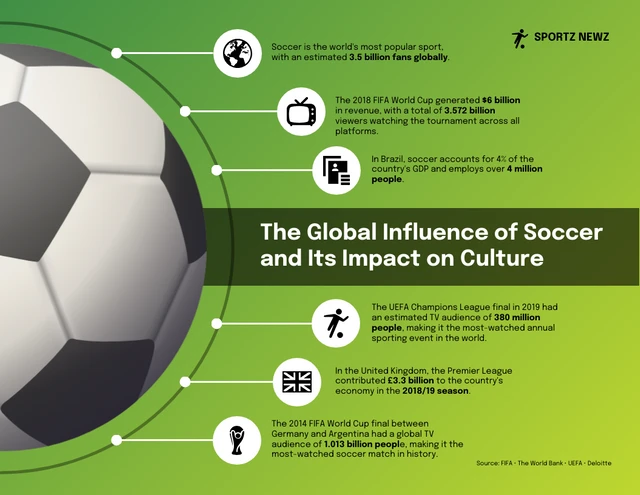
The global impact of sport on culture is profound and multifaceted, reaching far beyond mere entertainment. Across continents and communities, sports and culture intertwine, showcasing unique traditions and fostering a sense of belonging. From major international events like the Olympics to local leagues, the cultural significance of sports is evident as they serve as platforms for social unity and identity. The economics of sports further amplifies this influence, transforming athletic endeavors into significant factors in grassroots culture and national pride. Ultimately, understanding the global impact of sport on culture reveals its ability to inspire change and reflect societal values.
Sport serves as a crucial conduit for cultural expression, blending societal norms with collective identity on a global scale. The relationship between athletics and society highlights the importance of team spirit, national pride, and the shared experience of competition. As sports transcend geographical divides, they unify communities in unprecedented ways, shaping not only individual lives but also collective histories. The interdependence between sports as a phenomenon and cultural evolution underscores how events can transcend their immediate context, stimulating economic growth and social cohesion. Through exploring sports as a dynamic force in cross-cultural interactions, we can better appreciate their role in fostering community and promoting shared values.
Understanding the Role of Sports in Cultural Identity
Sports have long been an intrinsic part of cultural identity, shaping how communities and nations view themselves and their heritage. Cultural identity is often constructed through various mediums, and sports play a pivotal role in this process. For example, national teams symbolize unity and pride, with colors, emblems, and anthems that evoke strong emotional ties to a collective history. Events such as the Olympics or the World Cup showcase not only athletic talent but also the unique customs and cultural narratives of participating nations.
In addition to national pride, local sporting events can reflect the cultural diversity within a community. For instance, youth sports leagues often highlight the varied backgrounds of participants, allowing for a blending of cultures through shared experiences. This convergence fosters an environment where cultural differences can be celebrated, and new traditions can arise, enriching the community’s social fabric.
Economic Contributions of Sports to Society
The economics of sports extends beyond mere statistics; it encompasses the multifaceted ways in which sports influence local and national economies. Major sporting events, for instance, usher in thousands of tourists, generating revenues in various sectors such as hospitality, transportation, and retail. Cities that host such events often see significant investments in infrastructure, leaving a lasting legacy that benefits residents long after the final match has concluded.
Moreover, professional sports leagues have turned into powerful economic engines. They create jobs not only directly through team management and stadium staffing but also indirectly by stimulating industries around them. As local economies shift toward a sports-centric model, community engagement in these teams and events fosters a heightened sense of pride and involvement, contributing to an enriched civic life.
Social Impact of Sports on Communities
The social impact of sports cannot be understated; they serve as a unifying force within communities, often breaking down barriers that exist along racial, economic, and social lines. Community sports initiatives provide individuals, especially youth, with opportunities to engage in meaningful interactions, fostering a sense of belonging and teamwork. These shared experiences can lead to improved community relations and reduced tensions, as individuals from diverse backgrounds come together for a common purpose.
Moreover, sports can act as a powerful educational tool. Participation in sports programs cultivates vital life skills, such as discipline, leadership, and resilience. Many youth programs are specifically designed to target at-risk populations, providing structure and guidance that can deter delinquency. Through positive engagement in sports, communities can nurture the next generation, equipping them with the tools needed to thrive both on and off the field.
The Cultural Significance of Global Sporting Events
Global sporting events, such as the Olympics and World Cups, transcend the mere competition of sports, evolving into celebrations of culture and diversity. These events offer a platform for countries to showcase their cultural heritage, customs, and innovative spirit. The opening ceremonies often feature the rich tapestry of traditions, music, and dance, creating a spectacle that unites millions and promotes cross-cultural appreciation.
Furthermore, the intense scrutiny and global media coverage surrounding these events can enhance diplomatic ties. Nations engage in soft power through sports, using the platform to foster goodwill and understanding among diverse populations. As spectators cheer for their nations, there is a shared experience that cultivates respect and empathy, reinforcing the idea that sports can bridge cultural divides.
Sports as a Catalyst for Social Change
The intersection of sports and activism has gained momentum in recent years, with athletes increasingly using their platforms to advocate for social justice. Movements such as Black Lives Matter have found formidable support in the sports community, illustrating that sports figures can have a profound influence on societal progress. This growing trend showcases the potential for sports to transcend entertainment and act as a catalyst for meaningful dialogue and change.
Athletes such as Colin Kaepernick and LeBron James are prime examples of how sports can be leveraged for advocacy. By speaking out on pressing social issues, they not only raise awareness but also challenge existing narratives, urging fans and the public to engage in conversations about equity and justice. This crucial role redefines the responsibilities athletes hold within their communities, emphasizing that their influence extends far beyond the playing field.
Globalization and Its Influence on Sports Culture
The globalization of sports has introduced a complex web of cultural exchanges that reshape local and international sporting landscapes. As technology and media connect fans worldwide, disparate sporting traditions meet, giving rise to new cultural phenomena. For example, the influx of soccer’s popularity in the United States demonstrates how globalization facilitates the adoption and adaptation of sports, merging diverse sporting cultures into a cohesive unit.
Moreover, this globalization allows for a greater appreciation of different sporting styles and traditions. As international leagues and tournaments proliferate, fans become familiar with various games, players, and approaches, enriching their understanding of sports. This cultural cross-pollination not only enhances the viewing experience but also fosters a shared camaraderie among fans around the globe.
The Role of Sports in Promoting Cultural Diversity
Sports serve as a powerful medium for promoting cultural diversity and inclusivity within communities. Various organizations have implemented programs aimed at allowing underrepresented groups to participate in sports, celebrating diversity and fostering integration. These initiatives create pathways for dialogue and understanding, breaking down stereotypes and highlighting the importance of diverse contributions in a team setting.
In addition, multicultural sporting events, such as local festivals or tournaments, showcase the rich array of cultural practices that exist within the sports arena. By encouraging participation from communities of various backgrounds, these events facilitate cohesion and social harmony, emphasizing the role of sports as a universal language that transcends cultural boundaries.
Youth Sports and Lifelong Benefits
Engagement in youth sports has a profound impact on personal development and social skills. Programs designed for young athletes not only focus on physical fitness but also emphasize teamwork, discipline, and leadership—qualities that extend beyond the sports field. As children learn to collaborate and compete, they also gain a sense of responsibility and work ethic that serves them in all aspects of life.
Moreover, involvement in sports can provide young people with critical life experiences that yield lifelong benefits. Adolescents who participate in structured sports are often more likely to excel academically, build healthier relationships, and develop resilience against adversities. By creating positive environments, youth sports contribute to nurturing well-rounded individuals who are prepared to face the complexities of adulthood.
Sportsmanship as a Reflection of Cultural Values
The concept of sportsmanship is intricately linked to cultural values, encapsulating the ethical frameworks that govern behavior in competitive environments. Different cultures may interpret sportsmanship through varying lenses, reflecting their broader societal norms concerning respect, fairness, and ethical conduct. For instance, in some cultures, the emphasis may lie on communal celebration of the game, rather than just winning, fostering a culture of mutual respect.
Ultimately, sportsmanship embodies the values that sport aims to transmit to society—such as respect for opponents, honesty, and humility. When athletes exemplify these values, they serve as role models in their communities, promoting a culture that prioritizes integrity over mere competition. This reinforces the notion that sports can be a breeding ground for positive societal attitudes, encouraging fans and players alike to embody sportsmanship both on and off the field.
Frequently Asked Questions
What is the global impact of sport on culture and society?
The global impact of sport on culture and society is significant as it fosters unity and cultural exchange, reflects societal values, and influences community identity. Events like the Olympics and FIFA World Cup not only celebrate athletic achievements but also highlight diverse cultural practices across nations.
How do sports reflect cultural values and norms?
Sports reflect cultural values and norms by showcasing national pride and traditions. For example, the Haka performed by New Zealand’s All Blacks merges sports with Maori culture, enhancing cultural identity while highlighting the importance of tradition within modern society.
What role does the economics of sports play in cultural change?
The economics of sports plays a crucial role in cultural change by driving tourism, job creation, and infrastructure development. Major sporting events can transform local economies and integrate sports into daily cultural practices, shifting social interactions and community engagement.
How does sports act as a platform for social change?
Sports act as a platform for social change by allowing athletes to advocate for social justice issues. Movements like Black Lives Matter have gained traction in sports, with athletes using their visibility to raise awareness and foster discussions about equality and societal reform.
What is the significance of youth sports initiatives in cultural contexts?
Youth sports initiatives are significant in cultural contexts as they promote social cohesion and interaction among diverse groups. Participation in sports can reduce juvenile delinquency and help instill values such as teamwork and discipline, positively impacting cultural development in communities.
How has the globalization of sports affected local cultures?
The globalization of sports has blended traditions and created new fan bases, significantly affecting local cultures. As sports like soccer gain popularity in countries such as the United States and India, they facilitate cultural exchange and introduce new ways for communities to engage with sports.
What are the social impacts of community sports leagues?
Community sports leagues have powerful social impacts, fostering interaction and breaking down racial and economic barriers. These leagues serve as focal points for community identity and engagement, helping to build trust and friendships among diverse populations.
In what ways do sports contribute to economic growth in cultures?
Sports contribute to economic growth in cultures through increased tourism, job creation, and local business stimulation, especially during major events. This economic stimulation promotes sports as a key component of cultural life and community pride.
How do major sporting events showcase cultural practices?
Major sporting events, such as the Olympics and FIFA World Cup, showcase cultural practices through unique opening ceremonies and national displays of tradition. These events celebrate diversity, enhance national pride, and allow countries to communicate their cultural identities to a global audience.
What is the relationship between sports and cultural identity?
The relationship between sports and cultural identity is profound, with sports often serving as a reflection of individual and collective identities. Participation in sports can strengthen a sense of belonging and pride within communities, influencing how cultural identities are perceived and expressed.
| Key Point | Description |
|---|---|
| Cultural Significance | Sport reflects cultural values and societal norms, showcased through events like the Olympics. |
| Economic Impact | Hosting sporting events boosts local economies through tourism and job creation. |
| Social Cohesion | Community sports foster social interaction, breaking down barriers and promoting identity. |
| Platform for Social Change | Athletes advocate for social justice and cultural awareness, influencing societal perceptions. |
| Globalization of Sport | The rise of global connections in sports fosters cultural exchanges and new fan bases. |
Summary
The global impact of sport on culture is profound and multifaceted. Sport not only serves as a reflection of cultural identities but also plays a vital role in shaping social structures and community values across the world. It fosters unity, inspires passion, and acts as a catalyst for social change. Through major events and the globalization of sports, cultures blend, traditions merge, and communities enhance their sense of belonging. As the dynamics between sports and culture continue to evolve, recognizing and nurturing this relationship is essential for promoting mutual respect and understanding in our interconnected world.