Listen to this article
Working in Antarctica offers a unique opportunity for adventure seekers and professionals alike. Researchers and support staff are needed at research stations in Antarctica, where they can experience life in one of the most remote places on Earth. Positions range from scientists to roles such as electricians, chefs, and carpenters, providing a diverse set of options for those interested in Antarctic jobs. Living in Antarctica means adapting to extreme weather conditions and a 24-hour daylight cycle during the summer months, creating an almost surreal environment to work in. For many, the challenge is as rewarding as the breathtaking scenery and the chance to contribute to important scientific research through organizations like the British Antarctic Survey (BAS) or the US Antarctic Program.
Engaging in employment opportunities in the icy continent introduces you to a world of scientific discovery and teamwork. Whether you’re an engineer, a chef, or a medic, the positions available at Antarctic research outposts open doors to a lifestyle that blends professional growth with breathtaking natural wonders. This experience not only enhances your resume but also enables you to partake in critical environmental studies conducted in some of the most extreme settings on the planet. As you navigate the unique social dynamics of living in close quarters with fellow workers, you forge bonds that often resemble a family. Ultimately, Antarctic work experience is about more than just the job—it’s about thriving in one of the world’s last great frontiers.
Understanding Career Opportunities in Antarctica
Working in Antarctica presents a unique career opportunity that goes beyond traditional roles. The positions available extend to a diverse range of trades and professions, including carpentry, plumbing, and culinary arts. While many might think that research positions are the only roles available, approximately 70% of the jobs at Antarctic research stations like those operated by the British Antarctic Survey (BAS) are essential operational positions. Whether you’re a seasoned tradesperson or someone looking to start a new adventure, there is likely a position that matches your skillset.
BAS actively seeks new workers each year, recruiting around 150 individuals to support its six research stations, including Halley VI. This diverse hiring ensures that the stations can function effectively and continue their crucial environmental work. Additionally, many of these roles come with attractive benefits, such as salaries starting at £31,244, along with travel, accommodation, and necessary gear provided for the challenging Antarctic conditions.
Experiencing Life on the Icy Continent
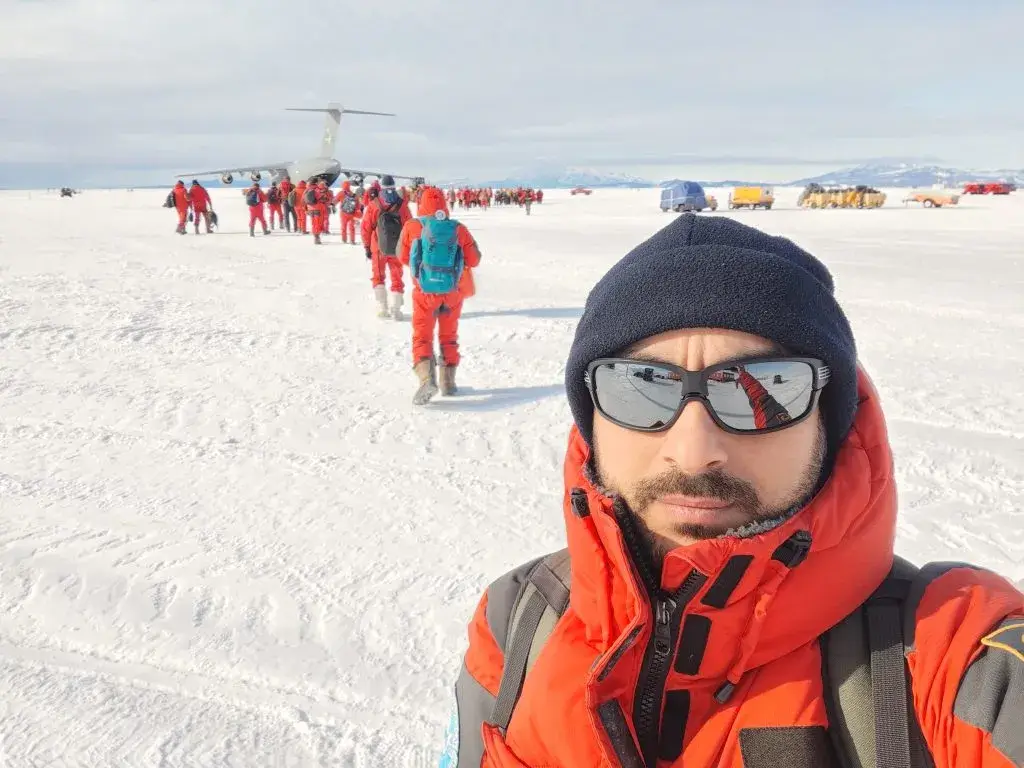
Living in Antarctica is unlike any other experience, with its stunning landscapes and extreme weather conditions. Summer temperatures may seem mild by some standards, averaging around -20°C, but the endless daylight can present both beauty and challenges. Workers on the continent must adapt to an environment where fresh food is limited, and social interactions are heightened due to shared accommodations. This lifestyle requires adaptability and resilience, as individuals navigate the realities of life on the ice, which includes working in close quarters with a diverse team.
BAS employees often form tight-knit communities, bonding over shared experiences and the unique challenges of their environment. The sense of camaraderie among workers can alleviate some of the stresses associated with isolation, as they collectively face the extreme conditions of Antarctica. Adaptability, conflict resolution, and emotional support become crucial skills as team members learn to navigate the complexities of social dynamics in such a confined setting.
Preparing for Challenges of Antarctic Work Experience
Antarctic work experience requires not only physical endurance but also mental resilience. Candidates must undergo a stringent selection process that assesses their ability to handle interpersonal conflicts and problem-solving scenarios. The potential for psychological stress associated with living in such isolation is addressed during pre-deployment training, ensuring that employees are equipped to manage the unique challenges that arise in this remote environment. Some may liken this adjustment to returning to university, as staff must adapt to a structured framework and shared spaces.
Despite the extensive preparation, some employees find the reality of life on the ice to be more challenging than anticipated. Mariella Giancola, BAS’s head of HR, highlights the importance of being comfortable with limited privacy and constant interaction with colleagues. Understanding one’s own limitations and having the ability to resolve conflicts can make the difference between a fulfilling experience and one fraught with difficulties. Workers who embrace the adventure and develop strong coping strategies often thrive in this extraordinary setting.
The Importance of Community and Support in Antarctica
One of the most significant aspects of the Antarctic working experience is the creation of a close-knit community among employees. Station leader Dan McKenzie highlights the importance of mutual support, emphasizing how team members often become a family-like unit, helping each other through tough times. This communal approach to living and working in harsh conditions fosters resilience and enhances the overall experience. Emotional support becomes an essential tool for managing the personal challenges that can arise during long stints on the continent.
In addition to providing emotional backing, McKenzie’s role involves handling interpersonal conflicts that can occur in such a confined environment. This capability allows for a cooperative atmosphere where individuals feel more at ease discussing their concerns and difficulties. As they share their experiences living in Antarctica, workers often discover the joy and fulfillment that comes from contributing to critical research while enjoying stunning landscapes that most will only dream of.
Environmental Research and Its Significance in Antarctica
BAS plays a pivotal role in conducting vital environmental research at its research stations. Each facility, including Halley VI, focuses on different aspects of wildlife and environmental monitoring. By studying phenomena such as atmospheric data and changes to the Earth’s ozone layer, researchers contribute to the global understanding of climate change and its impacts. This research work not only contributes critical findings but also creates fulfilling jobs for those passionate about environmental science.
In addition to studying the ecosystem, the BAS employs a varied workforce of medics, engineers, and technicians whose operational roles are essential to the research stations’ functionality. By ensuring that all systems run smoothly, these employees help facilitate groundbreaking research and contribute to a broader understanding of Antarctic environments. This dynamic collaboration among staff members fosters a strong sense of purpose, as everyone understands that their contributions are vital to the continuing study of our planet’s health.
Daily Life and Work Schedule in Antarctica
Life on the Antarctic research stations operates on a rigorous seven-day shift schedule, ensuring the continuous operation of essential facilities. The days may be long, but workers adapt to the structure, finding moments of camaraderie and joy within the confines of shared spaces. Each worker, regardless of their role, plays a vital part in the daily operations that keep the research stations functional and thriving in the extreme conditions of Antarctica.
In addition to the structured schedule, social interactions become a crucial aspect of daily life. Sharing meals and recreational activities leads to friendships and a supportive atmosphere that can greatly enhance the experience. Employees often participate in team-building events or celebrate milestones together, creating lasting bonds that serve to mitigate the isolation and hardships experienced during their time on the icy continent.
Emotional and Psychological Demands of Working in Antarctica
The emotional and psychological demands of working in Antarctica can be challenging, even for the most adventurous individuals. Dr. Duncan Precious, a clinical psychologist experienced in the unique environment of the continent, notes that while physical hazards are significant, the dynamics between staff members can prove to be more complex and fraught. As interpersonal relationships develop and sometimes deteriorate, managing these shifts in social dynamics becomes paramount for maintaining workplace harmony.
To combat these potential challenges, BAS equips its workers with tools to foster resilience and encourage open communication. This proactive approach helps individuals navigate personal conflicts and build effective support systems among team members. As a result, employees can focus on their primary responsibilities while also seeking assistance during more difficult moments, ultimately enhancing their ability to thrive in the unique environment of Antarctica.
Adventure Awaits: The Call of Antarctica
The call of adventure in Antarctica is a significant draw for many individuals considering work on the icy continent. The allure of exploring breathtaking natural landscapes, witnessing wildlife in its untouched habitats, and contributing to vital environmental research can create a profound sense of purpose. Many employees, including McKenzie, view this opportunity as a once-in-a-lifetime experience filled with awe-inspiring encounters, creating memories that last long after their contracts end.
Moreover, the opportunity to work in such a remote location fosters a personal journey of self-discovery and growth. The extreme conditions, while challenging, allow individuals to push past their limits, developing a sense of accomplishment and resilience. For those seeking adventure in the most extraordinary landscapes of the world, working in Antarctica not only serves as a professional stepping stone but as a transformative life experience.
Eligibility and Application Process for Antarctic Positions
Interested candidates for jobs in Antarctica must navigate a thorough eligibility and application process to ensure that they match the rugged demands of life on the frozen continent. Job postings are available through both the BAS and the US Antarctic Program, where potential employees can find a range of roles suited to various skill levels. With a competitive application process, candidates should prepare to showcase their relevant skills, adaptability, and readiness to embrace the unique environment.
Following an initial application assessment, shortlisted candidates undergo further evaluations that test their problem-solving abilities and interpersonal skills. BAS’s recruitment process is especially keen on identifying individuals who can thrive in collaborative settings, as the ability to work effectively within a team is crucial for success in Antarctica’s challenging atmosphere. Those selected can look forward to extensive training and preparation activities meant to equip them for their upcoming adventure.
Frequently Asked Questions
What types of jobs are available for working in Antarctica?
Working in Antarctica offers a wide range of job opportunities, including roles for scientists, support staff, and skilled tradespeople. Positions range from marine engineers, chefs, and electricians to medical professionals and environmental researchers. Organizations like the British Antarctic Survey (BAS) regularly recruit for diverse Antarctic jobs, catering to various skills and backgrounds.
What is life like when living in Antarctica?
Living in Antarctica can be both exhilarating and challenging. Expect extreme cold temperatures, continuous daylight during summer months, and limited fresh food supplies. Workers will share accommodations in dormitory-style settings and operate on a rigorous seven-day work schedule. Despite these challenges, many find the experience rewarding, filled with opportunities for exploration and adventure.
How can I gain Antarctic work experience?
To gain Antarctic work experience, you can apply for job openings listed by organizations like the British Antarctic Survey (BAS) or the US Antarctic Program. Entry into these positions often requires relevant qualifications and the ability to adapt to extreme conditions. Pre-deployment training is provided to prepare successful candidates for their roles in research stations in Antarctica.
What are the living conditions like at research stations in Antarctica?
Living conditions at research stations in Antarctica can be austere. Staff typically live in shared accommodations and must adapt to a communal lifestyle. Essential facilities include kitchen areas for meal preparation, but fresh food options are limited. Additionally, workers face the challenges of isolation and constant close contact with their colleagues, which can affect personal dynamics.
How does BAS recruitment work for Antarctic positions?
BAS recruitment for Antarctic positions generally occurs once a year, targeting a variety of roles needed for the efficient operation of research stations. Candidates must undergo a thorough selection process, which evaluates their conflict-resolution skills and ability to work in remote conditions. Those selected participate in extensive training to prepare for the challenges of working in Antarctica.
What are the challenges of working in Antarctica?
Challenges of working in Antarctica include coping with extreme weather conditions, isolation, and living in close quarters with team members. Employees often experience ‘good stress’ as they navigate these challenges, but must also adapt to structured routines and shared spaces. Training provided by organizations like BAS helps individuals prepare for these demanding situations.
What is the salary range for jobs in Antarctica?
Salary for jobs in Antarctica varies depending on the role and experience, starting at around £31,244 per annum for operational positions. In addition to salaries, employees benefit from funded travel, accommodation, meals, and specialized gear necessary for surviving the harsh Antarctic climate. These perks make the work both financially rewarding and attractive for adventure seekers.
How can I find job openings for working in Antarctica?
Job openings for working in Antarctica can be found on the official websites of the British Antarctic Survey (BAS) and the US Antarctic Program. Additionally, BAS hosts an open day in March annually, providing prospective candidates insight into available positions and the recruitment process associated with Antarctic work.
What kind of training is provided for those going to work in Antarctica?
Training for those going to work in Antarctica includes pre-deployment preparation focusing on safety protocols, conflict resolution, and problem-solving skills. Successful candidates also learn how to manage the unique challenges posed by living in remote conditions. This training is crucial for ensuring staff can adapt and thrive in the demanding environment of the Antarctic research stations.
| Key Point | Details |
|---|---|
| Job Opportunities | Positions are available for various roles, not just for scientists, including carpenters, electricians, and chefs. |
| Living Conditions | Accommodations are typically shared dormitories; fresh food is limited and alcohol use is restricted. |
| Weather Challenges | Temperatures can vary from -5°C to -40°C, with summer bringing continuous daylight. |
| Team Dynamics | Interpersonal conflicts can occur, and emotional support is crucial for team members. |
| Workforce Size | Around 5,000 people work across 80 research stations in the Antarctic summer. |
| Selection Process | Candidates are evaluated on conflict resolution and problem-solving skills before training. |
| Application Opportunities | Job openings are announced on BAS and US Antarctic Program websites and through open days. |
| Salary and Benefits | Salaries start at £31,244 per annum; travel, accommodation, meals, and extreme weather gear are provided. |
Summary
Working in Antarctica offers a unique opportunity for those seeking adventure and the chance to contribute to significant environmental research. While the work environment presents physical challenges, including extreme cold and isolation, the experience can be incredibly rewarding. Roles vary widely beyond scientific positions, encompassing essential operational jobs that keep research stations functional. Candidates must be prepared for the unique demands of life in such a remote and harsh climate, but for many, the breathtaking beauty and exhilarating experiences make it all worthwhile.