
Listen to this article
In a dramatic escalation of tensions, Pakistan has launched air strikes against Afghanistan, resulting in fatalities that include women and children, according to Taliban officials. This military action, which is reported to have targeted alleged militant camps near the border, comes in the aftermath of suicide bombings within Pakistan that Islamabad links to Afghan-based groups. While the Pakistani government describes the operation as a necessary response to terrorism, Afghanistan has condemned the strikes, claiming they have resulted in significant civilian casualties. The recent air assaults have exacerbated fragile relations between Pakistan and Afghanistan, stirring fears of further border conflict amidst an already precarious ceasefire agreement. Analysts are closely watching the Taliban’s response to these attacks as it could influence the ongoing dynamics of Pakistan-Afghanistan relations and the security landscape in the region.
Recently, aerial bombardments initiated by Islamabad have raised alarms over potential regional instability. These strikes on Afghan territory, purportedly targeting militant hideouts, have prompted a swift reaction from the Taliban, who have reported civilian casualties amid the chaos. The ongoing border skirmishes highlight the fraught nature of Pakistan and Afghanistan’s relationship, which has been further strained by calls for accountability regarding the Taliban’s stance on militant elements operating from its soil. As the situation unfolds, the international community is left pondering the implications of this military intervention and the potential repercussions on Afghanistan’s sovereignty. With both sides trading accusations, the prospect of escalating violence seems increasingly likely.
Overview of Pakistan Air Strikes in Afghanistan
Recently, Pakistan has intensified its military operations by launching air strikes targeting alleged militant camps in Afghanistan. These operations, initiated following a spate of suicide bombings in Pakistan, have drawn significant attention due to the Taliban’s claim that the strikes resulted in the deaths of at least 18 civilians, including women and children. The air strikes focused on areas near the Pakistan-Afghanistan border where militant activities are suspected to take place. This aggressive move has raised tensions between the two nations, already strained by historical border conflicts and ongoing security concerns.
The retaliatory nature of these air strikes highlights Pakistan’s approach to addressing cross-border terrorism. Islamabad asserts that these operations are based on intelligence, claiming the militants are responsible for recent assaults within its borders. Yet, the retaliatory action has resulted in severe blowback, exacerbating Pakistan-Afghanistan relations, which were already fragile due to negotiations following the deadly skirmishes last October. Observers warn that continuing these military actions could ignite more extensive conflict and civilian casualties in Afghanistan.
The Taliban’s Response to Military Action
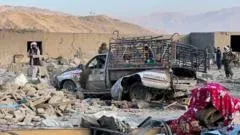
In response to the Pakistan air strikes, the Taliban has issued a resolute condemnation, labeling the strikes a blatant violation of Afghanistan’s sovereignty. The Taliban’s defense ministry emphasized that such attacks not only undermine international law but also jeopardize the safety of innocent civilians in the targeted regions. Local reports from the affected areas indicate that civilian infrastructure, including homes and a religious school, was hit, raising serious concerns about civilian casualties in Afghanistan, particularly in light of the ongoing conflict dynamics.
Furthermore, the Taliban has warned of ‘appropriate and measured retaliatory actions’ while denouncing the Pakistan military’s claims of intelligence-based targeting. As they prepare for possible responses, the situation remains precarious. The conflict presents challenges not just for peace but also for humanitarian efforts in regions already suffering from instability. Maintaining dialogue is crucial to preventing further escalation in military actions that tend to maximize civilian impact and deepen hostilities.
Civilian Casualties and Humanitarian Concerns
The recent air strikes by Pakistan have raised urgent humanitarian concerns regarding civilian casualties in Afghanistan. Eyewitness accounts, such as that of Shahabuddin from Nangarhar province, detail the devastating impact of these military actions on innocent lives, with entire families reportedly affected. This raises alarms about the implications of military strategy on civilians, as the higher the number of casualties, the more difficult it becomes for any peace process to take root. International organizations have condemned these strikes, stressing the need for protecting civilian lives in conflict zones.
Moreover, these developments exacerbate the already dire humanitarian situation in Afghanistan, where resources and aid are critically low. As air strikes continue to target areas where civilians reside, there’s an increasing demand from human rights organizations for accountability and adherence to international humanitarian laws. The tragic aspect of this military action highlights a broader issue: the cyclical nature of violence can hinder prospects for development and recovery in regions that need urgent assistance, drawing attention to the need for conflict resolution strategies that prioritize civilian safety.
Cross-Border Tensions: A Historical Perspective
The long-standing tensions between Pakistan and Afghanistan are rooted in a complex history of territorial disputes and political maneuvering. The two countries share a 1,600-mile mountainous border, often contested due to the presence of insurgent groups who exploit the porous nature of this border. The recent air strikes by Pakistan can be seen as a continuation of this historical backdrop, where military actions have frequently overshadowed diplomatic efforts. This ongoing strife creates a cycle of distrust and animosity, hampering critical negotiations aimed at achieving a peaceful coexistence.
Historically, the border has been a flashpoint for violence, with both countries accusing each other of harboring militants. The rise of the Taliban following their return to power in Afghanistan has also intensified fears in Pakistan, leading to heightened military actions in response to perceived threats. This intricate relationship is characterized by both collaboration and conflict, underlining the necessity for a diplomatic approach that considers the complexities of their shared history. Continued military confrontations risk reinforcing negative perceptions and further complicating an already delicate reconciliation process.
The Impact on Pakistan-Afghanistan Relations
The air strikes by Pakistan have undoubtedly strained relations with its neighbor, Afghanistan, highlighting the challenges of maintaining a stable bilateral relationship. As the Taliban responds vehemently to these military operations, diplomatic channels that were established following previous peace dialogues could become jeopardized. Ongoing attacks disrupt the possibility of a lasting ceasefire, necessitating urgent dialogue to avoid escalating tensions further within the region.
These developments not only impact local populations suffering from violence but also affect broader regional dynamics where international actors may be forced to intervene. The potential for destabilization increases with each military encounter, threatening long-term peace efforts that rely on mutual trust. Both nations must navigate the complexities of their political landscapes to forge strategies that prioritize dialogue over aggression, ultimately working toward resolving mutual grievances that prolong instability.
Regional and Global Implications
The recent air strikes in Afghanistan by Pakistan have significant regional and global implications, particularly in relation to security and counterterrorism initiatives. As nations monitor the situation, concerns about the potential influx of militants into neighboring areas grow, leading to fears of wider conflicts if retaliatory actions continue. The geopolitical landscape surrounding South Asia can be deeply affected, given the delicate balance of power in the region.
Furthermore, the international community is increasingly scrutinizing both countries’ actions, as calls for accountability and adherence to human rights norms gain traction. Various international organizations may push for dialogue and resolution, emphasizing that military actions could hamper development efforts and exacerbate humanitarian crises. A cooperative approach is essential in addressing not only immediate security concerns but also long-term stability in the region, as continued conflict risks entangling a host of global interests driven by economic and geopolitical considerations.
Future Prospects for Pakistan and Afghanistan
Looking ahead, the future prospects for Pakistan and Afghanistan hinge significantly on the ability of both countries to navigate the current crisis and move towards reconciliation. Pakistan’s military actions, while aimed at neutralizing threats, must consider the repercussions on civilian populations and regional stability. Future dialogues, whether bilateral or through international mediation, could be critical in fostering a more cooperative relationship, steering both countries towards collaborative approaches to meet shared security challenges.
Moreover, a crucial aspect of moving forward will involve addressing grievances on both sides, including the concerns surrounding border security and the presence of militant groups. Strengthening economic ties might also offer a pathway to peace, as addressing issues of trade and collaboration could benefit both nations. The road ahead will require tough negotiations and a commitment to preventing escalations through targeted and measured responses rather than unilateral military actions.
Lessons from Military Actions: Engaging Civil Society
Military actions, such as the recent air strikes, have prompted calls for the engagement of civil society in shaping responses to conflict. In the context of Pakistan and Afghanistan, civil society organizations play a pivotal role in addressing the ramifications of war, particularly concerning civilian casualties and humanitarian needs. Their insights can guide policies that focus not only on security measures but also on healing and reconstruction in affected communities.
Engaging local populations in peace-building efforts fosters a more inclusive dialogue aimed at fostering mutual understanding. If civil society is empowered to participate in discussions about military engagements and policy-making, it can greatly influence how governments understand public sentiment and the human impact of their actions. Thus, lessons from recent military operations could lead to new strategies that prioritize dialogue and community engagement as essential components of long-term conflict resolution.
The Role of International Organizations in Conflict Resolution
International organizations have a pivotal role to play in facilitating dialogue and building frameworks for conflict resolution between Pakistan and Afghanistan. The recent escalation of violence highlights the need for intervention from global bodies aiming to stabilize the region by promoting peace processes and conflict prevention strategies. As both nations grapple with the fallout from military operations, international actors can help mediate discussions aimed at achieving ceasefires and long-term solutions.
Additionally, these organizations can provide critical humanitarian assistance, addressing the needs of those affected by conflict. By leveraging their influence, international organizations can push for accountability and adherence to international laws, ensuring that actions taken by both countries fall within the humanitarian frameworks designed to protect civilian populations. The path to lasting peace requires collaborative efforts that transcend borders, leveraging international support to create conditions conducive to stability.
Frequently Asked Questions
What prompted the recent Pakistan air strikes in Afghanistan?
The recent Pakistan air strikes in Afghanistan were prompted by suicide bombings in Pakistan, which Islamabad attributed to militant groups allegedly operating from Afghanistan. The strikes targeted seven militant camps near the Pakistan-Afghanistan border.
What are the reported civilian casualties from the Pakistan air strikes in Afghanistan?
The Taliban reports that the Pakistan air strikes in Afghanistan resulted in at least 18 civilian casualties, including women and children. Afghan officials have condemned the strikes for hitting civilian areas and a religious school, raising concerns over civilian safety.
How has the Taliban responded to the Pakistan air strikes on Afghanistan?
The Taliban condemned the Pakistan air strikes, labeling them a violation of Afghanistan’s territorial integrity and asserting that they targeted civilian locations. They have threatened to take appropriate action in response to these attacks, highlighting a tense border conflict.
What implications do the Pakistan air strikes have on Pakistan-Afghanistan relations?
The Pakistan air strikes exacerbate existing tensions in Pakistan-Afghanistan relations, particularly following a fragile ceasefire agreement. The strikes have led to accusations from both sides and increased concerns about border conflicts and regional stability.
What allegations has Pakistan made regarding militant groups in Afghanistan?
Pakistan has alleged that the air strikes were aimed at militant groups, specifically targeting members of ‘Tehreek-i-Taliban Pakistan’ and the ‘Islamic State-Khorasan Province,’ whom they claim are being harbored by the Afghan Taliban, contributing to ongoing violence along the border.
What impact do the Pakistan air strikes have on the humanitarian situation in Afghanistan?
The Pakistan air strikes have raised alarms about humanitarian issues in Afghanistan, with reports of civilian casualties and damage to homes and schools. Such actions complicate the humanitarian landscape, with increasing fears over the safety of civilians caught in the crossfire.
Are there any legal concerns regarding the Pakistan air strikes in Afghanistan?
Yes, the Taliban has claimed that the Pakistan air strikes constitute a breach of international law, asserting that targeting civilian areas violates established legal norms regarding armed conflict and complicates the already fragile peace in the region.
How have international observers reacted to the Pakistan air strikes on Afghanistan?
International observers have called for restraint from both Pakistan and Afghanistan in the wake of the air strikes, emphasizing the need to prioritize civilian safety and adhere to international humanitarian law amidst the growing tensions and border clashes.
| Key Points |
|---|
| Pakistan launched air strikes in Afghanistan targeting alleged militant camps, claiming to have killed 18 people including civilians. |
| The strikes came as a response to recent suicide bombings in Pakistan, aiming at militant groups operating from Afghanistan. |
| Afghanistan condemned the air strikes, arguing they hit civilian areas and were a violation of its territorial integrity. |
| Local reports indicate major casualties among civilians, particularly in Nangarhar and Paktika provinces. |
| Pakistani authorities claimed they were targeting members of the Tehreek-i-Taliban Pakistan and affiliates of the Islamic State. |
| The Taliban threatened a measured response to the strikes, asserting they violate international law and display Pakistan’s military weaknesses. |
Summary
Pakistan’s air strikes in Afghanistan have sparked significant controversy and condemnation. These military actions underscore the ongoing conflict and tensions between the two nations, particularly in the context of cross-border terrorism and regional stability. The situation remains complex as both countries navigate their historical rivalry while addressing pressing security concerns.

