Listen to this article
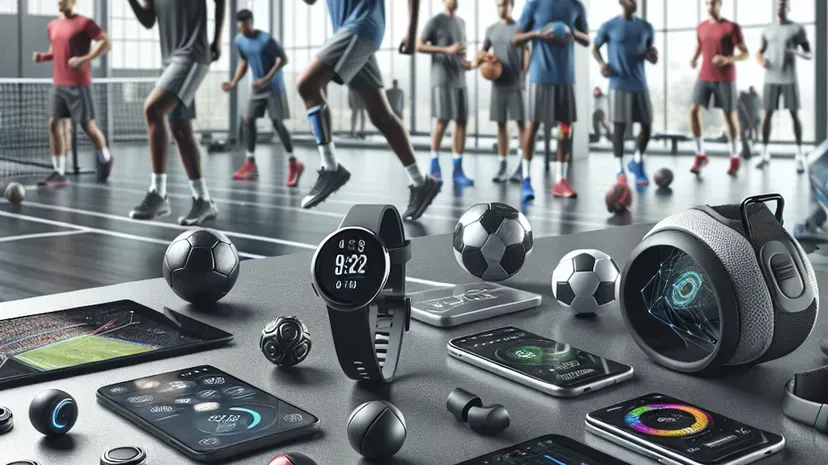
Technology in sports is revolutionizing the way athletes prepare, compete, and recover. With advancements such as wearable technology and artificial intelligence in sports, athletes are gaining a significant edge in performance analytics. These innovations allow teams and individuals to utilize data-driven insights, enhancing training regimens, and optimizing health management. From VR training for athletes simulating game scenarios to injury prevention technology that proactively mitigates risks, the integration of tech is a game changer. This blog post explores the diverse facets of technology shaping athletic performance in the modern era, emphasizing its critical role in the future of sports.
The integration of cutting-edge innovations in athletics is creating a paradigm shift in how performance is understood and enhanced. The use of smart devices and biomechanics are no longer just supportive elements; they are becoming essential components in training and competition. Emerging trends such as data analysis, virtual reality experiences, and intelligent health monitoring are redefining the sporting landscape. Techniques that leverage statistics for injury management and performance optimization are increasing success rates among athletes. This discourse examines the multifaceted impact of technology, illustrating how it’s poised to elevate the future of sport.
The Evolution of Wearable Technology in Sports
Wearable technology has seen unprecedented growth in recent years, becoming a central element in the training and performance of athletes. Devices like smartwatches and fitness trackers have become more sophisticated, allowing athletes to collect critical data on various physiological metrics, including heart rate, calorie burn, and recovery rates. This growth in wearable tech empowers athletes by enabling them to tailor their training programs based on data-driven insights. Major brands have developed specialized wearables designed specifically for different sports disciplines, enhancing their effectiveness and integration into training regimens.
The continuous evolution of wearables is not just about collecting data but also about analyzing that data to improve performance. With the integration of advanced algorithms and AI, these devices can predict performance outcomes, enabling athletes to push their limits safely. Furthermore, as wearables become more accurate and user-friendly, their adoption across various levels of sport—from youth athletes to professionals—continues to rise, proving their importance in the modern athletic landscape.
In addition to performance tracking, wearable technology is facilitating recovery and injury prevention for athletes. Devices equipped with biomechanical sensors are being used to assess movement patterns and identify areas of risk, enabling a proactive approach to injury management. This shift from reactive rehabilitation to preventive strategies is essential, as it helps athletes maintain peak performance while reducing downtime. Furthermore, the insights gained from wearables are helping coaches tailor training loads and recovery protocols, ensuring athletes recover optimally and perform their best during competitions. As technology advances, the potential applications of wearables in sports will only grow, setting the stage for personalized training experiences.
Transformative Impact of Artificial Intelligence in Sports
Artificial Intelligence (AI) is transforming not just how athletes train, but also how teams strategize during competitions. By analyzing vast amounts of game data, AI can uncover insights that human analysts might miss, such as player tendencies and optimal game strategies. For example, AI-powered tools are now used to analyze opponents’ playing styles, enabling coaches to craft tailored strategies that leverage their team’s strengths against vulnerabilities in opposing teams. This predictive analysis has changed the landscape of game preparation, making it a vital asset for teams aiming to enhance their competitive edge.
Moreover, AI facilitates real-time decision-making during games, providing coaches with tactical recommendations based on live data analytics. This level of analytical capability ensures that coaching staff can adapt strategies on the fly, crucial in high-stakes scenarios. As AI technology continues to develop, its impact on sports strategy and performance analysis will only become more profound, leading to smarter game plays and ultimately enhancing overall team performance.
Beyond strategic applications, AI also plays a pivotal role in injury prevention and recovery for athletes. By analyzing training patterns and biometric data, AI systems can identify stress metrics that point to potential injuries. This proactive approach allows athletic trainers to intervene before injuries occur, creating a healthier athlete with a longer career span. Additionally, AI algorithms facilitate the processing of imaging data from injuries, enhancing diagnosis and recovery protocols tailored to individual athletes. This fusion of AI with sports medicine underscores the essential role technology plays in advancing athlete welfare and performance.
The Role of Virtual Reality Training for Athletes
Virtual Reality (VR) training is revolutionizing the preparation of athletes across various sports disciplines by offering immersive simulation experiences. Athletes can practice critical game scenarios in a controlled environment without the risk of injury, making it an invaluable training tool. For instance, quarterbacks in football can rehearse different defensive formations while improving their decision-making skills in real-time scenarios. This immersion helps athletes enhance their cognitive skills and reaction times, which are vital during actual competitions.
Moreover, VR training platforms can also provide instant feedback, allowing athletes to analyze their performance and make adjustments on the fly. By leveraging this technology, athletes can engage in strategic visualization, where they mentally rehearse their roles and responsibilities, leading to improved readiness during high-pressure situations. As VR becomes more accessible, its incorporation into training regimes will continue growing, reshaping how athletes prepare for competition.
In addition to skill development, VR technology also assists in mental conditioning for athletes. It is well-documented that mental preparation plays a crucial role in athletic performance; hence, VR can facilitate visualization techniques, helping athletes mentally rehearse their performance, address anxiety, and build confidence. Such mental readiness is critical, particularly in high-stakes competitions. Further, VR can simulate crowd environments that athletes can practice in, allowing them to acclimatize to the pressures of competition, ultimately improving their focus and poise under pressure. These applications not only enhance athletes’ physical preparedness but also bolster their mental resilience.
Harnessing Sports Analytics for Performance Enhancement
Sports analytics has emerged as an essential component in maximizing athletic performance, transforming how teams approach training and competition. Through the collection and analysis of performance data, teams can glean insights into player strengths and weaknesses, allowing for customized coaching interventions. Analytics platforms enable coaches to monitor everything from player speed to tactical formations, establishing a comprehensive understanding of player dynamics. This data-driven approach empowers teams to formulate game plans that leverage their players’ skills effectively, enhancing overall performance and competitiveness in their respective leagues.
Moreover, advanced analytics are not limited to just performance optimization; they also inform critical decisions such as player recruitment and development. By analyzing trends and statistical correlations, teams can make well-informed decisions on player acquisitions or youth development strategies, fostering a sustainable cycle of performance improvement. This synergy between analytics and talent management underscores the vital role data plays in shaping the future of sports.
Another impressive application of sports analytics lies in injury prevention and rehabilitation protocols. By analyzing biomechanical data collected from athletes during training, teams can identify risk factors and customize training loads to prevent injuries. For instance, if analytics indicate that an athlete’s workload exceeds their capacity, coaching staff can modify training regimens to ensure optimal recovery and performance. Consequently, sports analytics not only enhances athlete performance but also plays a crucial role in maintaining athlete health and longevity, proving that data-driven decisions are indispensable in the world of sports.
Biomechanics: The Science of Performance Optimization
Biomechanics focuses on understanding the mechanical principles underlying human motion, thus playing a pivotal role in optimizing an athlete’s performance. Technologies such as motion capture and force plates allow coaches to analyze an athlete’s movements with unparalleled precision. Insights gained from these analyses help in adjusting techniques, enhancing efficiency, and maximizing power in sports applications—from sprinting to swimming. By leveraging biomechanics, coaches can pinpoint specific motion patterns that require adjustment, ultimately leading to improved athletic performance and reduced injury risks.
Moreover, advancements in biomechanics are increasingly being utilized to tailor training programs to individual athletes. By understanding the unique physical attributes and movement capabilities of each athlete, coaches can personalize training strategies that align with their biomechanical profiles. This individualized approach fosters peak performance, as athletes train in ways that optimize their natural movements while minimizing injury risks also. The ongoing integration of biomechanics into athlete development showcases the importance of this scientific discipline in elevating sports performance.
In addition to performance enhancement, biomechanics plays a crucial role in injury prevention strategies for athletes. Analyzing the mechanics of an athlete’s motion can reveal areas of undue stress on certain body parts, allowing coaches and trainers to implement corrective measures before injuries occur. For instance, by identifying an athlete’s flawed running form, adjustments can be made to reduce the risk of common injuries, such as tendonitis or stress fractures. Consequently, biomechanical analyses not only enhance training efficacy but also prepare athletes for longer, healthier careers in their sports.
The Intersection of Nutrition and Technology in Sports Performance
Nutrition has always been vital in athletic performance, and the advent of technology is enhancing how athletes manage their dietary needs. Nutrition apps and platforms enable athletes to track caloric intake, macronutrient balance, and hydration levels, ensuring they fuel their bodies effectively for optimal performance. With the ability to analyze personal dietary habits, athletes can make informed nutritional choices that align with their training goals, improving their energy levels and overall performance during competitions.
Furthermore, technology is facilitating innovations in personalized nutrition through biomarkers and genetic testing. Startups are developing tools that allow athletes to receive tailored nutrition plans based on their unique physiological profiles. By identifying specific dietary needs rooted in individual biochemistry, athletes can optimize their nutrition for better performance outcomes, demonstrating the crucial intersection of nutrition and technology in sports.
Moreover, wearable technology is playing an increasingly significant role in monitoring an athlete’s nutrition and hydration status during training and competitions. Devices equipped with hydration sensors alert athletes about their fluid levels, ensuring they maintain optimal hydration throughout their training sessions. Enhanced hydration practices are crucial not just for performance; they also play a vital role in recovery and injury prevention. Athletes need to understand the importance of nutrition and hydration alongside their training regimen, as this holistic approach underlines the importance of technology in supporting sustained athletic success.
Injury Prevention Technology: Safeguarding Athlete Health
Injury prevention technology is transforming how teams approach athlete safety and health. Tools that monitor biomechanical data can detect irregularities in an athlete’s movement patterns, signaling an increased risk of injury. By integrating these technologies into training regimens, coaching staff can proactively adjust workouts to mitigate these risks. This shift toward preventive measures holds the potential to extend the careers of many athletes, as they can train smarter and maintain peak performance without the common pitfalls of sports injuries.
Moreover, advancements in imaging technology are enhancing the ability of medical teams to diagnose and treat injuries early. Technologies such as MRI and ultrasound have become crucial in identifying injuries before they occur. Teams using these tools can create more effective rehabilitation protocols tailored to each athlete, ensuring that recovery is thorough and prevents future issues. By embracing these innovative approaches, sports organizations are prioritizing the health and welfare of their athletes, reimagining injury management within the realm of competitive sports.
Additionally, recovery technologies such as cryotherapy, electrical stimulation, and advanced rehabilitation protocols are underpinned by technology aimed at speeding up recovery processes for injured athletes. Innovations like these not only help athletes return to their sport sooner but also enhance their performance by reducing recovery time between training sessions. Employing injury prevention and rehabilitation technologies demonstrates a forward-thinking approach in athletics, highlighting the critical intersection of health, performance, and technology.
The Future of Sports Technology: What Lies Ahead
The future of sports technology promises even more groundbreaking innovations that will redefine athletic performance. As wearable technology continues to evolve, we can anticipate devices that provide even more precise data on real-time physiological conditions, such as blood oxygen levels and muscle strain, thereby delivering comprehensive insights into athlete well-being. This entails a more integrated approach where athletes use interconnected devices, creating a dynamic feedback loop that collects and analyzes data continuously. With these advancements, personalized training programs will become even more sophisticated, allowing athletes to maximize their potential like never before.
Looking ahead, the increasing incorporation of artificial intelligence is expected to revolutionize not only training and performance analysis but also fan engagement. AI algorithms might create virtual coaching assistants that provide individually tailored advice through immersive technology experiences. We may also see greater integration between athletes and fans through augmented reality, allowing enhanced viewing experiences during live events. As the lines between technology and sports continue to blur, the future of athletic performance holds exciting possibilities for both athletes and fans, ushering in an era of unparalleled athletic achievement.
Furthermore, the convergence of health technology and sports is likely to gain momentum, particularly as athletes become more aware of holistic well-being. Innovations in mental health tracking, nutrition, and injury prevention will pave the way for a more comprehensive support system for athletes. This holistic approach will not only enhance performance but also ensure that athletes can maintain their mental health throughout their careers. As the industry continues to innovate, embracing technology will be integral for the future athletes aspire to achieve, solidifying technology’s role as a cornerstone of the sports industry in years to come.
Frequently Asked Questions
What is wearable technology in sports and how does it enhance athletic performance?
Wearable technology in sports refers to devices like fitness trackers and smartwatches that monitor athletes’ physiological data. These devices provide real-time insights on metrics such as heart rate, distance, and calories burned, enabling athletes to optimize their training sessions and recovery processes. By using wearable technology, athletes can make data-driven decisions that significantly enhance their overall performance.
How is artificial intelligence transforming the training of athletes?
Artificial intelligence in sports is revolutionizing athlete training by analyzing player performance data to create tailored training programs. AI algorithms can assess opposing team strategies and offer predictive insights, allowing coaches to develop more effective game plans. This technological shift ensures athletes are better prepared and can perform at peak levels during competitions.
What role does virtual reality training play in sports?
VR training for athletes provides immersive practice environments that help improve skills without the risk of injury. For instance, basketball players can use VR to practice game scenarios, enhancing their decision-making and reaction times in a controlled setting. This innovative approach allows athletes to refine their techniques repetitively, leading to significant performance improvements.
How are sports analytics tools changing the way teams plan their strategies?
Sports analytics involves using advanced data analysis to improve team performance. By processing large datasets, analytics platforms equip coaches with insights into player movements and strategies. This information is crucial for making informed decisions regarding training regimens, player recruitment, and in-game tactics, ultimately leading to enhanced sporting outcomes.
What is the importance of biomechanics in sports performance optimization?
Biomechanics examines the mechanical aspects of athlete movements, helping coaches optimize performance and reduce injury risks. By using motion capture and pressure sensors, coaches can analyze an athlete’s biomechanics, like stride or swimming strokes, to make necessary adjustments. This tailored approach improves efficiency and reduces the chance of injuries such as shin splints.
How does technology assist in injury prevention for athletes?
Injury prevention technology employs advanced imaging and sensor monitoring to identify potential risks before they escalate. Teams can use biomechanical feedback systems to track athletes’ movements, alerting staff to any risky patterns. This proactive approach to injury management helps keep athletes healthy and enhances their overall longevity in sports.
What advancements are being made in nutrition technology for athletes?
Nutrition technology for athletes includes apps and wearable devices that track dietary intake and hydration levels. Emerging startups are developing personalized nutrition plans based on biomarker analysis, allowing athletes to optimize their nutritional intake for enhanced performance. These technologies enable athletes to maintain the right balance of macronutrients for peak physical condition.
How can AI predict athletic performance outcomes?
AI in sports utilizes predictive analytics to assess performance outcomes by analyzing historical data and game situations. By identifying patterns that human analysts might miss, AI helps coaches and teams formulate better strategies and improve training methods. This allows teams to refine their approach, ultimately enhancing their chances of success during competitions.
What technologies are currently used for athlete rehabilitation?
Athlete rehabilitation technologies include advanced imaging techniques and sensor-based monitoring systems that identify injury risks. Tools such as cryotherapy and electrical stimulation devices facilitate quicker recovery processes. These innovations not only help in rehabilitation but also ensure that athletes return to peak performance faster and more safely.
What is the future of technology in sports performance?
The future of technology in sports is promising, as advancements continue to shape athlete performance. Innovations such as wearable tech, AI-driven analytics, VR training, and biomechanics will increasingly drive competitive edges in the sporting realm, allowing athletes to achieve levels of performance previously deemed unattainable. This trend illustrates a seamless integration of technology into sports practices.
| Key Point | Description |
|---|---|
| Wearable Technology | Devices that monitor performance and health metrics in real-time, aiding in training and recovery. |
| Virtual Reality and Augmented Reality | Immersive training environments that enhance skill practice and improve decision-making. |
| Advanced Analytics and Data Science | Utilizing data analysis to inform coaching decisions and enhance player performance. |
| Biomechanics and Sports Performance | Analysis of movement mechanics to prevent injuries and optimize performance. |
| Nutrition and Performance | Technologies that tailor nutrition plans based on athlete needs and performance. |
| Artificial Intelligence | AI systems analyze game strategies to enhance training and competitiveness. |
| Injury Prevention and Rehabilitation | Advanced tools that proactively identify injury risks and aid in recovery. |
Summary
Technology in sports is radically transforming how athletes train, compete, and recover. From wearable devices that monitor performance metrics to advanced analytics that guide coaching strategy, the integration of technology is becoming synonymous with athletic performance. The use of Virtual Reality (VR) creates immersive training experiences, while Artificial Intelligence (AI) aids in strategic decision-making, making it a crucial asset for teams. Moreover, innovations in biomechanics and nutrition are allowing athletes to optimize their performance and reduce injury risks. As these technologies continue to evolve, they promise to shape a new era of athletic excellence, emphasizing the growing importance of technology in sports.