Listen to this article
In the rapidly evolving world of business, building a sustainable business model has become essential for long-term success. This approach not only prioritizes eco-friendly practices but also aligns with the growing consumer demand for sustainability in business. As more brands adopt green business strategies, incorporating corporate social responsibility into their operations, the focus is on achieving sustainable development that benefits both profit and planet. Companies that successfully integrate these principles not only enhance their brand image but also drive loyalty among a market of eco-conscious consumers. Join us as we explore the crucial components and strategies needed to establish a thriving business that champions sustainability.
When we talk about a sustainable business model, we refer to an approach that harmonizes economic, environmental, and social responsibilities. This business framework aims to create lasting value by implementing ethical practices that not only enhance profitability but also safeguard the planet’s future. With a focus on environmentally responsible strategies and community engagement, organizations can foster a culture of innovation and resilience. Adopting methods like sustainable supply chains and effective waste management contributes to a green business ethos that resonates with modern consumers. In this guide, we will delve into various aspects of this forward-thinking strategy that can redefine success in today’s market.
Understanding Sustainable Business Models
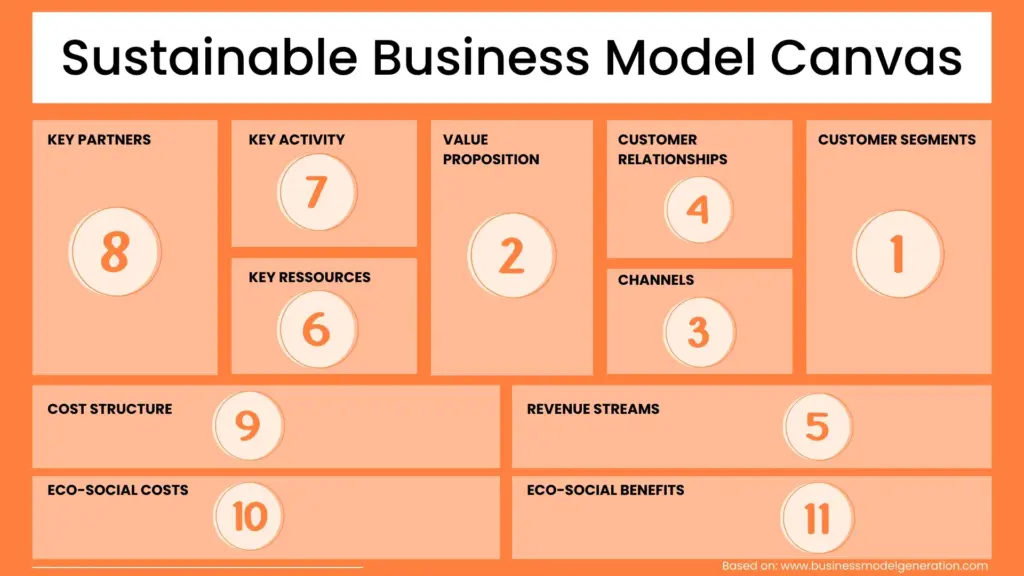
A sustainable business model involves integrating sustainability into the core strategies of a company, ensuring that economic success aligns with environmental health and social equity. This multidimensional approach encourages companies to rethink not just how they operate but also the impact of their operations on the planet and communities. As global awareness about environmental issues rises, a business model that prioritizes sustainability becomes a crucial differentiator in the marketplace.
Moreover, sustainable business models are fundamentally about creating value in ways that are sustainable long-term. This means adopting practices like circular economy principles, which minimize waste and make the best use of resources. As Daniel, a sustainability consultant, argues, “Companies must innovate not only for profit but for the planet. Those who ignore this reality will find themselves on the wrong side of consumer choices and regulatory frameworks in the near future.”
The Importance of Sustainable Practices in Business
In today’s competitive landscape, the importance of sustainable practices in business cannot be overstated. Businesses that integrate eco-friendly practices into their operations tend to attract a more loyal customer base. According to recent surveys, many consumers are willing to pay a premium for products from companies that prioritize sustainability, viewing their purchases as an endorsement of environmental stewardship.
Furthermore, businesses that adopt sustainability practices often experience enhanced brand reputation and customer loyalty. This shift is underscored by Sandra, a marketing expert, who explains, “Sustainable practices are not just good for the Earth; they resonate with consumers’ values. Brands that communicate their commitment to the environment effectively can develop deep connections with their customers.”
Key Benefits of Implementing a Sustainable Business Model
Implementing a sustainable business model brings a plethora of benefits that can propel a company ahead of its competitors. For one, it often leads to reduced operational costs through efficiencies gained from waste reduction and energy savings. A study highlighted by the World Economic Forum noted that companies with strong sustainability programs often see a significant reduction in their utility bills and waste disposal costs.
Additionally, an effective sustainable model attracts values-driven investors. Many investment firms now scrutinize the environmental, social, and governance (ESG) practices of companies before making funding decisions. Jeremy, an investment analyst, notes, “Investors are increasingly steering their capital towards sustainable businesses. A commitment to sustainability is seen as a risk mitigator and a pathway to long-term profitability.”
Steps to Create an Effective Sustainable Supply Chain
Creating an effective sustainable supply chain is crucial for businesses aiming to reduce their environmental footprint. This process starts with choosing suppliers who share the commitment to sustainability, emphasizing locally-sourced materials whenever possible. By doing so, companies can significantly cut transportation emissions and support local economies, enhancing community relationships.
Moreover, integrating sustainability into the supply chain encourages accountability and transparency among partners. Cindy, a supply chain manager, explains, “When we prioritize working with eco-conscious suppliers, we not only bolster our sustainability credentials but also encourage our entire network to adopt greener practices, ultimately creating a ripple effect throughout the industry.”
Engaging Stakeholders in Sustainability Initiatives
Engaging stakeholders is vital for fostering a culture of sustainability within any organization. This involves bringing employees, customers, suppliers, and the community into the conversation around sustainability initiatives. When stakeholders feel that they have ownership in these decisions, they are more likely to support and participate in efforts to move towards sustainable practices.
To effectively engage stakeholders, businesses should create platforms for dialogue and collaboration. For example, hosting workshops or sustainability forums can help educate and motivate stakeholders about the importance of eco-friendly practices. As Mark, a corporate social responsibility officer, mentions, “Engagement is not a one-time event; it’s a continuous process that builds relationships and strengthens our commitment to sustainability.”
Overcoming Challenges in Building a Sustainable Business
Building a sustainable business model does come with challenges that need to be addressed thoughtfully. Initial costs of implementing sustainable practices can be daunting for many companies. Businesses should explore innovative financing solutions such as government grants, tax incentives, or even establishing partnerships with green organizations, which can alleviate some of the upfront financial burdens.
Moreover, resistance to change within the organization can stifle progress. Leadership must actively communicate the long-term benefits of sustainability and involve employees in the transition process. “As leaders, it’s our job to champion the cause of sustainability and demonstrate how it can align with our business goals,” emphasizes Rachel, a change management consultant.
Measuring Impact and Success in Sustainability Efforts
Measuring the impact of sustainability efforts is crucial for understanding their effectiveness and identifying areas for improvement. Businesses should establish clear metrics to evaluate their sustainability initiatives, whether it be energy consumption reduction, carbon footprint minimization, or community engagement levels. Regular assessments help ensure accountability and can drive continuous improvement.
Additionally, sharing these metrics with stakeholders enhances transparency and builds trust. It allows companies to celebrate successes and learn from shortcomings. As Tom, a sustainability analyst, puts it, “When companies can demonstrate their progress through clear data, it not only validates their efforts but also inspires others to commit to sustainability initiatives.”
Frequently Asked Questions
What defines a sustainable business model in today’s market?
A sustainable business model is defined by its integration of economic, environmental, and social considerations into its operations. It prioritizes profits while also aiming to benefit society and the planet, responding to the growing consumer demand for eco-friendly practices and corporate social responsibility.
How does sustainability in business improve profitability?
Sustainability in business can enhance profitability through cost-efficient practices, such as reducing waste and optimizing resources. By adopting eco-friendly practices, companies also appeal to a market of eco-conscious consumers, increasing sales and brand loyalty.
What steps can I take to transition to a green business model?
To transition to a green business model, start by assessing your current practices, defining a clear sustainability value proposition, creating a sustainable supply chain, and implementing energy-efficient and waste-reducing methods. Engage stakeholders and measure your impact regularly to refine your approach.
What role does corporate social responsibility play in a sustainable business model?
Corporate social responsibility (CSR) is central to a sustainable business model as it involves ethical governance and community engagement. Incorporating CSR not only enhances a company’s reputation but also builds trust with consumers who value social equity and environmental integrity.
How can technology support sustainable development in business?
Technology supports sustainable development by enabling businesses to optimize their operations through energy-efficient machinery, data tracking for sustainability metrics, and innovations that reduce carbon footprints. Leveraging technology ensures that sustainable practices are effective and measurable.
What are the benefits of having a sustainable supply chain?
A sustainable supply chain provides numerous benefits, including reduced carbon footprints through local sourcing, enhanced reputation as a green business, and lower operational costs due to efficient resource management. It fosters community support and encourages eco-friendly practices among suppliers.
What challenges do businesses face when implementing sustainable practices?
Businesses often face challenges such as initial costs, resistance to change within the organization, and competitive pressures from low-cost alternatives. Overcoming these obstacles requires strong leadership, training, clear communication of the benefits of sustainability, and demonstrating long-term value.
| Key Points | Details |
|---|---|
| Definition | Integrates economic, environmental, and social considerations to achieve long-term viability. |
| Importance | Meets consumer demand, complies with regulations, improves cost efficiency, and attracts talent. |
| Steps to Build | 1. Assess current model 2. Define value proposition 3. Create sustainable supply chain 4. Implement sustainable practices 5. Engage stakeholders 6. Evaluate and measure impact |
| Key Components | 1. Economic viability 2. Environmental integrity 3. Social equity |
| Best Practices | – Be transparent – Leverage technology – Stay flexible |
| Challenges | – Initial costs – Resistance to change – Market competition |
| Tips to Overcome Challenges | – Seek financing for upfront costs. – Foster a culture valuing sustainability. – Differentiate with sustainability. |
Summary
A sustainable business model is crucial in today’s market, where consumers value eco-friendly and socially responsible practices. Have you ever wondered why businesses focusing on sustainability seem to thrive? It’s simple! They attract conscientious consumers, comply effectively with regulations, and often enjoy reduced operational costs. So, as you consider the steps necessary to build such a model, think about assessing your current practices, engaging stakeholders, and measuring your progress. What’s your business doing to integrate sustainability? Remember, embracing this model is not just beneficial for the planet; it’s vital for the future success of your company.