
Listen to this article
Creating a strong business brand is crucial for success in today’s ever-evolving marketplace. A strong business brand not only sets you apart from your competitors but also cultivates meaningful connections with your audience, fostering trust and loyalty. In this guide, we will delve into the key elements to build a brand that resonates with consumers, emphasizing the importance of brand identity and a unique selling proposition. By weaving a compelling brand story and maintaining consistency across all platforms, your business can thrive through effective digital marketing strategies. Ultimately, a well-crafted brand will not only attract new customers but also inspire long-lasting relationships.
When discussing the concept of a resilient commercial identity, several alternative terms come to mind, such as brand reputation, company image, and market presence. Establishing an impactful brand involves understanding your audience and crafting a narrative that speaks to their needs. A distinctive value proposition is vital for differentiating yourself from rivals and winning customer loyalty. Furthermore, a robust online strategy, which encompasses social media interaction and content creation, can elevate recognition and engagement. The essence of your branding journey lies in nurturing a consistent and relatable identity that resonates across all channels.
Understanding Your Brand’s Core Values
To craft a successful business brand, the first step lies in clearly identifying your core values. These values serve as the foundation upon which your brand is built. Think of them as guiding principles that inform your actions and decisions in the marketplace. For instance, if your brand values sustainability, you might focus on eco-friendly products and practices, positioning yourself decisively in the green market.
Once you have articulated your core values, it’s essential to communicate them effectively to your audience. This includes weaving your values into your brand story and marketing materials. By doing so, your customers can resonate with what you stand for, which enhances their emotional connection to your brand and encourages loyalty.
Defining Your Unique Selling Proposition (USP)
Your Unique Selling Proposition, or USP, is critical for standing out in a crowded marketplace. It highlights what makes your offering distinct from competitors. To develop a compelling USP, identify the specific problems your product or service solves for consumers. Ask yourself how you provide exceptional value, whether through quality, pricing, or innovative features.
Communicating your USP effectively is equally important. This should be a central theme across your digital marketing strategies, ensuring potential customers clearly understand why they should choose your brand over others. This clarity not only boosts initial interest but fosters deep brand loyalty over time.
Developing a Cohesive Brand Identity
A well-defined brand identity includes your logo design, color palette, typography, and overall tone of voice. Each of these elements should work harmoniously to convey your brand’s message and personality. For example, a whimsical logo might suggest a youthful brand, while a sleek design may indicate sophistication, appealing to a more formal audience.
Moreover, consistency in these visual elements reinforces brand recognition. Whether a customer encounters your brand on social media or your website, maintaining uniformity allows for a seamless experience. This consistency helps build trust and ensures that your brand identity becomes easily recognizable over time.
Crafting an Authentic Brand Story
Storytelling is a powerful means of making your brand relatable and memorable. Your brand story should capture the unique journey of your business, including your challenges and victories. Sharing personal anecdotes can humanize your brand and deepen connections with your audience, making them more inclined to support your mission.
An effective brand story also emphasizes your values and the impact you aspire to create within your industry. When customers feel connected to your narrative, they are more likely to develop loyalty and advocate for your brand in their personal networks.
Harnessing Digital Marketing Strategies
In today’s digital landscape, employing robust digital marketing strategies is paramount for enhancing brand visibility. Social media marketing, for example, offers unique opportunities to engage with your audience. It’s essential to create and share content that resonates with your target audience, fostering engagement and loyalty.
Additionally, content marketing establishes your brand as an authority in your field. By creating valuable and informative content, you build trust with your audience while simultaneously enhancing your SEO rankings. This dual approach not only attracts potential customers but also nurtures existing relationships.
The Importance of Brand Consistency
Consistency in branding is crucial for recognition and trust. When your messaging, visuals, and customer experiences are uniform, it creates a cohesive narrative that customers can depend on. Inconsistent branding can lead to confusion and weaken your identity, making it harder for customers to connect with your brand.
Striving for brand consistency across all platforms—from your website to emails and social media—ensures that customers know exactly what to expect. This reliability fosters customer loyalty, encouraging repeat business and long-term relationships.
Measuring and Evolving Your Brand Strategy
Building a strong business brand is an ongoing journey that requires regular assessment and evolution. Utilize analytics tools to track the effectiveness of your branding initiatives, such as customer engagement and feedback. These insights can reveal strengths and areas in need of improvement.
Encouraging feedback from your customers can also provide valuable perspectives on how your brand is perceived. By staying attuned to customer needs and trends, you can adapt your strategies to ensure your brand remains relevant and continues to resonate within your market.
Frequently Asked Questions
How can I build a strong business brand that stands out?
Building a strong business brand involves understanding your brand’s core values, defining your Unique Selling Proposition (USP), and developing a cohesive brand identity. Start by analyzing your target audience and what makes your brand unique compared to competitors.
What is a Unique Selling Proposition (USP) and why is it important for a strong business brand?
A Unique Selling Proposition (USP) is what differentiates your brand from competitors. It articulates the unique benefits and values your product offers. Defining a clear USP is crucial for creating a strong brand that resonates with your target audience and establishes loyalty.
How do I develop my brand identity effectively?
To develop your brand identity, focus on key elements such as logo design, color palette, typography, and tone of voice. Each component should reflect your brand’s personality and values consistently across all platforms to establish recognition and trust.
What role does storytelling play in creating a strong business brand?
Storytelling is essential in creating a strong business brand as it helps to connect with your audience emotionally. A compelling brand story that highlights your mission, values, and challenges makes your brand relatable and fosters a deeper connection with your customers.
What digital marketing strategies should I use to enhance my strong business brand?
Utilize digital marketing strategies such as social media marketing, content marketing, SEO, and email marketing. These strategies enhance your brand’s visibility online, allowing for effective engagement and communication with your audience.
Why is brand consistency vital for a strong business brand?
Brand consistency is vital as it fosters recognition and trust among consumers. Consistent messaging, visuals, and customer experiences reinforce your brand identity and prevent confusion, thus solidifying customer loyalty.
How can I measure the effectiveness of my strong business brand?
Measuring your brand’s effectiveness involves using analytics tools to assess branding efforts, audience feedback, and market perception. Regularly evaluate performance metrics and adapt your branding strategies based on data and customer insights.
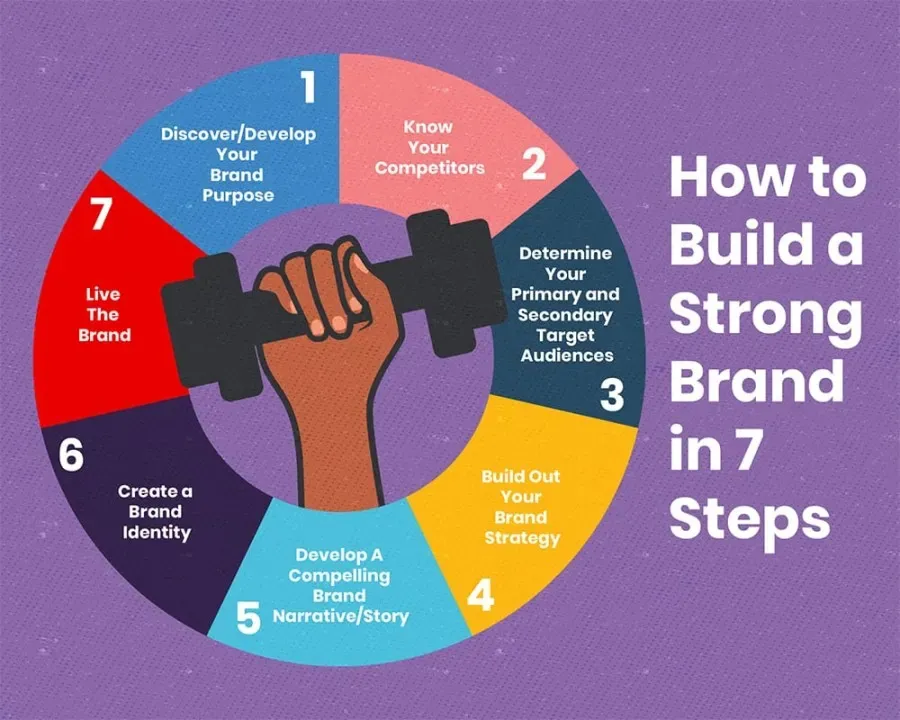
| Key Point | Description |
|---|---|
| Understanding Your Brand | Grasp your core values, mission, target audience, and uniqueness. |
| Define Your Unique Selling Proposition (USP) | Articulate what makes your product/service different and valuable. |
| Develop Your Brand Identity | Create a cohesive visual and verbal representation including logo, colors, typography, and tone. |
| Crafting a Memorable Brand Story | Tell your brand’s story to emotionally connect with your audience. |
| Utilize Digital Marketing Strategies | Leverage social media, content marketing, SEO, and email marketing for brand visibility. |
| Consistency is Key | Maintain unified messaging and visuals across all platforms. |
| Measure and Evolve Your Brand | Use analytics to assess brand success and adapt strategies. |
Summary
Strong Business Brand is crucial in a competitive market, as it not only differentiates your offerings but also establishes trust and loyalty with your audience. By understanding your brand, defining your unique value, developing a strong identity, and utilizing effective digital strategies, you’ll create a memorable presence in the market. Embracing consistency and adapting to feedback are vital steps in nurturing this brand, ensuring it resonates with your customers for years to come.

