Listen to this article
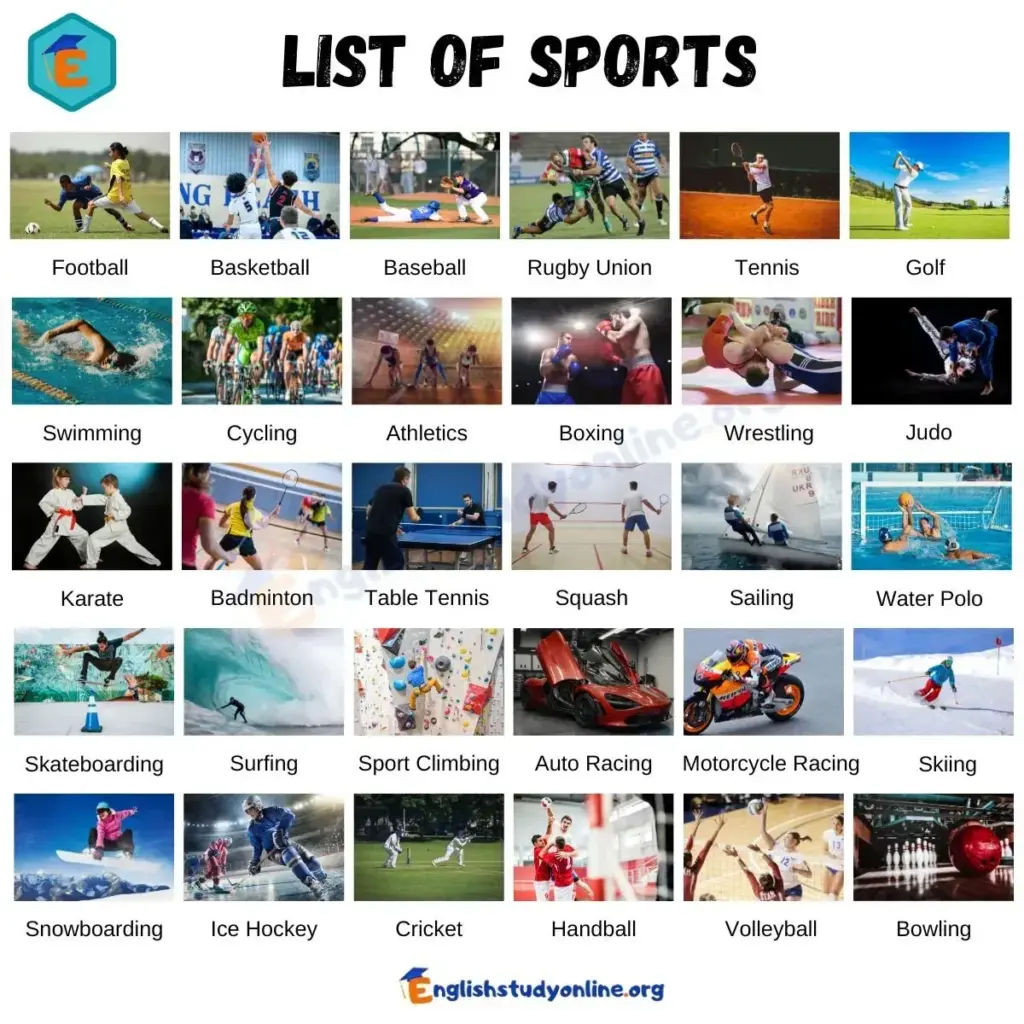
When it comes to popular sports, the global landscape is rich with diversity and passion, showcasing a variety of games that capture the hearts of millions. From the thrill of soccer in Europe to the explosive energy of basketball in the USA, sports around the world embody not only competition but also a deep-seated cultural significance. Through international sports events like the FIFA World Cup and the Olympics, countries unite in shared excitement, illustrating the global sports popularity that transcends borders. As we explore the top sports by country, we uncover the unique fan cultures that enrich each game, from cricket in India to rugby in New Zealand. This guide aims to illuminate the vibrant realm of sports, revealing their profound impact on society and community engagement.
Exploring athletic pursuits reveals an array of engaging activities that captivate audiences worldwide, often referred to as sports spectacles. These competitions showcase not only athletic prowess but also the intricate relationships formed between fans and their beloved teams or athletes. By examining major sporting events on a global scale, we can appreciate the unity and rivalry that sports instill among nations. Whether through the excitement of a basketball tournament or the strategic gameplay of cricket, each discipline fosters a unique atmosphere of camaraderie, reinforcing the importance of these games in our lives. This journey into the world of sports celebrates the essential role they play in shaping identities and nurturing community bonds.
Understanding the Global Popularity of Soccer
Soccer, known as football outside North America, holds a significant place in the hearts of billions around the globe. Its global popularity can be attributed to its simplicity, accessibility, and the thrilling nature of its play. The FIFA World Cup stands as one of the world’s most-watched sporting events, drawing in audiences from diverse cultures. In countries where it may be illustrous, the sport fosters a sense of unity and pride among fans, bridging language and cultural gaps.
In addition to its entertainment value, soccer’s impact on sports fan culture is profound. Communities become tightly knit through local clubs and international rivalries, transforming casual fans into die-hard supporters. This fervor extends to youth participation, with children often being introduced to the sport at a young age, nurturing both skill and passion for years to come. As soccer continues to grow, its role in shaping community identities remains indispensable.
The Rise of Basketball in Global Sports Popularity
Basketball has rapidly risen to become one of the top sports globally due to its fast-paced action and the allure of professional leagues like the NBA. Since its creation in the 1890s, basketball has captivated audiences around the world, particularly in North America, where it has a deeply entrenched cultural significance. International competitions, such as the FIBA Basketball World Cup and the Olympics, further spotlight the sport as players from diverse countries showcase their skills on a global stage.
Moreover, the accessibility of basketball has helped its expansion across different nations. All that is needed is a ball and a hoop, making it easier for communities—including schools and local parks—to encourage participation. This has led to a substantial increase in grassroots programs aiming to develop talent from a young age. As basketball penetrates various cultures, it fosters a global fan base that celebrates international competitions and the stories of athletes breaking barriers.
Exploring the Diverse Formats of Cricket
Cricket’s appeal lies in its rich history and the variety of formats it offers, which cater to different audiences. From the traditional five-day Test matches to the explosive T20 format, each version provides a unique experience. Countries like India and Australia have cultivated an immense fan culture around cricket, where matches are celebrated as socio-cultural events, drawing families and communities together.
Additionally, international tournaments like the ICC World Cup amplify cricket’s global profile, propelling players like Sachin Tendulkar and Shane Warne to international stardom. This not only elevates the sport’s status but also ignites pride among nations as they support their teams. The diverse formats make it easier for fans to engage with cricket, regardless of their schedule or level of commitment to following the sport.
Tennis: A Sport of Elegance and Skill
Tennis holds a unique position in the realm of sports due to its combination of individual brilliance and team dynamics in doubles formats. Major tournaments such as the Grand Slam events attract millions of viewers, showcasing athletes like Roger Federer and Serena Williams, who bring both talent and charisma to the court. The glitz and glamour associated with events like Wimbledon only add to the allure, making tennis a premier sport in both participation and viewership.
Furthermore, the global reach of tennis encourages interaction and admiration across cultures. Fans from different backgrounds bond over thrilling matches, transcending geographical boundaries. The sport’s adaptability allows young athletes from various countries, especially those in developing regions, to aspire towards professional careers in tennis, fostering the growth of new talents and enhancing the sport’s global fan base.
Rugby: A Show of Strength and Strategy
Rugby is renowned for its camaraderie and competitive spirit, which is evident in its fan culture. Predominantly popular in countries like New Zealand, Australia, and England, rugby embodies a thrilling blend of strength, strategy, and teamwork. Major competitions, such as the Rugby World Cup, serve as a stage for the sport’s top athletes, captivating audiences who revel in the grit and determination displayed on the field.
The sport’s diverse formats, including rugby union and rugby league, offer varying experiences for both players and fans. This versatility attracts wide participation, with grassroots initiatives encouraging youth involvement. As rugby continues to grow, particularly in non-traditional markets, it fosters national pride while enriching the global sports landscape, illustrating how athletic competition can unite diverse cultures.
The Universal Appeal of Athletics
Athletics stands as one of the most versatile and inclusive sports worldwide, encompassing a wide range of activities like running, throwing, and jumping. With roots tracing back to ancient Olympic Games, athletics has continually evolved, attracting participants of all ages and abilities. Events like the Olympics and World Athletics Championships symbolize the pinnacle of achievement, bringing together top athletes from around the globe, which enhances its reputation and engages fans globally.
Moreover, athletics is accessible, promoting health and fitness within communities. Schools and local clubs often host track and field events, encouraging young talent to explore various disciplines. These initiatives not only nurture emerging athletes but also foster a culture of exercise and competition at the grassroots level. The camaraderie built around athletics reinforces its importance in promoting well-being and unity among individuals.
Baseball’s Cultural Significance in the U.S. and Beyond
Baseball, often referred to as ‘America’s pastime,’ is more than just a sport; it is a cultural phenomenon that has evolved into a multi-billion dollar industry. With its rich history dating back to the 19th century, baseball has intertwined itself with American culture, influencing music, film, and social movements. Major League Baseball (MLB) serves as the premier professional league, captivating millions of fans through its dynamic gameplay and community-oriented approach.
The sport’s global expansion into countries like Japan and parts of Latin America further underscores its impact. Events like the World Baseball Classic highlight the international appeal of baseball, bringing together countries and cultures in friendly competition. This cultural significance cultivates a strong sense of identity and pride among fans, as communities rally around their teams, celebrating an integral part of their heritage.
Analyzing Sports Fan Culture Around the World
Sports fan culture has a remarkable ability to transcend boundaries, creating a shared sense of belonging among individuals from varied backgrounds. From the deafening roars of stadiums in Europe during football matches to the spectacle of the Super Bowl in the USA, passionate supporters exhibit a fervor that shapes the identity of communities. The rituals, chants, and traditions that accompany these sporting events enrich experiences for the fans and strengthen bonds within diverse population segments.
Moreover, fan cultures evolve with the rise of social media and technology, enabling global connectivity. Fans can now engage with counterparts from different nations, sharing their love for different sports. This act of unity fosters empathy and understanding among individuals, often leading to collaborative fan events and initiatives that underscore mutual respect and appreciation for each other’s sports and values.
The Future of Sports and Global Connectivity
As the world becomes increasingly interconnected, the future of sports promises to further influence cultural dynamics and social interactions globally. Innovations in technology, particularly live streaming and virtual reality, are evolving the way sports are consumed, making it possible for fans worldwide to engage with their favorite teams and players in real time. This evolution not only broadens fan engagement but also creates opportunities for new markets and demographics.
Furthermore, international sports events can foster diplomacy and cooperation among nations. The Olympic Games, for example, provide a platform for countries to showcase their talents while promoting peace and friendship. As sports continue to bridge divides and build connections among diverse communities, the potential for positive social change through athletics remains a compelling narrative that enhances the global sports landscape.
Frequently Asked Questions
What makes soccer the most popular sport around the world?
Soccer, known as football globally, is the most popular sport primarily due to its simplicity, widespread accessibility, and passionate fan culture. Played in over 200 countries and celebrated in events like the FIFA World Cup, it unites millions through the spirit of competition and camaraderie.
How does basketball’s popularity vary by country?
Basketball enjoys immense popularity, particularly in the USA, Canada, and many European and Asian countries. The sport’s global appeal is enhanced by the NBA, which showcases international talent and attracts a diverse fan base, fueling engagement in local leagues and community play.
What are the major international cricket events?
International cricket features major tournaments such as the ICC Cricket World Cup, ICC T20 World Cup, and the Ashes Series. These events highlight cricket’s global popularity, especially in countries like India, Pakistan, and Australia, and bring together enthusiastic fans from various cultures.
Why is tennis considered a global sport?
Tennis is recognized as a global sport due to its widespread participation and major tournaments like the Grand Slams, which attract millions of viewers. It is popular in North America, Europe, and Australia, creating an inclusive fan culture that celebrates athletic skill and competition.
What influences rugby’s popularity in specific countries?
Rugby’s popularity is shaped by its strong traditions in countries like England, New Zealand, and South Africa, where the sport’s history and professional leagues like the Rugby World Cup have fostered a dedicated fan base. Its strategic depth and intense competition add to its appeal.
How does athletics embrace global participation?
Athletics, encompassing track and field events, embraces global participation through its inclusivity and accessibility. Major events like the Olympic Games and World Championships invite athletes of all levels from various countries, enhancing its popularity and cultural significance worldwide.
What role does baseball play in American sports culture?
Baseball is integral to American sports culture, often referred to as ‘America’s pastime.’ Its rich history, combined with major leagues like MLB and lively events such as the World Series, create a unique fan culture that connects communities and celebrates tradition.
How do international sports events impact global sports popularity?
International sports events like the Olympics and World Cups significantly boost global sports popularity by showcasing diverse athletic talent and fostering camaraderie among nations. These events capture worldwide attention, enhancing fan engagement and inspiring new generations of athletes.
What are some factors that contribute to global sports fan culture?
Global sports fan culture is shaped by factors such as media coverage, social media engagement, community involvement, and the international exposure of teams and players. This interconnectedness allows fans from diverse backgrounds to share their love for sports, enhancing the communal experience.
Which popular sports are gaining traction in emerging markets?
Sports like basketball and cricket are gaining traction in emerging markets due to increased investment in leagues and grassroots programs. Countries in Africa and Asia show growing interest, driven by local heroes and international events, contributing to the sports’ global popularity.
| Sport | Origin/Background | Major Tournaments/Leagues | Notable Players |
|---|---|---|---|
| Soccer (Football) | Ancient civilizations (China, Greece) | FIFA World Cup, UEFA Champions League, Copa America | Pelé, Diego Maradona, Lionel Messi, Cristiano Ronaldo |
| Basketball | Invented in 1891 by Dr. James Naismith | NBA Finals, FIBA Basketball World Cup, Olympics | Michael Jordan, LeBron James, Kobe Bryant |
| Cricket | 16th century England | ICC Cricket World Cup, ICC T20 World Cup, Ashes Series | Sachin Tendulkar, Sir Vivian Richards, Shane Warne |
| Tennis | Ancient games, modern form developed in France | Australian Open, French Open, Wimbledon, US Open | Serena Williams, Roger Federer, Rafael Nadal |
| Rugby | Evolved from football-style games in Rugby School | Rugby World Cup, Six Nations, The Rugby Championship | Richie McCaw, Jonny Wilkinson, Dan Carter |
| Athletics (Track and Field) | Rooted in ancient Olympic Games | Olympic Games, World Athletics Championships, Diamond League | Usain Bolt, Carl Lewis, Florence Griffith-Joyner |
| Baseball | Primarily developed in the USA, Japan, Caribbean | Major League Baseball (MLB), Nippon Professional Baseball (NPB) | Babe Ruth, Jackie Robinson, Derek Jeter |
Summary
Popular sports are an integral part of our global culture, transcending borders and uniting people through shared passions. This guide highlights some of the most played and watched sports around the world, each with rich histories and influential figures. From soccer’s sweeping popularity, captivating billions during the FIFA World Cup, to basketball’s rapid rise with the NBA drawing fans globally, each sport provides a unique platform for engagement and connection. Understanding these sports not only enhances our appreciation for athletic performances but also fosters camaraderie and community among fans, making them a vital thread in the fabric of society.