
Listen to this article
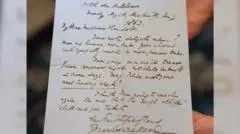
The recent discovery of a Dickens fan letter addressed to the illustrious opera singer Pauline Viardot offers a fascinating glimpse into the personal life of Charles Dickens. Dated 1863, this heartfelt correspondence not only invites Viardot to dinner but also hints at a secretive journey to Geneva, where Dickens planned to meet his long-time love, Ellen Ternan. This letter is currently featured in an engaging exhibition at the Charles Dickens Museum that highlights the influence of women in Dickens’ writing, showcasing how these historical figures shaped his narratives. As part of this captivating Dickens museum exhibition, visitors can explore the various relationships and notable women that impacted Dickens’ life and work. Indeed, the display brings to light how characters like Agnes Wickfield and Miss Havisham reflect the complexities of the women who inspired them, reinforcing the profound connection between Dickens and the female experiences within his literary realm.
The Charles Dickens fan letter on display at the museum is a poignant representation of the author’s intimate correspondence, shedding light on his relationships in the Victorian era. In the ongoing historical letters exhibition, this piece reveals Dickens’ connection to influential women such as Pauline Viardot, who played crucial roles in his creative journey. By inviting discussions on the portrayal of women in Dickens’ oeuvre, the exhibition prompts reflections on how figures like Angela Burdett-Coutts contributed to the writer’s understanding of female resilience and societal issues. This examination not only fosters appreciation for Dickens’ nuanced characterizations but also immerses visitors into the cultural landscape of the 19th century, enriching our understanding of his lasting impact on literature.
The Impact of Dickens’ Fan Letter to Pauline Viardot
A recently unveiled fan letter from Charles Dickens to the celebrated opera singer Pauline Viardot provides a fascinating glimpse into the personal life of one of Victorian literature’s most prominent figures. Dated in 1863, the correspondence highlights Dickens’ intent to meet for dinner, suggesting a bond of friendship and admiration that extended beyond the literary realm. This particular letter is currently featured in an exhibition at the Charles Dickens Museum, which explores the profound influence that women had on Dickens’ writing and personal life.
The letter also reveals Dickens’ clandestine lifestyle, hinting at a trip to Geneva to meet Ellen Ternan, his long-time mistress. This contrast between his public persona and private life adds depth to his characters. The inclusion of such correspondence in a historical letters exhibition opens a dialogue on how Dickens’ interactions with significant women of his time may have shaped the narratives of empowered female characters in works like “Great Expectations.” Fans of Dickens can appreciate how these real-life relationships can intricately weave into the fabric of the literary world.
Exploring Women in Dickens’ Writing
The Charles Dickens Museum’s current exhibition dedicates substantial focus to the women who inspired Dickens throughout his career. From the nurturing characters based on his own experiences to the strengthened depictions of more complex female roles, Dickens’ craftsmanship is evident in the various representations of women in his novels. The impact of figures like Pauline Viardot shapes an understanding of the environment wherein Dickens penned powerful characters such as Miss Havisham and Agnes Wickfield, who echo the struggles and independence of women in their respective narratives.
In her examination of Dickens’ works, Lucinda Hawksley, Dickens’ great-great-great granddaughter, emphasizes the author’s unique portrayal of women in a time when female independence was often questioned. She examines characters like Miss Havisham, whose life choices reflect dissatisfaction with societal norms. By showcasing the reliance on real women to influence his characters, the museum deepens the appreciation of Dickens’ interpretations of Victorian womanhood, inviting discussions on the broader implications of literary representations of women during that era.
The Social Reflections in Dickens’ Works
Dickens’ literary oeuvre does not lessen its value through mere storytelling; it serves as a critical reflection of the social issues of his time. The establishment of Urania Cottage, a shelter for homeless women, signifies Dickens’ commitment to social reform, offering sanctuary to those vulnerable to disreputable occupations. The letters, such as his correspondence with Pauline Viardot, help shed light on the kind of compassionate yet pragmatic man he was, emphasizing the pressing realities that influenced his narratives.
This focus on social themes resonates through his characters, from the nurturing yet tragic figure of Nancy in “Oliver Twist” to the complexities of women like Little Dorrit. As curator Kirsty Parsons points out, Dickens’ encounters with these real-life women prompted a shift in the depth of his female characters over time. This evolution in portrayal highlights how personal experiences can shape a writer’s lens, inviting readers to reconsider the dynamics of power and vulnerability present in the Victorian era.
Charles Dickens and His Female Influences
Charles Dickens drew significant inspiration from the influential women in his life, which is a testament to the vital role they played both in his personal experiences and literary success. The current exhibition at the Charles Dickens Museum displays how figures like Angela Burdett-Coutts, who was instrumental in establishing Urania Cottage, not only served as a muse for Dickens but also actively participated in social change. Their collaboration reflects a mutual dedication to uplifting women’s roles in society.
As Dickens depicted his female characters with increasing nuance, it became clear that these influences fueled a richer understanding of the trials and triumphs women faced during the 19th century. The profound complexities associated with characters such as Agnes Wickfield and Miss Havisham beckon readers to recognize the impact of these women on Dickens’ narrative choices. The exploration of their lives through the museum’s exhibition offers a deeper insight into the pivotal role of women, both in literature and in the activism reflected in Dickens’ work.
The Role of Historical Letters in Understanding Dickens
The inclusion of historical letters, such as the one written to Pauline Viardot, provides a critical lens through which readers can examine Dickens’ life and the factors influencing his work. These personal correspondences serve to humanize the esteemed author, shedding light on his relationships and inner circle. As part of the exhibition, these letters offer a curated experience that bridges the gap between the writer we study and the man who engaged with notable female figures of his time.
Examining such artifacts through the Dickens Museum not only highlights the thematic importance of women in his stories but also indicates how personal circumstances inevitably infiltrate his narratives. Curators emphasize that each letter intimately reveals Dickens’ vulnerabilities and affections, thereby constructing a more complete picture of his circumstances while inspiring visitors to contemplate the overlaps between historical events and the tales he told.
Analyzing the Legacy of Dickens through His Correspondences
As the exhibition at the Charles Dickens Museum showcases correspondence with women like Pauline Viardot, it urges us to consider the enduring legacy of Dickens’ writings. His personal letters offer an authentic glimpse into the connections he fostered, which in turn influenced the formation of memorable characters within his novels. The way he navigated personal relationships not only reflects societal norms of the time but also reveals his progressive views on women’s roles.
The powerful uniqueness of Dickens’ letters to contemporaries acts as a springboard to explore broader societal themes and how they crystallized in his writing. By analyzing these correspondences, readers and scholars gain an enriched understanding of the intricacies of Dickens’ relationships and how they echoed within his literary worlds, preserving their significance in the collective memory of literature.
Victorian Perspectives on Women Influenced by Dickens
Dickens’ portrayal of women in his fiction can be viewed as a commentary on the Victorian era’s complex relationship with femininity and social roles. The exhibition highlights how his writing both reflected and challenged societal norms, enabling a richer dialogue on women’s issues. Characters like Little Dorrit and Miss Havisham encapsulate the struggles women faced, mirroring real-life societal expectations of femininity and resilience.
This juxtaposition of the ideal versus the reality of women’s roles offers remarkable insights into Dickens’ social consciousness. By interacting with powerful women in his life, such as those featured in his letters, Dickens was able to present multifaceted characters that questioned the status quo. This cultural examination positions Dickens not just as a storyteller but as a pivotal factor in reshaping perceptions of women in literature and society.
The Significance of the Charles Dickens Museum
The Charles Dickens Museum serves as an invaluable resource for fans and scholars alike, offering immersive insights into Dickens’ life and the influences that pervaded his writings. Positioned at 48 Doughty Street, the museum captures the essence of Victorian life while highlighting the intersection of personal relationships and literary endeavors. Within the context of its exhibitions, the museum showcases artifacts including letters, photographs, and manuscripts that contribute to untangling the complex tapestry of Dickens’ connections with the women who inspired him.
The museum’s commitment to preserving and promoting Dickens’ legacy allows audiences to not only appreciate his literary genius but also understand the historical backdrop framing his narratives. By featuring the stories of the notable women in Dickens’ life, the museum enhances the appreciation of their roles in the literary landscape, paving the way for discussions on gender dynamics and social reform that resonate even today.
Revisiting Dickens’ Work: A Contemporary Lens
As we revisit Dickens’ work today through exhibitions like the one at the Charles Dickens Museum, we enter a critical space for understanding the ongoing relevance of his writing. By placing emphasis on the letters exchanged with influential women such as Pauline Viardot, contemporary audiences can engage with the complexities surrounding gender and societal critique in his narratives. The exploration of how these relationships informed his writing allows us to view Dickens as more than a mere chronicler of Victorian life.
Modern interpretations of Dickens’ characters compel us to question not just their societal roles but also their resistance within the confines of male-dominated narratives. As scholars dissect the implications of his portrayals of women in literature, audiences are reminded of the enduring impact that such characters hold, harmonizing with contemporary discussions of women’s empowerment and agency in literary contexts.
Frequently Asked Questions
What is the significance of the Dickens fan letter to Pauline Viardot?
The Dickens fan letter to Pauline Viardot, dated 1863, is significant as it showcases the personal connections Dickens maintained with influential women in his life. This letter is part of an exhibition at the Charles Dickens Museum that highlights how these women influenced Dickens’ writing, shedding light on his interactions and relationships.
How does the exhibition at the Charles Dickens Museum relate to Dickens’ portrayal of women?
The exhibition at the Charles Dickens Museum focuses on the women who inspired Dickens’ characters, such as in ‘Great Expectations’ and ‘David Copperfield’. By displaying the Dickens fan letter and other historical letters, the exhibition illustrates how Dickens’ relationships with women, including influencers like Pauline Viardot, contributed to the complexity and richness of his female characters.
What roles did women play in the literary works of Charles Dickens?
Women played crucial roles in Dickens’ literary works, often reflecting the societal challenges they faced during the Victorian era. The exhibition at the Charles Dickens Museum features letters, including the Dickens fan letter to Pauline Viardot, which emphasizes the impact of women like Angela Burdett-Coutts; they inspired characters who were independent and multifaceted, such as Miss Havisham and Agnes Wickfield.
Who was Pauline Viardot and what was her impact on Dickens’ writing?
Pauline Viardot was a renowned opera singer and a key figure in Dickens’ social circle. The Dickens fan letter addressed to her reveals a personal connection that influenced his portrayal of strong female characters. Through interactions with women like Viardot, Dickens explored themes of independence and strength in his writings, featured prominently in the Charles Dickens Museum exhibition.
What can visitors learn about women’s roles in Dickens’ life at the museum’s exhibition?
Visitors to the Charles Dickens Museum’s exhibition can learn about the significant roles women played in Dickens’ life and work. The exhibition features the Dickens fan letter to Pauline Viardot and discusses other influential women such as Angela Burdett-Coutts, highlighting their contributions to his writing and the establishment of Urania Cottage, a refuge for vulnerable women.
How did Dickens’ relationship with women influence his characters and stories?
Dickens’ relationships with women greatly influenced his characters and stories. The exhibition at the Charles Dickens Museum illustrates this through the display of the Dickens fan letter to Pauline Viardot and other historical letters, showcasing how real-life women inspired richer, more complex characters in his novels, embodying their struggles and triumphs.
Where can I view the Dickens fan letter and the associated exhibition?
You can view the Dickens fan letter to Pauline Viardot at the Charles Dickens Museum located at 48 Doughty Street, London. This museum features an exhibition dedicated to exploring the influence of women in Dickens’ life and writing, including historical letters and portraits of women who inspired his characters.
What themes are explored in the Dickens fan letter within the context of women’s issues in Victorian England?
The Dickens fan letter to Pauline Viardot addresses personal musings intertwined with broader themes of women’s issues in Victorian England. The exhibition at the Charles Dickens Museum utilizes this letter to explore how Dickens’ interactions with women influenced his advocacy for their rights and his portrayal of their struggles against societal confines.
What does Lucinda Hawksly say about Dickens’ portrayal of women in his literary works?
Lucinda Hawksly, Dickens’ great-great-great granddaughter, remarks on the remarkable portrayal of women in Dickens’ works, noting characters like Miss Havisham in ‘Great Expectations’. She highlights the intriguing aspects of a male author crafting a narrative around a woman’s autonomy and independence, which reflects both the literary and social dimensions explored in the museum’s exhibition.
How did the establishment of Urania Cottage reflect Dickens’ views on women’s issues?
The establishment of Urania Cottage, initiated by Dickens and Angela Burdett-Coutts, showcased his commitment to addressing women’s issues, particularly in preventing homelessness and exploitation. The Charles Dickens Museum exhibition utilizes this historical context to illustrate how Dickens’ philanthropic efforts informed his portrayals of women’s struggles in his literary works, emphasizing their resilience and complexity.
| Key Point | Details |
|---|---|
| Fan Letter Context | Displayed at the Charles Dickens Museum; dated 1863, addressed to opera singer Pauline Viardot. |
| Dinner Invitation | Dickens invited Viardot to dine with him after a trip to Geneva. |
| Influence of Women | Exhibition explores women who influenced Dickens’ writing, including a banking heiress. |
| Urania Cottage | A shelter for women at risk of sex work established by Dickens and Angela Burdett-Coutts. |
| Character Development | Dickens’ portrayal of women evolved; influenced by real women in his life and their stories. |
| Curator Insights | Kirsty Parsons notes characters in later novels are richer and more complex due to his experiences. |
Summary
In crafting a Dickens fan letter, it is essential to highlight the profound connections between the great author and the influential women in his life, as exemplified by his correspondence with Pauline Viardot. This letter, which invites Viardot to dinner amidst personal secrets and romantic entanglements, underscores Dickens’ engagement with the women who inspired his characters and narratives. The current exhibition at the Charles Dickens Museum not only celebrates this legacy but also emphasizes how these relationships shaped Dickens’ complex portrayals of women in his literature, ultimately enriching the dialogue surrounding his works.