
Listen to this article
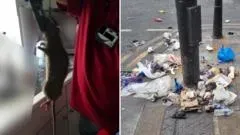
Petticoat Lane Food Court, nestled in the vibrant heart of East London, promises a diverse array of culinary delights, making it a hotspot for street food enthusiasts. However, this bustling food market has recently been at the center of controversy due to complaints regarding rat infestations and rubbish accumulation, which locals claim are detrimental to their quality of life. Residents living adjacent to the food court allege that the presence of vermin and smoke from cooking stalls, coupled with a lack of sanitation facilities, has led to troubling behaviors, including the use of nearby garages as makeshift restrooms. These grievances have caught the attention of the Tower Hamlets Council, which has initiated inspections to address these street food complaints. Despite the council’s efforts, the ongoing issues highlight the challenges faced by urban food markets amidst growing concerns about public health and safety.
The bustling Petticoat Lane Food Court has emerged as a hub for East London’s street food scene, drawing food lovers from near and far. Yet, beneath the enticing aromas and vibrant atmosphere lies a series of troubling reports about the market’s impact on the local community. Concerns have been voiced regarding pest issues and unsightly waste, leading to a flurry of complaints from residents living in close proximity. These local stakeholders, armed with claims of unsanitary conditions and lingering odors, are pushing for more stringent oversight from the Tower Hamlets Council. As the dialogue around urban food courts evolves, the fine balance between culinary innovation and community welfare continues to be a pressing topic.
Street Food Impact on East London Residents
The increasing popularity of street food has transformed neighborhoods across East London, with places like Petticoat Lane Food Court leading the charge. However, while many local residents appreciate the culinary variety, others are voicing serious concerns regarding the negative repercussions that come with it. Complaints about rat infestations, rubbish strewn across the streets, and the issue of smoke from cooking stalls have begun to overshadow the initial excitement about street food offerings. Issues like these have compounded the growing tension between food vendors and those living in the vicinity.
Residents allege that the behavior of some traders at Petticoat Lane Food Court has not only contributed to vermin problems but also fostered an environment of antisocial behavior. The abundance of food waste and lack of sanitary facilities is also believed to be attracting rats, further encroaching on the quality of life for those nearby. Such issues raise significant concerns about how street food markets are being managed, and whether the convenience of these stalls outweighs the negative consequences they may inflict on local communities.
Addressing Rat Infestations in London
Rat infestations are not just a nuisance; they pose a real health hazard to East London residents. Areas around the Petticoat Lane Food Court have reportedly become hotspots for rodent activities due to improper waste management and the presence of food waste from nearby stalls. Residents have expressed their frustration, noting that insufficient sanitation facilities have led to garages and other spaces being misused as toilets, exacerbating the problem. This has resulted in a cycle of complaints about hygiene issues intertwined with the struggles of enjoying street food.
Despite the challenges, the Tower Hamlets Council has stated that routine inspections and measures to mitigate these infestations are in place. They emphasize proactive strategies aimed at addressing both rats and street food complaints. However, residents like Emmanuel Ray continue to express skepticism about the effectiveness of these measures, citing firsthand experiences with the deplorable conditions. Balancing street food culture with community health is a critical conversation that local councils must engage in.
Contrarily, food vendors defend their operations by insistently claiming compliance with health standards. Traders argue that they are subject to strict monitoring to ensure cleanliness and sanitation. The ongoing battle against rodents, however, highlights a critical disconnect between the vendors’ perception of responsibility and the residents’ lived experiences of rat infestations around Petticoat Lane. Ensuring that these vendors maintain high hygiene standards while providing tasty options remains essential to helping both sides coexist.
Community Perspectives on Food Court Issues
The Petticoat Lane Food Court has become a focal point for discussions about urban living and quality of life in East London. While it contributes to local flavor and diversity, the concerns expressed by nearby residents cannot be overlooked. Complaints about trash and the resulting rat problem reflect deeper systemic issues within urban food markets. Local resident Emmanuel Ray’s observations of food safety abuses, including the use of garages as aforementioned, demonstrate a growing sense of frustration among the community over how street vendors are conducting their business.
On the other hand, the food traders assert that they are doing their best within tight constraints, adhering to regulations established by the Tower Hamlets Council. This clash of perspectives necessitates an urgent dialogue between residents, traders, and local authorities. Striking a balance that satisfies the entrepreneurial spirit of street food markets while addressing the pressing complaints will be pivotal in ensuring the longevity of such initiatives in East London’s vibrant landscape.
How Tower Hamlets Council is Responding to Complaints
In response to the wave of complaints regarding the Petticoat Lane Food Court, Tower Hamlets Council has implemented various measures aimed at improving conditions for residents and vendors alike. The council reportedly conducts “routine and intelligence-led” inspections to monitor hygiene standards and address issues that may arise from the ongoing operation of the food court. By investigating claims of fly-tipping and waste, they aim to hold accountable any businesses, brick-and-mortar or otherwise, that contribute to the distressing state of the area.
Moreover, the Tower Hamlets Council has sought to provide guidance to food vendors on best practices for waste management and equipment use. Recent measures include advising traders on enhanced cleaning techniques while adjusting their cooking equipment to minimize smoke and odors that affect nearby residents. Such efforts indicate a recognition of the pressing concerns faced by community members while simultaneously attempting to preserve the inherent value of street food culture in the borough.
The Role of Community Action Groups
Community action groups, such as the Food Court Action Group led by local resident Emmanuel Ray, are vital in bridging the gap between the concerns of residents and the operations of the Petticoat Lane Food Court. These groups play an essential role in articulating the frustrations of local residents to both the council and the traders. By gathering first-hand testimonies and evidence, they can compel the authorities to take informed actions that prioritize public health and community well-being alongside the vibrancy of street food.
These groups can also serve as forums for open dialogue, fostering communication between various stakeholders. By equipping residents with a platform to voice their grievances, they can influence policy changes that could ultimately lead to healthier living conditions. Moreover, collaboration with local authorities and street vendors can promote responsible trade practices, helping to minimize complaints and elevate the standards of street food markets within East London.
Health Concerns Linked to Street Food Culture
The rise of street food markets like Petticoat Lane has sparked discussions not only about culinary diversity but also about public health. The intersection of food preparation, waste management, and urban living creates a breeding ground for health concerns, particularly in densely populated areas. Issues centered around rat infestations and improper sanitation can lead to significant health risks for local residents and visitors alike, making this a pressing topic that communities must address.
Furthermore, the lack of adequate facilities for food traders contributes to these health risks. As highlighted by some residents, the absence of running water and sanitary provisions pushes traders and patrons alike into compromising situations that escalate health concerns. Understanding these dynamics is crucial for enabling the growth of street food cultures in a way that is mindful of health and community needs. The challenge lies in finding feasible solutions that satisfy both traders’ business needs and the residents’ desire for a clean, safe environment.
Economic Impacts of Street Food Markets
Street food markets such as Petticoat Lane Food Court provide an economic boost to neighborhoods, enhancing local economies by attracting visitors and supporting small businesses. The entrepreneurial spirit fostered by such markets delivers unique culinary experiences and can stimulate economic growth in surrounding areas. Additionally, food courts can create job opportunities, not just for traders but also for suppliers and service providers in the area.
However, the economic benefits must be weighed against the social complaints that arise. While street food markets can help local economies flourish, they can also lead to increased competition for nearby traditional restaurants and shops. The comprehensive impact of street food must be analyzed with a lens that considers both fiscal benefits and the wellbeing of resident communities. Striking a balance between empowering vendors and maintaining community standards is essential for the sustainable development of street food culture in East London.
Balancing Regulation and Enjoyment in Urban Food Culture
As the popularity of street food continues to rise, regulatory bodies like Tower Hamlets Council face the challenge of balancing the enjoyment of diverse culinary offerings with the need for community safety and sanitation. Regulations implemented for food stalls must ensure hygiene and public health standards are met, as ongoing complaints from residents about the conditions around Petticoat Lane Food Court illustrate the real and immediate challenges arising from this balancing act. Ensuring that vendors comply with rules while allowing them the creativity and flexibility to provide unique food experiences is no small feat.
Moreover, the establishment of clear guidelines and a supportive environment for both vendors and residents will be critical. By fostering a cooperative relationship where the concerns of neighborhood residents are taken seriously, while still allowing for the vibrancy and bustling ambiance of street food markets to flourish, there is the potential to create a more harmonious coexistence. This, in turn, can enhance both community satisfaction and the economic viability of street food culture in urban London.
Frequently Asked Questions
What are the complaints related to the Petticoat Lane Food Court in East London?
Residents near the Petticoat Lane Food Court have expressed concerns over rat infestations, rubbish accumulation, and smoke from cooking stalls. They allege that these issues are negatively impacting their quality of life, with reports of antisocial behavior and improper use of community garages as toilets due to a lack of sanitation facilities.
How is the Tower Hamlets Council addressing issues at Petticoat Lane Food Court?
The Tower Hamlets Council conducts routine inspections at the Petticoat Lane Food Court and has implemented several measures to reduce smoke and odors from the stalls. They advise traders on cleaning methods and investigate incidents of fly-tipping, shifting some blame to nearby businesses as the source of waste.
Are the rat infestations in East London, specifically around Petticoat Lane, a significant concern?
Yes, residents have raised serious concerns about rat infestations around the Petticoat Lane Food Court. Local allegations suggest that the presence of street food stalls contributes to the vermin problem, though traders argue that rat issues are prevalent throughout East London and not solely due to food court activities.
What facilities are lacking at the Petticoat Lane Food Court for traders?
Traders at the Petticoat Lane Food Court have reported a lack of running water and sanitation facilities. This deficiency has led to residents claiming that some food vendors have improperly used nearby garages as toilets, causing tensions in the community.
How often does the Tower Hamlets Council inspect the Petticoat Lane Food Court?
The Tower Hamlets Council conducts inspections of the Petticoat Lane Food Court on a routine basis, with officials reportedly monitoring the site in the morning and evening to ensure compliance with health and safety regulations and to prevent issues like rat infestations and rubbish accumulation.
What has the response been from food traders at Petticoat Lane regarding the complaints?
Food traders at Petticoat Lane Food Court have strongly refuted the allegations concerning health and sanitation issues. They claim that there are daily inspections by council officials to monitor compliance and that rats are a broader problem in East London, not just associated with the food court.
What measures are being taken to control fly-tipping near Petticoat Lane Food Court?
The Tower Hamlets Council is currently investigating fly-tipping incidents near the Petticoat Lane Food Court. Efforts include using CCTV and other investigative measures to identify offenders and hold them accountable, while also urging local businesses to handle waste responsibly.
| Key Points |
|---|
| Residents near Petticoat Lane Food Court report issues including vermin infestations, rubbish, and smoke from cooking stalls. |
| The food court was established in 2009 by Tower Hamlets Council and features a variety of street food stalls. |
| Concerns have been raised about antisocial behavior, including reports of garages being used as toilets due to a lack of facilities. |
| Traders defend themselves against these claims, stating that inspections are regularly conducted by the council. |
| Actions are being taken by council to mitigate odors and investigate waste issues, suggesting some waste comes from local businesses. |
Summary
Petticoat Lane Food Court has become a focal point of tension between residents and traders due to rising complaints regarding sanitation, vermin, and smoke. While traders deny these allegations, residents continue to voice their frustrations over the impact on their quality of life. The Tower Hamlets Council is actively conducting inspections and taking steps to mitigate these issues, demonstrating the ongoing challenge of balancing community concerns with the vibrancy of street food culture in East London.