
Listen to this article
The importance of branding in today’s marketplace is paramount for any business aiming to thrive. A well-crafted branding strategy not only establishes a distinct brand identity but also differentiates products and services from competitors. As consumers navigate through countless options, effective digital branding and thoughtful messaging can create strong brand awareness, driving customer loyalty and trust. Building a brand that resonates with its audience involves more than just aesthetics; it’s about crafting a compelling story that captures the essence of the company. In an era where perception is everything, the significance of a robust branding approach cannot be underestimated.
When discussing business identity and visibility, understanding the role of brand positioning becomes crucial. This involves creating a unique representation of a company that stands out in a saturated market. Effective brand development not only captures attention but also fosters an emotional connection, resulting in consumer loyalty and long-term engagement. By utilizing strategic marketing tactics that emphasize brand recognition and credibility, businesses can cultivate a following that supports their overarching goals. Ultimately, mastering the art of brand creation is essential for maintaining relevance and ensuring ongoing success.
The Importance of Branding in Today’s Market
Branding has evolved into one of the most critical aspects of business strategy in the current marketplace. It encapsulates not just the visual elements like logos and color schemes, but also how consumers perceive your business across various touchpoints. With the rise of digital platforms, the ability to communicate distinct brand identities directly to target consumers has transformed the relevance of branding, leading to heightened brand awareness and recognition. Establishing a robust brand identity means creating a memorable impression that resonates with the audience, ultimately paving the way for customer loyalty.
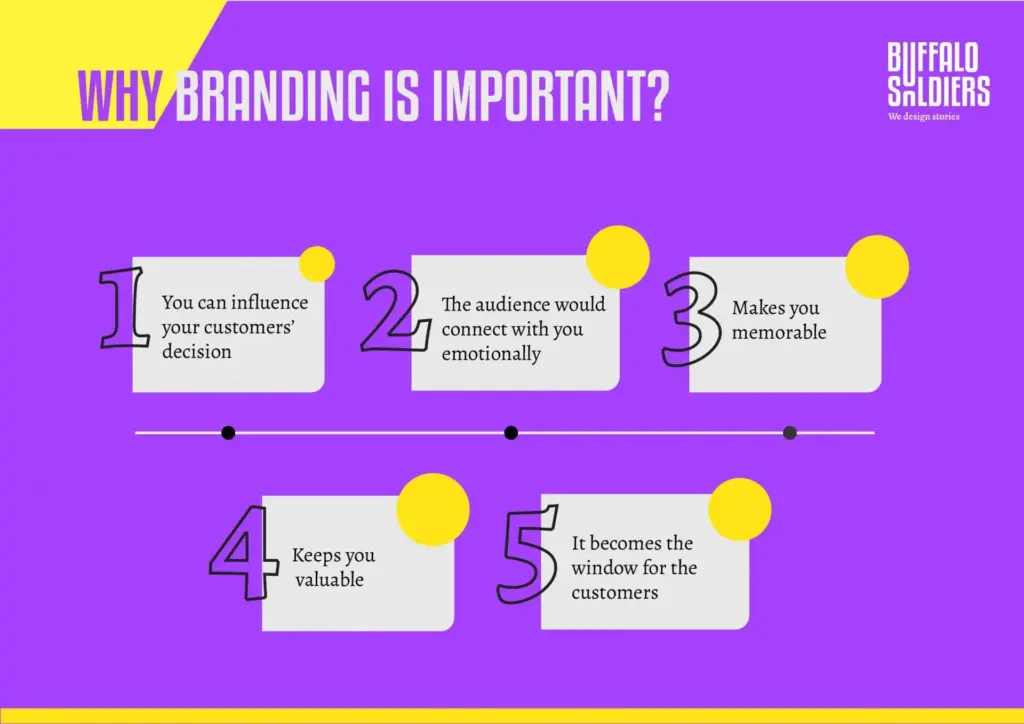
Moreover, a strong branding strategy acts as a shield against market competition. It doesn’t merely help businesses stand out—it enables them to rise above the noise of countless similar products and services. In a time where consumers face overwhelming choices, branding is what allows a company to be immediately recognized and chosen over others. When branding is effectively utilized, it cultivates a sense of trust and familiarity, which can significantly influence purchasing decisions.
Developing a Strong Brand Identity
Developing a strong brand identity begins with understanding your target market. Businesses must conduct thorough market research to identify the needs, preferences, and pain points of their potential customers. This understanding will guide the crafting of messaging, aesthetics, and overall branding strategy that resonates well. For instance, a brand that emphasizes innovation should reflect that through its logo, advertising campaigns, and even its product design. A cohesive brand identity not only clarifies what a company stands for but also elicits an emotional connection with consumers.
Visual aspects like a logo and color palette are pivotal in developing a brand identity. These elements should tell a story that reflects the business’s core values and mission. However, the perception of a brand goes beyond mere visuals. It’s essential to combine these elements with a compelling brand narrative that fosters engagement. An effective brand story outlines the journey of the company, its challenges, and achievements, providing depth to the brand identity that can enhance customer connection.
The Role of Emotional Branding
Emotional branding is pivotal in creating lasting relationships between consumers and brands. When brands tap into consumers’ emotions, they can cultivate deeper connections that transcend mere transactional interactions. For example, brands like Coca-Cola and Disney utilize emotional branding effectively by crafting narratives that evoke feelings of joy, nostalgia, and warmth. This emotional engagement can significantly enhance customer loyalty, encouraging consumers not only to purchase but also to advocate for the brand.
In the context of emotional branding, companies must ensure that their messaging aligns with the emotions they wish to evoke. This involves consistent communication across all marketing channels and a genuine representation of the brand’s values. When consumers feel aligned with a brand emotionally, they are more likely to remain committed long-term, effectively blending emotional attachment with brand loyalty.
Digital Branding: The Future of Brand Strategy
With the digital landscape continually evolving, digital branding has emerged as a crucial component of modern branding strategies. Businesses must harness the potential of digital platforms to create engaging brand experiences. This involves optimizing websites for user experience and using social media as a tool for interaction. A well-executed digital branding strategy doesn’t just attract customers but retains them by providing value and fostering relationships through ongoing engagement.
Social media serves as a powerful vehicle for promoting brand awareness and loyalty. Brands can utilize platforms like Instagram, Facebook, and Twitter to connect with consumers in real-time, assess their sentiments, and respond effectively. By leveraging analytics, businesses can gain insights into consumer behavior and preferences, further allowing them to tailor their digital branding strategies to align with market demands effectively.
Building Customer Trust Through Consistent Branding
Consistency is a key driver in building customer trust and loyalty. When branding elements remain uniform across various channels—both online and offline—consumers gain a sense of stability and reliability within the brand. This consistency covers everything from visual identity to messaging and customer service experiences. Businesses that excel in consistent branding enable customers to recognize their products swiftly, fostering both trust and loyalty.
Furthermore, brands that communicate their values and maintain a consistent voice are more likely to secure long-term engagement from their audience. Trust built through consistent branding practices translates into customer loyalty, where satisfied customers become brand advocates. These brand enthusiasts are invaluable as they often generate organic word-of-mouth marketing, further enhancing the brand’s reach and credibility.
Navigating Branding Challenges in a Competitive Landscape
The modern branding landscape is fraught with challenges, from market saturation to the rapidly changing expectations of consumers. Branding professionals must navigate the complexities of a crowded marketplace where differentiation becomes vital. To overcome these challenges, businesses need to remain agile, constantly adapting their branding strategies to meet evolving consumer needs and preferences. This could involve innovating product offerings or revising marketing approaches to maintain relevancy.
Additionally, maintaining consistency across various platforms can be a daunting task as brands expand their reach. Each new channel presents unique demands on branding strategies. Thus, aligning all marketing efforts under a unified branding strategy becomes essential, ensuring that all messaging and visuals support a coherent brand identity. As brands successfully overcome these challenges, they position themselves not just to survive but to thrive and build enduring relationships with their customers.
Frequently Asked Questions
What is the importance of branding in establishing a business identity?
The importance of branding in establishing a business identity lies in its ability to create a unique image that differentiates products and services from competitors. A strong brand identity helps consumers quickly recognize and choose a business over others.
How does a branding strategy contribute to customer loyalty?
A well-defined branding strategy is crucial for customer loyalty. It fosters an emotional connection with consumers, encouraging them to remain loyal even when faced with cheaper options. Strong brands resonate with their audience, building trust that leads to repeated business.
Why is brand awareness key to the success of digital branding?
Brand awareness is vital in digital branding as it ensures that a business is recognized by consumers amid the plethora of online options. Higher brand awareness translates to increased visibility and credibility, essential for attracting and retaining customers in the digital marketplace.
What role does brand identity play in effective marketing strategies?
Brand identity plays a crucial role in effective marketing strategies by providing a consistent visual and messaging framework. This consistency strengthens brand recognition and enables campaigns to resonate better with the target audience, driving engagement and sales.
How does effective branding enhance perceived value of products?
Effective branding enhances the perceived value of products by associating them with quality, reliability, and status. Consumers often are willing to pay more for branded products because they equate the brand with higher assurance and trust.
What challenges do businesses face in maintaining brand consistency?
Businesses face challenges like a cluttered market, changing consumer expectations, and ensuring uniform branding across various channels. Maintaining brand consistency is crucial to avoid confusion and uphold the brand’s integrity in the eyes of consumers.
How can businesses leverage digital branding to improve customer engagement?
Businesses can leverage digital branding by actively engaging with customers on social media, ensuring a user-friendly website, and employing SEO strategies for better visibility. This engagement helps build a community around the brand, fostering loyalty and repeat business.
| Key Points | Description |
|---|---|
| Importance of Branding | Branding serves as the identity of a business, distinguishing its products and services in a crowded marketplace. |
| Differentiation in the Marketplace | Helps businesses stand out and enables quicker consumer decisions. |
| Building Consumer Trust | Creates reliability and quality perception, encouraging customer retention. |
| Customer Loyalty | Leads to emotional connection and continued support from consumers. |
| Perceived Value | Enhances the value of the product, allowing brands to charge a premium. |
| Enhanced Marketing Strategies | Provides a strong foundation for developing effective marketing plans. |
| Key Elements of a Successful Brand | Includes memorable logo, consistent visual identity, and compelling brand story. |
Summary
The importance of branding is fundamental in today’s business landscape, as it not only differentiates a brand in a crowded marketplace but also helps establish trust and loyalty among consumers. Engaging in effective branding resonates on various levels, appealing emotionally to customers, which ultimately translates into greater loyalty and competitive advantage. By recognizing the significance of branding, businesses can navigate challenges and better connect with their audiences, setting themselves up for long-term success.

