
Listen to this article
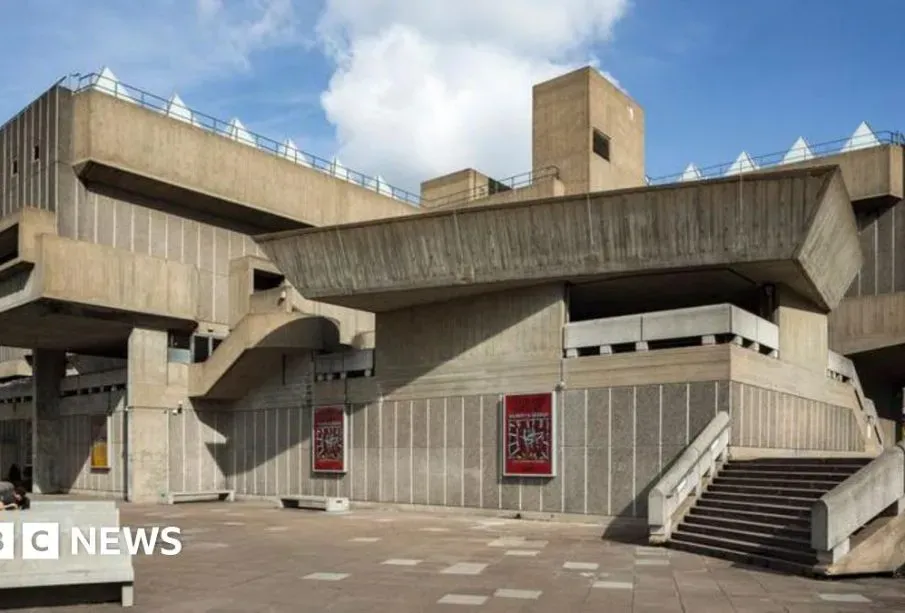
The Southbank Centre stands as a prominent cultural landmark in London, celebrated not only for its artistic contributions but also for its striking Grade II-listed building status, emblematic of brutalist architecture. This pioneering arts complex, which encompasses notable venues like the Queen Elizabeth Hall and the Hayward Gallery, has evolved into a vibrant Southbank cultural hub since its postwar inception. The recent recognition of its architectural significance underscores a commitment to preserving not just a building, but a legacy of support for artists and cultural innovation. While its grey concrete façade may divide opinion, the Southbank Centre’s role in hosting an extraordinary range of exhibitions and performances remains undeniable. As London continues to embrace its historical gems, the future of this cultural monument now hinges on the support and funding needed to foster the creativity that thrives within its walls.
Nestled along the Thames, the Southbank Centre is a key player among London’s cultural hotspots, offering an eclectic mix of arts and performances within its noteworthy, architecturally bold structures. This complex, which celebrates its designation as a listed building, embodies the essence of postwar Britain’s ambition to create public spaces that serve the community. The story of the Southbank Centre is one of evolution, standing tall amidst discussions about urban renewal and cultural support. Its unmistakable brutalist design and diverse artistic programming position it as not only a venue for entertainment but also a hub for artistic expression in the city. As the focus shifts towards conserving these architectural treasures, fostering a supportive environment for artists and curators is essential to maintain the vibrant tapestry of London’s cultural scene.
The Significance of the Southbank Centre’s Listed-Status
Granting the Southbank Centre Grade II-listed building status reflects the UK government’s commitment to preserve one of London’s most iconic cultural landmarks. This designation acknowledges its architectural importance and historical context, linking back to the 1951 Festival of Britain, a pivotal moment in postwar British culture. Now, as this brutalist architecture enters a new chapter, proper support for its continued evolution is critical in maintaining its role as a Southbank cultural hub.
The Southbank Centre encompasses significant venues including the Queen Elizabeth Hall, Hayward Gallery, and the Purcell Room, each contributing uniquely to London’s vibrant arts scene. Recognizing such a complex ensures that future generations will appreciate its contributions while also preserving the character that makes it unique. This landmark facilitates a continuous dialogue about public spaces and the role of art in urban life.
Navigating Public Perception: The Complex Legacy of Brutalist Architecture
The Southbank Centre’s stark, gray facade often prompts mixed reactions from the public. While many crown it as a bastion of cultural activity, others criticize its brutish aesthetics and maze-like layout. Novelist Catherine O’Flynn highlights the contrasting public sentiments experienced by similar postwar structures, such as the celebrated Trellick Tower and Park Hill. Despite its divisive appearance, the Southbank Centre remains a vital part of London’s architectural heritage.
Beyond aesthetic judgments, the building stands as an example of how urban structures can provoke debate about their societal roles. As with other iconic buildings, perceptions of the Southbank Centre evolve over time, serving as a testament to the valuable discourse surrounding public housing and urban environments. If there is to be transformation, it must foster community involvement and successfully bridge gaps between differing opinions.
Supporting Artists Amidst Preservation Efforts at Southbank Centre , [{‘paragraph’] : ‘Despite the Southbank Centre’s historic recognition, the need for financial backing remains critical. Artists and curators who frequent this cultural hub require sustainability to continue their impactful work. The recent need for a requested £30 million from the government underscores the precarious position that artists find themselves in within urban settings.’},{ ‘paragraph’ : ‘Sustaining artist practices in such a landmark also requires a dedication to innovative programming that resonates with the public while respecting the unique architectural features of the Southbank Centre. As it stands, the future hinges not only on preserving the structure itself but also on nurturing the creative talents that breathe life into it. These efforts must align with the original ideals of public investment in the arts to cultivate a thriving community of artists in London.’}]},{
Frequently Asked Questions
What is the significance of the Southbank Centre as a Grade II-listed building?
The Southbank Centre, recognized as a Grade II-listed building, represents a bold acknowledgment of London’s cultural heritage. This status protects its unique brutalist architecture and historical role as a key cultural hub, symbolizing the transformative impact of the 1951 Festival of Britain on the South Bank.
How does the Southbank Centre support artists in the cultural landscape of London?
The Southbank Centre actively supports artists by providing a platform for diverse exhibitions, performances, and cultural events. Despite facing financial challenges, their commitment to nurturing creativity embodies the spirit of London’s cultural landmarks, empowering artists and curators to innovate.
What architectural style is the Southbank Centre known for?
The Southbank Centre is renowned for its striking brutalist architecture, characterized by its grey, blocky appearance and complex maze of walkways. This distinctive style has become an iconic representation of the cultural hub’s legacy and its postwar origins.
How has the Southbank Centre evolved since the Festival of Britain?
Since the Festival of Britain in 1951, the Southbank Centre has transformed from its original structure into a vital Southbank cultural hub. It showcases a variety of artistic disciplines and continues to attract millions, making it one of London’s prominent cultural landmarks.
What recent changes have been made to the Southbank Centre and its future?
The Southbank Centre has recently been granted Grade II-listed status, which secures its current structure against redevelopment changes. This decision aims to preserve its architectural integrity while encouraging ongoing support for the artists and cultural activities housed within.
| Key Point | Explanation |
|---|---|
| Listing Status | The Southbank Centre has been granted Grade II-listed building status, recognizing its architectural significance. |
| Historical Importance | This decision acknowledges the cultural transformation initiated by the 1951 Festival of Britain, which laid the foundation for the current Southbank Centre. |
| Mixed Public Perception | Despite its listing, the Centre’s architecture is divisive; opinions range from appreciation to disdain. |
| Failed Redevelopment Attempts | Previous plans aimed at commercial development have not succeeded, leading to concerns over financial sustainability. |
| Future Support for Artists | With conservation status, there is a need for increased support for artists and curators to maintain the venue’s cultural vitality. |
| Funding Request | The Centre has requested £30 million from the government to continue its operations and support the arts. |
Summary
Southbank Centre’s recent designation as a Grade II-listed building signifies a bold move by the government to recognize its architectural and cultural importance. As this vibrant arts complex navigates its unique character and historical significance, it faces the challenge of securing adequate support to sustain its artistic vision. The need for continued governmental and public backing has never been more pressing to ensure that artists and curators can thrive in this iconic venue.