
Listen to this article
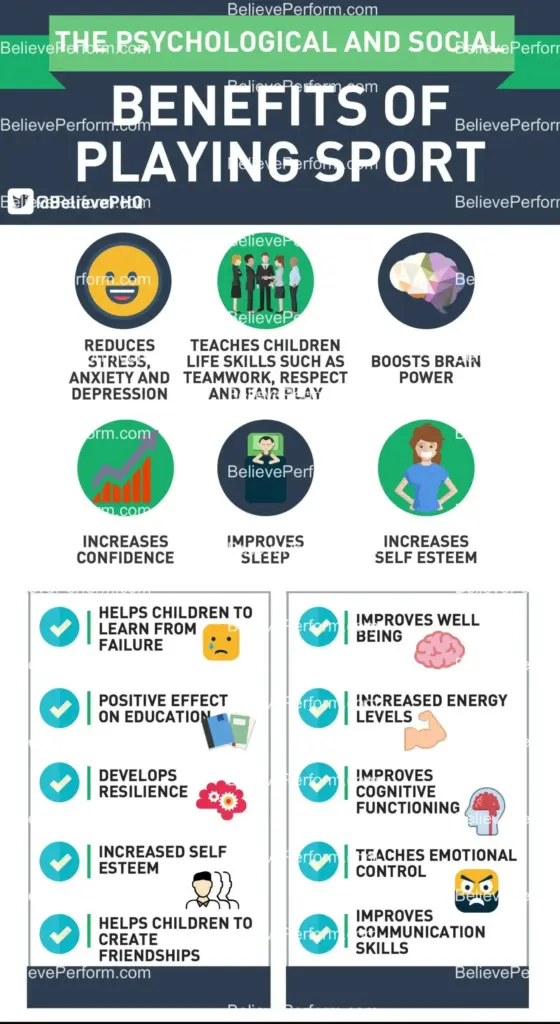
Playing sports and mental health are intrinsically linked, showcasing the numerous benefits of sports on mental wellness. Engaging in physical activity is known to be a powerful antidote to common mental health issues such as anxiety and depression. Research indicates that sports participation can lead to significant improvements in mental health, primarily through the release of endorphins and the joy of social interactions. By embracing sports in our daily routines, we not only enhance our physical fitness but also pave the way to better mental well-being. From decreasing feelings of anxiety to boosting self-esteem, the myriad mental health benefits of exercise highlight why adopting an active lifestyle is crucial.
The relationship between athletic engagement and emotional well-being is a compelling narrative in contemporary wellness discussions. Physical activities and team sports provide an outlet for individuals to enhance their mental state while promoting a sense of community and belonging. Through movement and competition, people can mitigate stress and cultivate resilience against mental health challenges. The synergy between exercise and improved cognitive function further emphasizes the importance of incorporating sports into our lives. By discussing the significance of physical engagement, we can better appreciate how these activities contribute to emotional stability and personal development.
The Impact of Sports on Improved Mental Health
Engaging in sports is more than just a means to physical fitness; it serves as a crucial element in improving mental health. A multitude of studies emphasizes the significant benefits of sports on mental wellness, particularly highlighting how physical activity helps combat symptoms of depression and anxiety. The release of endorphins during physical exertion is often termed the ‘runner’s high’, which plays a key role in elevating mood and enhancing overall well-being. The simple act of playing sports can transform not only the body but also the mind, making it an essential strategy for better mental health.
Moreover, regular participation in physical activities, such as sports, can improve cognitive function and emotional resilience. Engaging in sports provides a structured routine that reinforces discipline and focus—traits that are incredibly valuable when dealing with life’s challenges. Individuals often report a sharper mental clarity and enhanced mood following their involvement in sports, illustrating the strong link between physical activity and mental wellness. This connection shows just how vital sports can be in promoting a fulfilling and healthy lifestyle.
Playing Sports and Mental Health
The intersection of playing sports and mental health is where profound changes can occur. Research consistently shows that physical activities like sports not only enhance physical health but are also potent tools for mental health improvement. The act of participating in sports encourages teamwork, social interaction, and the development of interpersonal skills, all of which can combat feelings of isolation and loneliness that often accompany mental health issues. By fostering connections with teammates and coaches, individuals can find a support network that significantly contributes to their emotional well-being.
Furthermore, engaging in sports can be a therapeutic experience for many, providing an outlet for stress and a way to express emotions constructively. Whether it’s the thrill of competition or the joy of simply playing, each moment spent on the field or court can contribute to a positive mindset. The focus on achieving personal goals—be it improving a skill or winning a game—can bolster self-esteem and a sense of accomplishment, essential components in maintaining good mental health.
How Sports Help Reduce Anxiety
Sports serve as a powerful antidote to anxiety, offering an escape route where individuals can channel their worries into physical activities. As research shows, participation in sports can lead to significant reductions in anxiety levels. This phenomenon is often attributed to the endorphins released during physical exercise, which can act as natural painkillers and mood lifters. By engaging in sports, individuals shift their focus away from anxiety-inducing thoughts, allowing them to experience a sense of relief and mental clarity.
In addition to physiological benefits, the social aspect of team sports adds another layer to anxiety reduction. Collaborating with teammates or interacting with a coach fosters a sense of belonging and support, key elements in combating feelings of anxiety. The camaraderie shared during practices and matches creates a community atmosphere, which provides emotional stability and reassurance. Therefore, integrating sports into one’s routine can significantly lower anxiety and promote an overall sense of teamwork and solidarity.
Building Confidence through Sports
One of the most rewarding psychological benefits of engaging in sports is the boost in confidence and self-esteem that comes with it. As individuals set and achieve goals—whether personal fitness milestones or team victories—they cultivate a sense of achievement that carries over into other areas of life. This enhanced self-efficacy is particularly crucial for young people, as involvement in sports can foster a positive self-image and help mitigate risks of developing serious mental health issues.
The process of overcoming challenges in sports teaches valuable lessons about resilience and perseverance. Athletes learn to navigate setbacks and failures, gaining a greater understanding of their capabilities. This resilience not only contributes to improved performance in sports but also translates into enhanced confidence when facing obstacles in everyday life. Thus, through consistent participation in sports, individuals can build a foundation of self-belief that empowers them both on and off the field.
Stress Management Through Physical Activity
In today’s fast-paced world, stress has become a universal challenge. Engaging in sports is one effective strategy for managing stress, as physical activity provides a healthy outlet for channeling frustrations. Research indicates that regular participation in sports can lower cortisol levels, the body’s primary stress hormone, while increasing the production of serotonin—often referred to as the body’s ‘feel-good’ neurotransmitter. This combination aids in creating a calmer and more balanced emotional state.
Additionally, sports can serve as a distraction, taking individuals’ minds off daily stressors and allowing for moments of joy and connection. Whether it’s through playing matches, enjoying practices with teammates, or simply playing for leisure, individuals often find relief from stressors during sports activities. This proactive approach not only improves emotional health but promotes a sustainable way to cope with the stresses of daily life.
Enhancing Cognitive Function with Regular Exercise
Engaging in sports not only benefits physical health but also enhances cognitive function significantly. The rigorous mental engagement required in various sports stimulates brain activity, promoting neurogenesis— the formation of new neurons. Studies show that individuals who maintain active lifestyles through sports often exhibit improved memory, concentration, and overall cognitive performance. As a result, regular physical activity is vital for keeping the brain sharp and resilient.
Moreover, sports that require strategic planning and quick decision-making, such as basketball, push cognitive abilities to new heights. Players must constantly assess their environment and adapt their strategies, sharpening mental acuity and reflexes. This type of dynamic mental engagement is not only enjoyable but promotes long-term brain health, making regular participation in sports essential for cognitive well-being.
The Role of Teamwork in Sports for Mental Wellness
Teamwork is a fundamental component of many sports and plays a crucial role in enhancing mental wellness. By working collaboratively towards common goals, individuals can forge deep social bonds that contribute significantly to emotional health. These relationships created through team dynamics provide vital support systems that help individuals feel connected and valued, which is particularly beneficial for mental health.
Additionally, the spirit of teamwork cultivates important life skills such as communication, empathy, and conflict resolution. Developing these skills in a team environment not only enriches the sporting experience but also translates into better personal and professional relationships outside of sports. Thus, participating in team sports can be instrumental in fostering a sense of community and belonging, which are essential elements for maintaining good mental health.
Finding Balance Through Sports Activities
Finding balance in life is increasingly important, especially when dealing with mental health challenges. By integrating sports into daily routines, individuals can create structure and a sense of normalcy that helps them manage their emotional wellbeing. The practice and discipline involved in sports promote life skills such as time management and commitment, which can prove beneficial in navigating everyday stressors.
Incorporating sports activities into one’s life encourages regular physical exercise, which is a proven method for enhancing mental health. The rhythm of routine practices and games instills a comforting order in the chaos of daily life. Thus, through sports, individuals not only foster physical health but also cultivate mental resilience, making sports a vital component of achieving life balance.
Long-term Mental Health Benefits of Regular Sports Engagement
The long-term mental health benefits of regular engagement in sports are profound and far-reaching. Studies indicate that individuals who maintain active lifestyles are less prone to mental health disorders such as depression and anxiety. Regular physical activity through sports encourages consistent engagement with the community and perpetuates healthy social interactions, which are crucial for sustaining mental wellness over time.
Building habits around sports not only contributes to immediate improvements in mood and emotional health but also lays the groundwork for enduring mental resilience. As individuals engage in sports, they cultivate skills such as stress management and emotional regulation that serve them throughout their lives. Therefore, the long-term implications of playing sports stretch beyond physical fitness, firmly linking sports involvement to sustained mental health.
Frequently Asked Questions
What are the benefits of sports on mental health?
Playing sports offers numerous benefits for mental health, including reducing symptoms of anxiety and depression, boosting self-esteem, and fostering social connections. Through physical activity, the release of endorphins creates a positive outlook and promotes overall mental wellness.
How does physical activity improve mental wellness?
Engaging in physical activity, especially through sports, improves mental wellness by enhancing mood, alleviating stress, and increasing cognitive function. Regular exercise promotes neurogenesis and reduces levels of stress hormones, leading to better mental clarity.
Can sports help in anxiety reduction?
Yes, sports are effective in anxiety reduction. The physical exertion during sports releases endorphins, which can alleviate feelings of anxiety. Additionally, the social interactions involved in team sports provide emotional support and reduce feelings of isolation.
What are mental health benefits of exercise?
The mental health benefits of exercise include improved mood, reduced stress, enhanced cognitive functions, and better resilience against life’s challenges. Regular participation in sports can provide both emotional stability and psychological strength.
How can I improve mental health through sports?
Improving mental health through sports can be achieved by consistently engaging in physical activities, setting personal fitness goals, and participating in team sports to foster social connections. Creating a routine that includes sports is key to mental wellness.
What impact does playing sports have on self-esteem?
Playing sports significantly boosts self-esteem by providing opportunities for goal achievement and skill mastery. This sense of accomplishment translates into greater confidence in daily life, particularly for children and adolescents.
How do sports interactions contribute to mental health?
Sports interactions foster social connections, combat loneliness, and create a support network, all of which are essential for good mental health. Teamwork and camaraderie during sports help individuals feel valued and connected.
Can engaging in sports provide stress relief?
Absolutely! Engaging in sports serves as an effective outlet for releasing built-up tension and stress. The physical activity redirects focus and energy, reducing levels of cortisol and other stress hormones.
What role does routine play in mental health through sports?
Establishing a routine that includes sports activities contributes significantly to mental health by providing structure, discipline, and a sense of purpose. Consistency in engaging in sports fosters stability during stressful periods.
How does strategic thinking in sports enhance cognitive function?
Participating in sports that require strategic thinking, such as basketball or soccer, can enhance cognitive function by promoting quick decision-making and mental adaptability. This kind of engagement sharpens mental acuity and boosts overall brain health.
| Key Points | Details |
|---|---|
| The Importance of Mental Health | Mental health is crucial and increasing challenges necessitate effective coping strategies. |
| Physical Activity Benefits | Engaging in sports releases endorphins, boosting mood and reducing anxiety and depression. |
| Social Interaction | Playing sports fosters teamwork and connections, reducing isolation and loneliness. |
| Boosting Self-Esteem | Sports enhance self-image and confidence through setting and achieving goals. |
| Stress Reduction | Regular sports participation helps alleviate stress through physical expression and regulation of stress hormones. |
| Cognitive Function | Engaging in sports improves memory and cognitive skills through strategic thinking and decision-making – aligning with neurogenesis. |
| Structure and Routine | Incorporating sports offers a healthy routine, fostering discipline and normalcy which is vital for mental health. |
Summary
Playing sports and mental health are deeply interconnected, highlighting the importance of physical activity in nurturing emotional well-being. In an age where mental health challenges are on the rise, engaging in sports serves as an effective coping mechanism. The act of playing facilitates not only physical health but significantly contributes to improved mood, reduced anxiety, and enhanced self-esteem. Through social interaction, sports combat isolation while boosting cognitive functioning and resilience. Thus, integrating sports into daily life is not just beneficial but essential for a balanced and healthy lifestyle.

