
Listen to this article
UK Athletics corporate manslaughter has brought to light serious concerns regarding safety regulations in sports venues, especially following the tragic death of Paralympian Abdullah Hayayei. In July 2017, the 36-year-old athlete died when a metal cage fell on him during a training session at Newham Leisure Centre in London. This shocking incident has reverberated throughout the athletic community, prompting discussions around accountability and the need for robust sports safety regulations. After initially pleading not guilty, UK Athletics accepted their responsibility, admitting to corporate manslaughter in a recent hearing, which has significant implications for future practices in athletic organizations. The plea not only highlights the importance of safety but also serves as a call to action for governing bodies to ensure such tragedies never happen again.
The heartbreaking case of Abdullah Hayayei underscores the critical importance of accountability within athletics organizations, particularly as it relates to workplace safety. The term ‘corporate manslaughter’ reflects a grave failure in duty of care, emphasizing how negligence can lead to devastating consequences, as seen in Hayayei’s tragic demise. As UK Athletics finds itself in the spotlight after pleading guilty, it raises urgent questions about legal responsibility in sporting environments. The implications of this case reach beyond just legal ramifications; they highlight the necessity for comprehensive safety protocols in athletic training facilities. Discussions surrounding sports safety regulations are now more vital than ever, as the death of this talented Paralympian shines a light on the urgent need for systemic change within the field.
The Tragic Incident: Abdallah Hayayei’s Death
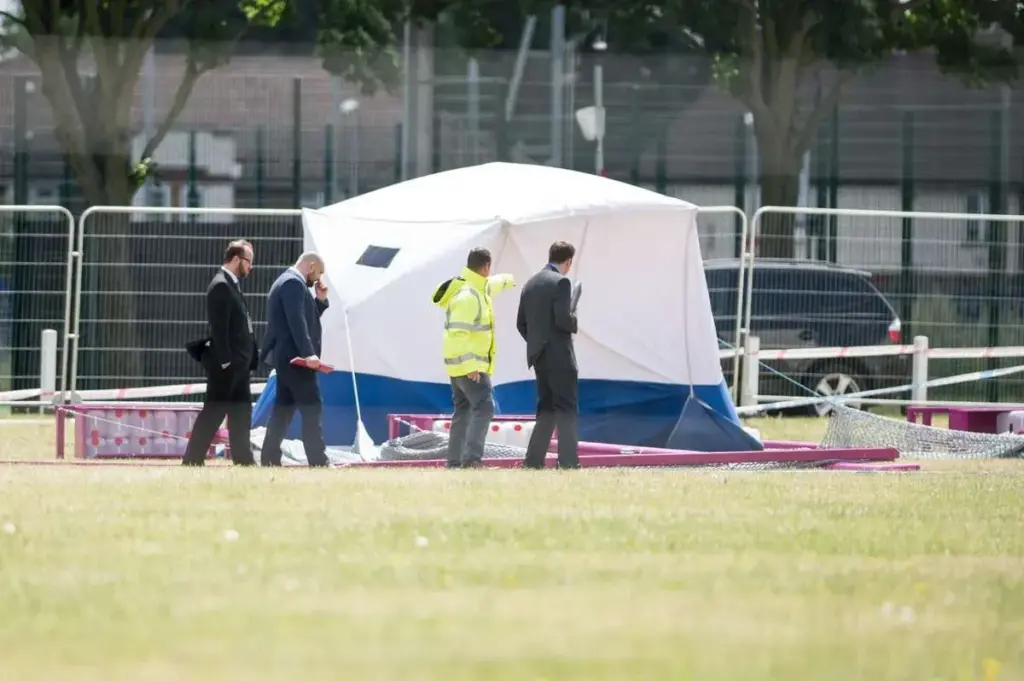
The tragic death of Abdullah Hayayei brought to light significant concerns surrounding sports safety regulations in the UK. On that fateful day in July 2017, Hayayei, an aspiring star in the world of Paralympic athletics, was reportedly training when a metal cage fell on him. This incident, which occurred at the Newham Leisure Centre, underscored the critical responsibility that sporting organisations, particularly UK Athletics, hold in ensuring the safety of their athletes. The death of a dedicated athlete like Hayayei, who was a father of five and had previously shown immense potential at the Rio 2016 Paralympics, left the sporting community grieving and questioning the existing safety measures in place.
As investigations commenced, it became evident that lapses in health and safety protocols may have contributed to this catastrophic event. The need for stringent adherence to sports safety regulations became critically apparent, as athletes rely heavily on the environment and equipment being safe and well-maintained. Abdallah Hayayei’s death emerged not only as a personal tragedy but also as a wake-up call for UK Athletics and similar organisations to prioritise athlete safety and ensure comprehensive training and checks for all facilities used in elite sports.
Corporate Manslaughter Charges and Legal Implications
UK Athletics’ recent plea of guilty to corporate manslaughter marks a significant moment in the realm of sports safety and legal accountability. Initially resisting the charges, the organisation’s change of plea reflects a serious recognition of the failures that led to Hayayei’s death. Corporate manslaughter UK laws stipulate that organisations may be held criminally liable for negligence resulting in loss of life, particularly when governing bodies fail to implement sufficient safety measures. This ruling not only embraces the responsibilities of sports federations but could also set a precedent for how sporting organisations are held accountable in the future.
The ramifications of this case are far-reaching. With the recognition of corporate manslaughter comes the necessity for rigorous safety assessments and standards. Keith Davies, the head of sport, also pleading guilty to a health and safety charge signifies that the responsibilities extend to individuals in leadership positions. The likely impending sentencing in June will not only determine the consequences for UK Athletics but may also trigger a broader investigation into sports safety regulations across similar organizations, urging them to reassess their safety policies and protocols to prevent future tragedies.
Impact on the Paralympic Community
The death of Abdullah Hayayei has profoundly impacted the Paralympic community, stirring an outpouring of grief and solidarity among athletes. A moment of silence during the opening ceremony of the London stadium served as a poignant reminder of the peril that can lurk within sports facilities. The loss of a competitor who demonstrated remarkable skill in the javelin and shot put, and who had already made his mark at the Paralympics, is a harrowing reminder of the stakes involved in athletic pursuits. Hayayei’s legacy continues to inspire, yet raises concerns about how athletes’ safety is treated within the realm of competitive sports.
Moreover, this incident prompts critical discussions about how sporting bodies can better protect athletes. Calls for stricter implementation of safety regulations and regular audits of training facilities are more fervent now than ever in the wake of Hayayei’s tragic passing. His aspirations and talents embodied the spirit of the Paralympic movement, and there is a collective understanding within the community that every athlete deserves to train and compete in a safe environment. The community, now more united than ever, advocates for renewed focus on safety protocols that govern all levels of athletics.
Calls for Reform in Sports Safety Regulations
The incident involving Abdullah Hayayei has ignited widespread calls for reform in sports safety regulations across the UK. As details surrounding the incident have become clearer, it has become apparent that existing protocols may not have been stringent enough to protect athletes. Advocacy for enhancing safety measures has gained momentum within sporting federations and from the media. Stakeholders are now urging for comprehensive risk assessments, and regular training for staff involved in athlete management and equipment handling to foster a safer sporting environment.
The outpouring of support for reform emphasizes the need for collaboration between sports bodies and health and safety experts to develop guidelines that prioritise athlete welfare. There are discussions surrounding the implementation of more frequent safety audits and the establishment of a dedicated oversight body that reviews compliance of safety standards in training facilities. This tragic incident serves as a catalyst for change, reinforcing that safe sporting practices are paramount and must be non-negotiable to ensure that such a loss is never repeated.
The Role of Leadership in Ensuring Athlete Safety
Leadership plays a crucial role in upholding athlete safety within sports bodies, as illustrated by the case involving UK Athletics. Following the admission of guilt to corporate manslaughter, questions have arisen regarding oversight and accountability among those in leadership positions. Keith Davies’ plea underscores that effective leadership includes not only inspiring athletes but also ensuring that the proper protocols and support systems are firmly in place to protect them. Accountability must extend to the leaders who are responsible for these protocols, indicating that any failure in duty of care ultimately has dire consequences.
Effective leadership in the sports arena must prioritise athlete welfare by fostering a culture of safety, where every individual involved in sports training is articulate about potential risks and proactive in mitigating them. This incident serves as a stark reminder that the roles of those in charge are not just to manage events but to safeguard lives. As the dust settles on this case, it becomes imperative that current and future leaders in sports take serious strides in identifying gaps in safety measures and constructively addressing them for the well-being of all athletes.
The Legacy of Abdullah Hayayei: Remembering a Tribute
Abdullah Hayayei’s legacy transcends his achievements on the athletic field. His dedication, passion, and perseverance inspired many in the Paralympic community and beyond. Finishing sixth and seventh in his respective events at Rio 2016 showcased his immense talent, yet the tragedy of his untimely death has spurred a movement advocating for the safety of athletes. His story has become emblematic of the critical discussions focusing on the need for safeguarding practices within sports, reminding all stakeholders that athletes’ lives are just as valuable as their competitive achievements.
Memorials in Hayayei’s honour resonate deeply within the hearts of those who admired him, serving as a rallying cry for ensuring safety in athletics. The moment of silence held during major ceremonies was not just a tribute to a talented individual but also an earnest plea for reform in the way sports safety is treated by governing bodies. As his legacy continues to guide conversations about athlete safety, it represents the hope that no future athlete will suffer the same fate under similar circumstances, and that rigorous safety measures will always be in place in UK athletics and beyond.
Improving Athlete Training Environments
In light of Abdallah Hayayei’s tragic death, one of the most emphasized areas for improvement has become the environments in which athletes train. Safe training facilities are imperative for the physical and mental well-being of competitors, with sports safety regulations needing to be taken seriously by all sporting entities. Hayayei’s incident illuminated gaps in safety oversight, prompting discussions on how training environments can be better managed and monitored to prevent accidents. The need for regular evaluations of training spaces to ensure they meet safety standards cannot be overstated.
The introduction of enhanced maintenance regimes and the integration of certified safety personnel in training environments are necessary steps that could greatly reduce the risks athletes face. Training facilities could also benefit from technology that monitors equipment safety, thereby instilling confidence in athletes as they prepare for competition. By prioritizing the safety of athletes through improved training infrastructures, the sport can move forward positively, preserving the memories of those like Hayayei and ensuring a safer future for the next generation of athletes.
Raising Awareness on Corporate Accountability
The corporate landscape in sports is now under scrutiny following the events surrounding Abdullah Hayayei’s death. UK Athletics’ guilty plea for corporate manslaughter serves as a glaring example of the dire consequences of failing to uphold safety responsibilities. Corporate accountability in sports not only involves ensuring safe environments for athletes but also adhering to regulatory frameworks designed to protect them. This case has highlighted the urgent need for sports governing bodies to foster a culture of accountability and responsiveness towards athlete welfare.
This incident may serve as a beacon for change within the sports community, pushing for more transparency and stronger regulations surrounding athlete safety. Public awareness surrounding corporate accountability can influence how sports organisations operate, carrying implications for funding, sponsorships, and public image. By promoting a culture where accountability is expected and acted upon, the sports industry can begin to rectify past mistakes and advocate for a safe, reliable environment for all athletes.
Frequently Asked Questions
What were the implications of UK Athletics pleading guilty to corporate manslaughter regarding Abdullah Hayayei’s death?
UK Athletics’ plea of guilty to corporate manslaughter reflects significant legal ramifications, highlighting the organization’s failure to ensure proper sports safety regulations. This case not only centers on the tragic death of Paralympian Abdullah Hayayei but also raises awareness about the importance of safety protocols in athletics.
How does the Abdullah Hayayei case impact UK Athletics in terms of safety regulations?
The case of Abdullah Hayayei has prompted UK Athletics to reevaluate its sports safety regulations and protocols. The guilty plea for corporate manslaughter signifies a crucial moment for the athletics body to enhance training facility safety and prevent future incidents.
What safety measures were lacking that contributed to Abdullah Hayayei’s tragic accident?
Abdullah Hayayei’s tragic accident was attributed to inadequate safety measures at the Newham Leisure Centre, where a metal cage fell on him. This incident underlines the need for stringent sports safety regulations within UK Athletics to protect athletes during training.
What charges were brought against UK Athletics in connection to Abdullah Hayayei’s death?
UK Athletics faced charges of corporate manslaughter as a result of Abdullah Hayayei’s death, alongside health and safety violations. Keith Davies’ guilty plea to a health and safety charge reinforces the accountability of sports organizations in ensuring athlete safety.
What is the significance of corporate manslaughter convictions for sports organizations like UK Athletics?
Corporate manslaughter convictions hold sports organizations like UK Athletics accountable for negligence and safety management failures. Such rulings can prompt systemic changes in sports safety regulations, ultimately seeking to safeguard athletes from preventable harm.
How did the court respond to UK Athletics’ and Keith Davies’ pleas in the Abdullah Hayayei case?
The court accepted UK Athletics’ guilty plea to corporate manslaughter and Keith Davies’ guilty plea to a health and safety charge, indicating a serious acknowledgment of neglect in ensuring athlete safety during training.
What are the potential consequences for UK Athletics following this corporate manslaughter case?
Following the corporate manslaughter case involving Abdullah Hayayei, UK Athletics may face substantial penalties, including fines and mandated changes to sports safety regulations, to enhance oversight and protection for athletes.
How can the death of Paralympian Abdullah Hayayei influence future athletics safety standards?
The death of Abdullah Hayayei can significantly influence future athletics safety standards by serving as a pivotal case that encourages UK Athletics and other sports bodies to adopt stricter safety protocols and compliance measures, ultimately prioritizing athlete welfare.
What role does Keith Davies play in the UK Athletics corporate manslaughter case?
Keith Davies served as the head of sport during the 2017 World Para-athletics Championships and has pleaded guilty to health and safety violations. His involvement signifies the direct accountability of individuals in leadership positions within sports organizations.
How do events like the tragic accident in the Abdullah Hayayei case affect athletes’ perceptions of safety in UK Athletics?
Events like the tragic accident that claimed Abdullah Hayayei’s life can severely impact athletes’ perceptions of safety within UK Athletics, possibly leading to increased concerns about their own safety and the overall culture of athlete welfare in the sport.
| Key Points | |||||||
|---|---|---|---|---|---|---|---|
| UK Athletics guilty of corporate manslaughter. | Incident occurred in July 2017 during training. | Paralympian Abdullah Hayayei died at 36 when a metal cage fell on him. | UK Athletics initially pleaded not guilty but changed plea. | Keith Davies, head of sport, pleaded guilty to health and safety charges. | A two-day sentencing hearing is scheduled for early June. | Hayayei was preparing for the World Para-athletics Championships. | Moment of silence held in his honor at London Stadium. |
Summary
UK Athletics corporate manslaughter case highlights serious safety oversight in sports training. The recent guilty plea by UK Athletics reflects a grave incident where Paralympian Abdullah Hayayei tragically lost his life due to inadequate safety measures. This unfortunate event has raised critical questions regarding athlete safety and the responsibilities of sports organizations. As the court prepares for sentencing, the implications of this case will likely resonate throughout the athletics community, emphasizing the need for stringent health and safety protocols to safeguard athletes.