
Listen to this article
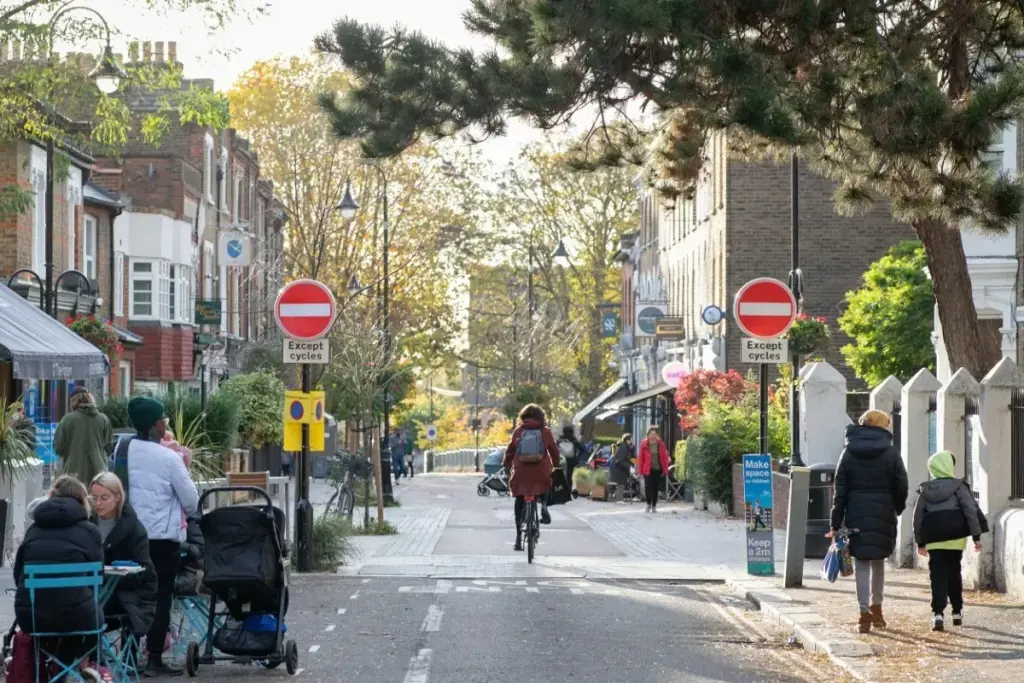
Low Traffic Neighbourhood (LTN) schemes are innovative urban strategies aimed at transforming residential areas into more pedestrian-friendly spaces while simultaneously addressing essential issues like air quality and traffic congestion. The recent decision by Greenwich Council to solidify the West and East Greenwich LTN highlights the ongoing traffic management challenges that many local authorities face today. Despite community opposition, this initiative is believed to enhance sustainable transport options and provide safer streets for cyclists and pedestrians. Supporters argue that LTNs significantly improve air quality by reducing vehicle emissions in congested areas, fostering a healthier environment for residents. However, critics remain concerned about the potential displacement of traffic, highlighting the need for balanced and inclusive decision-making in urban planning.
The concept of Low Traffic Neighbourhoods encapsulates a progressive approach to urban design, seeking to minimize vehicular traffic through residential streets. Many municipalities, including Greenwich, are implementing similar traffic restriction measures to prioritize safety and enhance air quality for local communities. These initiatives often face pushback from residents who feel that such policies may inadvertently shift traffic problems rather than resolve them. Alternative transport solutions and community-centric urban planning are vital discussions surrounding these neighbourhood reforms. Despite differing opinions, it is clear that the implementation of LTNs represents a significant shift towards making urban spaces more conducive to sustainable living.
The Objectives of the Low Traffic Neighbourhood Scheme in Greenwich
The Low Traffic Neighbourhood (LTN) scheme implemented by the Greenwich Council aims to significantly reduce traffic congestion and enhance the overall air quality within targeted residential areas. By restricting vehicular access during peak commuting hours—specifically between 7 AM to 10 AM and 3 PM to 7 PM on weekdays—the council seeks to create safer streets for pedestrians and cyclists. This initiative not only aligns with local traffic management strategies but also supports broader goals of sustainable transport. Such measures are crucial in fostering a community-centric approach to urban mobility, encouraging more residents to choose walking or cycling as their primary means of transportation.
The primary goal of the LTN scheme is to mitigate the negative impacts of vehicular traffic, particularly in residential neighborhoods that have experienced increasing congestion over the years. By making these areas less accessible to through traffic, the council hopes not only to improve air quality by reducing emissions but also to create a more pleasant urban environment. Proponents of the scheme assert that it not only benefits local air quality but also contributes to enhanced public health by encouraging active transportation modes. Thus, the LTN reflects a proactive step by Greenwich Council toward creating a safer and more sustainable urban community.
Community Reactions to Low Traffic Neighbourhoods
The implementation of the Low Traffic Neighbourhood scheme in Greenwich has indeed sparked considerable division within the community. Supporters, primarily residents living within the LTN areas, have reported feeling safer on the streets since the scheme’s introduction. They appreciate the decreased traffic levels, which have made it easier to walk, cycle, and engage with their neighborhoods without the constant threat of heavy traffic. In contrast, residents from surrounding areas, particularly Charlton, have expressed their frustration that the traffic restrictions merely shift congestion to their roads, undermining the purported benefits of the scheme.
This schism in community opinion highlights the challenges that local councils face when implementing traffic management strategies aimed at improving urban environments. While the Greenwich Council asserts that the LTN scheme has garnered support due to its positive impact on air quality and local traffic reduction, public consultations indicate a significant proportion of residents feel their concerns are overlooked. The council’s commitment to sustainable transport and improved public health has been met with skepticism from those who believe their voices are ignored in favor of a predetermined agenda. The dichotomy of support and opposition underscores the importance of transparent governance and open communication between the council and its constituents.
The Role of Greenwich Council in Implementing Traffic Management
The Greenwich Council plays a pivotal role in shaping the future of urban mobility through its traffic management policies. With the permanent implementation of the LTN scheme, the council seeks to reinforce its commitment to improving air quality and promoting sustainable transport options throughout the borough. By enforcing restrictions and utilizing technology like camera-enforced filters, the council can effectively manage road use during critical periods, aiming to enhance both safety and livability for residents. This initiative also demonstrates the council’s intention to tackle local challenges such as rising pollution levels and traffic accidents, making it a cornerstone of their broader sustainability strategy.
However, the council’s approach has faced significant public scrutiny and criticism, particularly regarding the perceived lack of transparency in the consultation process. Opponents argue that the decision-making has disregarded widespread community opposition, raising questions about the democratic nature of the council’s governance. Critics, including Conservative councillor Charlie Davis, have accused the Labour-run council of failing to adequately address the public’s concerns and of imposing the LTN scheme despite majority opposition. This tension reflects the complex balancing act councils must perform between advancing their sustainability objectives and maintaining public trust and satisfaction.
Evaluating the Impacts of the LTN Scheme on Air Quality
The permanent adoption of the LTN scheme is closely tied to improvements in regional air quality, a critical factor for the health and wellbeing of Greenwich residents. Preliminary data suggests that traffic levels across the LTN areas have decreased by approximately six percent since the initiative began, resulting in measurable benefits for local air quality. Enhanced air quality not only contributes to a healthier living environment but also supports the council’s climate action and sustainability goals. By prioritizing such measures, Greenwich Council aims to foster a cleaner and safer community, making strides toward addressing air pollution challenges in urban settings.
Conversely, the reduction in traffic does not come without controversy. Many residents living outside the LTN areas argue that the traffic restrictions simply push congestion to their neighborhoods, creating new challenges without solving the existing problems. This situation represents a critical point of contention, illustrating the need for comprehensive traffic management solutions that consider the needs of all residents—both within the LTN and those impacted by its implementation. As Greenwich Council continues to monitor air quality and traffic patterns, the true efficacy of the LTN scheme will be assessed not just by immediate environmental benefits but also by its overall impact on local traffic dynamics.
Navigating Community Opposition to Traffic Management Changes
Community opposition plays a significant role in shaping the outcomes of traffic management initiatives like the LTN scheme. The concerns raised by residents—particularly around perceived lack of engagement in the decision-making process—have highlighted the complexities involved in implementing such programs. Many opponents argue that their perspectives were inadequately represented during consultations, prompting calls for more inclusive governance strategies from local authorities. Addressing these grievances is essential for maintaining public trust and ensuring that future traffic management efforts resonate positively with all community stakeholders.
To effectively navigate community opposition, Greenwich Council must adopt a collaborative approach that emphasizes transparency and continuous dialogue. Ensuring that all voices are heard and considered in future consultations will demonstrate the council’s commitment to genuine democratic processes. In light of the LTN controversy, it is imperative for local councils to not only implement traffic management schemes but also engage actively with communities to build consensus and foster shared ownership of urban development projects. Only by taking these steps can the council hope to mitigate backlash and cultivate a more united urban landscape.
The Future of Sustainable Transport in Greenwich
As Greenwich embarks on the journey toward a more sustainable transport future, the success of initiatives like the LTN scheme will play a crucial role in shaping local mobility trends. The council’s dedication to reducing traffic congestion and improving air quality sets a precedent for other urban areas aiming to implement similar measures. By prioritizing sustainable transport solutions, Greenwich Council is not only addressing immediate public health and environmental concerns but also paving the way for future developments that emphasize pedestrian-friendly and cyclist-friendly infrastructure.
Looking ahead, the focus on sustainable transport must evolve beyond the current avenues, necessitating ongoing collaboration between the council and the community to iron out concerns. Building upon the lessons learned from the LTN scheme, future projects should aim to address feedback from residents while striving to create a cohesive approach to urban mobility that enhances quality of life for all. With the right balance between innovative transport policies and community input, Greenwich can become a model for sustainable urban living, showcasing the transformative potential of well-planned traffic management.
Public Trust and Transparency in Local Governance
Public trust is a cornerstone of effective governance, especially when it comes to contentious issues like the implementation of Low Traffic Neighbourhoods. The recent criticisms faced by Greenwich Council underline the necessity for transparency in decision-making processes. Ensuring that community concerns are not only acknowledged but also acted upon is fundamental in fostering a sense of faith in local authorities. By being transparent about data collection, consultation methods, and decision-making processes, the council can work to rebuild trust among constituents who feel sidelined by recent initiatives.
Moreover, enhancing accountability through open communication strategies can empower residents, allowing them to engage proactively in their community’s governance. The council’s commitment to transparency must extend to sharing the rationale behind decisions taken regarding traffic management, especially in light of opposition. By demonstrating a willingness to listen and adapt to feedback, Greenwich Council has the opportunity to mend public relations and encourage cooperative efforts between residents and local governance. This commitment to transparency will lay a stronger foundation for future initiatives, ensuring community involvement remains a priority.
The Impact of Political Dynamics on Local Transport Policies
The political climate in Greenwich significantly influences transport policies and the public’s reception of initiatives like the LTN scheme. As local elections approach, the opposition’s vocal critiques highlight how political dynamics can shape community perspectives on traffic management strategies. Councillor Charlie Davis’s pointed remarks reflect a broader sentiment among local residents who feel that their concerns regarding LTN policies have been disregarded in favor of a singular political agenda. Such dynamics illuminate the critical role of democratic processes, wherein public opinion must guide policy decisions.
To navigate the intricacies of political dynamics, it is essential for the Greenwich Council to strike a balance between advancing its objectives and acknowledging the community’s sentiments. By being receptive to feedback and agile in its policymaking, the council can foster a cooperative political environment where transport policies are co-created with residents. Engaging in meaningful dialogue with constituents, especially in times of heightened political tension, will not only address pressing transport issues but could also translate into increased public support for future initiatives.
Encouraging Public Engagement in Traffic Management
Fostering public engagement in traffic management discussions is paramount for ensuring that local needs and preferences are respected. The Greenwich Council’s efforts to implement the LTN scheme can serve as a case study for the importance of incorporating community feedback into the formulation of transport policies. Engaging residents in open forums where they can voice concerns, share their experiences, and propose solutions will lead to more universally accepted initiatives. Such participatory approaches not only enhance legitimacy but also empower people to feel invested in the decisions being made about their neighborhoods.
In enhancing public engagement, it is crucial for Greenwich Council to create accessible platforms that encourage diverse input. Utilizing online surveys, community workshops, or social media campaigns can help capture a wide array of opinions, reflecting the complexities of community sentiment surrounding transport management. By actively seeking public involvement, the council can work to build consensus around initiatives, mitigating opposition and fostering a sense of unity in addressing traffic challenges. Ultimately, encouraging public engagement will contribute to more robust, effective transportation policies that align with the evolving needs of the Greenwich community.
Frequently Asked Questions
What is a Low Traffic Neighbourhood (LTN) and how does it relate to Greenwich Council’s traffic management strategy?
A Low Traffic Neighbourhood (LTN) is a traffic management initiative designed to restrict through traffic in residential areas, ultimately enhancing safety for pedestrians and cyclists. Greenwich Council’s strategy to implement LTNs aims to reduce traffic congestion and improve air quality within communities while promoting sustainable transport options.
How does the Low Traffic Neighbourhood scheme affect air quality in Greenwich?
The LTN scheme in Greenwich has reportedly reduced traffic by 6 percent and improved air quality in the implemented areas. By limiting vehicle access during peak hours, the initiative contributes to cleaner air, which is essential for both health and environmental sustainability.
What were the community concerns regarding the Low Traffic Neighbourhood implementation?
Community opposition to the LTN scheme often centers on the belief that traffic restrictions shift congestion to neighboring areas. Opponents, particularly from outside the LTN zones, argue that the scheme does not adequately address their concerns about increased traffic on their roads.
Why did Greenwich Council make the Low Traffic Neighbourhood scheme permanent despite public opposition?
Greenwich Council decided to make the LTN scheme permanent after reviewing consultation results, which indicated some benefits in traffic reduction and air quality improvement. The council has maintained that all public opposition was considered but believes the long-term benefits justify the decision.
What measures are being taken to address concerns surrounding the Low Traffic Neighbourhood in Greenwich?
In response to community feedback, Greenwich Council is increasing the number of blue badge exemptions and adjusting camera placements within the LTN. These measures aim to address specific concerns while maintaining the overall goals of the LTN initiative.
What is Greenwich Council’s stance on the allegations of bias in LTN consultations?
Greenwich Council has firmly denied claims of biased and undemocratic consultations regarding the LTN scheme, asserting that all public feedback, including opposition, was duly acknowledged and considered during the decision-making process.
How do Low Traffic Neighbourhoods promote sustainable transport in Greenwich?
Low Traffic Neighbourhoods promote sustainable transport by encouraging residents to walk, cycle, and use public transport instead of relying on cars. This shift is achieved through traffic calming measures and reduced vehicle access, creating a safer environment for non-motorized forms of transport.
What impacts have residents noticed since the Low Traffic Neighbourhood was implemented in Greenwich?
Many residents within the LTN areas report feeling safer due to reduced traffic volume, while some express concerns about congestion spilling over into adjacent neighborhoods. The overall perception is mixed, highlighting both the anticipated safety improvements and the challenges posed by redirected traffic.
| Key Point | Details |
|---|---|
| Greenwich Council’s Decision | The Greenwich Council has decided to permanently implement the Low Traffic Neighbourhood (LTN) scheme despite public opposition. |
| Controversial Nature | The scheme has generated significant controversy, with strong divisions between residents in favor of and against the LTN. |
| Council’s Consultation Process | Council claims that all public opposition was acknowledged, though critics allege the process was biased and undemocratic. |
| Impact on Traffic and Air Quality | The LTN aims to reduce traffic by 6% and improve air quality in residential areas. |
| Public Response | About 80% of public consultation respondents opposed the LTN, raising serious concerns about traffic rerouting. |
| Political Repercussions | Councillors anticipate backlash in upcoming elections due to perceived disregard for residents’ opinions. |
| Future Adjustments | The council plans to enhance the LTN by doubling blue badge exemptions and repositioning traffic cameras. |
Summary
A Low Traffic Neighbourhood (LTN) is a community initiative designed to minimize traffic and enhance air quality in residential areas, as seen in Greenwich Council’s recent decision. Despite facing significant opposition during the consultation phase, where around 80% of residents expressed concerns over the scheme, the council has chosen to proceed with the implementation. This decision has sparked controversy and dissatisfaction among those who feel disregarded, particularly residents outside the LTN zones. However, council representatives argue that the initiative is vital for improving safety and reducing pollution, highlighting the balance local authorities strive to achieve between community needs and environmental goals.