
Listen to this article
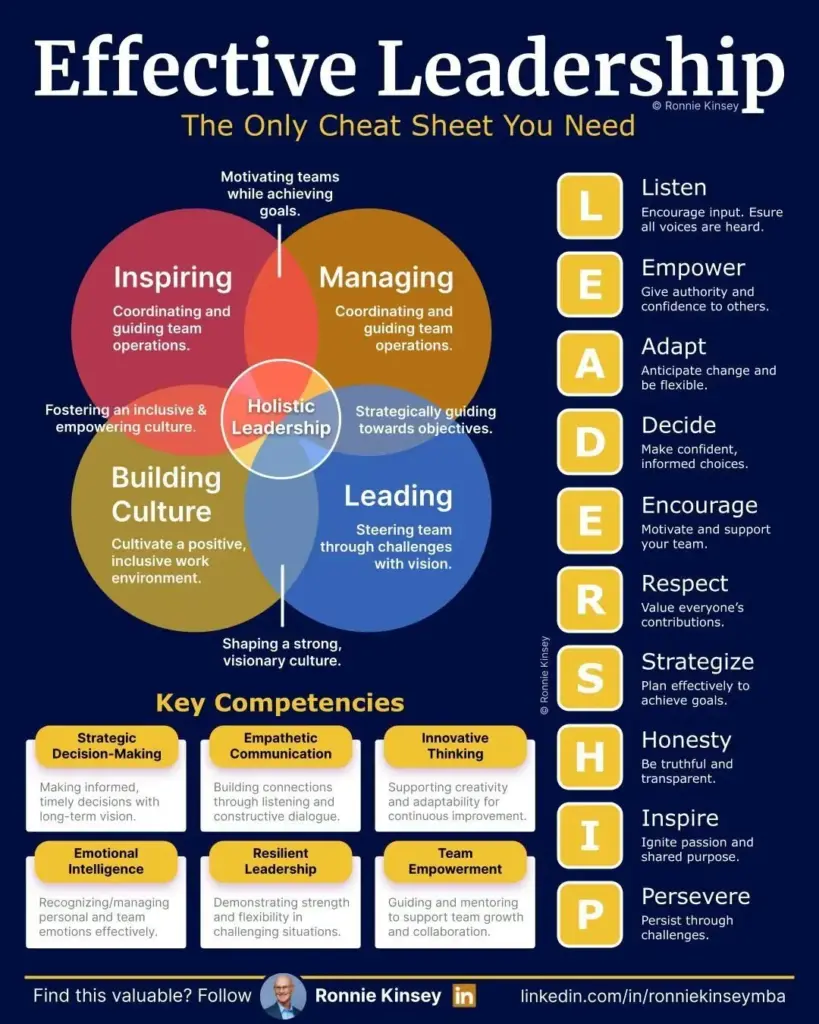
Effective business leadership is paramount in today’s dynamic corporate landscape, where the ability to inspire and guide teams can make all the difference in achieving business success. Leaders are tasked with not only managing operations but also nurturing a positive company culture that motivates employees and fosters innovation. By tapping into various leadership qualities such as emotional intelligence and visionary thinking, effective leaders can cultivate strong relationships while steering their organizations toward sustainable growth. The traits of successful leadership encompass strategic thinking, decisiveness, and the commitment to continuous learning, all of which are essential for adapting to constantly changing market demands. Understanding these effective management strategies underscores the role that leadership skills play in shaping successful business strategies.
When we talk about effective business leadership, we are referring to the critical qualities and characteristics that allow leaders to excel in their roles. This involves the mindset and behaviors of individuals who guide organizations toward achieving their goals, such as effective management and the ability to inspire their teams. Successful leadership traits not only include emotional intelligence but also embrace adaptability, strategic foresight, and a dedication to fostering a productive work environment. In essence, leaders who embody these values are capable of driving transformation and growth while maintaining a cohesive team dynamic. Building on this understanding of leadership allows organizations to implement better business strategies that resonate throughout their teams.
The Importance of Emotional Intelligence in Leadership
Emotional intelligence (EI) has emerged as a pivotal trait in effective business leadership. Leaders with high EI have the innate ability to connect with their teams on a deeper level, understanding their emotions and motivations. This understanding plays a crucial role in creating a supportive work environment where employees feel safe to express their ideas and concerns. By recognizing and addressing the emotional needs of their employees, leaders can foster stronger relationships that ultimately drive business success.
Moreover, emotionally intelligent leaders are adept at navigating conflicts that may arise within teams. They approach disagreements with empathy and a problem-solving mindset, allowing them to resolve issues while maintaining harmony. This capability not only enhances team dynamics but also reinforces the leader’s role as a trustworthy and approachable figure, which is essential for effective management.
Developing Visionary Thinking in Organizations
Visionary thinking is not just a trait but a skill that can be cultivated within an organization. To encourage visionary thinking, leaders must first create an environment that values creativity and innovation. This can be achieved by fostering open discussions where employees feel empowered to share their ideas and insights without fear of criticism. When team members are involved in shaping the organization’s vision, they are more likely to feel a sense of ownership and commitment to the company’s strategic goals.
Additionally, leaders can implement training programs that emphasize strategic foresight and market trend analysis. By equipping employees with the necessary tools to think long-term and anticipate future challenges, organizations can enhance their capacity for visionary thinking. Ultimately, leaders who invest in developing this quality within their teams are better positioned to navigate the complexities of today’s business landscape.
Effective Business Strategies Through Strategic Thinking
Strategic thinking is vital for leaders aiming to formulate effective business strategies. It requires a comprehensive analysis of the organization’s internal capabilities and external market conditions. Leaders must engage in regular SWOT analyses to identify their strengths, weaknesses, opportunities, and threats. This reflection allows them to steer the organization in the right direction, aligning their strategies with overarching business goals.
Moreover, effective strategic thinkers encourage collaboration across departments. By bringing together diverse perspectives, leaders can develop more robust strategies that address various aspects of the organization. This collaborative approach fosters unity and commitment among team members, as they see their opinions valued in the strategic planning process. Together, these efforts lead to improved business performance and resilience.
Building Resilience in Leadership Practices
Resilience is a key leadership trait that enables leaders to navigate adversity while maintaining a focus on their goals. Instilling resilience within teams requires leaders to model this quality by openly discussing challenges and their solutions. When leaders share their experiences of overcoming setbacks, it not only builds trust but also inspires employees to approach their own challenges with a similar mindset.
To further foster resilience, organizations can provide training that focuses on stress management and adaptive problem-solving techniques. These workshops can equip employees with the skills they need to handle pressure effectively. When a culture of resilience is established, organizations are better prepared to bounce back from setbacks, fostering a more engaged and motivated workforce.
The Role of Integrity in Establishing Trust
Integrity is the cornerstone of effective business leadership, as it directly impacts the trust dynamic within an organization. Leaders who demonstrate consistent ethical behavior and transparency create an environment where employees feel secure and respected. This trust is crucial not only for employee morale but also for maintaining positive external relationships with clients and stakeholders.
Encouraging a culture of integrity requires leaders to hold themselves accountable and actively reinforce ethical standards across the organization. This can be achieved through regular discussions about company values and the importance of ethical decision-making. By prioritizing integrity, leaders cultivate loyalty among their teams, which ultimately contributes to greater business success.
Effective Management Through Strong Communication Skills
Strong communication skills are essential for effective management, impacting nearly every aspect of business operations. Leaders must be able to clearly articulate their vision and provide constructive feedback to their teams. By fostering an open communication environment, leaders encourage dialogue and collaboration, which are crucial for innovative problem-solving.
Moreover, effective communicators excel in active listening, a skill that enhances team dynamics and employee engagement. When leaders actively listen to feedback and suggestions from team members, it not only validates employee contributions but also encourages a culture of openness and mutual respect. This two-way communication leads to more robust team performance and contributes significantly to achieving strategic objectives.
Commitment to Continuous Learning as a Leadership Trait
A commitment to continuous learning sets exceptional leaders apart in the fast-paced business landscape. Embracing a mindset of ongoing education not only enhances personal leadership capabilities but also fosters a learning culture within the organization. Leaders who pursue their own development set a positive example, encouraging team members to engage in professional growth opportunities.
Organizations that prioritize continuous learning tend to retain talent longer, as employees feel valued and empowered to grow. Implementing mentorship programs and access to training resources are practical steps leaders can take to cultivate this culture. Ultimately, a commitment to learning not only enhances the skills of the workforce but also drives innovation, ensuring the organization remains competitive.
Frequently Asked Questions
What are the key leadership qualities necessary for effective business leadership?
Key leadership qualities for effective business leadership include visionary thinking, emotional intelligence, decisiveness, and integrity. Visionary leaders outline strategic plans and inspire teams, while emotional intelligence allows leaders to connect with their employees, fostering a supportive workplace. Decisiveness helps in making quick, informed decisions, and integrity builds a foundation of trust within the organization.
How does emotional intelligence impact effective business leadership?
Emotional intelligence is crucial for effective business leadership as it involves recognizing, understanding, and managing emotions—both one’s own and those of team members. Leaders with high emotional intelligence can build strong relationships, resolve conflicts, and create a culture of engagement, ultimately leading to improved business success.
Why is visionary thinking important for successful leadership traits?
Visionary thinking is important for successful leadership traits because it enables leaders to set a clear direction and inspire their teams. Leaders who effectively communicate their vision can harness the collective effort of their employees, creating commitment and driving the organization toward long-term goals.
What role does adaptability play in effective management?
Adaptability plays a vital role in effective management as it allows leaders to pivot and adjust strategies in response to changing circumstances. This quality fosters innovation and resilience within teams, ensuring that the organization can navigate challenges and seize new opportunities as they arise.
How can effective business leadership empower employees?
Effective business leadership empowers employees by delegating responsibilities and granting them the freedom to make decisions. This empowerment boosts employee confidence and engagement, enhancing overall productivity and fostering a sense of ownership in the success of the business.
What is strategic thinking and how does it contribute to business success?
Strategic thinking involves assessing an organization’s strengths and weaknesses, as well as opportunities and threats, to inform decision-making. Leaders who embrace strategic thinking can develop business strategies that align with their vision, thus steering the company toward sustained success and competitive advantage.
How do communication skills enhance effective leadership?
Communication skills enhance effective leadership by ensuring that leaders can articulate their vision clearly, provide meaningful feedback, and encourage open dialogue. By fostering two-way communication, leaders build trust and relationships, creating an environment where team members feel valued and inspired to contribute innovative ideas.
| Key Trait | Description |
|---|---|
| Visionary Thinking | Having a clear vision of the organization’s future, understanding market trends, and inspiring teams with this vision. |
| Emotional Intelligence | Recognizing and managing emotions, fostering strong relationships, and creating an empathetic workplace culture. |
| Decisiveness | Making quick, informed decisions and instilling trust within the team. |
| Integrity | Demonstrating honesty and ethical behavior to build trust and accountability. |
| Resilience | Bouncing back from setbacks, modeling perseverance, and maintaining focus on long-term goals. |
| Communication Skills | Articulating vision, providing feedback, and fostering open dialogue. |
| Adaptability | Embracing change and encouraging teams to innovate and grow. |
| Empowerment | Delegating responsibilities to enhance employee confidence and productivity. |
| Strategic Thinking | Conducting SWOT analysis to make informed decisions for the organization’s future. |
| Commitment to Continuous Learning | Staying updated with trends and setting an example for team development. |
Summary
Effective Business Leadership hinges on a rich tapestry of skills and qualities that every leader should strive to cultivate. By embodying traits like visionary thinking and emotional intelligence, leaders not only communicate their aspirations but also foster an inclusive environment that values every team member’s input. In this dynamic business climate, it’s crucial for leaders to remain adaptable and resilient, equipping their teams to weather challenges together. As we explore these essential components—integrity, decisiveness, and a commitment to continuous learning—it becomes clear that effective business leadership is not just about guiding others but also about inspiring collective success. Ultimately, it’s the synergy of these qualities that empowers organizations to thrive.

