Listen to this article
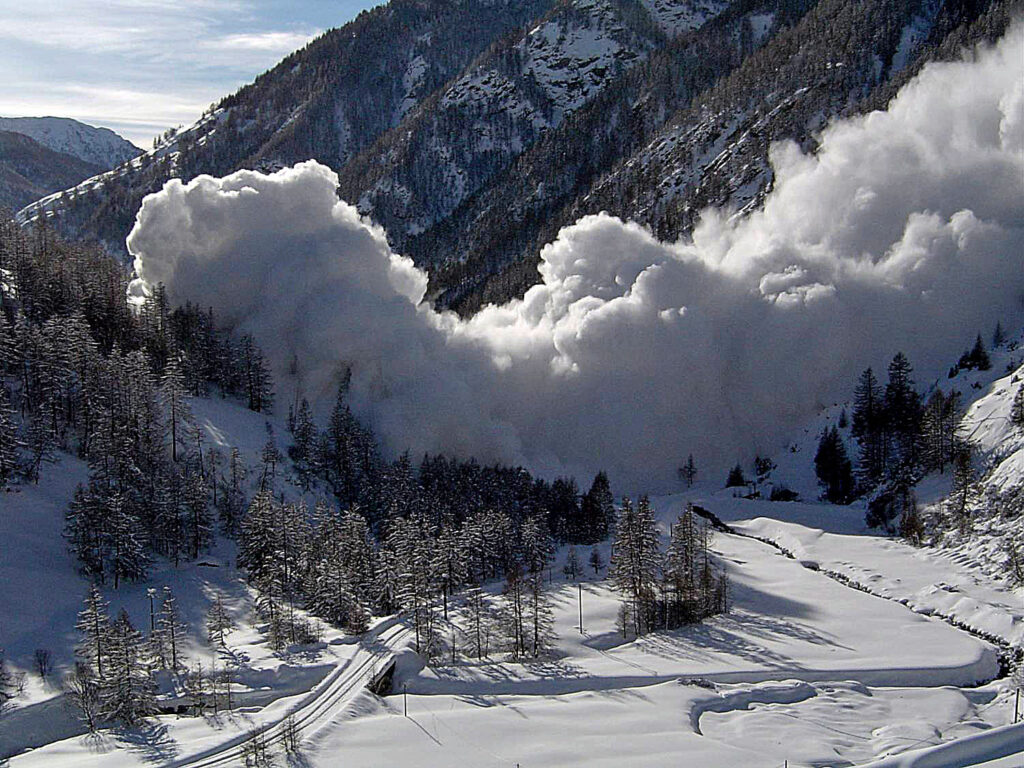
Avalanches are sudden and terrifying natural phenomena that can have devastating consequences, including avalanche deaths, particularly during peak winter sports seasons. As winter descends upon the Northern Hemisphere, understanding avalanche dynamics becomes crucial to ensure skiing safety. The effects of climate change have triggered fluctuations in winter weather impacts, leading to unstable snowpack stability that can heighten the risk of these deadly snow slides. With heavy snowfall accumulating on weak layers below, skiers must recognize the intricacies involved in navigating snow-covered slopes. By staying informed and adhering to safety protocols, winter sports enthusiasts can significantly reduce their risk of becoming victims of avalanches.
Snow slides, often referred to as snow avalanches, pose a significant danger during the winter months, particularly in mountainous regions famed for skiing. These natural disasters can result in tragic avalanche fatalities, raising concerns about the implications of climate change effects on seasonal weather patterns. As warmer temperatures lead to inconsistent snowfall and weakened snowpack stability, ski resorts and enthusiasts alike must implement winter safety tips to mitigate risks. From layered snowfalls to unpredictable weather forecasts, it’s essential to remain vigilant and adhere to established safety protocols in order to enjoy off-piste adventures responsibly. Understanding the nuances of avalanche behavior not only enhances skiing experiences but also safeguards lives during these exhilarating winter activities.
Understanding Avalanche Risks in Skiing
Avalanches pose a significant risk to skiers, especially those venturing off-piste. As more individuals seek thrills in untouched snow, the likelihood of encountering dangerous conditions increases. These risks are compounded by fluctuating weather patterns, as periods of drought followed by heavy snowfall can create unstable snowpack layers. When warm winter temperatures melt or transform snow, the dry layers below may remain loose, resulting in a precarious situation where the slightest disturbance can trigger an avalanche.
In addition to natural factors, human behavior also contributes to avalanche risks. Ski resorts are witnessing a growing trend of skiers exploring off-trail areas, where the dangers are more pronounced. The decline in snowpack stability due to climate change adds another layer of complexity, necessitating a better understanding of how to navigate riskier terrains. Skiers must remain vigilant, seek expert advice, and be equipped with safety tools such as avalanche transceivers to enhance their chances of surviving in case of an avalanche.
The Role of Climate Change in Avalanche Frequency
Recent studies highlight the concerning link between climate change and changes in avalanche frequency. As global temperatures rise, precipitation patterns become increasingly erratic, often leading to sudden bursts of heavy snowfall after long dry spells. These extreme changes in weather can create conditions ripe for avalanches, particularly when fresh snow fails to bond with the existing layers beneath it. This instability is further exacerbated by the wet snow phenomenon, which is becoming more prevalent as temperatures fluctuate.
Climatologists are currently examining how increasing temperatures could affect snowpack stability, which is critical for avalanche safety. Prolonged dry periods followed by intense snowfall lead to weak layers forming within the snowpack that can easily collapse under stress. Consequently, the characteristics of recent winters, including shifts between extreme dry spells and heavy snow, indicate that climate change not only affects the frequency of avalanche occurrences but also impacts their predictability and severity.
Skiing Safety Tips Amidst Growing Risks
With avalanche deaths rising, it’s essential for skiers to prioritize safety above all else. First and foremost, skiers should be well prepared before hitting the slopes, especially in areas prone to avalanches. This involves utilizing resources such as avalanche forecasts, learning about the current snow conditions, and being aware of any recent weather changes that could influence stability. Additionally, obtaining the necessary equipment, including an avalanche transceiver, shovel, and probe, is crucial for survival in emergency situations.
Moreover, skiing with experienced guides can dramatically reduce the risks associated with off-piste skiing. Guides offer invaluable insights into local conditions and can navigate areas that are deemed safer based on current weather and snowpack assessments. Practicing awareness regarding other skiers and following resort guidelines also contributes to a safer skiing experience, particularly in regions where avalanche warnings are in effect.
The Impact of Recent Weather Patterns on Avalanche Incidents
This winter, unusual weather patterns across Europe, characterized by heavy snowfall and strong winds, have significantly increased avalanche risks. Regions like the Alps have seen heightened avalanche warning levels following a series of storms, leading to evacuations and disruptions. Such dramatic changes in snow conditions can result in unstable snowpack layers that pose serious threats to skiers and local communities alike.
In California, while an end to snow drought is seemingly beneficial, it has raised concerns among experts regarding snowpack stability. The snow that fell during this season may not bond well with older layers, creating dangerous situations on the slopes. As different regions face unique challenges due to weather conditions, the need for strict avalanche monitoring and timely updates from meteorological services becomes crucial in preventing risk-related accidents.
Emphasizing Off-Piste Awareness in Ski Resorts
As the trend of off-piste skiing continues to grow, ski resorts are taking proactive measures to educate and inform their guests about the potential dangers. A significant portion of the skiing community chooses to explore unmarked trails, where the avalanche risk is often considerably higher. In light of this, ski resorts are stepping up efforts to provide safety tips and resources to empower skiers to make informed decisions while enjoying their snow adventures.
Educational programs that focus on recognizing avalanche signs, understanding snowpack stability, and employing proper rescue techniques are becoming increasingly important in resort safety initiatives. Ski resorts like La Plagne encourage skiers to participate in safety days, allowing them to gain hands-on experience with safety equipment and avalanche awareness. By fostering a culture rooted in safety, ski resorts aim to mitigate risks and ultimately reduce avalanche fatalities among adventurous skiers.
The Importance of Local Knowledge in Avalanche Safety
One critical aspect of avalanche safety is understanding local terrain and conditions. Local skiers and resort staff possess invaluable insights regarding areas prone to avalanches and recent snow conditions that are often unknown to visitors. Engaging with local experts and taking their advice seriously can make a significant difference in ensuring a safe skiing experience, especially in challenging winter conditions influenced by unstable weather patterns.
In addition to seeking advice, skiers should actively consult avalanche forecasts and take note of recent warnings before embarking on any ski venture. Understanding the dynamics of specific slopes and their avalanche potential can guide skiers to make more prudent choices. Complacency in avalanche-prone areas can lead to catastrophic consequences, underlining the necessity of respecting local knowledge and prioritizing safety.
The Consequences of Avalanche-Related Fatalities
The increase in avalanche fatalities not only highlights the immediate danger to skiers but also signifies a broader concern regarding how collective skiing behaviors impact safety. Each death serves as a poignant reminder of the risks associated with off-piste skiing, particularly as changing weather patterns continue to challenge both skiers and safety officials. Authorities must recognize these trends and educate the skiing community on the importance of risk assessments before heading out.
The emotional toll on families and communities affected by avalanche deaths can be profound, often sparking discussions on the necessity for stricter regulations and more comprehensive safety measures at ski resorts. This raises questions about the accessibility of off-piste areas and whether adequate safeguards are in place to protect users, indicative of the need for ongoing dialogue between resort operators, safety experts, and the skiing community.
Technological Advances in Avalanche Prediction
The integration of technology into avalanche prediction and safety protocols has transformed how resorts approach skiing safety. Advanced monitoring systems, including drones equipped with thermal imaging, enhance the capacity for real-time assessments of snowpack conditions and potential avalanche threats. These technological advancements can drastically improve response times during emergencies and increase the chances of successful rescues for individuals caught in avalanches.
Furthermore, the continuous development of apps and platforms providing avalanche forecasts enables skiers to access essential safety information at their fingertips. By leveraging technology, ski resorts can better educate their guests and refine their risk mitigation strategies, thereby fostering a safer skiing environment as weather conditions continue to change and evolve with climate patterns.
Looking Ahead: Future of Avalanche Safety
As skiing conditions and avalanche risks evolve due to ongoing climate change, the future of avalanche safety will increasingly hinge on adaptive strategies that prioritize both technology and education. The need for comprehensive training programs for skiers, alongside technological innovations in forecasting, will be paramount in reducing the frequency of avalanche-related accidents and fatalities.
In addition, sustainable practices within ski resorts will play a crucial role in preserving the integrity of the snowpack and reducing risks associated with changing winter conditions. By fostering a culture of safety and awareness, coupled with ongoing research into the effects of climate change on avalanches, the skiing community can advocate for safe winter sports experiences even as challenges continue to mount.
Frequently Asked Questions
What contributes to avalanche deaths during the ski season?
Avalanche deaths during the ski season are often influenced by unstable snowpack stability, especially following droughts and heavy snowfall. This instability is exacerbated by human behavior—many skiers venture off-piste, increasing their risk. The conditions in regions like California and Europe, which have recently faced unusual weather patterns, have led to heightened avalanche risks and casualties.
How does climate change affect the occurrence of avalanches?
Climate change contributes to sharper, intense precipitation patterns followed by long dry spells, impacting snowpack stability. For example, milder temperatures can lead to wet snow avalanches, which are less predictable and more dangerous. Over time, the changing climate may increase the frequency and severity of conditions that lead to avalanches.
What skiing safety tips can help reduce the risk of avalanches?
To improve skiing safety during avalanche season, skiers are advised to stay informed about current weather and snow conditions, obtain necessary safety gear (like an avalanche transceiver, shovel, and probe), and always ski with a companion or guide. Detailed awareness of local avalanche forecasts and avoiding off-piste areas during high warning levels also greatly reduces risks.
What are the impacts of winter weather on avalanche risk?
Winter weather can significantly impact avalanche risk by creating unstable snow layers. Heavy snowfall combined with strong winds increases avalanche warning levels in many regions, such as the Alps, where significant weather events have led to evacuations. Understanding the interplay between dry periods and heavy accumulations is crucial for assessing avalanche threats.
Why is snowpack stability important in relation to avalanches?
Snowpack stability is critical to understanding avalanche risks. An unstable snowpack created by alternating periods of dryness and heavy precipitation can lead to more frequent avalanche events. This winter, for instance, a weak snowpack in the Alps has resulted in dangerous conditions, highlighting the need for constant monitoring and awareness among skiers and residents.
| Region | Avalanche Situation | Contributing Factors | Impact on People |
|---|---|---|---|
| California | Recovering from a snow drought; new snow not bonding well with old snow, leading to instability. | Drought followed by snowfall; old snow weak; blizzard conditions. | Rescuers searching for unaccounted skier. |
| Europe | Recent major storms have created high avalanche warning levels across the Alps. | Heavy snow combined with strong winds; alternating droughts and heavy precipitation. | Evacuations, power outages, train derailments reported. |
| General Trends | Increase in avalanche deaths observed this season; 95 fatalities reported, higher than previous seasons. | Climate change; human behavior changes such as more skiers going off-piste. | Professional guidance advised; safety protocols in place at resorts. |
Summary
Avalanches have claimed over 90 lives this season, prompting a closer look at the factors contributing to their frequency and severity. With varying conditions observed across regions, from California’s problematic snowpack to Europe’s alarming avalanche warnings following intense storms, it’s crucial for both skiers and residents to understand the risks. Factors such as climate change and the increase in off-piste skiing among adventurers further complicate the landscape. As the ski season continues, remaining aware of safety measures and avalanche conditions is paramount to prevent further tragedies.