Listen to this article
The Gaza relief package has emerged as a critical initiative aimed at addressing the dire humanitarian crisis exacerbated by the Israel-Gaza conflict. In a noteworthy announcement, former President Trump revealed that nations participating in the Trump Board of Peace have collectively pledged over $7 billion in aid to support reconstruction and humanitarian assistance in Gaza. This historical commitment underscores a concerted effort to restore stability to the region while also grappling with the complexities surrounding Hamas disarmament. The aid is not just a financial lifeline; it represents hope for millions affected by ongoing violence and destruction. As the international community grapples with these challenges, the focus remains on achieving lasting peace and rebuilding Gaza’s shattered infrastructure.
The Gaza aid initiative represents a significant response to the urgent needs arising from the ongoing turmoil affecting the territory. With substantial contributions flowing from various nations, this financial support aims to alleviate the humanitarian crisis resulting from the recent escalations in conflict. Central to this relief effort is not only the need for immediate assistance but also the longer-term goal of disarming militant groups and initiating a comprehensive reconstruction process. As global efforts gather momentum, the complexity of the geopolitical landscape necessitates a nuanced approach to ensuring that the aid effectively contributes to peace and stability in Gaza. In addressing these multifaceted challenges, the international community seeks to foster an environment conducive to healing and recovery.
The Importance of the Gaza Relief Package
The Gaza relief package represents a significant international effort to provide humanitarian assistance and reconstruction support in the wake of the ongoing Israel-Gaza conflict. With contributions exceeding $7 billion from various countries, this funding aims to address both immediate needs and long-term stability in the region. This initiative showcases a collective recognition of the dire humanitarian situation faced by Gazans, as they cope with the devastation that has resulted from the conflict. Ensuring aid reaches those in need is crucial for preventing further escalation and fostering an atmosphere conducive to peace.
The commitment of nations participating in Donald Trump’s Board of Peace underscores the importance of a united front in the face of such challenges. However, the effectiveness of the Gaza relief package hinges on collaborative efforts among donors, the Palestinian Authority, and other stakeholders. Moreover, the necessity of preconditions, such as Hamas disarmament, complicates the overall implementation of assistance and reconstruction plans. Therefore, while the financial commitment is promising, significant political hurdles remain that could impede efforts to provide meaningful aid.
Humanitarian Assistance Ahead of Gaza Reconstruction Plans
Humanitarian assistance is critical as part of the broader Gaza reconstruction plan. Given the extensive damage inflicted by the recent conflict, urgent medical supplies, food security, and psychosocial support must be prioritized. The United Nations has already estimated the need for approximately $70 billion in reconstruction efforts, highlighting the significant gap between the available funds and the actual demands of rebuilding. This gap emphasizes the urgent need for accelerating initiatives that will not only address immediate humanitarian crises but also lay the framework for a sustainable recovery.
In order to effectively kickstart the Gaza reconstruction plan, humanitarian assistance must seamlessly integrate with larger strategies aimed at stabilizing the region. This includes establishing a ceasefire agreement and verifying the disarmament of Hamas, as mentioned by Israeli Prime Minister Benjamin Netanyahu. Without resolving the security situation, any reconstruction efforts will be futile and could exacerbate tensions. Therefore, it is imperative that humanitarian initiatives are coupled with robust security measures to ensure that aid effectively reaches vulnerable populations without being compromised by ongoing violence.
Challenges of Disarming Hamas in Gaza
One of the most challenging aspects of rebuilding Gaza involves the disarmament of Hamas. Although there are optimistic reports from Donald Trump regarding Hamas’s willingness to cooperate, multiple obstacles remain on this front. Observers note that Hamas has reportedly expanded its control over Gaza, contradicting claims about disarmament. The complex socio-political landscape in the region complicates direct negotiations, as any disarmament efforts must consider the sentiments of the local populace, some of whom may view such actions as efforts to suppress their agency rather than promote peace.
Furthermore, ensuring that conditions for disarmament align with restoring normalcy in Gaza is a delicate balance. As the Israeli government firmly states that reconstruction cannot proceed without disarmament, this creates a troubling stalemate. The perceived security threats stemming from Hamas’s military capabilities only hinder further peace negotiations and instill skepticism among potential donors. Ultimately, the question remains: how can both humanitarian needs be addressed and security concerns managed concurrently in such a volatile environment?
Global Contributions and Their Implications on Peace Efforts
The contributions to the Gaza relief package from various countries signify international efforts to stabilize a region fraught with conflict. Support from nations such as Saudi Arabia, UAE, and Morocco can enhance diplomatic relationships and reflect a commitment to a comprehensive peace solution in the Israeli-Palestinian context. However, these contributions also highlight the divided stance among global players regarding how to approach the conflict. Notably, allied countries like the UK and Canada have chosen to abstain from joining the Board of Peace, citing concerns over undermining UN authority in such matters.
This division raises questions about the effectiveness of various strategies being employed to resolve the conflict. A cohesive and unified approach that includes all relevant stakeholders, including the UN, is vital for establishing sustainable peace. If the Gaza relief package is to succeed in alleviating human suffering while simultaneously fostering a political resolution, it is essential that adequate measures are taken to ensure widespread collaboration and input from diverse international actors. Without such a framework, any attempt to manage the social, economic, and political challenges may ultimately be hindered.
Engaging the United Nations in Gaza Recovery
The role of the United Nations in the Gaza reconstruction plan is critical, as the UN possesses extensive experience in delivering humanitarian assistance and implementing post-conflict recovery strategies. Trump’s assurance that the Board of Peace would collaborate closely with the UN is vital for maintaining legitimacy and supporting successful implementation of reconstruction efforts. The UN’s commitment to assist, with pledges of $2 billion, underscores the necessity of involving experienced international organizations in recovery efforts and highlights their importance in monitoring and mitigating the delivery of aid.
Additionally, the involvement of the UN can ensure a multi-layered approach to reconstruction that not only focuses on the physical rebuilding of infrastructure but also addresses the socio-political frameworks necessary for long-term peace. For any reconstruction plan to succeed, there needs to be comprehensive cooperation across different governance levels — from international donors to local authorities. With the UN at the helm, collaboration can be fostered, bringing together various stakeholders to ensure that efforts are coordinated, effective, and sensitive to the complex nature of the Israel-Gaza conflict.
The Impact of the Israel-Gaza Conflict on Regional Stability
The ongoing conflict between Israel and Hamas has far-reaching implications for regional stability in the Middle East. The recent hostilities have resulted in loss of thousands of lives and significant destruction in Gaza, creating a humanitarian crisis that reverberates beyond its borders. Regional actors, including Egypt and Jordan, are grappling with the consequences of increased refugee flows and heightened tensions that can destabilize their own security environments. This instability undermines broader peace initiatives, including those advocated by Trump’s Board of Peace, highlighting the interconnectedness of Middle Eastern geopolitics.
Moreover, the enduring rivalry between Israel and Hamas perpetuates cycles of violence that deter potential investment and development efforts necessary for regional growth and stability. Nations looking to contribute to the Gaza relief package must navigate through a complex landscape of alliances and antagonisms, compelling them to directly address the underlying causes of the Israel-Gaza conflict. There is a pressing need for comprehensive diplomatic efforts that can address grievances, ensure security, and ultimately facilitate a lasting peace in the region.
Local Governance and Transition in Gaza
The establishment of a new transitional Palestinian police force hints at a potential shift in local governance structures in Gaza. The recruitment of 2,000 applicants illustrates a willingness among the local populace to engage in a process aimed at restoring order amid the chaos. However, the successful establishment of this new governance hinges on regional and international support. Ensuring that this police force operates impartially and effectively will be paramount to gaining public trust and cooperation, which is crucial for maintaining social stability as reconstruction efforts unfold.
Furthermore, local governance plays a vital role in the execution of humanitarian assistance and reconstruction initiatives. A capable and reliable governing body will facilitate communication between aid organizations and the community, ensuring that resources are allocated where they are needed most. However, the overarching concern remains whether this governance structure can operate autonomously and resist external influences, particularly from factions like Hamas. If managed well, a transformative local governance structure could provide a viable path toward long-lasting peace in Gaza.
The Role of International Aid Organizations in Gaza
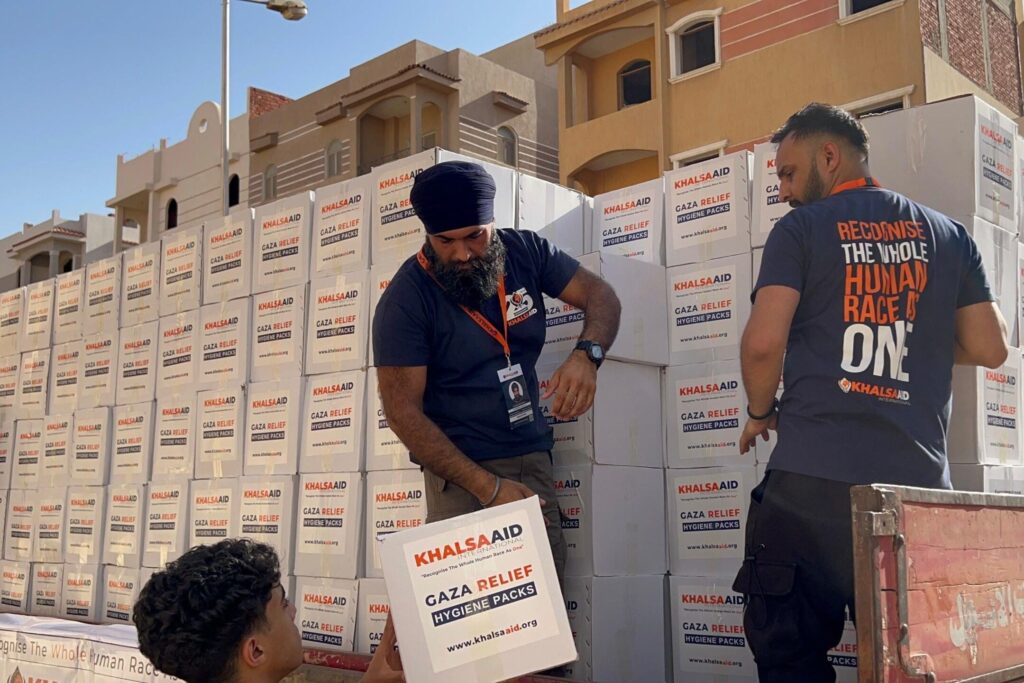
The involvement of international aid organizations is critical to the success of any relief package for Gaza. These organizations bring expertise and resources that are essential in addressing the immediate humanitarian crisis and facilitating long-term reconstruction efforts. By coordinating with local communities and the UN, international aid organizations can ensure that aid is not only delivered effectively but also tailored to the specific needs of the Gazan population. Their capacity to mobilize quickly and efficiently can make a significant difference in mitigating the suffering experienced by citizens.
Moreover, these organizations play a vital role in monitoring the use of funds and delivering transparency regarding the distribution of resources. This accountability is crucial, especially given the skepticism surrounding the potential mismanagement of aid in politically sensitive environments like Gaza. In this context, international organizations must work diligently to build trust within the community, ensuring that assistance contributes to positive changes rather than exacerbating existing tensions. Their presence on the ground is indispensable for fostering a conducive environment for peace and recovery.
Promoting Stability Through Soccer Initiatives in Gaza
Innovative approaches to stability, such as soccer-related initiatives, may serve as an unexpected avenue to foster unity and healing in Gaza. Such programs, supported partly by Fifa’s $75 million contribution, can provide a sense of normalcy to the youth in the enclave, helping to alleviate the psychological impacts of the ongoing conflict. Sports can serve as a universal language, transcending divisions and promoting peace among the younger generation. By focusing on shared interests, soccer can play a pivotal role in bridging divides and fostering community cohesion.
Furthermore, engaging youths from different backgrounds in soccer programs can help cultivate a culture of dialogue and collaboration. Encouraging participation in sports can also divert attention from violence and hostility, promoting healthier outlets for energy and emotions among young people in Gaza. Supporting such initiatives not only enhances the social fabric but also contributes to the broader goals of humanitarian assistance and recovery efforts in Gaza, emphasizing the importance of holistic approaches to building peace.
Frequently Asked Questions
What is the Gaza relief package discussed in relation to the Trump Board of Peace?
The Gaza relief package refers to over $7 billion pledged by several countries as part of a humanitarian assistance initiative to aid the reconstruction of Gaza following the recent Israel-Gaza conflict. This funding comes from nations that are part of Donald Trump’s Board of Peace, aimed at stabilizing the region.
How does the Gaza relief package relate to the humanitarian assistance efforts in Gaza?
The Gaza relief package is a critical component of the humanitarian assistance efforts in Gaza, aiming to provide essential support for rebuilding infrastructure and services devastated by the conflict. The United Nations has also committed $2 billion to support these efforts, highlighting a multifaceted approach to humanitarian aid.
What are the implications of Hamas disarmament in the context of the Gaza relief package?
Hamas disarmament is a crucial condition tied to the Gaza relief package; Israeli Prime Minister Netanyahu has insisted that reconstruction efforts will not proceed until Hamas is demilitarized. This reflects the ongoing tensions in the Israel-Gaza conflict and the need for a stable environment for effective humanitarian assistance.
How does the Gaza reconstruction plan fit into the overall Gaza relief package?
The Gaza reconstruction plan is an integral part of the Gaza relief package, which is designed to address the extensive damage caused by the conflict. This plan aims not only to rebuild physical infrastructure but also to restore essential services to civilians affected by the ongoing violence.
Which countries have contributed to the Gaza relief package through the Trump Board of Peace?
Countries including Kazakhstan, Azerbaijan, UAE, Morocco, Bahrain, Qatar, Saudi Arabia, Uzbekistan, and Kuwait have collectively contributed over $7 billion to the Gaza relief package as part of Donald Trump’s Board of Peace.
What role does the United Nations play in the Gaza relief package and humanitarian efforts?
The United Nations plays a supportive role in the Gaza relief package by committing $2 billion for humanitarian assistance and collaborating with the Trump Board of Peace to ensure that aid is effectively delivered and that reconstruction efforts are aligned with humanitarian needs.
Why have some countries opted not to join the Trump Board of Peace supporting the Gaza relief package?
Countries like the UK, Canada, France, and Germany have declined to join the Trump Board of Peace due to concerns that the initiative may undermine the UN’s role in addressing the humanitarian crisis in Gaza, emphasizing the need for multilateral engagement in such sensitive geopolitical issues.
How does the Gaza relief package aim to promote stability in the region?
The Gaza relief package aims to promote stability by providing crucial financial support for reconstruction and humanitarian assistance, facilitating the demilitarization of Hamas, and creating conditions conducive to peace following the Israel-Gaza conflict.
| Key Points |
|---|
| Over $7 billion pledged for a Gaza relief package by countries in Donald Trump’s Board of Peace. |
| Initial concerns over the board undermining the UN and its objectives. |
| The disarmament of Hamas is part of the US-sponsored ceasefire plan, but its actual disarmament is uncertain. |
| Israel rejects reconstruction of Gaza until disarmament of Hamas is achieved, per Israeli PM’s statements. |
| The conflict led to significant casualties: approximately 1,200 in Israel, over 72,000 in Gaza due to military actions. |
| UN estimates $70 billion in damages to Gaza’s infrastructure. |
| Notable non-participants of the Board include UK, Canada, France, and Germany. |
| US President Trump assured collaboration with the UN despite concerns about the Board’s intentions. |
| The announcement includes contributions from several nations to support humanitarian initiatives in Gaza. |
| Recruitment for a new transitional Palestinian police force has reportedly begun. |
Summary
The Gaza relief package represents a significant international effort to provide financial assistance and promote stability in a region deeply affected by conflict. With over $7 billion committed by members of Donald Trump’s Board of Peace, there is hope for rebuilding and humanitarian aid. However, the road to effective implementation remains fraught with challenges, particularly regarding the disarmament of Hamas and the reconstruction of Gaza, which will require close cooperation with the UN and compliance from all parties involved.