Listen to this article
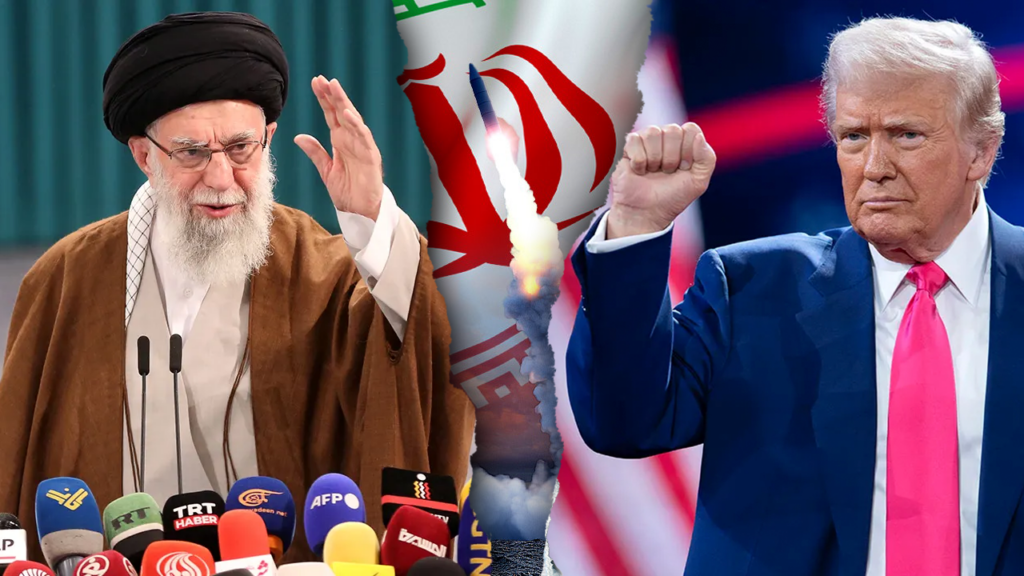
In recent discussions surrounding Trump Iran military action, President Donald Trump indicated that the world would soon discover whether diplomatic negotiations with Iran would yield results or lead to increased military engagement. At the inaugural meeting of his Board of Peace, he underscored the necessity of reaching an agreement on Iran’s contentious nuclear program while also acknowledging the potential need for a more forceful approach. As tensions rise, the US military presence in the Middle East has significantly increased, raising alarms about a possible escalation. Furthermore, Congress has expressed opposition to military action without legislative approval, underscoring the political complexities surrounding this issue. Ultimately, the outcome of these critical negotiations could alter the course of US foreign policy and its stance on Iran for years to come.
The ongoing situation surrounding Trump’s potential military intervention in Iran has sparked extensive debate over diplomatic strategies and military preparedness. With the backdrop of US negotiations with the Islamic Republic, there remain concerns about Iran’s nuclear ambitions and the implications for regional peace. Amidst rising tensions, the Trump administration’s aggressive posture reflects a crucial moment of decision-making that could reshape how the US engages with Middle Eastern counterparts. Compounding these challenges, dissent from various congressional members serves as a reminder of the checks and balances integral to US foreign policy. The unfolding scenario emphasizes the delicate balance between diplomacy and military readiness as stakeholders consider the future of US-Iran relations.
Trump Iran Negotiations: A Delicate Dance
The ongoing negotiations between the Trump administration and Iran have become a focal point in U.S. foreign policy, as both parties strive to find common ground on Iran’s nuclear program. President Donald Trump has emphasized the importance of reaching an agreement, stating that the world would soon learn the outcome of these talks. His administration has deployed Special Envoys like Jared Kushner to further these discussions, demonstrating a commitment to pursuing diplomatic solutions, despite the complexities involved.
However, as the negotiations unfold, the public has witnessed a considerable buildup of military assets in the Middle East. With the increased U.S. military presence comes growing concerns about the potential for conflict. Critics from both sides of Congress have raised alarms about the ramifications of military action against Iran, suggesting diplomacy is the only viable solution to prevent escalation and maintain regional stability.
US Military Presence in the Middle East: Intentions and Implications
The U.S. military’s ongoing presence in the Middle East is often justified as a means to deter aggression from adversaries like Iran. Recently, significant resources, including the USS Abraham Lincoln aircraft carrier, have been deployed, signaling a robust commitment to maintaining security in the region. This military posturing aims to reassure allies and serve as a countermeasure against threats posed by Iran’s nuclear ambitions and regional activities.
Yet, the increased military footprint has sparked debates regarding its long-term implications. Many lawmakers, including both Democrats and Republicans, have voiced opposition to further military action without explicit congressional approval, underscoring the need for governmental checks on presidential military authority. The potential fallout of a military confrontation poses risks not only to U.S. troops but to the stability of the entire region.
Congressional Opposition to Military Action Against Iran
In light of escalating tensions with Iran, several members of Congress have taken a stand against the potential for military action without legislative oversight. The 1973 War Powers Act serves as a crucial framework for these discussions, as some representatives are advocating for a vote to ensure that any military engagement is authorized by Congress. Leaders within both parties recognize the complexities of military intervention, advocating for a more measured response that prioritizes diplomatic avenues.
With the stakes higher than ever, Congress’s role in military decisions is being reexamined. Lawmakers like Democrat Ro Khanna and Republican Thomas Massie have raised concerns about the consequences of a war with Iran, citing the vast implications for U.S. personnel and enhanced regional tensions. They remind the public that navigating the intricacies of international diplomacy is essential to safeguarding national interests.
The Trump Board of Peace: A New Diplomatic Approach
In an attempt to alleviate ongoing conflicts in the Middle East, President Trump has initiated the Board of Peace, a group intended to address the Israel-Hamas conflict and broader geopolitical issues, including Iran’s nuclear program. By inviting representatives from numerous countries, Trump seeks to present a united front that could potentially stabilize an otherwise volatile region. The formation of this board highlights an innovative approach to diplomacy, aiming to encourage dialogue and build consensus.
Yet, the board’s mission appears to have evolved, with some suggesting that it may overshadow traditional international frameworks like the United Nations. Critics worry that this move could lead to fragmentation of global diplomatic efforts, complicating relations with key players like Iran. As the board continues its work, its effectiveness in steering discussions and negotiations remains to be seen against the backdrop of rising military tensions.
Military Action vs. Diplomacy: Trump’s Strategic Choices
As the clock ticks down on negotiations with Iran, President Trump faces a critical choice between pursuing military action or doubling down on diplomatic efforts regarding Tehran’s nuclear program. His administration’s mixed signals—balancing between military buildup in the region and positive discussions—illustrate the complicated nature of U.S. foreign policy. While Trump emphasizes the importance of reaching a successful agreement, the shadow of potential military conflict looms large.
The consequences of these decisions are far-reaching. Proponents of diplomacy argue that continued dialogue is the most effective way to curtail Iran’s nuclear ambitions, while military advocates caution that failing to assert pressure could embolden Iran. As these strategic choices unfold, the implications for U.S. foreign relations and global security will be closely monitored by both allies and adversaries alike.
Tracking Iran’s Nuclear Program: Threats and Responses
Iran’s nuclear program has been a point of concern for U.S. policymakers and allies, raising questions about the potential for the nation to develop nuclear weapons capabilities. Recent advancements in Iran’s nuclear technology have prompted discussions on how best to respond to mitigate the threat. Trump’s administration has maintained a hardline stance, viewing military action as a potential means to disrupt Iran’s capabilities should negotiations falter.
In response, Iran has taken defensive measures, fortifying its military facilities, which adds another layer of complexity to the already tenuous situation. As tensions escalate, both U.S. and Iranian leaders recognize the potential repercussions of an armed confrontation, further complicating the quest for a diplomatic resolution. The debate lingers—can a balance between military readiness and renewed negotiations be struck to prevent a precarious escalation?
Regional Stability: The Broader Impacts of US-Iran Relations
The relationship between the U.S. and Iran is undeniably interconnected with broader regional stability in the Middle East. The evolving dynamics of U.S. military presence coupled with Iran’s responses can greatly influence the geopolitical landscape. As tensions rise, neighboring countries are also reacting to the potential for conflict, weighing their security strategies in light of escalating rhetoric and military movements.
Consequently, many stakeholders recognize that any military action could trigger a regional conflict, affecting not just the U.S. and Iran but also allies and adversaries throughout the area. The need for a comprehensive approach—a mix of diplomatic endeavors and strategic defense—becomes paramount to ensure that peace efforts are effective and lasting, while simultaneously addressing national security interests.
Public Sentiment on Military Action in Congress
Public opinion regarding the potential for military action against Iran plays a significant role in shaping congressional discussions and decisions. Many Americans express a desire for peaceful solutions rather than armed conflict, reflecting concerns over the human cost and potential escalation of hostilities. Congressional members are acutely aware of their constituents’ sentiments and utilize this as a guiding factor in their resistance to unilateral military actions by the administration.
As discussions unfold in Congress, the voices against military intervention underscore the importance of engaging in negotiations and reaching a consensus on governing international engagement. Lawmakers advocating for diplomacy align with a significant segment of the American populace, who hope to see a resolution that prioritizes peace over conflict.
The Future of US-Iran Relations: A Path Forward
The future of U.S.-Iran relations hinges on the outcomes of current negotiations and the strategic choices made by leadership on both sides. The ongoing conversations about Iran’s nuclear program are far from simple, and the stakes are high as international scrutiny grows. For President Trump, finding a path forward that avoids military conflict while addressing Iran’s ambitions is a paramount goal.
Achieving a lasting agreement requires not just political will but also a shift in the perceptions of both nations towards trust and cooperation. Only through sustained dialogue, backed by the commitment of the international community, can a resolution be crafted that ensures basic security without jeopardizing regional stability. The decisions made in the upcoming days will shape the trajectory of relations for years to come.
Frequently Asked Questions
What did Trump say regarding Iran military action during his Board of Peace meeting?
During the inaugural meeting of the Board of Peace, President Trump mentioned that there is still “some work to do” in negotiations with Iran over its nuclear program, hinting that the US might consider military action if an agreement is not reached soon.
How has the US military presence in the Middle East changed under Trump regarding Iran?
Under Trump’s administration, the US has significantly increased its military presence in the Middle East, including deploying the USS Abraham Lincoln aircraft carrier, amid ongoing tensions with Iran and discussions about military options.
What is Congress’s stance on Trump Iran military action?
Many members of Congress, including representatives from both parties, have expressed opposition to Trump Iran military action without congressional approval, citing the 1973 War Powers Act and calling for a vote on the matter.
What role do negotiations play in Trump’s approach to the Iran nuclear program?
Trump has emphasized the importance of negotiations with Iran concerning its nuclear program, stating he hopes for a diplomatic resolution while acknowledging that effective deals with Iran have historically been challenging.
What warnings did White House officials give about Trump Iran military action?
White House Press Secretary Karoline Leavitt warned that Iran would be “very wise” to negotiate, indicating that the Trump administration still prioritizes diplomacy over military action, despite escalating tensions.
What recent military actions has the US taken against Iran’s nuclear facilities?
Last year, US missiles and aircraft targeted three Iranian nuclear facilities, and discussions about new military strikes are ongoing, highlighting the tension surrounding Trump Iran military action.
How do members of congress view the risk of a war with Iran?
Congress members, such as Ro Khanna, have expressed that a war with Iran would be catastrophic, noting the country’s military capabilities and the risks to US troops in the region.
What has been the response from other countries regarding the Trump-led Board of Peace’s efforts?
There is speculation that the Trump-chaired Board of Peace aims to override traditional diplomatic channels like the United Nations, as it has expanded its focus beyond the Israel-Hamas conflict to broader regional issues, including Iran.
| Key Point | Details |
|---|---|
| Trump’s Statement on Military Action | President Trump indicated the world would know soon whether the US would reach a deal with Iran or take military action. |
| Increased Military Presence | The US has ramped up its military involvement in the Middle East, reflecting tensions surrounding Iran’s nuclear program. |
| Diplomatic Efforts | Negotiators from the US and Iran have had productive discussions in Switzerland, aiming for a nuclear agreement. |
| Opposition in Congress | Many lawmakers, both Democrats and some Republicans, oppose military strikes against Iran without Congress’s consent. |
| Trump’s Board of Peace | Initially focused on Israel and Hamas but now potentially expanding to broader Middle East issues, including Iran. |
| Potential Consequences of War | Congress members express concerns about a military conflict with Iran, predicting it would have severe repercussions. |
Summary
Trump’s Iran military action is under intense scrutiny as he assesses whether to push for a nuclear agreement with Iran or resort to military measures. With increasing military presence in the region and ongoing diplomatic discussions, both sides face critical decisions. Political opposition from Congress raises questions about the legitimacy of military action without approval, amplifying the complexity of the situation. As the events unfold, the potential for a catastrophic war with Iran remains a pressing concern for both lawmakers and military analysts.