
Listen to this article
The Congestion Charge has become a hot topic among environmental advocates and city planners, especially as central London grapples with increasing traffic levels during peak times. Recent studies indicate that after 6:00 PM, the influx of vehicles in this bustling area rises sharply, leading to significant evening rush hour congestion. Clean Cities, a leading environmental organization, has highlighted a startling 50% increase in car entries since the charge ended its operations in the evening. With Transport for London firmly opposing changes to the current Congestion Charge hours, the debate continues over how to balance the bustling night-time economy with the pressing need for cleaner air. As the city strives for sustainable transport solutions, the impact of congestion charges remains a pivotal discussion that could shape the future of Central London traffic management.
Known colloquially as a traffic levy, the Congestion Charge is a measure aimed at reducing vehicular flow in busy urban areas. This initiative plays a crucial role in managing traffic volumes, particularly in central London, where the increase in cars during the evening rush hour raises concerns for both environmental sustainability and local businesses. Organizations such as Clean Cities are advocating for the reintroduction of these charges later in the day to counteract rising congestion levels post-6:00 PM. Language around this policy includes terms like “traffic control measures” and “urban mobility fees,” which reflect the broader implications of urban transport systems. As stakeholders debate the effectiveness of such fees, understanding their impact on local traffic patterns and the environment remains critical.
The Rise of Evening Rush Hour Congestion in Central London
Recent studies indicate a marked increase in vehicle entries into central London after the evening rush hour. In fact, statistics show that the number of cars registering in the area has risen by over 50% following the cessation of the Congestion Charge after 6:00 PM. This surge becomes particularly evident during the hours when street parking controls are minimal, leaving the city pedestrian host to a chaotic stream of traffic—one that has drawn comparisons to the Wild West. Clean Cities, advocating for urban environmental health, has highlighted this dramatic change in traffic patterns, emphasizing the urgent need for a re-evaluation of congestion policies in order to ensure the safety and sustainability of central London streets.
Transport for London (TfL) has acknowledged these traffic trends but remains steadfast in its decision not to extend Congestion Charge hours into the evening. Officials cite various factors influencing commuter patterns, including the burgeoning night-time economy and the necessity of allowing access for individuals with heavy loads or late-night jobs. Yet, the statistics are alarming: over 6,000 vehicles flood into the central zone after 6:00 PM, a sign that many may be prioritizing convenience over environmental considerations. As urban planners and environmental advocates press for a new approach, understanding this surge becomes vital to devising effective traffic management strategies.
The Impact of Congestion Charges on Central London Traffic
Congestion charges have been a significant tool in managing traffic flow in central London, but their impact extends far beyond simple revenue generation. The decision to charge vehicles entering busy areas serves as both a deterrent and a motivator for drivers to reconsider their travel timings and practices. With current regulations in place from Monday to Friday and limited Saturday hours, many question whether these measures adequately reflect the realities of contemporary urban life, particularly the increase in vehicle movement during evening hours.
The discontinuation of the Congestion Charge post-6:00 PM has not only sparked discussions among environmental advocates but has also raised concerns about air quality and urban congestion. The Clean Cities campaign argues for a reintroduction of charges in the evenings as a means to combat the surge in vehicle entries and promote a cleaner city experience for everyone. By aligning congestion charging hours with actual traffic behaviors, stakeholders hope for a reduced number of vehicles, improved public health outcomes, and a more sustainable urban environment.
Clean Cities and the Call for Change in Congestion Charge Policies
Clean Cities has emerged as a key voice in advocating for the reintroduction of congestion charges during the evening rush hour, urging policymakers to deal with the rising number of vehicles in central London. With its troubling data on increased traffic post-6:00 PM, the organization emphasizes the need for a comprehensive review of the Congestion Charge policy. By calling for the reinstatement of the charge in the evenings, Clean Cities aims not only to alleviate traffic congestion but also to improve air quality and encourage a shift towards sustainable urban transport solutions.
The data collected by Clean Cities reflects a shifting landscape of travel behavior in London. Their analysis asserts that the reintroduction of evening congestion charges could effectively discourage unnecessary car use and promote alternative modes of transportation. As urban areas grapple with increasing pollution and traffic-related challenges, understanding the implications of such policies becomes urgent for creating a cleaner, more navigable city. Collaboration between local authorities and advocacy organizations like Clean Cities is essential to shape an effective congestion strategy that prioritizes both public safety and environmental integrity.
Transport for London’s Stance on Congestion Charge Hours
Transport for London (TfL) has taken a measured approach regarding the operational hours of the Congestion Charge, choosing not to extend these hours into the evening despite increasing calls for change. Their reasoning revolves around the complexities of the night-time economy, which requires access and flexibility for various transportation needs. TfL’s analysis takes into account changing weekday travel behaviors and the necessity for individuals engaged in late-night work or those carrying heavy items to access the city without punitive charges.
However, as vehicle entries continue to rise during the critical after-hours period, the rationale behind TfL’s stance faces growing scrutiny. By maintaining the current scheme, authorities must navigate the potential backlash from environmentalists and community advocates who argue that neglecting evening congestion leads to detrimental effects on urban life, from increased pollution to a strain on public health. Thus, while TfL works to balance economic concerns with environmental needs, the conversation surrounding congestion charges remains a vital aspect of London’s transport strategy.
Night-Time Economy Versus Environmental Impact in London
The relationship between the night-time economy and environmental sustainability is particularly complex in the context of London’s transport policies. Advocates for the night-time economy argue for unrestricted vehicle access after hours to support businesses and nightlife, while environmental groups contend that unrestricted vehicle access leads to increased congestion and pollution. As central London continues to thrive as a cultural and economic hub, policymakers are tasked with balancing these contrasting priorities to ensure nighttime accessibility does not come at the expense of air quality and road safety.
Proponents of extending the Congestion Charge hours into the evening believe that a well-enforced congestion policy can actually benefit the night-time economy in the long run. Cleaner streets and reduced air pollution could attract more visitors to local businesses, creating a healthier environment for everyone. As policymakers ponder the future of congestion pricing in relation to the vibrant nightlife that defines London, the discussions surrounding these policies will undeniably shape the city’s long-term vision for urban transport and environmental health.
Debates on Congestion Charges Among London Assembly Members
The conversation around congestion charges has sparked significant debate among London Assembly members, with opinions diverging widely on the issue. For instance, Conservative Assembly Member Thomas Turell has labeled the Congestion Charge a “blunt instrument” that unfairly penalizes drivers without addressing the root of traffic problems. His advocacy for improved infrastructure investment as an alternative solution echoes sentiments shared by many in the business community who feel that excess taxation may drive customers away from the city.
However, supporters of congestion charges argue that these measures are critical to managing urban congestion effectively. They assert that without financial disincentives, vehicular traffic will only continue to swell, adversely affecting the city’s livability and sustainability. As discussions continue within the Assembly, the balance between supporting business interests and promoting environmental responsibility remains a pressing concern.
The Financial Implications of the Congestion Charge
Financial considerations play a pivotal role in the ongoing discussions about London’s Congestion Charge policy. The charge, priced at £18 if paid on the day of entry, is a significant revenue stream for the city, funding public transport and urban improvement projects. However, the potential economic burden on drivers has led to contentious debates on whether the cost justifies its environmental benefits. An extension into the evening could further amplify the city’s revenue while also addressing traffic management.
Critics of the Congestion Charge system propose that rather than simply extending charges, the focus should be on infrastructural improvements that promote cleaner transportation alternatives, such as electric vehicles and enhanced public transit options. As London grapples with financial recovery post-pandemic, efficient and fair transit policies that support both the economy and environmental initiatives will be paramount. Finding this balance is one of the key hurdles that authorities will need to address in the months ahead.
The Future of Congestion Charges in Urban Planning
Looking forward, the future of congestion charges in urban planning will likely evolve in response to changing commuter patterns and environmental urgencies. Recognizing that evening rush hour traffic generates significant pollution, policymakers may need to revisit the operational hours of the Congestion Charge. With organizations like Clean Cities pushing for reform, it’s clear that the need for innovative solutions in traffic management is critical for urban health.
Emerging trends such as increased remote work and alternative commuting options demand a reevaluation of existing traffic policies. Therefore, as London progresses, authorities must consider flexible congestion costs that reflect real-time traffic data and environmental concerns. The dialogue surrounding congestion charges will play a crucial role in molding effective urban transport systems that prioritize sustainability and public wellbeing.
The Role of Community Feedback in Congestion Charge Policy
Community feedback has always been a vital aspect of transport policy-making, particularly concerning initiatives like the Congestion Charge. Engaging local residents and stakeholders helps authorities understand the challenges posed by current transport regulations. As advocates for change, community members bring essential insights into how congestion affects daily life, local businesses, and environmental health, laying the groundwork for effective policy adjustments.
As the push for broader congestion pricing evolves, it becomes increasingly important that the voices of ordinary Londoners are included in the conversation. By fostering transparent dialogue between the public, local authorities, and transport bodies like TfL, the resultant policies will be more representative of the community’s needs. Such collaboration is essential to ensure that future congestion charge measures balance urban mobility with well-being and sustainability.
Frequently Asked Questions
What is the current operating schedule for the Congestion Charge in Central London?
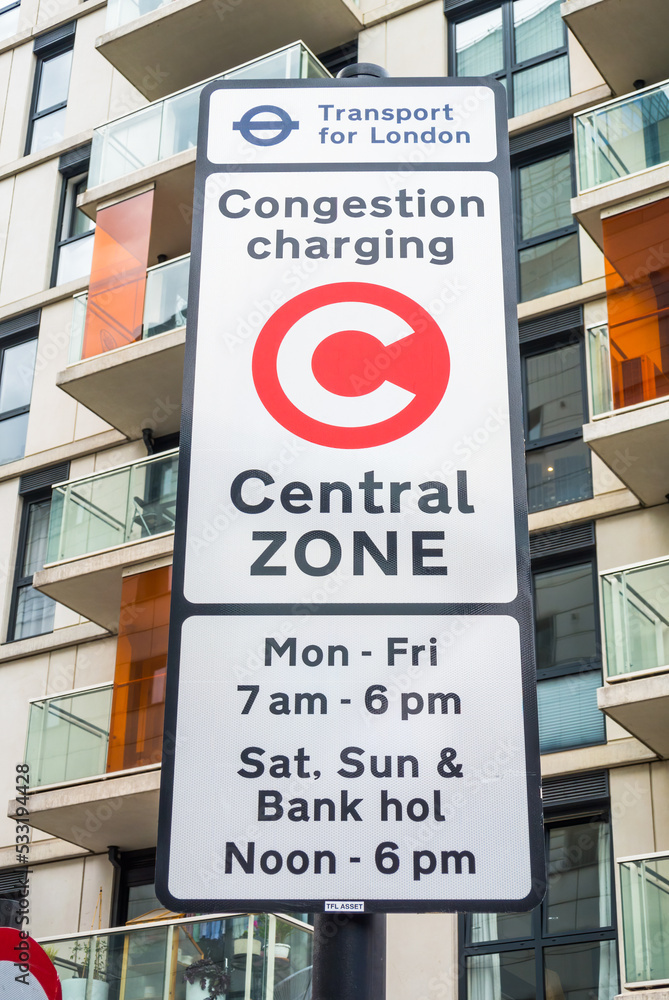
The Congestion Charge in Central London operates from 7:00 AM to 6:00 PM on weekdays and from 12:00 PM to 6:00 PM on weekends and bank holidays. This charge applies to vehicles driving within the designated Central London zone.
How has the removal of the Congestion Charge after 6:00 PM affected Central London traffic?
Research by Clean Cities revealed that after the Congestion Charge ended at 6:00 PM, the number of vehicles entering Central London increased by over 50%, leading to significant evening rush hour congestion.
Why are campaigners pushing for an evening Congestion Charge in Central London?
Environmental campaigners, including Clean Cities, are advocating for an evening Congestion Charge due to the dramatic rise in traffic volumes after 6:00 PM. This move aims to reduce air pollution and manage evening rush hour congestion.
What do Transport for London (TfL) officials say about changing the Congestion Charge hours?
Transport for London has stated that it currently has no plans to extend the Congestion Charge to include evening hours, citing factors such as the impact on the night-time economy and the need for individuals to drive for work.
How much is the Congestion Charge and when must it be paid?
The Congestion Charge is £18 if paid on the same day or in advance, and £21 if paid by midnight on the third day after the trip. This fee is applicable to vehicles in Central London during the specified charging hours.
What evidence supports the call for reinstating the Congestion Charge during the evening rush hour?
Analysis by Clean Cities based on TfL data indicated a significant increase in traffic after the Congestion Charge ended at 6:00 PM, with 6,170 vehicle entries recorded into Central London, highlighting the need for evening traffic management.
What factors did TfL consider when reducing the Congestion Charge operating hours?
TfL considered changing weekday travel patterns, the implications for the evening economy, and the needs of those requiring vehicle access for work when it decided to reduce the Congestion Charge hours in 2022.
What is the stance of local politicians regarding the evening Congestion Charge?
Local politicians, like Thomas Turell, have expressed opposition to extending the Congestion Charge, citing concerns that it could be detrimental to business and advocating for better infrastructure to support cleaner vehicles instead.
| Key Point | Details |
|---|---|
| Increase in Vehicles | More than 50% increase in vehicles entering central London after 6:00 PM. |
| Current Congestion Charge Hours | 7:00 AM to 6:00 PM on weekdays; 12:00 PM to 6:00 PM on weekends. |
| Fee Structure | £18 if paid on the same day or in advance; £21 if paid by the third day after. |
| Call for Change | Clean Cities advocates for reinstating the Congestion Charge during evening hours. |
| TfL’s Position | TfL has no plans to change operating hours, citing various factors. |
| Politician’s Opinion | Thomas Turell criticizes the charge, suggesting infrastructure investment instead. |
Summary
The Congestion Charge has become a focal point in discussions about traffic management and environmental initiatives in London. With the increasing number of vehicles entering central London after 6:00 PM, advocates are pushing for the reintroduction of the charge during evening hours to mitigate congestion. As stakeholders debate the implications of the current policy, it’s clear that the Congestion Charge remains a crucial aspect of London’s traffic strategy.