
Listen to this article
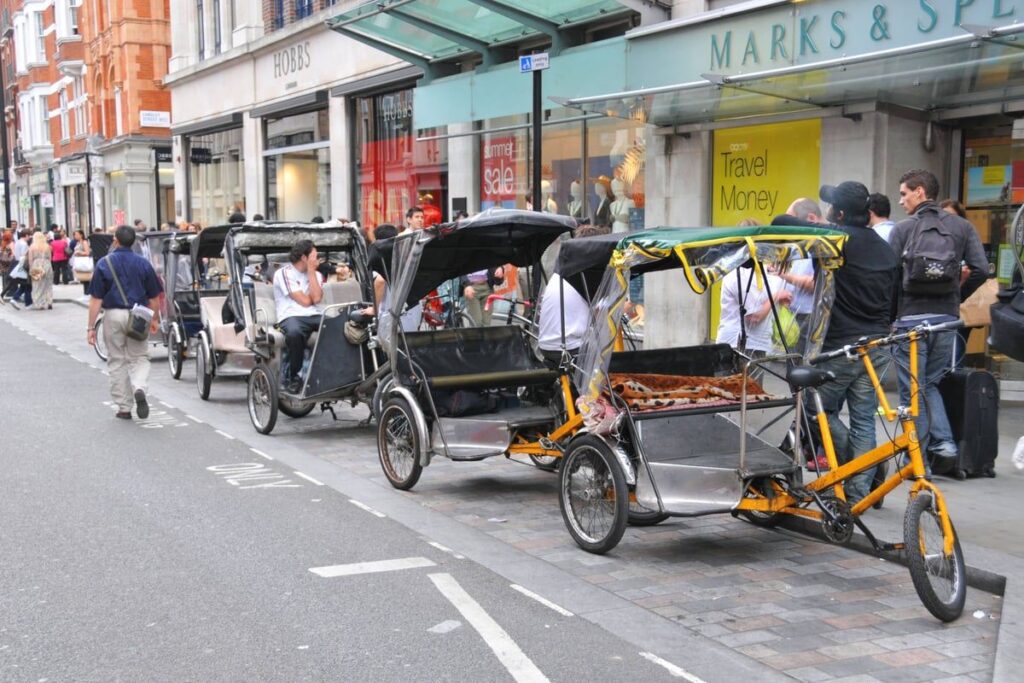
In recent developments regarding pedicab regulations London, critical changes are set to reshape the operational landscape for these popular forms of transport. A crackdown by Transport for London (TfL) aims to establish vital safety standards and licensing rules for pedicabs, addressing longstanding concerns about unregulated fares and driver accountability. Starting October, new pedicab driver requirements will demand enhanced background checks and language proficiency, ensuring that drivers not only meet essential qualifications but operate within a safer environment. This initiative reflects London’s commitment to improving transport regulations while enhancing passenger safety. As enforcement protocols are rolled out, residents and visitors alike can expect a more organized and accountable pedicab service in the capital.
Recent regulatory updates have introduced significant changes for the pedicab industry in London, marking a transformation in how these eclectic vehicles operate. With new laws designed to impose safety measures and ensure compliance, the city is stepping up its efforts to regulate these unique transport options. Among the various regulations are requirements for drivers to possess valid licenses, undergo safety assessments, and demonstrate proficiency in the English language. As these regulations roll out, they’re expected to not only improve overall London pedicab safety but also to curb illegal operations that have plagued the industry for years. The emphasis on stringent licensing and regulatory frameworks signifies a new era for London’s transport scene, aiming for a safer, more reliable, and accountable pedicab service.
Pedicab Regulations in London: Ensuring Safety and Compliance
The recent introduction of pedicab regulations in London, spearheaded by Transport for London (TfL), is aimed at creating a safer environment for both passengers and drivers. Under these new regulations, pedicab drivers are now required to demonstrate proficiency in English, pass safety assessments, and undergo thorough criminal background checks facilitated by the Enhanced DBS system. These stringent measures are vital to mitigate the unregulated conditions that have long characterized the pedicab industry, which operated in a ‘Wild West’ manner, often resulting in excessive fares and diminished safety for passengers.
Furthermore, these regulations also mandate that drivers display a valid pedicab license at all times when operating a road-legal vehicle. This aspect of the licensing rules for pedicabs is crucial as it not only reinforces the driver’s accountability but also serves to assure passengers of the legitimacy and safety of their ride. As the implementation date approaches in February 2027, both drivers and passengers alike are eager to see how these measures will transform the landscape of pedicab services in London.
Impact of the TfL Pedicab Crackdown on Illegal Operations
The TfL pedicab crackdown is anticipated to significantly impact illegal operations that have previously flourished due to lack of oversight. Sadiq Khan’s administration has acknowledged that for years, the absence of coherent pedicab licensing rules allowed drivers to operate without necessary safety measures, exposing both themselves and their passengers to potential hazards. By instituting a clear regulatory framework, TfL aims to eliminate the notion of the ‘Wild West’ within London’s pedicab sector, thus promoting compliance and encouraging operators to adhere to city transport regulations.
However, there are ongoing concerns regarding the enforcement capabilities of TfL, especially given the city’s complex transport landscape. Critics, including members of the City Hall Conservatives, have pointed out that while these regulations are a step forward, the true challenge lies in the effective implementation and enforcement of the rules. With additional personnel recruited specifically for this task, TfL is tasked with not only ensuring that new drivers comply but also monitoring existing operators to curb illegal activities that undermine the city’s transport safety.
Requirements for Pedicab Drivers: Ensuring High Standards
In a bid to elevate the standards of operations within the London pedicab industry, stringent requirements have been introduced for drivers seeking to operate legally. These encompass not only the need for a valid driving license and enhanced DBS checks but also the completion of safety assessments that ascertain the driver’s knowledge of road safety and regulations. Such comprehensive assessments are critical in assuring passengers that they are in safe hands, reflective of TfL’s initiative to instill higher safety standards across all modes of transport in the city.
Moreover, the English language proficiency requirement serves as a foundational element in ensuring effective communication between drivers and passengers, particularly for tourists and non-native speakers. This requirement aims to minimize misunderstandings and enhance the overall passenger experience while using pedicabs, reinforcing the importance of operational standards that reflect public safety and service quality.
The Role of Licensing in Regulating London’s Pedicab Industry
Licensing is at the heart of the regulatory changes that TfL has introduced for the pedicab industry in London. Each pedicab driver must now possess an operator’s license, validating their eligibility to operate within the city. This licensing framework is designed to foster an ecosystem where all pedicab operators are registered, thereby reducing the likelihood of unlicensed and unsafe operations that have plagued the sector. By mandating licenses and vehicle inspections, TfL aims to ensure that all pedicabs meet established safety standards before they hit the streets.
Additionally, with the impending licensing rules set to be enforced in early 2027, all pedicab vehicles will be required to display identifiable license plates. This visual element plays a critical role in enhancing the accountability of drivers and operators, allowing passengers to easily identify licensed services amidst a growing pool of pedicab options in the city. As TfL’s regulation process unfolds, stakeholders from various sectors are hopeful that these licensing measures will cultivate a safer, more organized environment for both pedicab users and operators.
Challenges in Enforcing Pedicab Safety Standards
Despite the clear intent behind TfL’s regulations for the pedicab industry, enforcing these safety standards poses significant challenges. With the vastness and dynamic nature of London’s streets, effectively monitoring compliance can prove to be a daunting task. There is a valid concern about whether TfL has the necessary resources and manpower to carry out rigorous enforcement, especially considering the existing strains on their personnel who already oversee taxi and private hire licensing. As such, the successful implementation of these regulations will require strategic planning and allocation of enforcement resources.
Moreover, critics have pointed out the potential for drivers to find loopholes in regulations, such as sharing accounts to bypass individual licensing requirements. This situation underscores the need for robust oversight mechanisms to identify non-compliance swiftly. As TfL embarks on this new journey of regulation, the focus will need to remain on ensuring that compliance measures are not only established but effectively enforced in a manner that maximizes public safety and trust in the pedicab service.
Community Response to Pedicab Regulation Changes
The community’s response to the newly proposed pedicab regulations has been largely positive, especially among residents who have long expressed concerns over noise, safety, and unregulated fare pricing. Many constituents, particularly in central London, are hopeful that the new laws will result in a more organized and safer pedicab service that aligns with the overall regulatory framework of London’s transport system. Local advocates have pushed for these regulations, citing numerous incidents where unlicensed drivers have endangered passengers amid chaotic operating conditions.
Community leaders and advocacy groups are now calling for proactive measures in the lead-up to the enforcement dates, ensuring that the public is well-informed about the changes. Workshops, informational sessions, and community outreach initiatives will play a pivotal role in promoting awareness about the new pedicab licensing requirements, the importance of choosing licensed services, and the consequences of illegal operations within the city. This emphasis on education aims to bridge the gap between regulatory institutions and the public, fostering a culture of compliance and heightened awareness regarding pedicab safety in London.
The Future of London’s Pedicab Industry
As London moves forward with the implementation of stringent pedicab regulations, the future of this rapidly growing industry seems poised for transformation. With a clear focus on safety, compliance, and regulation, the changes brought forth by TfL are likely to lead to a more professionalized sector that prioritizes passenger welfare above all else. The combination of rigorous licensing requirements and mandatory safety standards is expected to not only enhance the credibility of pedicab services but also to increase public confidence in using them as a viable transportation option.
Moreover, as stakeholders continue to navigate these new regulations, we may witness a shift where the image of pedicabs evolves from that of unregulated novelty to a respected mode of transportation operating parallel to taxis and rideshares. The success of this transition will rely heavily on the collaboration between TfL, operators, and the communities they serve to continuously adapt and improve the regulatory framework, ensuring that the vibrant culture of London’s streets thrives in a safe and organized manner.
Frequently Asked Questions
What are the new pedicab regulations in London?
The new pedicab regulations in London, introduced by Transport for London (TfL), require drivers to pass a safety assessment, meet English language proficiency standards, hold a full driving license, and undergo an enhanced DBS check. These regulations aim to ensure passenger safety and compliance on London’s streets.
What are the requirements for pedicab drivers in London?
To operate a pedicab in London, drivers must meet specific requirements including passing theory tests, demonstrating English language proficiency, and completing criminal background checks. These are part of the new London pedicab safety rules to ensure that all drivers provide a safe and reliable service.
How will TfL enforce the new licensing rules for pedicabs?
TfL plans to enforce the new licensing rules for pedicabs by recruiting additional officers for security and policing. They will initially focus on encouraging compliance and informing drivers about upcoming regulations before implementing strict enforcement measures.
What is the Pedicabs Act 2024 and its significance for London?
The Pedicabs Act 2024 gives TfL the authority to regulate pedicabs. This act is significant as it establishes formal licensing and safety requirements for drivers, operators, and vehicles, aiming to eliminate the previous unregulated ‘Wild West’ scenario while enhancing passenger safety in London.
When will pedicab licenses need to be displayed on vehicles?
Starting in February 2027, all pedicab drivers in London will be required to display a valid pedicab license on their road-legal vehicles to comply with the new licensing rules for pedicabs.
What measures are in place to ensure compliance with London pedicab safety rules?
To ensure compliance with London pedicab safety rules, operators will require licenses, vehicles will undergo safety checks, and drivers must meet essential standards. Additionally, enforcement officers will actively monitor compliance on the roads.
Are there any consequences for operating a pedicab illegally in London?
Yes, operating a pedicab without the necessary licenses as per the new regulations may result in fines, penalties, or removal from service. TfL is committed to enforcing these regulations to enhance safety and reduce illegal operations.
What concerns have been raised about the enforcement of pedicab regulations in London?
Concerns have been expressed about whether TfL has the necessary manpower and resources to enforce the new pedicab regulations effectively, especially given the challenges they face with taxi and private hire vehicle licensing.
How many consultations did TfL conduct before implementing the pedicab regulations?
TfL conducted two consultations before the implementation of the pedicab regulations, gathering over 10,000 responses to ensure the regulations reflected the views and concerns of users, operators, and local residents.
What is the goal of the new pedicab regulations in London?
The goal of the new pedicab regulations in London is to enhance passenger safety, eliminate unregulated operations, and improve overall compliance among pedicab drivers, creating a safer and more regulated transport environment.
| Key Points |
|---|
| TfL introduces new regulations for pedicabs in London to ensure safety and legality. |
| Drivers must meet English language requirements and pass a safety assessment starting October 2026. |
| Enhanced DBS checks and full driving licenses are mandatory for all drivers. |
| Pedicab operators need a valid operator’s license and must register their vehicles. |
| Enforcement of regulations begins with encouraging compliance before strict enforcement takes effect. |
| Concerns remain over TfL’s capacity to manage and enforce these new regulations. |
Summary
Pedicab regulations in London have undergone significant revisions, reflecting a push towards safer and more accountable pedicab operations. With the implementation of strict English language requirements, safety assessments, and mandatory licensing from October 2026, the new regulations aim to address the previously unregulated environment that allowed for unlawful operations. As these regulations take effect, it is crucial that they are effectively enforced to ensure a safe and enjoyable experience for both residents and visitors in London.