Listen to this article
The Iran cemetery shooting has sent shockwaves through the nation, highlighting the escalating tension between the government and its citizens amid ongoing protests. This tragedy unfolded in Abdanan, western Iran, during a somber commemoration ceremony honoring those who fell victim to the government’s heavy-handed crackdown on dissent just weeks prior. As mourners gathered to pay their respects, security officials opened fire, further stoking anger over the regime’s brutal tactics in suppressing anti-government protests. Eyewitness accounts and verified footage reveal scenes of chaos, with crowds chanting slogans against Iran’s leadership, vehemently opposing the government’s narrative. In the aftermath, the incident not only underscores the dangerous ramifications of the protests but also raises questions about the limits of state control in an increasingly volatile Iran.
In the wake of the tragic Iran cemetery shooting, the nation finds itself grappling with a stark reminder of the violence that can erupt amidst commemorative gatherings. This incident in Abdanan marks a chilling point in the continuing unrest, as citizens gather to mourn lost lives while simultaneously expressing their dissent against governmental oppression. These commemorative events, deeply rooted in Iranian culture, have transformed into stages for anti-establishment sentiments, reflecting a palpable frustration towards the regime’s actions during the recent unrest. As the waves of protests continue to undulate through society, the underlying tensions between authority and the populace are becoming ever more pronounced, forcing a reckoning with the country’s political landscape. The aftermath of the Abdanan incident serves not only as a dirge for those lost but also as a rallying cry for many who seek change in their homeland.
Tragic Events at the Iran Cemetery Shooting
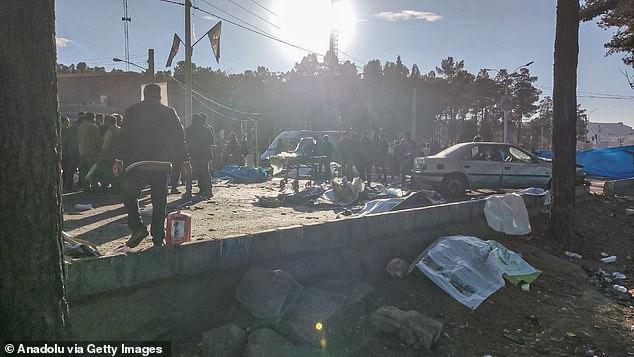
The grave tragedy that unfolded during a recent commemoration ceremony in Iran marks a somber chapter in the country’s escalating tensions. As people gathered at a cemetery in Abdanan to honor those who lost their lives during the government’s severe crackdown on protestors last month, chaos erupted. Reports indicate that a security official opened fire on the assembled crowd, leading to panic and chaos as mourners fled the scene. This incident underscores the ongoing unrest and demonstrates how deeply the scars of conflict impact civilian life in Iran.
Witnesses described the atmosphere as initially somber, filled with the grieving of families and friends who had gathered to memorialize fallen loved ones. However, the sudden eruption of gunfire shattered this solemn event, turning remembrance into horror. This episode at the Iran cemetery shooting not only highlights the brutal realities faced by citizens in mourning but also speaks volumes about the pervasive climate of fear that has settled throughout the nation as protests continue against governmental repression.
Commemoration Ceremonies Amidst Protests
In Iran, commemoration ceremonies have traditionally played a significant role in the collective memory of society. On the 40th day following a death, families and communities come together to reflect and honor the lives lost, particularly in the context of political strife. The recent events in Abdanan are emblematic of how these ceremonies have transformed into acts of resistance against a government accused of heinous human rights violations. Gatherings in cities like Tehran and Mashhad saw participants not only remembering the deceased but also voicing their dissent through anti-government slogans, amplifying the call for change amidst mourning.
These commemorative events have become increasingly politicized, reflecting the broader narrative of the Iran protests news. People are not only mourning their loved ones but also expressing their anger towards the government’s actions during the brutal crackdown. The atmosphere in these ceremonies is a poignant mix of grief and defiance, signaling a populace unwilling to remain silent as they honor those who fell victim to state violence. As the country continues to grapple with the fallout from these protests, the significance of these ceremonies grows ever more profound.
As many families mourn the loss of loved ones who became casualties of civil unrest, the government stands accused of dismissing their grief while highlighting a manufactured narrative of stability. This dichotomy reveals the chasm between the state’s portrayal of events and the lived realities of ordinary Iranians who gather bravely in cemeteries, standing as symbols of resistance against force and repression.
These events, now characterized by tension and threat, carry a dual purpose: to honor the deceased and to challenge the oppressive narrative of the state. Citizens are no longer mere mourners; they are engaged participants in the fight for justice and accountability against ongoing government crackdowns in Iran.
The Impact of Iran’s Government Crackdown
The government’s response to protests in Iran has sparked international outrage and condemnation. The events surrounding the Iran cemetery shooting reflect a systematic approach to suppress dissent through extreme measures. Reports of indiscriminate violence against peaceful mourners are indicative of a broader crackdown on civil liberties and freedoms. The government has attempted to stifle criticism through intimidation and violence, leading to a climate where citizens are fearful even in their moments of mourning.
As thousands of individuals continue to suffer from the repercussions of this crackdown, the question arises: how long can such repression persist before it ignites an even greater call for change? The deep-seated anger among the populace, particularly among the youth who are directly affected, reflects a yearning for a more accountable governance model. The protests of late December were ignited by economic grievances; however, they have morphed into a broader demand for social justice and an end to oppressive governance.
Why the Abdanan Incident Matters
The recent Abdanan incident has gained considerable attention as it highlights the urgent need for accountability in Iran. This tragic shooting during a mourning ceremony underscores the cruel reality that grieving families are facing during one of the country’s darkest periods. These incidents are not isolated; they fit into a growing pattern of governmental suppression seen throughout the nation, where even commemorative gatherings are met with violence. This signals to the world that the fight against Iran’s government is not only a political struggle but one for basic human dignity.
The implications of such events extend beyond Iran’s borders. With increasing visibility through global media and social networks, the stories of those affected by the government crackdown are capturing international attention. Activists and human rights organizations are stepping in, calling for global recognition and assistance for those whose voices have been silenced. The Abdanan incident serves as a crucial touchpoint in highlighting the need for ongoing solidarity with the Iranian population as they navigate their complex and perilous societal landscape.
Global Response to Iran’s Protests
The international reaction to the ongoing protests in Iran has been one of profound concern and condemnation of the government’s violent responses. As images and accounts from the Iran cemetery shooting spread, nations and human rights organizations have voiced their discontent, urging for transparent investigations into the actions of security forces. This worldwide attention may act as a double-edged sword; while it amplifies the voices of the Iranian people, it also exerts pressure on the government to reconsider its approach to dissent.
As global entities mobilize in response to Iranian protestors’ plight, the need for robust advocacy efforts becomes more evident. Government officials and organizations across the globe are challenged to stand in solidarity with those facing repression. The Iranian protests highlight an ongoing struggle against authoritarianism that resonates with communities worldwide, affirming that the fight for democratic freedoms is a universal tenet that should not be impeded by governmental violence.
The Youth and Anti-Government Protests
The youth in Iran have increasingly taken the lead in anti-government protests, driven by a desire for societal change and justice. The events surrounding the tragedy in Abdanan demonstrate their resilience in confronting a state that seems unwilling to acknowledge their voices. Young Iranians, many of whom are disillusioned by rising economic hardships and lack of opportunities, are leveraging social media platforms to organize peaceful protests and spread awareness globally.
These young activists are not only the leaders of today’s protests but are also shaping the future landscape of Iranian society. Their fears and frustrations are manifesting in the streets, where they demand transparency and accountability from those in power. Just as the youth were instrumental during the protests of January 8 and 9, they continue to galvanize support and challenge the state narrative, representing a crucial turning point in the fight against oppression in Iran.
Remembering the Fallen and the Road Ahead
As Iran continues to witness its share of turmoil, the remembrance of those killed during the protests grows increasingly significant. Each commemoration is a reminder of the human cost behind the struggle for rights and freedoms in the face of a harsh governmental crackdown. Families and communities come together not only to mourn but also to keep the stories of their loved ones alive, ensuring that they are not forgotten in the fight against injustice.
Looking forward, these remembrance ceremonies serve as both a tribute and a resistance continuing in the present. The voices echoing through the cemeteries, even amidst state repression, solidify the resolve of the Iranian populace to seek change. It’s a testament to their indomitable spirit, which can only signal greater transformations on the horizon as they work collectively to honor the fallen with the hope of a freer, more equitable future.
Media Coverage and Misrepresentation
The media continues to play a pivotal role in shaping public perception around the events in Iran. While some organizations have been diligent in reporting the brutal realities of the government crackdown, others have perpetuated narratives that downplay the seriousness of the situation. The contrast in coverage surrounding the Iran cemetery shooting can lead to public misunderstanding about the magnitude of the protests and the government’s violent responses.
Accurate, unbiased reporting serves not just to inform but also fosters an environment where marginalized voices can be heard. It is critical for international media outlets to uphold their responsibility to the truth, ensuring that the stories of those affected by state violence are amplified rather than silenced. Misrepresentation can have dire consequences, perpetuating cycles of oppression and misunderstanding while diverting attention away from the pressing need for change in Iran.
Confronting Historical Context of Oppression
Understanding the historical context of oppression in Iran enhances the current narrative surrounding the ongoing protests and the recent incidents like the Iran cemetery shooting. For decades, Iranian citizens have endured various forms of governmental repression, often resulting in violent crackdowns against dissenters. This pervasive history shapes the reaction of the current generation, who stand against continued oppression, choosing to actively participate in protests rather than remain passive.
Historical context reveals the pattern of systemic violence utilized by governments against their citizens. This legacy of oppression confronts ordinary Iranians daily, motivating them to push harder against such brutality. As history unfolds, every act of resistance, including those seen during commemorative ceremonies, becomes a pivotal moment in the larger quest for justice, accountability, and enduring freedom in Iran.
Frequently Asked Questions
What happened during the Iran cemetery shooting in Abdanan?
The Iran cemetery shooting occurred in Abdanan, where a security official reportedly opened fire on mourners attending a commemoration ceremony for victims of the government crackdown during recent anti-government protests. This tragic incident highlights ongoing tensions in Iran following the violent unrest.
How does the Abdanan incident relate to the ongoing Iran protests news?
The Abdanan incident is a significant event within the broader context of Iran protests news, as it underscores the violent repercussions faced by citizens participating in memorials for those who died during the government’s crackdown on anti-government protests.
What are the implications of the government crackdown in Iran following the cemetery shooting?
The government crackdown in Iran, particularly highlighted by the cemetery shooting in Abdanan, reflects the regime’s severe response to dissent. It raises concerns about human rights and the safety of citizens participating in commemorations for those lost during the protests.
Why are commemoration ceremonies important in the context of the Iran cemetery shooting?
Commemoration ceremonies, such as those in Iran following the cemetery shooting, are significant as they honor those killed during protests. These events serve as a platform for mourning and protest against the government’s actions, shedding light on the ongoing struggle in Iran.
What evidence exists regarding the events that unfolded during the Iran cemetery shooting?
Verified footage from the Iran cemetery shooting shows a security official firing at a crowd of mourners, alongside scenes of panic as people fled. This visual documentation supports eyewitness accounts and raises questions about the government’s narrative dismissing reports of violence.
How has the Iranian government responded to claims about the cemetery shooting incident?
In response to the Iran cemetery shooting, state-run media, including IRIB News, claimed the event was peaceful and labeled reports of violence as false. This contrasts sharply with eyewitness accounts and video evidence that depict a violent encounter.
What were the anti-government slogans chanted during the ceremonies related to the Iran cemetery shooting?
During the ceremonies following the Iran cemetery shooting, participants chanted various anti-government slogans, including ‘death to Khamenei,’ expressing widespread dissent against Iran’s leadership and the ongoing government crackdown on protests.
What is the significance of the Abdanan incident in the broader context of Iranian society?
The significance of the Abdanan incident lies in its reflection of Iranian society’s mounting grievances against the government amidst ongoing protests. It has become a focal point for discussions on freedom of expression, state violence, and the struggle for justice following the crackdown.
What role did international factors play in the events leading to the Iran cemetery shooting?
International factors, particularly U.S. influence as claimed by Supreme Leader Khamenei, have been cited as contributing to the unrest that spurred the protests leading to the Iran cemetery shooting. This illustrates the complex interplay between domestic dissent and international relations in Iran.
How did the community respond to the violence at the cemetery in Iran?
Community response to the violence at the cemetery in Iran was characterized by shock and fear, but also by collective mourning and defiance. Many congregated to honor those who died in the protests, despite the violence of the Iran cemetery shooting, signaling resilience within the community.
| Key Points |
|---|
| A security official reportedly opened fire on mourners at a cemetery in Abdanan, Iran. |
| The incident occurred during 40th-day memorials for those killed in recent protests. |
| Demonstrators were observed chanting anti-government slogans at various gatherings. |
| State media claimed that the event was peaceful, denying reports of injuries. |
| The protests began in December 2022, primarily due to economic grievances. |
| The unrest saw thousands killed in the government’s crackdown on dissent. |
Summary
The Iran cemetery shooting marks a tragic escalation of violence as mourners were attacked while remembering those who perished in the government’s harsh response to protests. This incident highlights the ongoing tension in Iran, where commemorations turn into protests against the ruling authorities. As witnessed in Abdanan, the clash between citizens and security forces underscores the escalating unrest and dissatisfaction with the regime, following a crackdown that resulted in thousands of deaths. It is imperative to continue urging transparency and accountability in such events to honor the lost lives and support the ongoing fight for rights and justice in Iran.