
Listen to this article
Social media addiction has become an increasingly concerning issue, particularly with the rise of platforms like Instagram and the ongoing scrutiny surrounding their impact on children. As Mark Zuckerberg prepares to testify in the ground-breaking lawsuit regarding the addictive nature of social media, the conversation surrounding its effect on mental health and well-being continues to grow. The Zuckerberg trial not only sheds light on the practices of Meta Platforms but also raises critical questions about how these platforms engage and potentially exploit young users. Critics argue that social media’s addictive properties can lead to negative consequences, prompting families and legal authorities to take action against major corporations. With similar lawsuits threatening the social media giants, understanding this addiction phenomenon is more important than ever.
The notion of compulsive online engagement encompasses a broad range of behaviors related to excessive use of digital communication platforms. When we discuss concerns about dependency on apps like Instagram, we delve into the effects of ubiquitous connectivity on younger demographics. This phenomenon, often referred to as digital addiction, has provoked outrage and highlighted the need for accountability among tech giants like Meta. In light of the recent lawsuits, including the Meta Platforms lawsuit, the narrative around the impact of social media on youth demands urgent attention. Parents and policymakers are increasingly calling for measures to curb the pervasive influence of these applications, advocating for greater responsibilities from those behind these popular sites.
Understanding Social Media Addiction and Its Impact on Children
Social media addiction has become an alarming issue, especially among children, as they spend significant amounts of time on platforms like Instagram, YouTube, and TikTok. This addiction can lead to various adverse effects, including reduced attention spans, anxiety, and even depression. With Mark Zuckerberg testifying in a high-profile trial regarding the addictive nature of Instagram, the implications of social media on young minds are coming to the forefront of public discourse. As legal battles unfold, parents and educators are increasingly concerned about how these platforms affect children’s mental health and overall well-being.
The ongoing debate around social media addiction is intensified by lawsuits filed against major players like Meta Platforms, which owns Facebook and Instagram. Critics argue that these platforms are designed in a way that keeps users, particularly children, engaged for extended periods. This raises questions about ethical responsibilities and the need for stricter regulations surrounding social media use among minors. As the trial progresses, it serves as a pivotal moment to assess not just how social media operates, but the extent of its impact on vulnerable populations.
Legal Implications of the Zuckerberg Trial on Social Media Platforms
The upcoming trial involving Mark Zuckerberg is set to examine the legal ramifications surrounding social media addiction and its effects on children. Given that numerous states are joining forces to hold Meta and other social media giants accountable, the outcome of this trial could set a precedent for future litigation. Legal experts and advocacy groups are closely watching this trial, as it could potentially reshape the regulatory landscape for social media platforms. The results of this case may influence how companies like Meta and others approach user engagement and content moderation, especially regarding minors.
Legal scrutiny into the operations of social media companies signals a growing acknowledgment that these platforms can operate in harmful ways. As lawsuits accuse Meta, TikTok, and Snapchat of negligence regarding addiction-related issues, the trial could push for significant changes in company policies. Critics argue that social media platforms should put protective measures in place, like age restrictions and content moderation, to safeguard children. The Zuckerberg trial thus stands not only as a legal battle but as a pivotal moment in the ongoing conversation about corporate responsibility in the digital age.
The Role of Algorithms and User Engagement in Social Media Addiction
One critical aspect of the social media addiction debate involves the algorithms employed by platforms like Instagram and Facebook. These algorithms are designed to maximize user engagement, often prioritizing content that can keep users scrolling for hours. Critics argue that the very design of these platforms fosters addictive behavior, particularly in children. With Mark Zuckerberg’s impending testimony addressing these concerns directly, it raises vital questions about the ethics of using such engagement-driven models and whether they contribute to the addiction epidemic among younger demographics.
As featured in various lawsuits, including the current trial, the argument centers around whether these platforms prioritize profit over user well-being. The reliance on user metrics like engagement time inherently poses challenges, especially for minors who may not fully understand the implications of their social media use. Legal proceedings may compel platforms to rethink their strategic models, promoting healthier interactions over profit-driven metrics. This shift could potentially redefine the trajectory of social media use among children, leading to initiatives focused more on user safety.
Responses from Meta and the Defense Strategy in the Trial
In response to the allegations of social media addiction, Meta has employed a robust defense strategy, arguing that factors other than social media contribute to the lead plaintiff’s issues. During the trial, lawyers for Meta, including Zuckerberg himself, will likely cite various studies and data pointing to the complex nature of addiction. By doing so, they aim to argue that social media use is not solely responsible for the problems faced by children, emphasizing the multifaceted causes of mental health issues. This positioning could be crucial in determining the outcome of the case and in shaping public perception of social media’s role in addiction.
Additionally, Meta’s defense strategy will likely include testimonies from industry experts and former employees who can provide supporting arguments against the notion that social media is inherently addictive. This move may serve to bolster Meta’s claims that they are actively working to improve user experiences and address concerns around safety and well-being. As the trial unfolds, the effectiveness of the defense strategy will play a significant role in influencing future regulations and accountability measures for social media platforms.
Social Media and Mental Health: A Growing Concern
The connection between social media and mental health has drawn increasing attention from researchers, policymakers, and parents over the years. With numerous studies highlighting the potential negative impacts of social media use, especially among children, the current trial featuring Zuckerberg has become a focal point for these concerns. Social media addiction is often linked to heightened feelings of loneliness, low self-esteem, and anxiety among young users. As awareness grows, so does the urgency for effective solutions and interventions to protect vulnerable populations.
The trial not only spotlights individual cases but also amplifies the collective voice of many who believe social media platforms must do more to safeguard their young users. Advocates argue that platforms have a duty to implement measures that minimize harm, such as content filters and reduced screen time features. Moreover, this legal battleground serves to enhance public dialogue about mental health in relation to technology, encouraging discussions that could lead to comprehensive guidelines and practices related to social media use.
Meta Platforms Lawsuit: A Broader Context
The lawsuit against Meta Platforms is part of a broader landscape of litigations challenging the technology sector’s role in social media addiction. This current trial is one among thousands that seek to address the growing problem of social media’s negative influence on children. By examining these lawsuits, we can gain insights into the systemic issues underlying social media’s business practices. The implications of this trial could extend well beyond Meta, as it threatens to reshape how all social media platforms operate and tackle concerns surrounding user safety.
The multitude of lawsuits signals a growing consensus among families and communities that action is necessary to counteract the adverse effects of social media. Legal representatives for the plaintiffs are eager to showcase the addictive qualities of social media, pushing for reforms that would necessitate significant changes in how companies like Meta engage with their younger audiences. The ongoing developments in these cases could ultimately influence policy decisions that affect the broader ecosystem of technology and social media regulation.
Testimonies from Industry Experts in the Zuckerberg Trial
As the Zuckerberg trial progresses, testimonies from industry experts and former Meta employees are anticipated to play a critical role in understanding the company’s practices and the inherent challenges of social media usage. These witnesses may provide firsthand insights into the engineering decisions that prioritize user retention and engagement over children’s welfare, shedding light on what the trial refers to as social media addiction. Their accounts could reveal how business models built around advertising revenue incentivize prolonged use of platforms like Instagram.
Moreover, expert testimonies could help clarify the complex relationship between social media usage and its psychological impacts on children. Insights from psychologists and social media analysts may support arguments for greater accountability and responsibility from tech companies. Such testimonies will be crucial in shaping both the jury’s perspective and public understanding of the profound effects social media can have on the younger generation.
The Future of Social Media Regulation and Safety Initiatives
The Zuckerberg trial raises crucial discussions regarding the future of social media regulation and safety initiatives aimed at protecting children. As various states and advocacy groups push for stricter measures, this trial could lead to meaningful changes in how social media platforms operate. With mounting evidence linking social media use to negative mental health outcomes for children, stakeholders are increasingly calling for comprehensive regulations to ensure safer environments for young users.
Potential outcomes of the trial may include stricter age verification processes, enhanced parental controls, and content moderation efforts specifically tailored for minors. As public concern grows over social media’s addictive tendencies, it is imperative for technology companies to be proactive in implementing solutions that prioritize user safety. This trial not only represents a critical legal battle but also a pivotal opportunity to redefine how social media platforms can contribute positively to society, particularly for its most vulnerable users.
Concluding Thoughts on the Intersection of Social Media and Childhood Well-being
In light of the ongoing scrutiny of social media and its impact on childhood well-being, the Zuckerberg trial marks a significant moment in the quest for accountability among tech giants. This case reflects a societal shift toward approaching social media as a public health concern, underscoring the need for a balanced perspective that weighs both the benefits and risks associated with these platforms. By emphasizing the principles of responsibility and ethical design, the conversation surrounding social media addiction may catalyze transformative changes that prioritize children’s health.
Ultimately, the implications of this trial extend well beyond the courtroom. They challenge stakeholders—ranging from parents to policymakers—to rethink how social media can be integrated into children’s lives responsibly. As we drawn insights from the evolving landscape of technology, it is crucial to advocate for frameworks that not only mitigate the dangers of social media addiction but also promote positive, enriching experiences for younger generations to thrive.
Frequently Asked Questions
What is social media addiction and how does it affect children?
Social media addiction refers to excessive use of social media platforms that disrupts daily life and responsibilities. For children, it can lead to negative impacts such as decreased academic performance, anxiety, and poor self-esteem, as highlighted in the recent Zuckerberg trial concerning Instagram addiction.
How is the Zuckerberg trial relevant to social media addiction concerns?
The Zuckerberg trial is pivotal as it addresses allegations that social media platforms, particularly Instagram, contribute to social media addiction among children. It examines whether Meta Platforms’ practices are harmful and encourages usage patterns that can lead to addiction.
What evidence is being presented in the Facebook lawsuit regarding social media impact?
In the lawsuit, various testimonies and studies are being presented that showcase the detrimental social media impact on children’s mental health. Advocates claim that platforms like Instagram are designed to be addictive, which is a central point of contention in the Zuckerberg trial.
Can social media addiction be classified as a mental health disorder?
While social media addiction is not officially classified as a mental health disorder, researchers are increasingly studying its effects. The trials involving Meta Platforms, including the Zuckerberg trial, may influence future classifications and highlight the need for addressing Instagram addiction specifically.
What role does Meta Platforms play in the social media addiction debate?
Meta Platforms, through its ownership of Facebook and Instagram, is at the forefront of the social media addiction debate. The lawsuits, including the recent Zuckerberg trial, aim to hold the company accountable for its design choices that may foster addictive behaviors among users, particularly children.
How are current lawsuits challenging social media giants regarding addiction?
Current lawsuits are challenging social media giants like Meta, TikTok, and YouTube by claiming they have created environments that promote addiction, particularly among children. The Zuckerberg trial is one of many actions prompting scrutiny of social media impact on youth and advocating for safer design practices.
What measures are being demanded from social media companies in light of addiction concerns?
In response to growing concerns over social media addiction, state attorneys general are demanding changes such as tighter age restrictions and the deletion of accounts for users under 13. These measures are part of broader actions stemming from the ongoing Zuckerberg trial and other similar lawsuits.
How does Instagram addiction manifest in users?
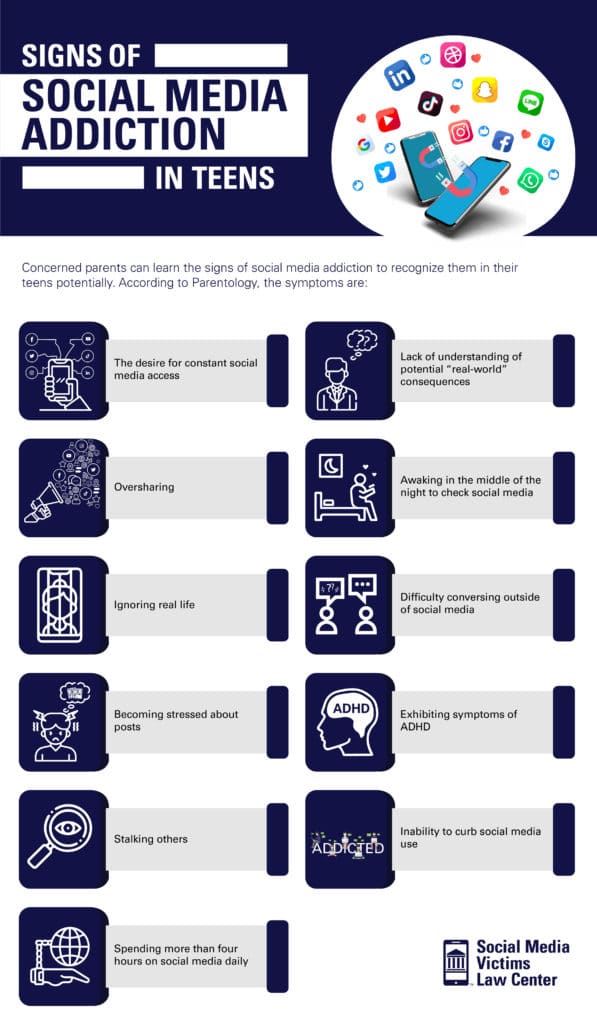
Instagram addiction can manifest through compulsive checking, extended usage periods, and emotional distress when not using the app. Testimonies in the Zuckerberg trial are expected to highlight these behaviours, particularly in young users affected by excessive social media engagement.
What strategies can be used to combat social media addiction in children?
To combat social media addiction in children, strategies include setting usage limits, encouraging offline activities, fostering open discussions about social media content, and promoting digital literacy. These initiatives are essential as highlighted by concerns raised in the Zuckerberg trial.
What insights have former Meta employees provided regarding social media addiction?
Former Meta employees have shared insights about the company’s practices that may encourage social media addiction, particularly in platforms like Instagram. Their testimonies during the ongoing Zuckerberg trial can help shed light on the ethical considerations of platform designs and user engagement tactics.
| Key Point | Details |
|---|---|
| Zuckerberg’s Testimony | Mark Zuckerberg will testify in a California court regarding social media addiction. |
| Case Background | The case investigates whether social media is addictive to children, with focus on Instagram’s impact. |
| Meta’s Defense | Lawyers for Meta claim that issues faced by the lead plaintiff were due to various life factors, not Instagram use. |
| Broader Implications | Trial monitored closely as it may influence other ongoing lawsuits against social media platforms. |
| Settlements | TikTok and Snapchat settled their cases before this trial with undisclosed terms. |
| Design Scrutiny | Zuckerberg’s design decisions for Instagram and user attraction methods will be examined. |
| Addiction Debate | Instagram head Adam Mosseri argued that long usage does not equal addiction. |
| Testimonies | Expect testimonies from former Meta employees about the company’s practices. |
| State Attorneys General | 29 state AGs demand changes from platforms, including ending accounts of users under age 13. |
Summary
Social media addiction is a pressing issue, as highlighted by Mark Zuckerberg’s upcoming testimony in a California court. This landmark case examines the role social media platforms, particularly Instagram, play in the lives of children and whether their design encourages addictive behaviors. With growing scrutiny on companies like Meta, the trial poses significant implications for how social media platforms operate and the responsibility they hold towards young users. As the trial progresses, it could pave the way for stricter regulations and a shift in how these platforms engage with users to prevent addiction.

