
Listen to this article
Customer feedback plays a crucial role in developing effective business strategies, as it provides invaluable insights directly from the clients’ perspective. In an era where customer satisfaction is paramount, companies must pay close attention to opinions and experiences shared by their audience. Gathering and analyzing customer feedback enables businesses to enhance the overall customer experience, fostering loyalty while simultaneously informing product development. By integrating this feedback into their decision-making processes, organizations not only boost customer satisfaction but also strengthen their market position. Ultimately, a strategic approach to customer feedback can pave the way for sustained growth and innovation in today’s competitive landscape.
When we talk about client insights, we’re really discussing the direct input businesses receive from their customers regarding their products and services. This type of engagement is essential for improving customer experience and implementing informed business strategies. By utilizing customer suggestions and observations, companies can refine their offerings, leading to greater satisfaction and loyalty among users. Furthermore, these insights empower organizations to make proactive adjustments that resonate with their target market, helping build a stronger connection with their audience. Adopting a customer-focused approach to feedback not only fosters trust but also catalyzes effective solutions to enhance the business landscape.
The Significance of Feedback Analysis in Business Strategy
Feedback analysis is a crucial aspect of enhancing business strategies. By systematically examining customer insights, businesses can better understand market trends and consumer behavior. This understanding is not just superficial; it influences every facet of the business — from product development to customer service. An effective feedback analysis strategy provides a detailed overview of how customers perceive a brand and its offerings, allowing companies to pivot quickly based on real-world data.
Moreover, leveraging feedback analysis can lead to innovative solutions tailored to customer needs. Instead of relying solely on gut feelings or historical data, businesses can utilize specific customer feedback to identify gaps in their service or product range. This level of responsiveness not only aids in improving existing offerings but also fosters an environment of agility and adaptability, which is essential in today’s rapidly evolving marketplace.
Enhancing Customer Experience Through Feedback
Enhancing the customer experience is a primary goal for any business aiming for longevity and success. Customer feedback plays a pivotal role in this process. By directly engaging with customers and closely analyzing the feedback received, businesses can adapt their strategies to meet or even exceed customer expectations. This proactive approach to enhancing customer experience can significantly set a brand apart from its competitors.
Feedback, whether streamed from surveys, social media interactions, or direct communication, provides actionable insights into what customers value most. Are they looking for more personalized experiences? Do they seek intuitive interfaces in digital products? Understanding these aspects allows businesses to tailor their offerings, improving customer satisfaction and fostering loyalty that translates into consistent repeat business.
Building Loyalty Through Effective Feedback Utilization
Building customer loyalty is fundamental for sustained business growth, and effective utilization of customer feedback is a powerful way to achieve this. When businesses demonstrate that they value customer input, they cultivate a sense of trust. Customers are more likely to remain loyal to brands that actively seek their opinions and take concrete actions in response. This trust built through engaging feedback mechanisms boosts customers’ affinity for a brand.
Additionally, loyalty can be nurtured further by showcasing tangible changes that stem from feedback. For instance, if a company improves its product line based on customer suggestions, communicating this directly to consumers reinforces the message that their opinions matter. This not only solidifies loyalty but also encourages an ongoing dialogue between the business and its customers, fostering a community around the brand.
Implementing Customer-Centric Innovations
Implementing customer-centric innovations is imperative for businesses that prioritize feedback. When companies collect and analyze feedback effectively, they uncover unique insights that can lead to breakthrough innovations tailored to customer desires. This process transforms customer comments into a roadmap for new product development, ensuring that innovations resonate with the target audience.
Furthermore, a company that engages in continuous improvement by implementing customer feedback visibly positions itself as a leader in innovation. When customers see their suggestions reflected in new features or products, it not only cultivates loyalty but also encourages them to advocate for the brand, amplifying word-of-mouth marketing. Thus, the cycle of feedback, innovation, and consumer satisfaction becomes a self-reinforcing loop.
The Role of Surveys in Understanding Customer Feedback
Surveys represent one of the most effective tools for gathering customer feedback. They provide structured opportunities for customers to express their opinions and experiences, facilitating a deeper understanding of customer satisfaction levels. Well-designed surveys can capture both quantitative metrics and qualitative insights, offering comprehensive data that is invaluable for business strategy formulation.
To maximize the impact of surveys, companies should consider customization and timing. Tailoring surveys to specific customer segments or product experiences can yield more relevant data. Moreover, following up after a purchase or service can capture fresh opinions, making the feedback gathered timely and applicable. Engaging customers through surveys is not only a feedback tool but also a means of reinforcing the business-customer relationship.
Leveraging Online Reviews for Business Insights
Online reviews have emerged as a critical source of customer feedback in the digital age. They serve as public testimonials that reflect customers’ real experiences, providing insights that are often unfiltered and straightforward. Businesses must monitor and analyze these reviews to glean insights into areas needing improvement or specific attributes customers appreciate.
Not only do online reviews enhance understanding, but they also assist in shaping marketing strategies. By recognizing what elements of products or services resonate with customers, businesses can create targeted campaigns that highlight these features. This alignment between customer feedback and marketing helps to forge a direct connection with potential customers who seek validation through authentic endorsements.
Frequently Asked Questions
How does customer feedback influence business strategy?
Customer feedback plays a crucial role in shaping business strategy by providing insights into customer satisfaction and preferences. Analyzing this feedback helps businesses identify strengths and weaknesses in their offerings, allowing them to adjust strategies for improved customer experiences and loyalty building.
Why is customer feedback important for customer satisfaction?
Customer feedback is vital for customer satisfaction as it highlights areas of improvement and confirms what customers appreciate about a product or service. By addressing feedback, businesses can enhance the customer experience, leading to higher satisfaction rates and increased loyalty.
What methods can businesses use to gather customer feedback effectively?
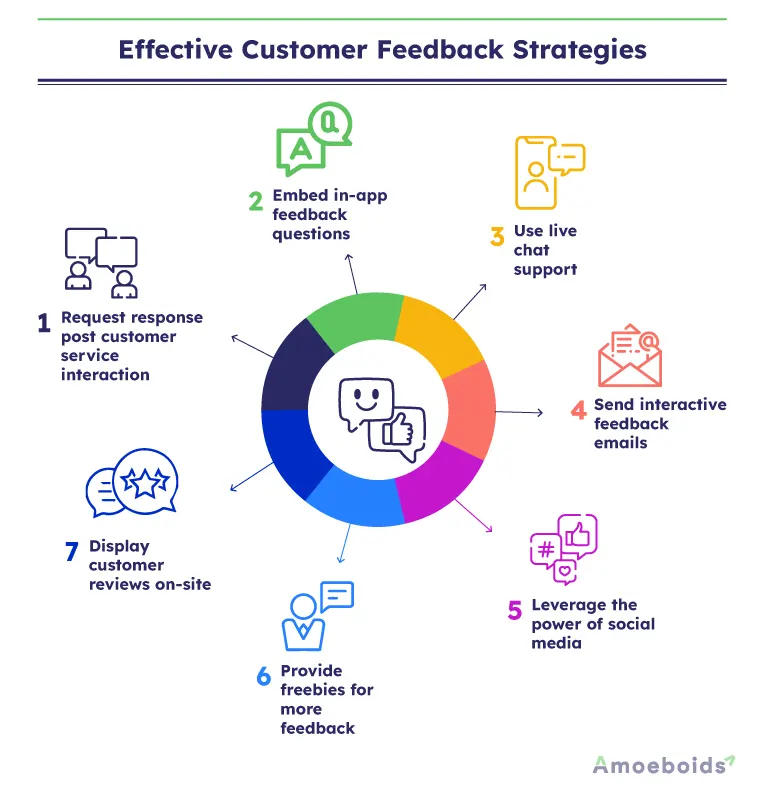
Businesses can gather customer feedback through various methods such as surveys, focus groups, online reviews, social media listening, and direct customer interactions. These approaches help ensure a comprehensive understanding of customer experiences and preferences.
How can analyzing customer feedback benefit product development?
Analyzing customer feedback provides valuable insights into the features and improvements customers desire. This information can guide product development efforts to create offerings that better align with customer needs, enhancing satisfaction and driving sales.
What role does customer feedback play in enhancing customer loyalty?
Customer feedback fosters loyalty by demonstrating to customers that a business values their opinions and is committed to making improvements based on their input. When customers see tangible changes, their trust and loyalty towards the brand increase, encouraging repeat business.
How can customer feedback mitigate business risks?
Gathering customer feedback helps identify potential issues before they escalate into significant problems. By addressing concerns raised in feedback, businesses can prevent customer dissatisfaction and protect their reputation, ultimately avoiding costly consequences.
What are some effective strategies for implementing changes based on customer feedback?
Effective implementation strategies include prioritizing changes based on their potential impact, communicating these changes to customers, and continuously monitoring the results. This process ensures that modifications resonate with customer expectations and enhance overall satisfaction.
| Key Point | Explanation |
|---|---|
| Understanding Customer Feedback | Customer feedback includes opinions and insights about experiences with products or services. |
| Enhances Customer Experience | Addresses areas of excellence and improvement, enhancing overall customer satisfaction. |
| Informs Product Development | Provides insights into desired features and pain points for guiding innovation. |
| Builds Customer Loyalty | Demonstrates that feedback is valued, fostering trust and encouraging repeat business. |
| Improves Customer Satisfaction | Responsive strategies lead to happier customers who share positive experiences. |
| Guides Marketing Efforts | Refines strategies based on understanding target demographics and their preferences. |
| Mitigates Risks | Identifies and resolves potential issues before they escalate, preserving customer relationships. |
| Collecting Effective Feedback | Utilizes surveys, focus groups, online reviews, social media listening, and direct contact for insight. |
| Analyzing Feedback | Identifies patterns, quantifies results, and segments feedback for better understanding. |
| Implementing Changes | Prioritizes, communicates changes, and monitors results for continuous improvement. |
Summary
Customer feedback plays a pivotal role in developing successful business strategies. Recognizing its significance allows businesses to adapt effectively to customer needs, enhancing their offerings while building loyalty and satisfaction. In a competitive market, listening to customer feedback is not just beneficial; it’s essential for long-term success. By integrating feedback into strategic planning, companies can innovate and strengthen their relationships with clients, ultimately driving growth and sustainability.

