Listen to this article
The impact of sport on mental health is a topic that has gained significant attention in recent years, as more individuals recognize the profound relationship between physical activity and psychological wellbeing. Engaging in regular exercise is not merely about improving physical fitness; it plays an essential role in enhancing mental health too. Studies have shown that sports can significantly reduce symptoms of anxiety and depression, fostering a sense of emotional stability and resilience. This post explores the multifaceted benefits of sports, highlighting how factors like exercise and mental health intertwine to promote overall wellness. As we delve into this subject, we will uncover the science behind the mental health and fitness connection, demonstrating why prioritizing physical activity is crucial for a healthier mind.
The nexus between athletic involvement and psychological wellness transcends mere physical benefits, offering a multitude of emotional advantages that are essential in today’s high-pressure society. Participating in various forms of physical activity not only bolsters emotional well-being but also acts as a shield against mental health issues. Team sports and individual exercises alike cultivate a sense of community, elevate mood, and boost self-esteem, fundamentally improving our quality of life. As we embark on this exploration of exercise’s effects on mental health, we will provide insights into the therapeutic nature of physical activity and its role in fostering resilience during challenging times. By understanding these connections, we can better appreciate the importance of maintaining an active lifestyle for our mental health.
The Science Behind Exercise and Mental Health
Understanding the science behind exercise and its positive effects on mental health reveals how physical activity can lead to significant changes in brain chemistry. Engaging in sports stimulates the production of neurotransmitters such as serotonin and dopamine, which are essential for regulating mood and emotional responses. Research shows that individuals who regularly engage in aerobic activities exhibit fewer symptoms of anxiety and depression than those who are sedentary.
Furthermore, various studies have highlighted the neuroprotective effects of exercise, suggesting that individuals who maintain an active lifestyle may experience improvements in cognitive function. With increased blood flow to the brain, essential nutrients are delivered more effectively, promoting enhanced learning and memory. Hence, understanding these underlying mechanisms underscores why incorporating consistent physical activity is crucial for mental wellbeing.
Benefits of Sports for Emotional Wellbeing
Participating in sports can lead to notable enhancements in emotional wellbeing, as it encourages the release of endorphins which are known for generating feelings of happiness and euphoria. Many athletes and casual participants often report feelings of elation after a workout or athletic event, which can serve as a powerful antidote to daily stressors. Moreover, the act of engaging in sports offers opportunities for self-expression, allowing individuals to manage their emotions in a constructive manner.
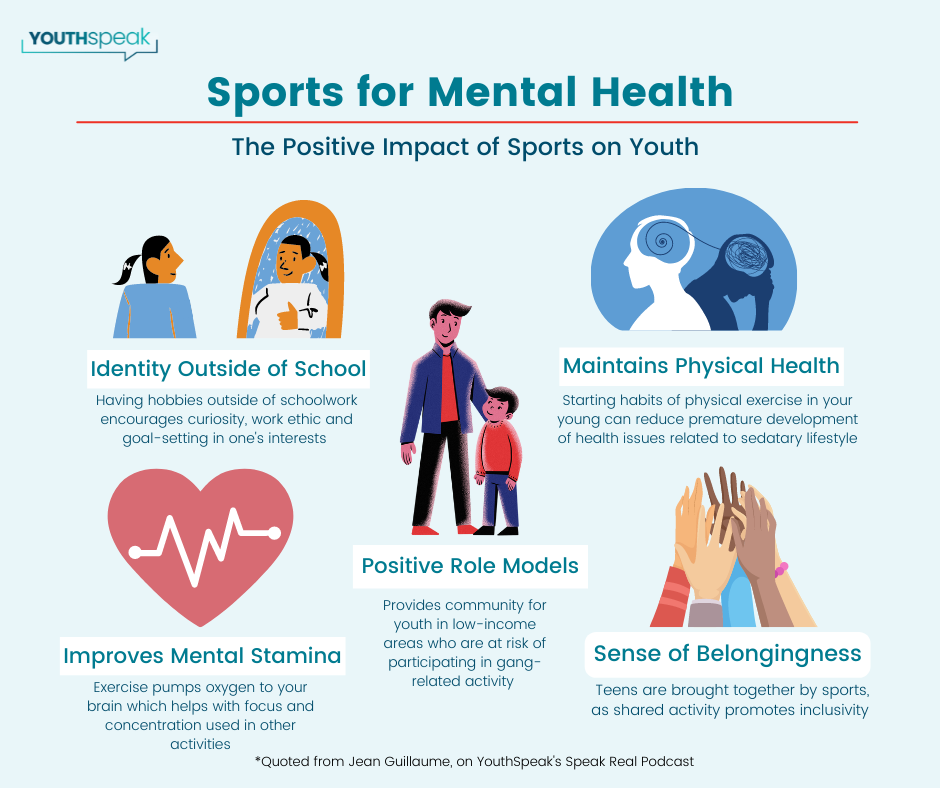
Additionally, the social dynamics found within team sports foster a supportive environment that contributes to emotional resilience. The camaraderie built through shared experiences in sports promotes a sense of belonging, which is vital for mental health. The friendships and connections developed during team practices or competitions can alleviate feelings of isolation and enhance overall emotional stability.
The Role of Physical Activity in Stress Reduction
Physical activity serves as a natural stress reliever, promoting relaxation and comfort in everyday life. Regular exercise affects the body’s stress response system, leading to decreased levels of stress hormones like cortisol. Not only does this physiological change help alleviate immediate feelings of anxiety, but it also prepares the body to better handle future stressful situations.
Engaging in sports provides an outlet for pent-up energy and frustration, turning feelings of stress into motivation and focus. Many people find that dedicating time to physical exercise allows for a moment of mindfulness, where personal worries take a back seat to the physical activity at hand. This shift of focus can enhance coping mechanisms and improve overall stress management.
Team Sports and Building Social Connections
Team sports offer a unique avenue for fostering social connections and improving mental health. Participating in sports creates a community; the relationships formed through shared goals and experiences build trust and support. This network not only provides encouragement in athletic pursuits but also serves as a buffer against loneliness and stress, improving overall emotional health.
Moreover, the communication and collaboration involved in team sports help enhance interpersonal skills and bolster self-confidence. Working towards a common objective requires individuals to engage with each other effectively, promoting practices that can lead to enduring friendships outside the sports arena.
Exercise and Its Impact on Sleep Quality
Quality sleep is integral to maintaining mental health, and exercise plays a pivotal role in regulating sleep patterns. Physical activity has been proven to alleviate symptoms of insomnia and improve overall sleep quality by helping to synchronize the body’s circadian rhythm. Activities that engage the body in a moderate way can lead to deeper and more restorative sleep cycles.
Additionally, the physical fatigue generated from regular exercise leads to an increased likelihood of falling asleep more quickly. Thus, establishing a consistent workout routine not only meets fitness goals but also fosters healthy sleep habits essential for mental recovery and rejuvenation.
Incorporating Exercise into Daily Routines
To harness the benefits of sport for mental health, it is essential to integrate physical activity into daily routines. Setting aside dedicated time for exercise, whether it be a morning jog or evening yoga sessions, can dramatically improve mental focus and mood throughout the day. Consistency is key; even light exercise can provide substantial mental benefits when done regularly.
Moreover, small adjustments to daily life can boost physical activity levels significantly. Taking the stairs instead of the elevator, opting for walking meetings, or participating in community sports leagues are practical ways to make exercise an uncomplicated part of one’s routine. These changes can collectively lead to better mental health outcomes.
The Importance of Goal Setting in Fitness
Setting achievable fitness goals is vital in not just improving physical health but also in enhancing mental resilience. When individuals outline clear, realistic objectives, they create a roadmap that fosters motivation and a sense of purpose. Achieving these goals, regardless of their size, can provide a significant boost in self-esteem and overall emotional wellbeing.
Moreover, tracking progress towards these fitness milestones can reinforce positive feelings and promote persistence even in challenging times. Celebrating small victories creates an affirmation of capability, encouraging individuals to continue pursuing greater health and fitness objectives.
Sports as a Tool for Mental Resilience
Engaging in sports builds mental resilience, a crucial aspect of navigating life’s challenges effectively. The discipline required for consistent practice and improvement fosters determination and perseverance. Athletes often face obstacles, be it in training or competition, and overcoming those hurdles cultivates a stronger mindset that can be applied to various aspects of life.
Furthermore, the ability to work through adversity in sports helps translate that resilience to personal, academic, or professional challenges. The experiences of facing failures and succeeding through effort build confidence and an understanding of the potential within oneself.
Enjoying Nature Through Outdoor Sports
Engaging in outdoor sports not only benefits physical health but also complements mental wellbeing through connections with nature. Activities such as hiking, biking, or kayaking can provide significant mental benefits that come from being outside. Exposure to natural environments has been shown to reduce symptoms of anxiety, enhance mood, and promote relaxation.
Moreover, outdoor sports often involve mindfulness, as athletes engage fully with their surroundings. This focus can lead to a mental reprieve from daily worries, fostering peace of mind and improving overall mental health. Thus, incorporating outdoor activities into regular exercise routines can offer unique advantages for mental wellness.
Frequently Asked Questions
What is the impact of sport on mental health?
The impact of sport on mental health is profound, as engaging in physical activity can reduce symptoms of anxiety and depression, enhance mood through the release of endorphins, and improve overall mental wellbeing.
How does exercise improve mental health and fitness?
Exercise improves mental health and fitness by increasing blood flow to the brain, which enhances cognitive function, reduces stress hormones, and promotes the production of feel-good chemicals that elevate mood.
What are the mental health benefits of sports?
The mental health benefits of sports include reduced anxiety and depression, improved self-esteem, enhanced social connections, and better stress management, all of which contribute to emotional well-being.
Can physical activity improve mental health in stressful situations?
Yes, physical activity can significantly improve mental health in stressful situations by providing a healthy outlet to relieve stress, promote relaxation, and boost feelings of accomplishment.
What role do team sports play in emotional well-being?
Team sports play a crucial role in emotional well-being by fostering social connections, promoting teamwork, and offering a sense of belonging, which can combat feelings of loneliness and isolation.
How does exercise affect the brain and mental health?
Exercise affects the brain by increasing blood circulation, resulting in improved cognition, and reducing stress and anxiety through hormonal balance, ultimately enhancing mental health.
What are some practical tips for enhancing mental health through sports?
Practical tips for enhancing mental health through sports include finding an enjoyable activity, setting achievable fitness goals, maintaining consistency, engaging with others through group activities, and listening to your body’s needs during exercise.
Is there a scientific basis for the connection between exercise and mental health?
Yes, numerous studies, including those published in respected journals, provide scientific evidence that regular physical activity can reduce anxiety and depression while promoting improved mood and cognitive function.
What specific benefits can individuals expect from regular involvement in sports for mental health?
Individuals who regularly engage in sports can expect benefits such as better mood regulation, reduced anxiety levels, increased self-esteem, and improved sleep quality, contributing to overall mental health.
How can exercise during challenging times help mental health?
Exercise during challenging times, such as the COVID-19 pandemic, can provide vital mental health benefits by reducing feelings of isolation, boosting mood, and allowing individuals to connect with nature while maintaining physical activity.
| Key Points | Details |
|---|---|
| Connection Between Physical Activity and Mental Wellbeing | Regular exercise reduces anxiety and depression symptoms, fostering a better mood through endorphin release. |
| Effects of Exercise on the Brain | Increases blood flow to the brain, enhances cognitive function, and promotes emotional well-being. |
| Team Sports and Mental Health | Fosters social connections, teamwork, and provides a sense of belonging, mitigating feelings of isolation. |
| Exercise During Challenging Times | Physical activity plays a crucial role in mitigating mental health issues exacerbated by events like the COVID-19 pandemic. |
| Practical Tips for Enhancing Mental Health Through Sport | Discover your passion, set achievable goals, stay consistent, connect with others, and listen to your body for maximum benefits. |
Summary
The impact of sport on mental health is increasingly recognized, revealing its vital role in enhancing overall wellbeing. Engaging in physical activity leads to measurable improvements in mood, decreased levels of anxiety and depression, and boosts cognitive functions. Exercise stimulates the release of endorphins, which can uplift spirits and reduce stress. Furthermore, team sports nurture social connections that are essential for emotional health. In a world facing unprecedented challenges, incorporating regular physical activity into our daily lives is crucial. By prioritizing exercise, we not only enhance our physical capabilities but also significantly improve our mental health, making sport an indispensable part of a healthy lifestyle.