Listen to this article
Illegal skin lightening products are rampant in the UK, infiltrating butchers and specialty food stores, as well as various online platforms, posing serious health risks to unsuspecting consumers. The Chartered Trading Standards Institute (CTSI) has raised alarms about these banned skin lightening creams, which are often laden with harmful ingredients like hydroquinone, mercury, and potent corticosteroids. The dangers of skin lightening extend beyond mere cosmetic concerns, intersecting with issues of colorism and the societal pressures that drive individuals to alter their natural skin tone. With risks such as skin damage, infections, and even lethal complications during pregnancy, awareness of the health risks associated with skin bleaching is crucial. Thus, it’s imperative for consumers to adhere to skin care safety tips and report any illegal sales to protect themselves and their communities.
The issue of illegal skin bleaching products has surfaced as a troubling phenomenon across various markets, encompassing unregulated creams and treatments that claim to lighten skin tone. These illicit products not only violate consumer safety regulations but also reinforce damaging societal norms surrounding beauty and skin color. Individuals often seek these hazardous items to escape the stigma attached to their natural complexion, influenced heavily by colorism and entrenched societal biases. The ongoing popularity of such products highlights the urgent need for public education on the associated health risks, as well as the legal implications of using or distributing these unverified treatments. Furthermore, it is essential to prioritize skin care strategies that promote health, acceptance, and awareness rather than resorting to dangerous and illegal options.
Understanding Illegal Skin Lightening Products
Illegal skin lightening products are increasingly prevalent in various outlets across the UK, including butchers and specialty food stores. These products often contain harmful ingredients that pose serious health risks. A growing concern for health authorities, these creams have been linked to severe skin damage, potential infections, and long-term health complications. It’s crucial for consumers to recognize that these products are not only illegal but can also lead to irreversible damage, fostering a sense of urgency to educate the public about their dangers.
The rise of online sales has further exacerbated the issue, making it easier for consumers to access illegal skin lightening creams without any vetting process. The comfort of online shopping may lead individuals to overlook the associated risks, especially when they are desperately seeking solutions to skin concerns. As community outlets and online retailers exploit this demand, there is a pressing need for stricter regulations and enforcement against these unsafe practices.
The Dangers of Skin Lightening Products
The dangers associated with skin lightening products cannot be overstated. Many individuals are unaware that these creams may contain toxic substances like hydroquinone and mercury, which are banned in numerous countries due to their link to severe health issues. Use of these products can lead to a myriad of health complications, including skin thinning, discoloration, and even more serious conditions like cancer and organ damage. Health organizations continuously emphasize the necessity of avoiding these products to safeguard personal health.
Moreover, the inappropriate use of skin lightening treatments can lead to a cycle of dependency, as many users feel pressured to maintain a lighter complexion due to societal beauty standards. The psychological impact can further deepen the reliance on these harmful products, highlighting the importance of mental health education in conjunction with physical skin care. Individuals are urged to prioritize skin care safety tips and seek guidance from healthcare providers before trying any new treatments.
The Impact of Colorism on Skin Lightening Trends
Colorism, the social preference for lighter skin tones, profoundly influences the demand for skin lightening products. Many individuals, driven by societal norms and personal experiences of discrimination, resort to illegal skin bleaching creams in an attempt to conform to these beauty standards. This social phenomenon not only perpetuates harmful stereotypes but also endangers the health of those seeking acceptance and validation through lighter skin tones.
The consequences of colorism extend beyond individual choices; they shape societal perceptions and interactions, fostering an environment where individuals feel compelled to alter their appearance. Education about the harmful impacts of colorism is essential. Initiatives that promote self-acceptance and highlight beauty in all skin tones can reduce the reliance on harmful products and challenge existing prejudices, ultimately leading to improved mental health and community well-being.
Health Risks Associated with Skin Bleaching
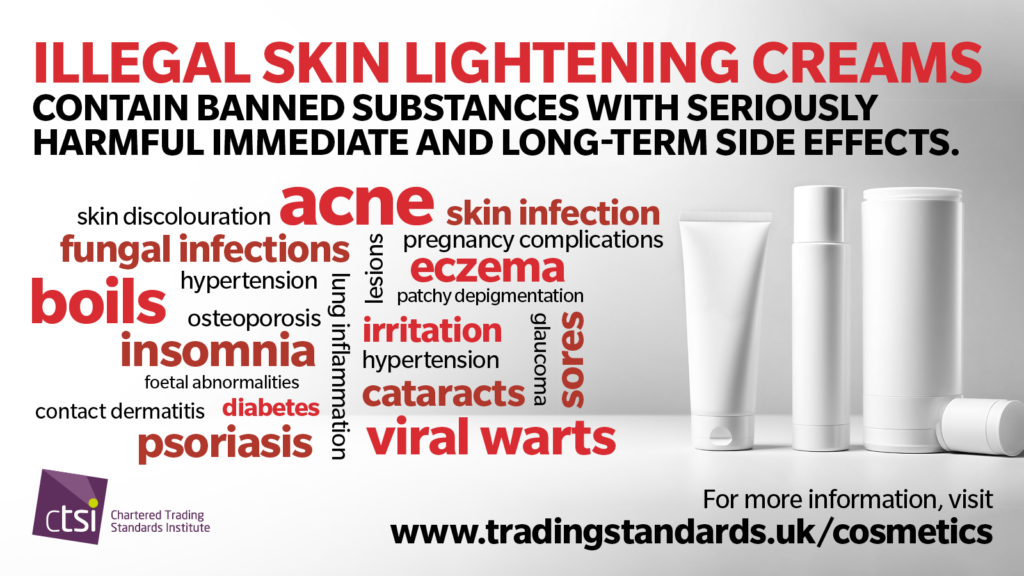
Skin bleaching, particularly through illegal skin lightening products, poses significant health risks. Ingredients commonly found in these products can cause numerous side effects, ranging from skin irritation to severe health conditions. For instance, hydroquinone, a harsh chemical, is a known carcinogen that can profoundly damage skin integrity over time. Consumers using such products often remain unaware of the peril they face, leading to heartbreaking cases of irreversible skin damage or even life-threatening conditions.
In addition to immediate risks, prolonged use of these creams can result in systemic health issues including nephrotoxicity and hepatotoxicity. Healthcare professionals stress the importance of understanding these serious health implications and urge consumers to prioritize their safety over conforming to potentially harmful beauty ideals. By spreading awareness about the hidden dangers of skin bleaching, communities can better protect at-risk individuals.
Banned Skin Lightening Creams and Regulation
Regulations surrounding skin lightening products vary worldwide, but many countries have banned certain ingredients due to their harmful effects. In the UK, the Chartered Trading Standards Institute (CTSI) has stepped up enforcement against the sale of illegal skin lightening products in various settings, underscoring the government’s commitment to public health. Despite these regulations, many illegal products continue to circulate, complicating efforts to ensure consumer safety.
The CTSI warns consumers to be vigilant and report shops selling these illicit items. With increasing online availability, regulatory agencies must adapt and reinforce their laws to encompass digital sales as well. Educating the public about banned skin lightening creams helps consumers make informed choices, as awareness is the first step toward curbing the trend of using dangerous products.
Consumer Safety Tips for Skin Care
Prioritizing skin care safety is essential, especially for those considering products that alter their skin tone. Consumers are encouraged to always consult medical professionals before applying any skin treatments, particularly those claiming to lighten or alter skin pigmentation. A healthcare provider can offer insights on the safest and most effective skin care practices, helping individuals avoid harmful products.
Moreover, it is vital to choose reputable brands and to conduct thorough research before trying any new skin care products. Checking for certifications and reading ingredients lists can significantly reduce the risk of using harmful substances contained in illegal products. By adopting a cautious and informed approach, consumers can protect their skin health and resist the societal pressures associated with colorism.
Personal Stories: The Reality of Using Illegal Products
Personal accounts of individuals who have used illegal skin lightening products illustrate the very real risks of these dangerous creams. For instance, Daniel Murrell-Williamson’s experience highlights how misleading marketing led him to use a product containing hydroquinone without any awareness of its potential dangers. These narratives serve as cautionary tales, emphasizing the often under-reported emotional and physical toll of striving for an unattainable beauty ideal.
Similarly, Arlene Dihoulou’s story sheds light on how experiences of racism and colorism can drive individuals towards harmful beauty practices. Her lack of awareness regarding the dangers of skin lightening creams resonates with many who have faced societal pressures to alter their appearance. These personal testimonies reveal the need for enhanced public education and resources that address both the psychological and physical ramifications of using these products.
The Role of Government in Regulating Skin Lightening Products
The role of government in regulating skin lightening products is crucial for public health. Effective legislation and enforcement can protect consumers from the dangers posed by banned products. Initiatives to identify and prosecute offenders selling illegal creams have been implemented in various areas, like Southwark, which has seen multiple prosecutions. Continued efforts are necessary to deter illegal sales and promote safer beauty options.
Furthermore, government campaigns aimed at raising awareness of the health risks associated with skin lightening can play a pivotal role in changing consumer behavior. By providing resources and support for individuals affected by colorism, the government can encourage a shift towards embracing diverse beauty standards while safeguarding the well-being of its citizens.
Challenging Beauty Standards through Education
Challenging harmful beauty standards requires a comprehensive educational approach. By promoting awareness of the dangers of illegal skin lightening products and the factors that foster their demand, communities can work toward dismantling the societal pressures that contribute to the usage of these creams. Educational programs that address colorism and self-acceptance can empower individuals to embrace their natural beauty without resorting to harmful modifications.
Furthermore, collaboration with influencers and community leaders can amplify these educational initiatives, reaching broader audiences and fostering positive discourse around beauty. By celebrating diverse skin tones and encouraging self-love, society can slowly reshape perceptions, ultimately reducing the reliance on illegal skin bleaching products.
Frequently Asked Questions
What are the health risks associated with illegal skin lightening products?
Illegal skin lightening products often contain harmful ingredients like hydroquinone, mercury, and potent corticosteroids. These substances can lead to serious health risks including skin damage, infections, liver and kidney damage, and even cancer. It’s crucial to avoid these products and consult with medical professionals for safe alternatives.
Why are some skin lightening creams banned?
Many skin lightening creams are banned due to their dangerous ingredients, which pose significant health risks. Products containing hydroquinone and mercury, for instance, can cause severe side effects and complications. Regulatory bodies, like the Chartered Trading Standards Institute (CTSI), prohibit these creams to protect consumers from health dangers.
What is the impact of colorism on the popularity of illegal skin lightening products?
Colorism, the societal preference for lighter skin tones, heavily influences the demand for illegal skin lightening products. Individuals affected by discrimination based on their skin color may turn to these harmful products to conform to unrealistic beauty standards, often unaware of the associated health risks.
How can I ensure skin care safety when choosing lightening products?
To ensure skin care safety, always consult with a healthcare professional before using any skin lightening products. Avoid unverified sellers, especially online, and be cautious of products that claim quick results. Educating yourself about the ingredients and potential hazards of these products can help you make safer choices.
Why should skin lightening products never be used on children?
Skin lightening products should never be used on children because they contain harmful substances that can severely damage young, delicate skin. Additionally, the psychological effects of colorism can influence self-esteem and self-image in children, making it crucial to protect them from these harmful beauty ideals.
What steps should I take if I encounter illegal skin lightening products being sold?
If you find illegal skin lightening products being sold in stores or online, report them to your local trading standards or consumer protection agency. Highlighting such practices helps protect others from the health risks associated with these dangerous products.
What are the long-term effects of using illegal skin bleaching products?
Long-term use of illegal skin bleaching products can lead to severe health complications, including skin thinning, increased tolerance to other products, potential carcinogenic effects from substances like hydroquinone, and psychological dependence on altering one’s skin tone due to colorism.
What should I know about the warning signs of dangerous skin lightening creams?
Be wary of skin lightening creams that promise unrealistic results, have unverified sellers, or lack proper labeling and ingredient transparency. Products containing banned substances such as hydroquinone or mercury are particularly concerning and should be avoided to prevent serious health risks.
| Key Point | Details |
|---|---|
| Illegal Sales | Illegal skin lightening products are sold in butchers, specialty food stores, and online in the UK. |
| Health Risks | These products often contain harmful ingredients such as hydroquinone and mercury, leading to serious health issues. |
| Consumer Warning | The public is urged to report illegal sellers and avoid using these products, especially on children. |
| Legal Consequences | There have been substantial fines and prosecutions for selling illegal products, highlighting the legal risks involved. |
| Societal Influences | Colorism and societal beauty standards contribute to the demand for skin lightening products. |
| Personal Testimonials | Individuals have shared experiences of using illegal creams due to societal pressures and lack of awareness about their dangers. |
Summary
Illegal skin lightening products pose significant risks to public health due to the harmful ingredients they contain and their illegal sale in the UK. The Chartered Trading Standards Institute (CTSI) has issued warnings to consumers against using these products and has stressed the importance of reporting sellers. It’s clear from personal accounts that there’s a societal influence driving individuals to seek out these products, often unaware of the dangers. As authorities continue to combat this issue, it remains critical for consumers to prioritize their health and safety by avoiding illegal skin lightening products.