
Listen to this article
The Stephen Lawrence case remains a pivotal moment in the discussion surrounding racial justice in the UK, spotlighting the tragic murder of the young black teenager in 1993. His mother, Baroness Doreen Lawrence, has been an enduring figure in the fight for accountability, recently filing a lawsuit against former Daily Mail reporter Stephen Wright. Allegations have surfaced regarding privacy breach allegations tied to the investigative tactics employed in reporting on the case, raising serious concerns about journalistic ethics in the public realm. As the inquiry into this heinous racially motivated murder unfolds, questions loom large over the integrity of investigative reporting, especially in light of past claims made by prominent figures like Baroness Lawrence. Coverage of the Stephen Lawrence saga has not only highlighted the failings of the police but has also ignited a broader debate about the ethics of reporting on sensitive issues, including allegations against media giants such as the Daily Mail.
The tragic events surrounding the murder of Stephen Lawrence have catalyzed a national conversation about racial discrimination and the failures of law enforcement. Doreen Lawrence, his mother, stands at the forefront of this struggle for justice, recently initiating legal action against former reporter Stephen Wright of the Daily Mail. This lawsuit is compounded by allegations of unethical journalistic practices, particularly concerning the privacy invasion methods reportedly used during the coverage of the investigation. The case not only delves into the depths of a horrific crime but also confronts the complex dynamics of media ethics and the gray area of what is acceptable in investigative journalism. As the case continues to draw attention, the implications of these accusations highlight a critical examination of how the media engages with issues of race, privacy, and the pursuit of truth.
Understanding the Stephen Lawrence Murder Case
The tragic murder of Stephen Lawrence in 1993 marked a significant turning point in the UK’s approach to race relations and policing. As an 18-year-old black teenager, Stephen was brutally attacked by a gang in Eltham, southeast London, while waiting for a bus, highlighting the pervasive issues of racism and violence in society. The aftermath of his death sparked a public outcry and revealed horrifying failings within the Metropolitan Police, who were criticized for their incompetence in investigating the case. This inquiry eventually led to the inquiry in which the police force was branded as ‘institutionally racist,’ a term that still resonates within discussions of race and policing in the UK today.
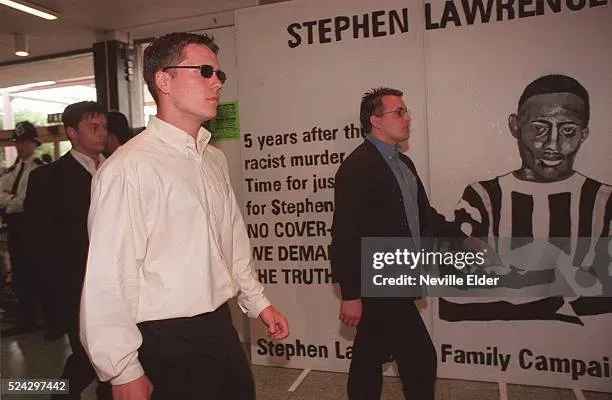
In the years following Stephen’s death, his parents, particularly Baroness Doreen Lawrence, became prominent advocates for justice, tirelessly campaigning for accountability from both the police and the judicial system. The slow progress towards justice illustrated the systemic issues within the legal framework that marginalized minority communities. It wasn’t until 2012, nearly two decades later, that two men were finally convicted of his murder—yet many questions still linger about the handling of the case and the broader implications of racial injustice in society.
The Controversy Surrounding Doreen Lawrence’s Lawsuit
Baroness Doreen Lawrence’s recent lawsuit against the Daily Mail’s publisher, Associated Newspapers Ltd., has reignited questions about journalistic ethics and privacy within the context of high-profile cases. Accusations that former journalist Stephen Wright engaged in unethical practices, including allegedly paying for information regarding the Lawrence murder inquiry, present a complex picture of the boundaries between investigative journalism and infringement of personal privacy. Doreen’s claims articulate a broader concern about how media outlets may exploit tragic events for profit, raising significant ethical considerations in the realm of investigative reporting ethics.
The implications of Doreen Lawrence’s lawsuit extend beyond her personal grievances. Many high-profile figures, including celebrities like Prince Harry and Elton John, have made similar allegations against ANL for serious breaches of privacy. These lawsuits reflect a critical examination of how privacy laws are upheld in cases involving public figures, especially in relation to the sordid history of phone tapping and media misconduct. As the case unfolds, it will undoubtedly influence future discussions about the balance between the public’s right to know and the right to privacy, particularly for families affected by horrific crimes.
Ethical Concerns in Investigative Reporting
The ethical concerns presented in the Stephen Lawrence case highlight the critical need for strict standards in investigative journalism. Doreen Lawrence’s lawsuit emphasizes the potential overreach of journalists in their pursuit of information, especially when it involves moments of great personal tragedy. In this instance, accusations against Stephen Wright raise fundamental questions about whether he and his colleagues compromised ethical principles in the name of sensational reporting. The alleged use of private investigators to gather unlawful information reflects the darker side of journalism that prioritizes selling papers over respecting the dignity of victims and their families.
Furthermore, the implications of these ethical breaches extend well beyond the individuals involved. They contribute to a wider narrative about media accountability and the need for transparency in reporting practices. Investigative journalism plays a crucial role in society, but it must adhere to ethical guidelines that protect privacy and consider the potential ramifications of its methods on real lives. The ongoing discussions surrounding the Stephen Lawrence murder inquiry and the subsequent allegations against journalists underscore the necessity for reform in how sensitive information is sourced and reported in the media.
Media and the Memory of Stephen Lawrence
The Stephen Lawrence case remains a painful chapter in the UK’s historical narrative, and media portrayal has significantly influenced public perception. The Daily Mail, among other outlets, played a pivotal role in keeping the case alive in the public consciousness, particularly through its coverage of the inquiry and the justice process. While some advancements in the pursuit of justice were made due to media attention, such as the eventual conviction of Stephen’s murderers, the methods employed to gather this information have come under scrutiny. Baroness Lawrence’s claims against the Daily Mail involve concerns that unethical practices were used to support a narrative that arguably served the newspaper’s interests rather than those of the grieving family.
As public interest in the Lawrence case continues, the media’s responsibility to honor the memory of victims like Stephen becomes paramount. The balance between reporting the truth and respecting the lives of those affected is critical in maintaining ethical standards. Moreover, the tension between sensational journalism and ethical reporting raises significant questions about the integrity of media institutions and their relationship with the communities they depict. Future coverage of similar cases must acknowledge past missteps and strive to report with greater empathy and responsibility.
Exploring Investigative Reporting Ethics
Investigative reporting serves an essential function in a democratic society, often exposing corruption, abuse, and injustice. However, the case surrounding the murder of Stephen Lawrence raises serious questions about the boundaries and ethics of such reporting. As the allegations against Stephen Wright suggest, investigative journalists must navigate a minefield of moral considerations to uphold journalistic integrity. Ethical guidelines emphasize the need for fairness, truthfulness, and respect for the privacy of individuals, particularly vulnerable ones who have endured trauma.
Moreover, as public awareness grows regarding privacy breach allegations, the journalism community faces increasing scrutiny over its practices. The challenge remains for journalists to balance the thirst for groundbreaking stories with the ethical obligation to avoid harm. The fallout from the Stephen Lawrence case illustrates how overlooking these ethical concerns can lead to significant legal and reputational repercussions, ultimately undermining public trust in media. Adopting rigorous ethical standards is paramount to ensure that investigative reporting serves its intended role in society without sacrificing the ethical responsibilities it entails.
The Impact of Racial Bias in Police Investigations
The Stephen Lawrence murder inquiry revealed deeply ingrained racial biases within the UK police force, which failed to effectively investigate Stephen’s murder. In 1999, the public inquiry led by Sir William Macpherson famously labeled the Metropolitan Police as ‘institutionally racist,’ a term that sparked significant debate and policy changes within law enforcement. This acknowledgement did not just reflect incompetence; it highlighted the systemic issues that minority communities face in terms of safety and justice. The delay in justice for Stephen Lawrence illustrates how racial bias can influence the effectiveness of investigations and the subsequent accountability of law enforcement agencies.
The ongoing ramifications of the Lawrence case have prompted renewed discussions about institutional racism in the UK. Racial profiling, inadequate responses to crimes involving minority communities, and the failure to address such systemic issues have prompted activists and community leaders to call for reforms. The sustained efforts by Doreen Lawrence, alongside the growing public support for a more equitable justice system, illustrate the broader fight against racial violence and discrimination. Achieving true justice for Stephen means addressing these larger societal issues and ensuring that all individuals, regardless of race, are treated with fairness and respect.
The Role of Public Sentiment in Legal Cases
Public sentiment plays a critical role in shaping legal cases, especially those involving high-profile murders like that of Stephen Lawrence. The outcry over the mishandling of his murder investigation galvanized the public and prompted legal reforms aimed at addressing racial injustice within the justice system. Community advocates and organizations mobilized to demand accountability, leading to heightened media coverage and public interest that persisted long after the immediate tragedy had transpired. This environment created significant pressure on law enforcement to act, illuminate injustices, and restore faith within the community.
Moreover, the continuing public interest in the Stephen Lawrence case highlights the importance of community voices in advocating for justice. The enduring legacy of the Lawrence inquiry serves as a reminder of how public outrage can lead to tangible changes within the justice system. As lawsuits like that of Doreen Lawrence against media outlets unfold, they too reflect a public demand for accountability and transparency both from the press and from law enforcement. The interplay between public sentiment and legal processes underscores the potency of collective voices in driving change within societal structures.
Future Implications of the Lawrence Case
As the inquiries into the Stephen Lawrence case continue, the implications for both journalistic practices and policing methods will be far-reaching. For journalism, this case could serve as a wake-up call to adhere strictly to ethical reporting standards, particularly concerning sensitive cases that involve victims and their families. As the public becomes increasingly aware of privacy breach allegations and unethical practices, media organizations may be compelled to reform their approaches and establish more robust checks and balances to prevent exploitation of personal tragedies for sensational reporting.
On the law enforcement side, the lessons learned from the failures surrounding the Lawrence case will likely resonate for years to come. The significant public interest and activism surrounding racial justice and police accountability demand sustained efforts to dismantle institutional racism. As the investigation and lawsuits progress, they will continuously shape discussions on policing strategies and the treatment of minority communities in the UK. The Stephen Lawrence case thus remains not just a tragedy, but a pivotal moment that challenges society to strive for justice and equality.
Frequently Asked Questions
What are the allegations in the Doreen Lawrence lawsuit against former Daily Mail journalist Stephen Wright related to the Stephen Lawrence case?
The Doreen Lawrence lawsuit alleges that Stephen Wright, a former Daily Mail journalist, unlawfully accessed private information about the Stephen Lawrence case, which involves the racist murder of her son in 1993. Baroness Doreen Lawrence accuses Wright and the Daily Mail’s publisher, Associated Newspapers Limited (ANL), of employing unlawful methods, including payments to private investigators, to gather information for articles covering the murder inquiry.
How did Stephen Wright respond to the privacy breach allegations in the Stephen Lawrence case?
Stephen Wright defended himself against the privacy breach allegations related to the Stephen Lawrence case, calling them ‘despicable’ and ‘utter nonsense’. He expressed pride in his efforts to acquire justice for the Lawrence family and denied any payments to private investigators for information related to the murder inquiry.
What impact did the Stephen Lawrence murder case have on police investigations and public perceptions of racism in the UK?
The Stephen Lawrence case had a profound impact on police investigations and perceptions of institutional racism in the UK. Following the murder of Stephen Lawrence, a public inquiry in 1999 concluded that the Metropolitan Police were ‘institutionally racist’, leading to major reforms in police practices and investigating procedures. This case continues to resonate in discussions about race relations and policing in contemporary Britain.
What role did the Daily Mail play in the Stephen Lawrence case, and how is it connected to the lawsuit involving Doreen Lawrence?
The Daily Mail played a significant role in publicizing the Stephen Lawrence case, campaigning on behalf of the Lawrence family and publishing information about the suspects involved in Stephen’s murder. However, in the lawsuit brought by Doreen Lawrence against the Daily Mail’s publisher, allegations of privacy breaches and unethical investigative practices have emerged, claiming that the newspaper used unlawful methods to gather information.
What are the implications of the Stephen Lawrence case for investigative reporting ethics?
The Stephen Lawrence case raises critical questions about investigative reporting ethics, particularly regarding the use of private investigators and the methods employed to gather information. As Baroness Doreen Lawrence pursues legal action against former journalist Stephen Wright and the Daily Mail, the case may lead to a re-evaluation of ethical boundaries in investigative journalism and the balance between public interest and privacy rights.
What evidence is being presented in the Doreen Lawrence lawsuit regarding privacy breach allegations linked to the Stephen Lawrence case?
In the ongoing Doreen Lawrence lawsuit, evidence including emails and testimonies is being presented that suggest former Daily Mail journalist Stephen Wright commissioned private investigation firms for information related to the Stephen Lawrence case. While Wright claims these inquiries were legitimate, the allegations of unlawful methods to obtain personal data raise serious questions about the integrity of reporting in this sensitive case.
What is the significance of the Stephen Lawrence case in the context of racial justice in the UK?
The Stephen Lawrence case is significant in the context of racial justice in the UK as it highlighted systemic failures in law enforcement to address racially motivated crime. The legacy of this case led to important legislative and policy changes aimed at improving the treatment of racial minorities within the justice system and prompted ongoing discussions about race and discrimination in society.
| Key Point | Details |
|---|---|
| Accusations Against Stephen Wright | Baroness Doreen Lawrence accuses him of stealing information related to the murder of her son Stephen Lawrence. |
| Wright’s Denial | Stephen Wright denies paying investigators, calling accusations ‘despicable’ and ‘nonsense’. |
| Lawsuit Context | Baroness Lawrence is suing Associated Newspapers Limited (ANL) over privacy breaches. |
| Historical Background | Stephen Lawrence was murdered in 1993, leading to controversy over police investigations. |
| Other High-Profile Individuals Involved | Prince Harry and Sir Elton John are also suing ANL for privacy breaches. |
| Compensation and Support | The Lawrences received £320,000 in compensation for police errors. |
| Wright’s Relationship with Police | He acknowledges contact with an ex-police officer but denies paying serving officers. |
| Investigative Methods Questioned | Allegations emerge about the unlawful methods used in obtaining information. |
Summary
The Stephen Lawrence case remains a pivotal moment in British history, highlighting profound issues of racism, police misconduct, and media ethics. Former Daily Mail reporter Stephen Wright has vehemently denied allegations of unethical practices in reporting on the case, while Baroness Doreen Lawrence continues her fight for justice and accountability. As the lawsuit progresses, it brings renewed scrutiny to both the media’s role in such sensitive matters and the challenges faced by victims’ families seeking truth and reconciliation.