Listen to this article
Psychology influences sport performance in remarkable ways, shaping the mental landscape where athletic talent meets success. In a world where physical skill is often highlighted, the role of sports psychology becomes essential in understanding how mental factors can affect outcomes. From mental toughness and effective goal setting in sports to visualization techniques and self-talk, the psychological tools available to athletes can make a significant difference in their performance. Stress management strategies and the dynamics of teamwork also play crucial roles in promoting resilience and enhancing collective success on the field. By delving into these elements, we can appreciate how a strong psychological framework can elevate athletes to peak performance.
The interplay between mental fortitude and athletic achievement is a captivating subject that encompasses various concepts in sports performance enhancement. By examining the psychological dimensions that support athletes—such as resilience, motivation through goal articulation, and the strategic use of mental imagery—we unveil a deeper understanding of the competitive edge. Techniques to manage stress levels, coupled with fostering a healthy team environment, underscore the importance of psychology in sports. Additionally, adopting a mindset focused on growth and continuous improvement enables athletes to thrive, learning from both victories and setbacks. Ultimately, this rich tapestry of psychological insights aims to empower athletes in their pursuit of excellence.
Understanding the Intersection of Psychology and Sports Performance
The connection between psychology and sports performance is a fascinating area of study. Sports psychology delves into how athletes’ mental states can significantly affect their performance levels. By analyzing factors such as emotional regulation, focus, and motivation, sports psychologists aim to enhance athletes’ mental resilience and performance consistency. Those who prioritize mental preparation alongside their physical training tend to achieve superior results, as their psychological readiness supplements their physical capabilities.
Athletes often face overwhelming pressure during competitions, which can lead to anxiety, self-doubt, and poor performance. Understanding psychological influences helps athletes develop coping strategies and mental skills that can mitigate these negative effects. Whether by implementing mindfulness practices or learning effective stress management techniques, athletes can find a balance that allows them to perform at their best when it matters most.
The Impact of Mental Toughness on Athletic Success
Mental toughness is a fundamental trait for athletes looking to excel in their sports. It encompasses the ability to push through adversity and maintain focus under pressure, which are essential components of peak performance. Mentally tough athletes view challenges as opportunities for growth and learning, which enhances their resilience in the face of setbacks. Building mental toughness requires constant practice and often involves setting personal challenges that push an athlete outside their comfort zone.
Moreover, developing mental toughness is linked to achieving athletic goals. Athletes who cultivate a strong mental framework are better equipped to handle failures and come back stronger after defeats. This psychological fortitude enables them to remain committed to their training regimens even when the journey becomes arduous. Such a mindset fosters perseverance, which is crucial in a competitive professional landscape.
The Role of Goal Setting in Athletic Achievement
Goal setting is a powerful psychological technique used by athletes to enhance their performance. By establishing clear, achievable objectives, athletes can channel their focus and energy toward accomplishing specific tasks. The use of SMART (Specific, Measurable, Achievable, Relevant, Time-bound) goals provides a roadmap that guides an athlete’s training process and facilitates self-assessment over time. This structured approach allows athletes to track their progress and celebrate achievements, thereby boosting their motivation and confidence.
Furthermore, goal setting plays a critical role in maintaining an athlete’s mental engagement over long training cycles. Without defined goals, the risk of losing motivation increases, potentially leading to burnout or disengagement. Regularly revisiting and adjusting goals as needed also introduces a growth mindset into the preparation process, ensuring that athletes remain focused and open to continuous improvement.
Utilizing Visualization Techniques to Enhance Performance
Visualization techniques have become a staple in athletic training, allowing athletes to mentally rehearse their performances. This practice involves creating vivid mental images of success, which can enhance not just confidence but also physical execution during actual performance. Athletes engaged in visualization reportedly experience improved muscle memory, as the brain processes these visualized movements as real experiences. By employing visualization regularly, athletes can prepare their minds to face competition with greater assurance.
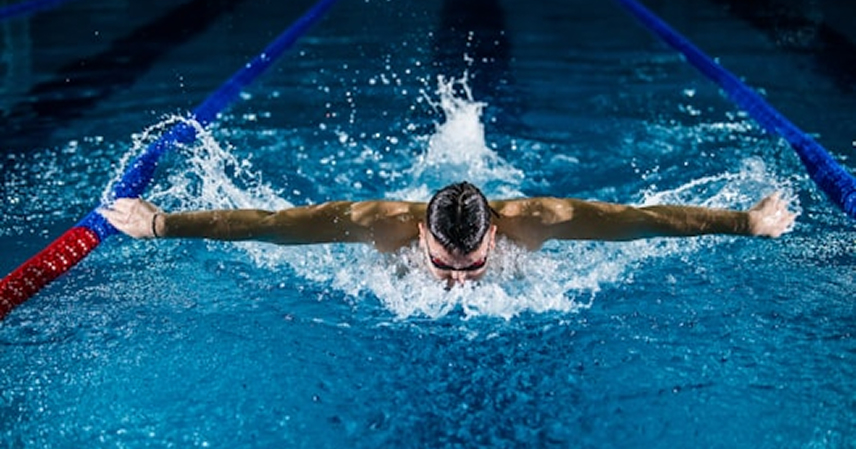
Athletes like Olympic swimmers and sprinters often disclose that they visualize their routines and performances in detail. This cognitive practice serves to mentally prepare them for every scenario, be it an unexpected opponent or an altered competitive environment. As they bypass common stressors through imagery, these athletes foster a sense of control and preparedness that translates into actual performance outcomes.
The Power of Self-Talk in Athletic Performance
Self-talk plays a crucial role in shaping athletes’ mental frameworks. The narrative that athletes tell themselves before, during, and after performances can significantly influence outcomes. Positive self-talk—such as affirmations and motivational phrases—can mitigate anxiety and enhance focus, prompting athletes to perform to the best of their abilities. Conversely, negative self-talk can rejuvenate doubts and fears, undermining confidence and overall performance.
Coaches frequently encourage athletes to develop a repertoire of positive self-talk techniques geared towards uplifting their mental states. By training the mind to replace negative thoughts with affirmations of capability and confidence, athletes create a more supportive environment for performance. Over time, consistent positive self-talk can reshape self-perception and cultivate an unshakeable belief in their abilities.
Stress Management Techniques for Athletes
Managing stress is a critical aspect of peak athletic performance. High-pressure competitions often trigger anxiety and stress, which can negatively impact performance if not handled properly. Athletes benefit greatly from incorporating relaxation techniques into their routines, which can include deep breathing exercises, meditation, or progressive muscle relaxation. These strategies help create a calm mental state, allowing for heightened focus and clarity of thought during intense moments.
Additionally, learning to cope with stress before it escalates is vital for maintaining optimal performance levels. Athletes are encouraged to recognize their stress signals and employ quick stress-relief techniques during training and competition. By mastering these stress management strategies, athletes can sustain their composure and execute their skills effectively even in the face of overwhelming challenges.
Understanding Team Dynamics and Performance
Team dynamics significantly influence both individual and group performance in team sports. Effective communication, mutual respect, and strong relationships among team members foster an environment of collaboration and support. Such dynamics can lead to enhanced morale and increased cohesion, both of which are vital for achieving collective goals. Training sessions that emphasize teamwork and collaboration prepare athletes to work effectively under pressure during games.
Furthermore, a positive team culture can elevate the performance of individual athletes, as players often draw confidence and motivation from their teammates. Establishing roles within the team and recognizing each other’s strengths contributes to a supportive dynamic that can weather the pressures of competition. When athletes feel connected to their team, they are more likely to push each other towards achieving their maximum potential.
The Critical Importance of Recovery in Sports Psychology
Recovery is an integral aspect of any athlete’s training regimen, encompassing both physical and psychological elements. While physical recovery is vital for repairing the body, the psychological benefits of recovery should not be overlooked. Implementing mental recovery strategies, such as mindfulness and self-reflection, allows athletes to process their experiences, recharge mentally, and maintain motivation going forward.
Athletes who prioritize mental recovery alongside physical healing are better prepared to tackle future competitions. Recognizing the importance of allowing time for mental processing helps athletes approach their next challenges with renewed enthusiasm and less emotional fatigue. This holistic focus on recovery contributes significantly to long-term performance enhancement and overall well-being in sports.
Cultivating a Growth Mindset for Athletic Excellence
A growth mindset is a fundamental principle within sports psychology that can drastically reshape an athlete’s approach to training and competition. Athletes with a growth mindset perceive their skills as improvable through hard work and dedication. This contrasts with a fixed mindset, where individuals believe their abilities are static, leading to greater likelihood of giving up in the face of challenges. By embracing a growth mindset, athletes become more open to learning from failures and viewing them as essential components of their development.
Training programs that emphasize a growth mindset encourage athletes to engage in regular self-assessment and constructive feedback. Such practices foster resilience, as athletes learn to oscillate between performance highs and lows while maintaining a focus on continual improvement. Ultimately, nurturing a growth mindset equips athletes with the tools they need to face the inevitable challenges of sports with resolve and determination.
Conclusion: The Psychological Edge in Athletic Competition
As the analysis of psychology’s role in sports reveals, the mental component is as critical as physical training in achieving athletic success. Athletes who harness the principles of sports psychology—be it through mental toughness, effective goal setting, or visualization—can amplify their performance and significantly influence outcomes. The interplay between mind and body becomes the key differentiator in high-stakes competitions where every aspect counts.
By appreciating and integrating psychological strategies into training routines, athletes can cultivate a competitive edge that enhances their performance beyond physical capabilities. Thus, collaborating with sports psychologists, coaches, and peers will allow athletes to utilize the full spectrum of psychological resources available to achieve their aspirations. In competitive sports, leveraging the mind’s power often translates to tangible victories on the field.
Frequently Asked Questions
How does sports psychology influence sport performance?
Sports psychology plays a critical role in sport performance by addressing the mental aspects that affect athletes, such as focus, motivation, and confidence. By understanding and applying psychological principles, athletes can optimize their performance and manage stress effectively.
What is the significance of mental toughness in sports?
Mental toughness is vital for athletes as it allows them to thrive in high-pressure situations. This psychological quality helps athletes to stay focused, overcome setbacks, and maintain their determination, which can lead to improved sport performance.
Can goal setting in sports improve an athlete’s performance?
Yes, goal setting in sports is integral to enhancing performance. By setting SMART goals, athletes can create a clear roadmap for their training, maintain motivation, and enhance focus, ultimately leading to better outcomes in competitions.
What are visualization techniques and how do they affect sport performance?
Visualization techniques involve mentally rehearsing specific performances or events. This strategy enhances confidence and muscle memory in athletes, enabling them to perform better under pressure by creating a mental image of success.
How does self-talk impact an athlete’s performance?
Self-talk significantly influences performance by altering an athlete’s mindset. Positive self-talk can boost confidence, reduce anxiety, and improve concentration, which are essential for performing at peak levels during competitions.
What are effective stress management techniques for athletes?
Effective stress management techniques for athletes include deep breathing, mindfulness, and progressive muscle relaxation. These methods help athletes maintain composure in high-stress situations, facilitating better performance in competitions.
How do team dynamics affect sport performance?
Team dynamics directly impact sport performance by influencing cohesion and communication among team members. Healthy relationships and a shared vision can enhance morale, satisfaction, and overall team outcomes.
What is a growth mindset and its importance in sports psychology?
A growth mindset in sports psychology refers to the belief that skills and abilities can be developed through effort. This approach fosters resilience, encourages learning from failures, and ultimately results in greater success in sports.
How can athletes incorporate recovery strategies into their training?
Athletes can include mental recovery strategies like mindfulness and relaxation techniques in their training to recharge mentally, maintain motivation, and strategically prepare for future competitions.
What role does sports psychology play in an athlete’s training regimen?
Sports psychology enhances an athlete’s training regimen by integrating mental strategies that improve focus, manage stress, and build team dynamics, ultimately leading to optimized performance during competitions.
| Key Psychological Factors | Description |
|---|---|
| Mental Toughness | Ability to perform under pressure and maintain focus. |
| Goal Setting | Establishing SMART goals to enhance motivation and direction. |
| Visualization Techniques | Mental rehearsal to enhance confidence and performance. |
| Self-Talk | Inner dialogue that can boost confidence and decrease anxiety. |
| Stress Management | Techniques like deep breathing to maintain focus. |
| Team Dynamics | Cohesion and communication within team sports that affect performance. |
| Psychology of Recovery | Mental strategies to recharge and motivate for future challenges. |
| Growth Mindset | Belief in improvement through effort, leading to resilience. |
Summary
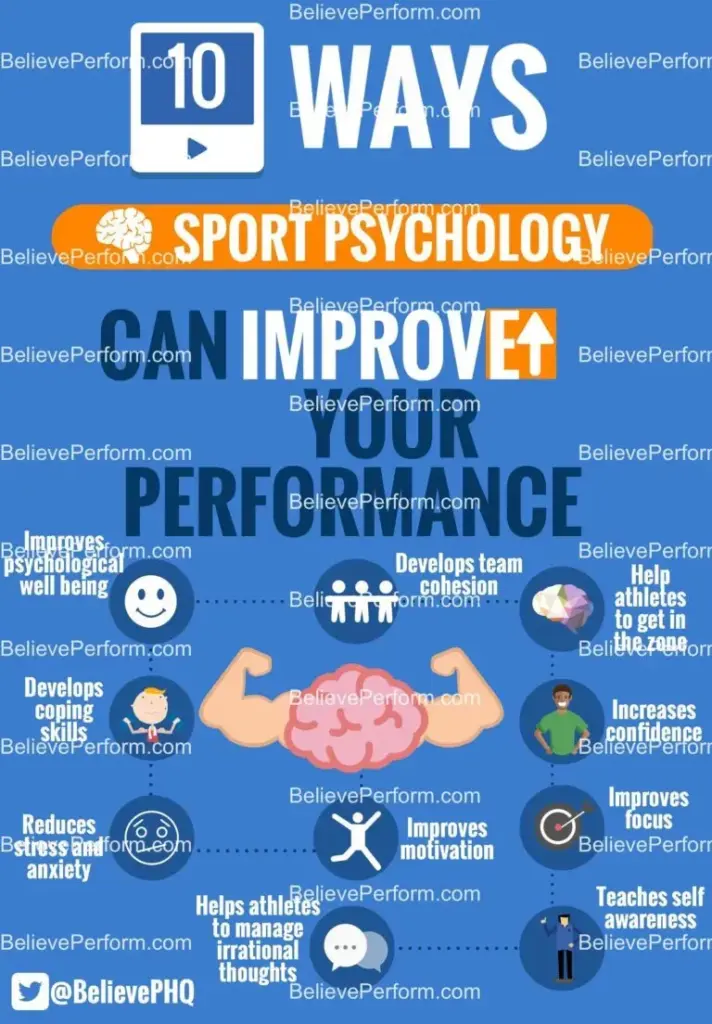
Psychology influences sport performance in myriad ways, highlighting its importance alongside physical prowess. Understanding the role of mental toughness, goal setting, visualization, self-talk, stress management, team dynamics, recovery, and mindsets can significantly enhance athletes’ performances. By delving into these psychological aspects, athletes and coaches can better prepare for competitions, ensuring that both the physical and mental elements are aligned for success. Integrating these strategies into training regimens not only fosters individual growth but also builds strong, cohesive teams ready to tackle any challenge.