
Listen to this article
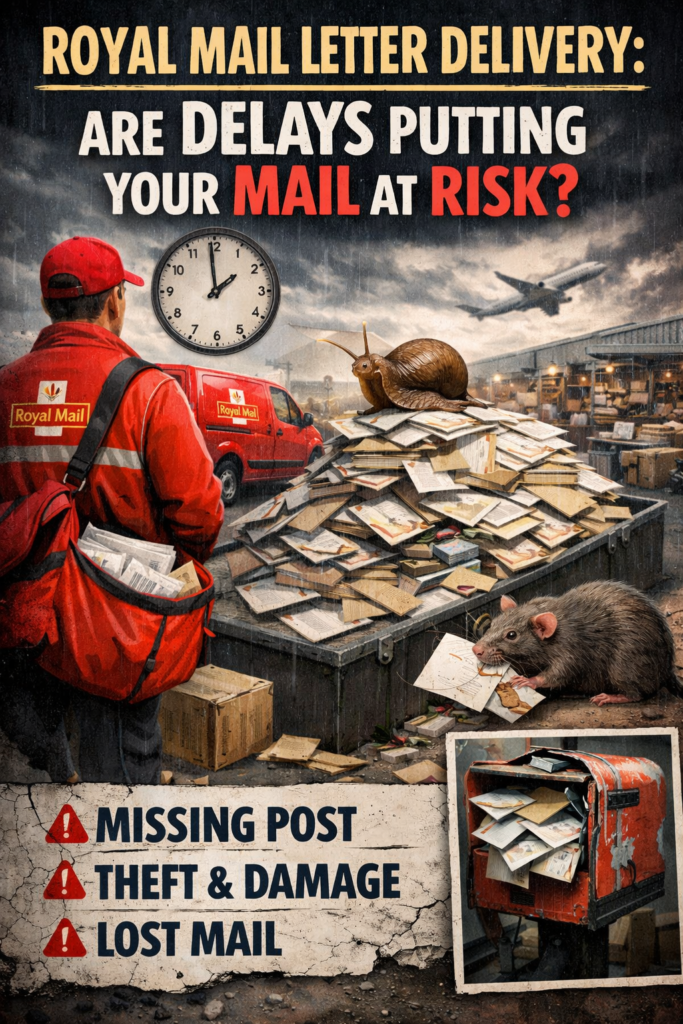
Royal Mail letter delivery is currently under scrutiny as MPs raise concerns about the punctuality of mail services. Recent reports suggest that the iconic postal service may not be delivering letters on time, leading to a storm of controversy surrounding its operations. Liam Byrne, chair of the Commons Business and Trade Committee, has requested Royal Mail to clarify claims that they prioritize parcels over letters, a move that could impact countless customers reliant on timely communication. This situation has been exacerbated by reports of letter delivery delays attributed to staff shortages and operational challenges. As customers increasingly voice their frustrations, it’s clear that the reliability of the Royal Mail service is a pressing issue that requires immediate attention.
The ongoing situation regarding postal services in the UK has sparked significant debate, particularly surrounding the efficiency of traditional mail transport systems. As the public grapples with potential disruptions to letter dispatch, various stakeholders are keenly observing the implications for timely communications. Concerns that the postal service may be deliberately withholding letter deliveries until sufficient volumes of mail accumulate raises questions about customer trust. With prominent figures like Liam Byrne calling for accountability from Royal Mail, the discourse on efficient mail delivery methods is more relevant than ever. Ensuring effective communication remains paramount, highlighting the essential nature of logistical reliability in society.
Understanding Royal Mail’s Letter Delivery Delays
Royal Mail is facing significant scrutiny over its letter delivery services, particularly regarding claims of delays and prioritization of parcels over letters. An MP has accused the organization of intentionally withholding letter deliveries until an entire batch is ready, which can lead to customers missing crucial information such as medical appointments or important updates. The concerns are heightened in light of recent reports of service disruptions affecting over 100 postcodes, which the company attributes to inclement weather and staff illness.
Moreover, these accusations come at a time when Royal Mail has been under pressure from regulatory bodies like Ofcom, emphasizing the need for a credible improvement plan to address ongoing service issues. Delivery delays are not just an inconvenience; they can have severe implications for those relying on timely correspondence. The Commons Business and Trade Committee’s inquiry into these matters signifies a growing concern among policymakers about the reliability of Royal Mail’s services.
The Impact of Royal Mail Controversies on Customer Trust
The ongoing controversies surrounding Royal Mail, particularly related to letter delivery, have raised significant questions about the company’s commitment to customer service. As claims of prioritizing parcels over letters circulate, customers may start to lose trust in the postal service. A lack of transparency in handling these issues, combined with service disruptions reported in various regions, intensifies the discontent among customers who depend on timely mail delivery.
In addressing this crisis, it is crucial for Royal Mail to enhance its communication with the public. By providing clear updates on delivery issues and outlining corrective measures, Royal Mail can work toward restoring customer confidence. Without a proactive approach to addressing these allegations and service disruptions, the company risks losing valuable customer loyalty and facing potential financial ramifications due to ongoing scrutiny.
MPs Demand Accountability from Royal Mail Regarding Service Issues
MP Liam Byrne has been vocal in demanding accountability from Royal Mail concerning its service deficiencies, particularly regarding letter delivery claims. His requests for a categorical assurance from the postal service about prioritization practices signal a need for greater oversight in how Royal Mail operates. With Ofcom previously highlighting the potential for fines due to inadequate service, political pressure is mounting for Royal Mail to deliver not just packages but also reliable letter services.
The call for accountability is not just about addressing immediate concerns; it also aims to ensure that Royal Mail adopts a more customer-centric approach in the long term. As delays due to storms and illness rates among staff persist, transparency in operations and swift corrective action becomes essential to maintain public trust. MPs are likely to continue monitoring this situation closely, pushing for changes that prioritize the timely delivery of all mail types.
Royal Mail’s Response to Service Disruptions: A Closer Look
In response to allegations of delayed letter delivery, a Royal Mail spokesperson has reiterated that the majority of mail is delivered as planned. However, the acknowledgment of service disruptions in light of adverse conditions reveals a complex challenge for the postal service. Royal Mail faces the dual pressure of operational constraints while striving to meet customer expectations for timely deliveries.
The company’s strategy to resolve delivery issues, including daily performance reviews and providing additional support during peak disruptions, showcases an effort to minimize the impact of these delays. Nevertheless, as customer complaints rise, Royal Mail must continue to refine its processes to ensure that both parcels and letters are treated with equal importance, which ultimately reflects on their reputation for reliability.
Future Implications for Royal Mail: Regulatory Pressures and Improvements
The regulatory pressures facing Royal Mail, particularly from entities like Ofcom, highlight the critical need for improvements in the company’s operational performance. As fines loom, the need for a credible improvement plan becomes increasingly urgent. Stakeholders are keen for Royal Mail to demonstrate proactive leadership in addressing these service concerns, which have far-reaching implications not only for its operational viability but also for its public image.
Moving forward, Royal Mail must balance the demands of regulatory agencies with the expectations of its customers. Failing to address the challenges of letter delivery could not only result in financial penalties but also compromise customer loyalty. As the landscape of postal services continues to evolve, Royal Mail must adapt to meet the growing demands for efficient and reliable service while navigating these pressures with transparency and accountability.
Customer Experiences: The Heart of Royal Mail’s Service Challenges
At the core of the ongoing conversation about Royal Mail’s service challenges are the experiences of customers. Many individuals have expressed frustration over delayed letter deliveries, which can disrupt their daily lives and important plans. Personal accounts of missed communications, vital documents, and medical notifications illustrate the real-world impact of postal delivery woes, underscoring the necessity for Royal Mail to prioritize effective communication and timely service.
Furthermore, customer feedback is a powerful tool for improvement. Royal Mail should actively seek input from its patrons to better understand their concerns and expectations. This feedback loop can help the postal service adapt and provide solutions that address real issues faced by customers, thus improving overall satisfaction and trust in the brand.
Addressing Royal Mail’s Service Delays: A Collaborative Approach
As Royal Mail encounters ongoing service delays, a collaborative approach involving stakeholders, including the government and regulatory bodies, is essential for identifying effective solutions. Developing a joint strategy to address operational challenges can lead to improved letter delivery and customer satisfaction. Engaging in partnerships may also allow Royal Mail to leverage additional resources and innovation that can enhance delivery processes.
This collaborative framework could include sharing best practices from successful postal services around the world, thereby learning from others who have navigated similar challenges. By fostering an environment of teamwork and shared purpose, Royal Mail can address the underlying issues affecting its service and work towards building a more reliable and efficient delivery system that meets the needs of its customers.
The Role of Technology in Revolutionizing Royal Mail Services
Technology plays a pivotal role in transforming postal services, and Royal Mail is increasingly looking to innovation to overcome current delivery challenges. Implementing advanced tracking systems, automated sorting facilities, and digital communication platforms could significantly enhance operational efficiencies and mitigate service disruptions. Investing in technology might not only improve letter delivery but also streamline overall operations, ensuring a more responsive service.
Moreover, embracing technology could also allow Royal Mail to better anticipate and respond to delivery issues before they escalate into larger problems. For example, real-time data analysis can help identify patterns in service disruptions, enabling proactive measures to be taken. By leveraging cutting-edge technology, Royal Mail can build a modern postal service that meets the expectations of today’s customers while addressing the complexities of traditional mail delivery.
Royal Mail’s Commitment to Improving Customer Communication
In light of the ongoing controversies regarding letter delivery, it is imperative for Royal Mail to strengthen its customer communication strategies. Clear and regular updates on service disruptions and expected resolutions are critical to customer satisfaction. By informing customers about potential delays upfront, Royal Mail can foster trust and understanding among its user base, alleviating frustrations caused by unforeseen postal issues.
Additionally, enhancing communication channels, such as providing easily accessible online resources or more responsive customer service options, can help address customer inquiries effectively. By prioritizing open dialogue and transparency, Royal Mail not only reinforces its commitment to customer service but also positions itself as a trustworthy and reliable postal service provider.
Frequently Asked Questions
What is the current situation regarding Royal Mail letter delivery delays?
Royal Mail is currently experiencing letter delivery delays across over 100 postcodes, attributed to storms and increased staff illness. Despite these challenges, Royal Mail insists that they are working diligently to resolve these issues and restore timely letter delivery.
Has Royal Mail been accused of prioritizing parcel delivery over letters?
Yes, there have been allegations, particularly from MP Liam Byrne, suggesting that Royal Mail may be prioritizing parcels over letters. Royal Mail has previously denied this claim and stated that they strive to deliver all mail, including letters, promptly.
What actions has the Commons Business and Trade Committee taken regarding Royal Mail letter delivery?
The Commons Business and Trade Committee, led by Liam Byrne, has sought assurances from Royal Mail regarding their letter delivery practices after claims of delays and prioritization of parcels. They requested a formal response by March 2.
How is Royal Mail addressing service disruptions affecting letter delivery?
Royal Mail acknowledges ongoing service disruptions affecting letter delivery and is actively providing extra support and daily reviews of performance to mitigate these delays and ensure the majority of mail is delivered as scheduled.
What impact do letter delivery delays have on customers according to recent claims?
Delays in letter delivery can significantly impact customers by causing them to miss important, time-sensitive information, such as medical appointments, as highlighted by MP Liam Byrne.
Is Royal Mail planning to implement measures to avoid future delivery delays?
Royal Mail is under pressure from Ofcom to present a credible improvement plan to address ongoing issues, including potential financial provisions for future fines. The company is committed to enhancing letter delivery services in response to these challenges.
What was Royal Mail’s response to inquiries about letter delivery prioritization?
In response to inquiries, Royal Mail stated that they understand the frustration caused by delivery delays and confirmed that the majority of letters are delivered as planned. They emphasized ongoing efforts to resolve affected delivery routes promptly.
Are there known reasons contributing to Royal Mail letter delivery delays?
Yes, Royal Mail letter delivery delays have been primarily caused by severe weather conditions, specifically storms, and an increased rate of staff illness, which has impacted their ability to maintain normal service levels.
How can customers get updates on Royal Mail letter delivery status?
Customers can stay informed about Royal Mail letter delivery status by visiting the Royal Mail website, checking service updates for their area, or contacting customer service for specific inquiries related to delays.
What should customers do if they experience consistent delays in letter delivery?
If customers experience consistent delays in letter delivery, they are advised to contact Royal Mail customer service for assistance and to report their concerns, as this feedback helps Royal Mail address and resolve ongoing issues.
| Key Points |
|---|
| Royal Mail is facing criticism for not delivering letters on time due to delivery office constraints. |
| MP Liam Byrne has requested a clear denial of prioritizing parcels over letters from Royal Mail. |
| Royal Mail has acknowledged service delays in over 100 postcodes, caused by storms and staff illness. |
| Byrne expressed concerns that delays might cause customers to miss important information like medical appointments. |
| Ofcom warned Royal Mail about potential fines unless a credible improvement plan is implemented. |
| Royal Mail emphasizes its commitment to restoring regular deliveries and addressing delays promptly. |
Summary
Royal Mail letter delivery has come under scrutiny as reports indicate that letters are not being delivered on time due to operational constraints. The situation has prompted calls for greater transparency and assurance from Royal Mail, as many customers rely on timely mail for important communications. Despite the firm’s acknowledgment of delays, the emphasis on timely letter delivery remains crucial for maintaining customer trust and satisfaction.

