
Listen to this article
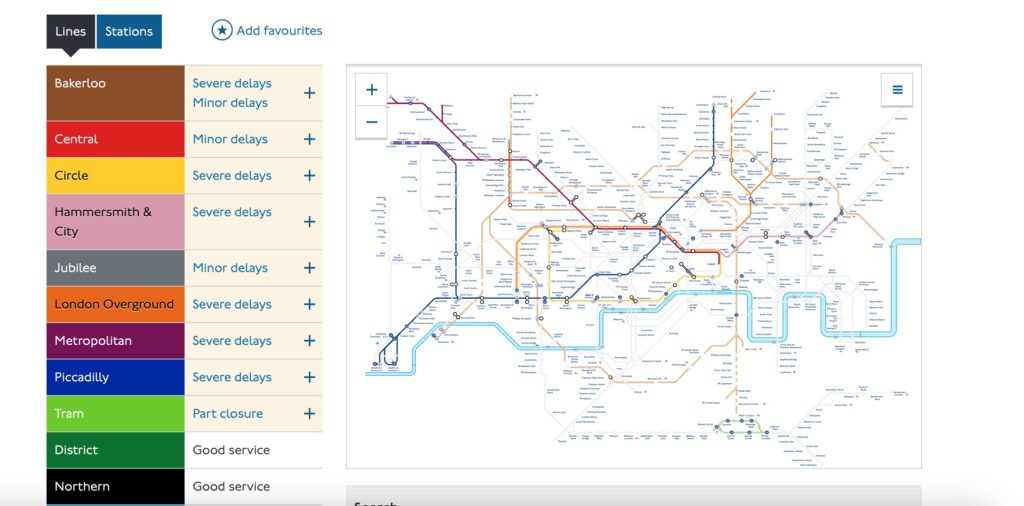
London Underground delays are wreaking havoc for commuters today, particularly with significant impacts on the Metropolitan line, which is already facing service disruptions. As of this morning, services between Moor Park and Watford are greatly delayed due to multiple cancellations, creating a ripple effect along the route. Furthermore, the ripple of issues extends to Uxbridge and Harrow-on-the-Hill, although other sections seem to be operating smoothly. In addition, strike action affecting the Piccadilly line is compounding these travel woes, prompting many to seek alternative routes for their morning commute. For those using the DLR, be aware that disruptions due to a faulty train at Shadwell are causing minor delays, and it’s advisable to stay updated on London transport updates to navigate these challenges effectively.
Today’s travel landscape for London commuters is overshadowed by significant disruptions across the city’s extensive rail network. With the Metropolitan line grappling with multiple train cancellations, travelers are urged to plan accordingly to avoid the chaos. As strike actions intermittently affect the Piccadilly line, commuters are finding themselves questioning the reliability of their usual travel routes. Moreover, minor disturbances on the DLR due to mechanical failures only add to the confusion of the morning rush hour. It’s crucial for everyone relying on these transport services to keep an eye on the latest commuter travel news to stay informed of any changes or improvements.
Current London Underground Delays
This morning, commuters are experiencing significant disruptions on the London Underground, especially affecting the Metropolitan line. Severe delays between Moor Park and Watford have caused quite a ripple effect, leading to train cancellations that are frustrating passengers. As the rush hour peaks, those traveling from Harrow-on-the-Hill and Uxbridge also face minor delays, exacerbating the overall travel chaos. Such disruptions in London’s vibrant transport network highlight the challenges of commuting during peak times.
Passengers on the London Underground are rightly concerned about these delays as they affect not just individuals but the flow of the entire morning commute. The Metropolitan line cancellations, paired with those on the Piccadilly line due to strike action, mean that many are left seeking alternative routes or modes of transportation. With the city’s reliance on the Underground, today’s delays particularly underscore the importance of timely updates and the need for infrastructure reliability.
Impact of Metropolitan Line Cancellations on Commuters
The recent Metropolitan line cancellations have left many commuters in a lurch, relying on real-time updates to navigate their journeys. Such disruptions mean that individuals often seek alternate routes or find themselves squeezed into crowded trains on other lines, further complicating their daily routines. With the anticipation of being late to work or school, these delays are more than just inconveniences; they can affect productivity and overall morale among commuters.
Moreover, while the major delays on the Metropolitan line have been resolved, passengers are advised to remain cautious about potential minor cancellations still affecting services from Harrow-on-the-Hill to Uxbridge. As the city moves toward smoother operations, the hope is for improved communication from transport authorities regarding planned works or emergency issues, ensuring that commuters are always in the loop.
Piccadilly Line Strike Action Overview
The ongoing strike action at the Northfields Depot has introduced minor delays across the entire Piccadilly line, affecting countless commuters who rely on this critical transport route. While delays might appear minor, during peak travel times, even a few minutes can feel significantly longer, impacting connections and overall journey times. Creating a ripple effect, these disruptions have left many passengers adjusting their schedules or finding alternative travel plans.
Strikes in key transport sectors like London’s rail service can be particularly challenging for daily commuters. As the Piccadilly line strikes continue, passengers are encouraged to stay informed about the latest developments and plan their journeys accordingly. Transport updates are crucial during such times, providing vital information that can influence travel choices and help minimize the inconveniences caused by these necessary actions.
DLR Train Disruptions and Their Consequences
The disruptions caused by a faulty train at Shadwell have affected DLR services between Bank/Tower Gateway and Lewisham, Beckton, and Woolwich Arsenal. While the impact may seem localized, it underscores the interconnectedness of London’s transport systems. Passengers often rely on seamless transitions between services, and any delay can disrupt plans significantly, especially for those commuting to work or travel through the busy financial district.
Consequently, transit users are advised to check real-time updates and consider alternative routes as they navigate through these disruptions. Although other lines remain operational, those who regularly use the DLR should anticipate changes to their travel times and be prepared for fluctuations in crowd levels as commuters adjust from the affected services.
Commuter Travel News and Updates
In light of the various cancellations and delays this morning, keeping abreast of timely commuter travel news has become more important than ever for London passengers. Thankfully, platforms such as MyLondon are dedicated to providing the latest updates on incidents impacting Tube and rail travel. Such resources prove indispensable for commuters planning their journeys during disruption.
With developments occurring in real-time, being informed allows commuters to adapt their travel plans swiftly. The reliance on accurate, up-to-date information can significantly reduce uncertainties associated with transport delays, particularly on a system as complex as the London Underground.
Future Considerations for London Transport
Looking ahead, the need for robust contingency plans in response to planned strikes or unexpected disruptions is paramount for London transportation. Transport authorities must ensure that they have strategies to quickly and effectively communicate issues to commuters, reducing the impact of such events. This might include bolstering services on alternative routes or increasing staff to assist passengers during peak disruption times.
Additionally, investing in infrastructural improvements can help mitigate future delays on the Underground and other networks like the DLR. Enhanced reliability not only fosters public trust but also signifies a commitment to continuous improvement in London’s transport ecosystem, catering to the needs of millions who depend on it daily.
Navigating Alternate Routes During Disruptions
When significant delays and cancellations occur, many commuters find it necessary to explore alternate routes to maintain their schedules. This may involve switching to bus services, cycling, or even carpooling with colleagues. Understanding the breadth of available transport options can alleviate some pressures during peak travel times, especially when faced with unreliable Tube services.
Moreover, awareness of alternative transport links enables passengers to stay flexible in their travel arrangements, thereby minimizing the impact of such delays. By actively seeking information about bus routes or tram services, commuters can devise effective strategies to navigate the complexities of London’s transportation system, ensuring that they reach their destinations as smoothly as possible.
Role of Technology in London Travel Updates
Technology plays a crucial role in providing timely updates about the status of London’s transport networks. Mobile apps and online platforms have revolutionized how commuters receive information regarding delays and cancellations. By utilizing these tools, individuals can easily check the live status of their journeys, gaining crucial insights into any disruptions affecting their travel.
Investing in digital infrastructure not only enhances the commuter experience but also fosters an environment of accountability among transport authorities. Increased communication through modern technology can bridge the gap between transport operators and users, ensuring that everyone is equipped with the necessary information to navigate the complexities of delays and route changes efficiently.
Long-term Solutions for Minimizing Transport Delays
As London continues to expand and evolve, long-term solutions aimed at reducing chronic delays on public transport are imperative. This includes not only addressing infrastructure weaknesses but also investing in staff training and better management of strike actions when they arise. By prioritizing these enhancements, the goal should be to create a more reliable and efficient transport experience for all users.
Furthermore, engaging with communities and gathering feedback from daily commuters will be crucial in identifying areas that require improvement. By understanding passenger needs and concerns, transport authorities can implement strategies that truly reflect the demands of London’s diverse commuter population, ultimately aiming to reduce delays and enhance overall satisfaction.
Frequently Asked Questions
What are the current Metropolitan line cancellations affecting London Underground delays?
Commuters are experiencing significant delays on the Metropolitan line due to cancellations, particularly between Moor Park and Watford. Minor delays are also present from Harrow-on-the-Hill and Uxbridge, although most of the line is operating normally.
How is strike action causing delays on the Piccadilly line?
Strike action at the Northfields Depot has resulted in minor delays across the Piccadilly line, affecting London’s underground services. While the situation is not severe, commuters should expect some disruptions to their travel plans.
What disruptions should I expect on the DLR due to London Underground delays?
There are minor disruptions on the DLR caused by a faulty train at Shadwell, impacting services between Bank/Tower Gateway and Lewisham, Beckton, and Woolwich Arsenal. All other DLR lines are running as normal despite these interruptions.
How can I stay updated on London Underground delays and cancellations?
For real-time information on London Underground delays, including the Metropolitan line cancellations and Piccadilly line strike action, keep an eye on official London transport updates. MyLondon offers the latest news and updates to help you plan your journey.
What are the effects of today’s delays on London Underground services for commuters?
Today, commuters are facing delays primarily due to Metropolitan line cancellations and minor disruptions from strike action on the Piccadilly line, in addition to DLR train disruptions. It’s advisable to check for the latest updates and expect longer travel times.
| Line | Status | Causes |
|---|---|---|
| Metropolitan Line | Severe delays | Train cancellations between Moor Park and Watford; minor delays at Harrow-on-the-Hill and Uxbridge. |
| Piccadilly Line | Minor delays | Strike action at Northfields Depot. |
| DLR | Minor delays | Faulty train at Shadwell causing disruptions to services. |
Summary
London Underground delays have been prominently featured today as commuters face significant issues, particularly on the Metropolitan line due to cancellations and ongoing strike action on the Piccadilly line. While the severe delays on the Metropolitan line were resolved by early morning, minor disruptions remain. Other services, including the DLR, have also experienced setbacks due to technical faults. It is advisable for commuters to stay updated on travel conditions to avoid any inconvenience.