
Listen to this article
London art and culture is a vibrant fusion of historical significance and contemporary creativity, making it an irresistible destination for enthusiasts everywhere. The city is home to a plethora of iconic London museums, diverse London galleries, and an unparalleled theatre scene, drawing millions of visitors annually. From captivating London street art that splashes color across urban landscapes to dynamic London cultural events that celebrate diversity, there’s a rich tapestry of experiences waiting to be discovered. Culinary enthusiasts can also indulge in gastronomic delights at various London food festivals that showcase innovative cuisine. As you explore the artistic riches of this metropolis, you’ll find that every corner of London offers something unique to inspire your imagination.
The cultural landscape of London is a remarkable mosaic, characterized by its renowned institutions and creative expressions. This dynamic metropolis boasts a multitude of art spaces, cutting-edge galleries, and an exhilarating theatre district, all contributing to its status as a cultural hub. Beyond traditional forms of art, the thriving street art scene underscores the city’s evolving artistic narrative, while an array of engaging festivals highlights its diverse cultural identity. From culinary adventures that feature global flavors to theatrical performances that captivate audiences, London is a place where every moment is steeped in artistic heritage. In this exploration, we will delve deeper into the various dimensions that constitute London’s captivating art and culture.
London’s Must-Visit Museums
London is home to an impressive array of museums that cater to every conceivable interest, making it a haven for art and culture lovers. The British Museum, with its vast collection of artifacts, provides an unparalleled glimpse into human history and creativity. Each exhibit tells a story, allowing visitors to traverse different cultures and eras in a single day. Museums such as the Victoria and Albert Museum and the Science Museum offer thoughtful insights into design and technology, showcasing the evolution of art and innovation.
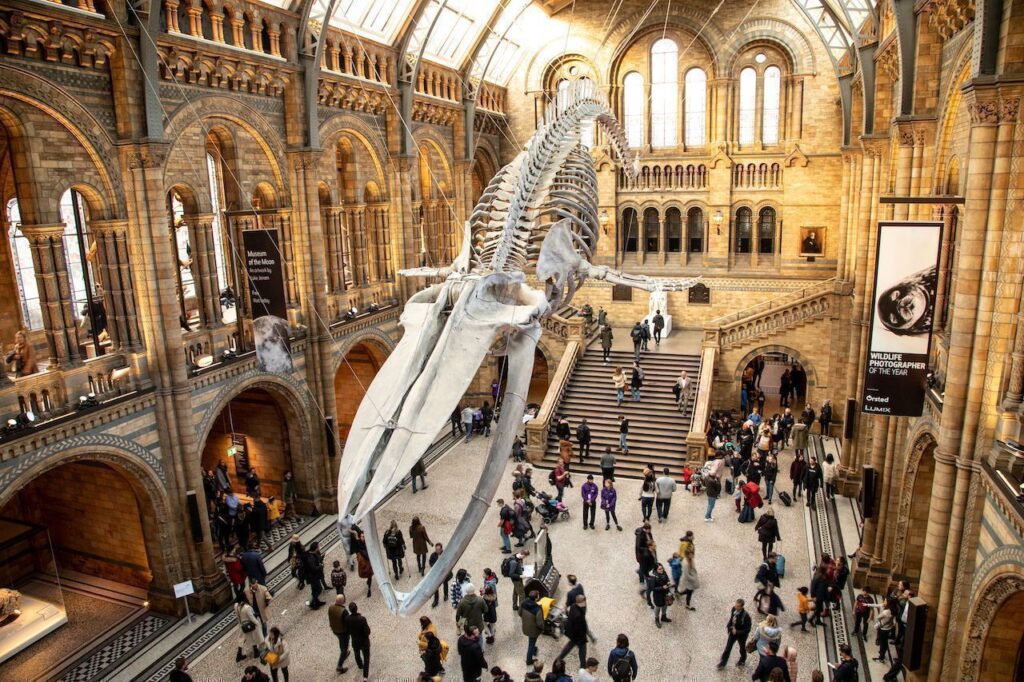
Additionally, the Natural History Museum captivates with its breathtaking exhibits on the evolution of life on Earth, and the Tate Britain houses a significant collection of British art, ensuring that visitors experience a rich tapestry of artistic styles and historical contexts. These museums not only serve as places of learning but also as spaces for community engagement, often hosting events and workshops that connect audiences with the arts in interactive ways.
Exploring London Galleries
The gallery scene in London is dynamic and diverse, featuring both established institutions and emerging spaces dedicated to contemporary art. Major galleries such as the Tate Modern and the National Gallery showcase world-class collections, but the city also boasts a wealth of smaller independent galleries that often exhibit work from local and international artists. Places like the White Cube and the Saatchi Gallery are known for pushing boundaries and introducing innovative exhibitions that challenge traditional perceptions of art.
Moreover, art walks and gallery tours are becoming increasingly popular, allowing attendees to familiarize themselves with the latest shows and interact with artists and curators. This environment fosters a sense of community among art enthusiasts and provides a platform for dialogue around important cultural issues.
The Impact of London Theatre
London’s West End is synonymous with theatre, offering an unrivaled selection of performances that cater to audiences of all ages and tastes. Musicals and plays run the gamut from classic interpretations of Shakespearean works to contemporary productions that innovate traditional narratives. The accessibility of theatre in London is evident, with options ranging from large-scale shows to intimate fringe performances that feature emerging talent.
The contribution of institutions like the Royal National Theatre and the Old Vic cannot be overstated, as they continue to produce groundbreaking work that resonates with both local and international audiences. Theatre in London is not just entertainment; it’s a vital form of cultural expression that reflects current societal themes and challenges the status quo.
Vibrant Street Art Scene
London’s streets are an open-air gallery, where vibrant murals, graffiti, and installations engage passersby in a silent dialogue about socio-political issues and urban identity. Areas like Shoreditch and Brick Lane are renowned for their eclectic street art, showcasing works from both established and burgeoning artists. Pieces by famed artists such as Banksy have transformed public spaces into canvases that provoke thought and discussion.
Additionally, the city hosts street art festivals and guided tours that celebrate this unique form of artistic expression, empowering communities to take ownership of their surroundings. The accessibility of street art means that creativity is no longer confined to galleries; it permeates everyday life, influencing everything from fashion to design.
Cultural Events and Festivals in London
London’s cultural calendar is jam-packed with events that celebrate the arts in all forms. Landmark events like the London Design Festival, Frieze Art Fair, and the Notting Hill Carnival highlight the city’s commitment to fostering creativity. These festivals illuminate the richness of London’s cultural scene, presenting an opportunity for artists to showcase their work while also engaging the public in creative dialogue.
Moreover, these events often incorporate international talents and ideas, creating a cross-cultural exchange that enhances the city’s global standing. The dynamic nature of these festivals allows for an ongoing exploration of contemporary issues through the lens of art, making London a vital hub for innovative thought.
The Melting Pot of Cultures
With London boasting over 300 languages spoken, it truly is a global city where various cultures coexist and thrive. This diversity enriches the arts sector, leading to a vibrant fusion of artistic expressions. From the performances at the Southbank Centre to the exhibits at the British Library, the cultural offerings reflect the multifaceted nature of its citizens.
Cultural events often celebrate this diversity, with festivals that spotlight food, music, and art from different communities. This dynamic interplay of traditions creates a unique atmosphere that not only attracts visitors but also encourages locals to appreciate the richness of their surroundings.
Culinary Arts as an Extension of Culture
Food in London is a cultural experience that transcends mere sustenance. The city’s dining scene range from Michelin-starred restaurants to vibrant street food markets, offering flavors from every corner of the globe. Food festivals like Taste of London attract culinary enthusiasts, showcasing innovative dishes that combine tradition with creativity.
The blending of different cuisines mirrors London’s cultural diversity, where traditional recipes meet contemporary techniques. The culinary innovations experienced at London food festivals highlight the city’s status as a culinary capital, drawing food lovers to savor unique gastronomic experiences.
The Role of Art in Urban Spaces
Public art plays a significant role in shaping London’s urban landscape, making art accessible to everyone. Installations such as the Fourth Plinth invite reflection and engagement from the community, showcasing contemporary works that challenge conventional artistic narratives. In addition, parks and public squares often feature sculptures and site-specific art that add character to the environment, enhancing users’ experiences.
Art in public spaces also acts as a catalyst for dialogue among community members, prompting discussions about identity, history, and future aspirations. The integration of art into everyday life highlights London’s commitment to fostering a creative atmosphere where arts and civic engagement intersect.
The Future of London’s Art and Cultural Scene
Looking ahead, London’s art and cultural scene shows no signs of slowing down. New galleries, initiatives, and urban art projects continue to emerge, reflecting the evolving tastes and influences of contemporary society. The city’s commitment to supporting both established artists and new talent fosters an environment ripe with opportunity for creative exploration.
Moreover, as technology and social media influence how art is consumed and shared, London is positioned to be at the forefront of innovation in the creative industries. With its dynamic cultural landscape, London promises to remain a destination that celebrates artistic expression while embracing the future of culture.
Frequently Asked Questions
What are the most famous London museums to visit for art and culture enthusiasts?
Some of the most famous London museums include the British Museum, the Tate Modern, and the National Gallery. These institutions house vast collections of art and cultural artifacts, making them must-visit locations for anyone passionate about London art and culture.
How can tourists experience London street art?
Visitors can explore London street art by taking guided tours in areas like Shoreditch and Camden. These neighborhoods showcase vibrant murals and installations by renowned artists such as Banksy, providing a glimpse into London’s dynamic street art scene.
What cultural events in London are worth attending?
London hosts numerous cultural events throughout the year, including the London Design Festival, Frieze Art Fair, and Notting Hill Carnival. These events highlight local and international artists, making them essential experiences for art and culture lovers.
Which London galleries should art enthusiasts prioritize?
Art enthusiasts should prioritize visiting key London galleries such as the Tate Modern for contemporary art, the National Gallery for classic masterpieces, and the Saatchi Gallery for innovative exhibitions of modern art.
What is the significance of London’s theatre scene?
The London theatre scene, particularly in the West End, is significant due to its rich variety of productions, ranging from classic plays to contemporary musicals. Shows like The Lion King and Hamilton attract global audiences, reinforcing London’s status as a cultural hub.
Are there any food festivals in London that celebrate culinary arts?
Yes, London hosts several food festivals such as Taste of London and the London Food Month, which celebrate culinary arts by showcasing diverse cuisines and innovative culinary ideas from local chefs and food vendors.
How does London’s cultural diversity reflect in its arts scene?
London’s cultural diversity is reflected in its arts scene through a wide range of artistic expressions, performances, and festivals that incorporate various cultural traditions and languages, enriching the overall cultural landscape of the city.
What types of public art installations can be found in London?
Public art installations in London include rotating exhibitions at The Fourth Plinth in Trafalgar Square, sculptures in parks, and interactive installations throughout the city that engage the public and invite participation.
How does the Royal Shakespeare Company contribute to London’s performing arts?
The Royal Shakespeare Company enhances London’s performing arts by presenting classic and contemporary plays, fostering a love for theater through educational programs, and attracting audiences to the city’s vibrant arts culture.
Why is the British Museum considered a crucial destination for art and culture in London?
The British Museum is crucial for art and culture in London because it houses over eight million works reflecting the history of humanity, making it a pivotal place for understanding global artistic and cultural heritage.
| Aspect | Details |
|---|---|
| World-Class Galleries | Home to the British Museum, Tate Modern, and The National Gallery, showcasing diverse art collections. |
| Theatre and Performing Arts | The West End offers prestigious productions, while the Royal Shakespeare Company and National Theatre present classics and contemporary works. |
| Street Art | Areas like Shoreditch feature vibrant murals and institutional public art installations. |
| Festivals | Events like the London Design Festival and Notting Hill Carnival celebrate art and cultural diversity. |
| Cultural Diversity | With over 300 languages, London offers a rich tapestry of cultural expressions in arts and traditions. |
| Culinary Arts | From gourmet restaurants to street food, London’s culinary scene is a reflection of its cultural diversity. |
Summary
London art and culture is a dynamic and multifaceted experience that captivates enthusiasts from across the globe. The city’s unparalleled art scene, encompassing world-renowned galleries like the British Museum and vibrant street art in Shoreditch, illustrates the richness of both its historical and contemporary artistic expressions. Moreover, London’s theatre scene, particularly in the West End, showcases a variety of performances that inspire and entertain millions. As a melting pot of cultures, London also hosts a plethora of festivals that celebrate creativity in all its forms, and its diverse culinary offerings further elevate its artistic landscape. With endless opportunities to explore and appreciate art and culture, London remains an essential destination for those seeking inspiration and enrichment.