
Listen to this article
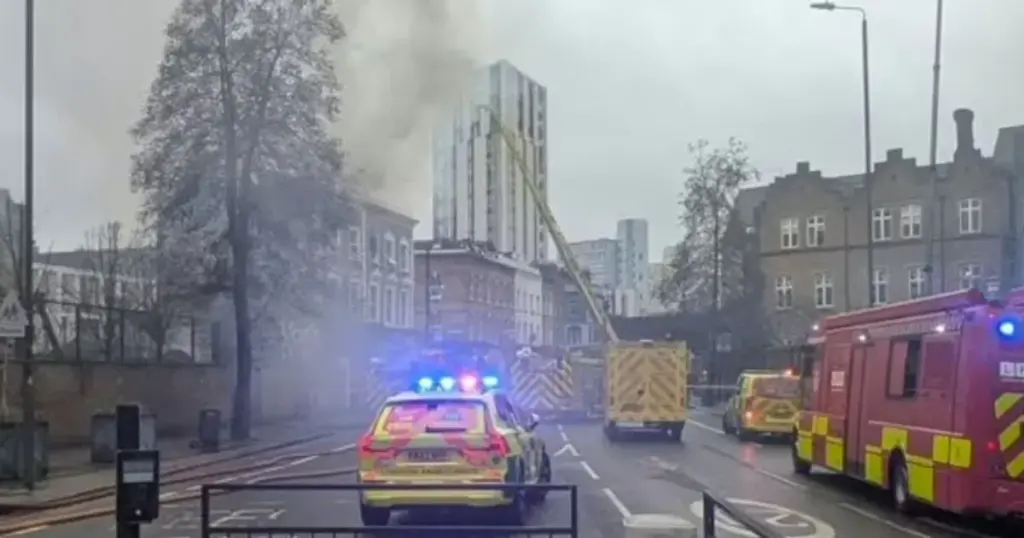
On February 15, a significant incident unfolded in Battersea when a fire broke out on Battersea Park Road, captivating local residents and fire safety services alike. Around 60 firefighters and eight fire engines swiftly responded to the emergency call, showcasing their dedication and prompt action in tackling the flames. Eyewitness footage captured the intense scene, revealing the firefighting crews diligently spraying water into a top-floor flat and deploying a 32-meter turntable ladder. Thankfully, there have been no reports of injuries, and the fire was brought under control by 3:55 PM, pending further investigation into its causes. Keep updated with the latest fire safety updates in London to understand the implications of such incidents in our communities.
The recent blaze in Battersea, known locally as the Battersea fire incident, highlighted the efficient response from emergency services in the area. Firefighters in Battersea battled the flames in a residential building, demonstrating their commitment to public safety amidst the chaos. With traffic disruptions affecting residents and bus routes, the firefighters’ timely arrival was crucial in preventing further damage. This event not only underscores the importance of fire safety measures in London but also reminds us of the relentless efforts made by our emergency responders during critical situations.
The Impact of the Battersea Fire on Local Traffic
The recent Battersea fire on Battersea Park Road has had significant repercussions on local traffic dynamics. With eight fire engines and around 60 firefighters responding to the blaze, key intersections were closed off to facilitate emergency operations. Roads between Queenstown Road and Havelock Terrace were particularly affected, resulting in congestion and delays for many motorists. Drivers have been advised to find alternative routes, and some public transport, including buses 156, 344, and 436, were diverted, compounding the challenges faced by commuters in South London.
In addition to the immediate response, the fire incident highlights ongoing concerns about fire safety in busy urban areas like Battersea. Traffic disruptions during emergencies can hinder not just local transport but also the quick response of firefighters to other potential incidents. As this event illustrates, ensuring efficient access and evacuation routes is essential for not only fire safety updates in London but also enhancing public safety in times of crisis.
Firefighters’ Response to the Battersea Incident
The firefighting response to the Battersea incident showcases the extensive preparation and teamwork required during emergency operations. Upon receiving the first call at around 2:28 PM, London Fire Brigade swiftly dispatched eight fire engines, emphasizing the urgency of the situation. Firefighters were seen employing advanced equipment, including a 32-meter turntable ladder for high-rise rescues, which effectively reached the top-floor flat engulfed in flames. The deployment of oxygen tanks and rigorous water spraying effectively quelled the fire, demonstrating the commitment and efficiency of the firefighters on site.
Understanding the intricacies of such responses is critical for community safety. As firefighters navigate through smoke and flame, their training is put to the test against unpredictable circumstances. The Battersea fire not only highlights the bravery of individuals combating hazardous situations but also reinforces the importance of public awareness regarding fire safety. Residents are encouraged to stay informed, particularly about how to respond during emergencies, as this enhances community resilience and supports the heroic efforts of firefighters during incidents like those witnessed on Battersea Park Road.
Fire Safety Updates for London Residents
Following the recent Battersea fire, residents across London are reminded of the importance of understanding fire safety protocols. The incident, which involved rapid deployment of fire engines and personnel, emphasizes the need for households to develop their fire escape plans. Local authorities often provide regular fire safety updates, which can aid residents in preparing for potential emergencies. Simple measures such as ensuring smoke detectors are functional and fire exits are accessible can save lives, reflecting the broader importance of personal responsibility in fire safety.
Moreover, engaging with local fire safety resources can enhance community-wide safety. London Fire Brigade regularly conducts outreach initiatives, educating the public about fire hazards and prevention tips. In light of events similar to the Battersea fire, community awareness can create a proactive approach to safety, allowing residents to avoid potential risks. Keeping abreast of fire safety updates in London not only fosters individual well-being but also strengthens neighborhood safety as a whole.
The Aftermath of the Battersea Park Road Incident
The aftermath of the fire on Battersea Park Road brings with it various considerations for residents and local businesses alike. With the fire under control by 3:55 PM, the focus now shifts to investigating the cause and assessing damage. Reports indicate that two flats on the second floor were affected, but fortunately, there were no injuries. Still, the emotional toll on residents witnessing such incidents cannot be overlooked, prompting discussions on community support mechanisms.
Local businesses may also feel the impact of the fire indirectly. Traffic disruptions can lead to a decline in foot traffic, affecting revenue for those in the vicinity of the blaze. This situation serves as a reminder for local stakeholders to work closely with emergency services and city planners to mitigate the impact of such emergencies in the future. As investigations continue, the community is encouraged to stay vigilant and informed about developments following the Battersea incident.
Why Fire Safety Is Crucial for Urban Areas Like Battersea
Fire safety is a paramount concern for urban neighborhoods such as Battersea, where high-density living increases the risk factors associated with potential fires. Densely populated residential buildings can escalate the speed with which a fire spreads, necessitating efficient and rapid responses from fire crews. Therefore, communities must prioritize understanding fire safety measures tailored to urban environments, including fire drills, educating residents on emergency procedures, and ensuring that shared spaces are kept clear of flammable materials.
Moreover, fostering awareness of common causes of urban fires, such as cooking mishaps or electrical malfunctions, is crucial for prevention. Local authorities and fire safety organizations often collaborate to conduct workshops and distribute fire safety materials. Emphasizing these initiatives not only equips residents with the necessary knowledge but also fosters a culture of vigilance and preparedness. By prioritizing fire safety, communities like Battersea can significantly mitigate risks and enhance overall resilience against fire hazards.
How the Battersea Fire Affects Local Emergency Services Policies
The Battersea fire incident contributes significantly to ongoing discussions regarding local emergency services policies and resource allocation. Each fire event provides a case study that sheds light on the effectiveness of current response strategies and infrastructure. Lessons learned from such incidents can prompt significant changes in how resources, like fire engines and personnel, are allocated to high-risk areas. Local authorities may need to reevaluate policies to ensure that adequate resources are available for swift responses to emergencies in high-density neighborhoods.
Additionally, enhancing collaboration between different emergency services, such as police and ambulance services, could optimize the response to complex incidents like the one on Battersea Park Road. Integrated emergency response plans allow for a coordinated approach that leverages the strengths of various agencies, ultimately ensuring the safety and well-being of citizens. As the investigation into the Battersea fire unfolds, it will likely inform future adjustments to local emergency service protocols.
Community Response to the Battersea Fire Incident
The response from the local community following the Battersea fire has been inspiring and highlights the importance of solidarity during crisis situations. Many residents came out to provide support to emergency responders and assist those affected by the fire. Initiatives to connect neighbors and ensure that anyone displaced by the incident receives food and shelter showcase the caring nature of the Battersea community. This collaborative spirit not only aids in immediate recovery efforts but also strengthens community bonds.
Moreover, community-led forums are emerging, focusing on discussing experiences and strategies for improving fire safety. Encouraging conversations about personal safety measures can help empower residents to take active roles in fire prevention. By sharing insights and lessons learned from incidents like the Battersea fire, community members can collectively enhance their preparedness for future emergencies, fostering a culture of vigilance and proactive engagement.
A Look at the Future of Fire Safety in Battersea
In the wake of the battersea fire incident, it becomes essential to reflect on the future of fire safety in urban areas such as Battersea. With ongoing developments in fire safety technology and community awareness initiatives, there is an opportunity to enhance preparedness measures. Advances in fire detection and suppression systems, tailored specifically for densely populated buildings, can significantly reduce the risk and impact of such emergencies. Furthermore, continuous education for residents on the importance of fire safety practices can bolster community resilience.
Additionally, local authorities might consider investing more in fire safety infrastructure and support services. Public consultation forums can provide platforms for community members to voice their concerns and suggestions on fire safety policies. Together, these efforts can shape a safer environment for families and businesses in Battersea, ultimately preventing tragedies like that seen on Battersea Park Road.
Understanding the Battersea Fire Cause Investigations
Understanding the cause of the recent Battersea fire is crucial not only for addressing the specific incident but also for preventing future occurrences. Investigators are tasked with piecing together evidence to determine how the fire began and what led to its rapid spread. This process may include inspecting the building’s wiring, appliances, and even interviewing residents to gather eyewitness accounts. The insights gained from the investigation can inform fire safety educating efforts and influence policies for building regulations in the locality.
Moreover, the outcomes of such investigations can lead to community-wide discussions about fire safety measures. Residents may become more engaged in learning about fire hazards and how to mitigate them in shared living environments. Fire safety updates published as a result of investigations can help improve local preparedness and response strategies, ultimately fostering a safer atmosphere in urban areas like Battersea.
Frequently Asked Questions
What happened during the Battersea fire incident on Battersea Park Road?
On Sunday, February 15, a significant fire broke out in a three-storey building on Battersea Park Road in Battersea, South London. Approximately 60 firefighters and eight fire engines responded to the scene. Fire crews worked to control the blaze, which affected two flats and parts of the roof. The incident caused traffic disruptions as Battersea Park Road was closed between Queenstown Road and Havelock Terrace.
Were there any injuries reported from the Battersea fire?
As of now, there have been no reported injuries resulting from the Battersea fire incident on Battersea Park Road. Firefighters effectively controlled the situation to prevent any harm to residents or emergency personnel.
What is the status of the fire safety updates in relation to the Battersea fire?
Following the Battersea fire on February 15, fire safety updates are being closely monitored as the cause of the incident is still under investigation. Residents are advised to stay informed through local safety announcements and updates regarding fire safety measures and precautions.
How did firefighters respond to the Battersea fire?
Firefighters responded quickly to the Battersea fire, arriving on the scene around 2:28 PM with eight fire engines. They utilized hoses to spray water into the top-floor flat and deployed a 32-meter turntable ladder for effective firefighting measures. The fire was brought under control by 3:55 PM.
What should residents do during the Battersea fire incident?
During the Battersea fire on Battersea Park Road, residents were advised to keep doors and windows closed to prevent smoke from entering their homes. Additionally, it was recommended to avoid the area due to significant traffic disruptions caused by the emergency response.
Which London buses were affected by the Battersea fire?
Bus routes 156, 344, and 436 were diverted due to the Battersea fire on Battersea Park Road. Passengers might need to use the Transport for London (TfL) journey planner tool to find alternative routes during the ongoing incident.
What can the public do to stay updated about the Battersea fire?
To stay updated on the Battersea fire, the public can follow local news coverage and check official sources like MyLondon for real-time updates and fire safety information related to the incident on Battersea Park Road.
Is there any news regarding the cause of the Battersea fire?
Currently, the cause of the Battersea fire on Battersea Park Road is under investigation. Fire authorities are working to determine what led to the blaze, and updates will be provided as more information becomes available.
| Key Point | Details |
|---|---|
| Fire Incident | A building caught fire on Battersea Park Road on February 15. |
| Emergency Response | Eight fire engines and about 60 firefighters were deployed to combat the blaze. |
| Fire Control | The fire was under control by 3:55 PM, impacting two flats on the second floor. |
| Traffic Disruption | Battersea Park Road was closed causing significant traffic diversions for buses 156, 344, and 436. |
| Resident Safety | Residents were advised to keep windows and doors closed due to smoke dispersion. |
| Investigation Status | The cause of the fire is currently under investigation. |
Summary
The Battersea fire incident on February 15 was a significant event that saw a rapid response from the emergency services, including eight fire engines and 60 firefighters. Fortunately, the fire was brought under control within hours, and there were no injuries reported. The incident caused considerable traffic disruptions in the area, prompting advice for residents to stay indoors due to smoke. While the fire’s cause remains unclear and under investigation, the commendable efforts of the firefighters ensured the safety of all involved.