Listen to this article
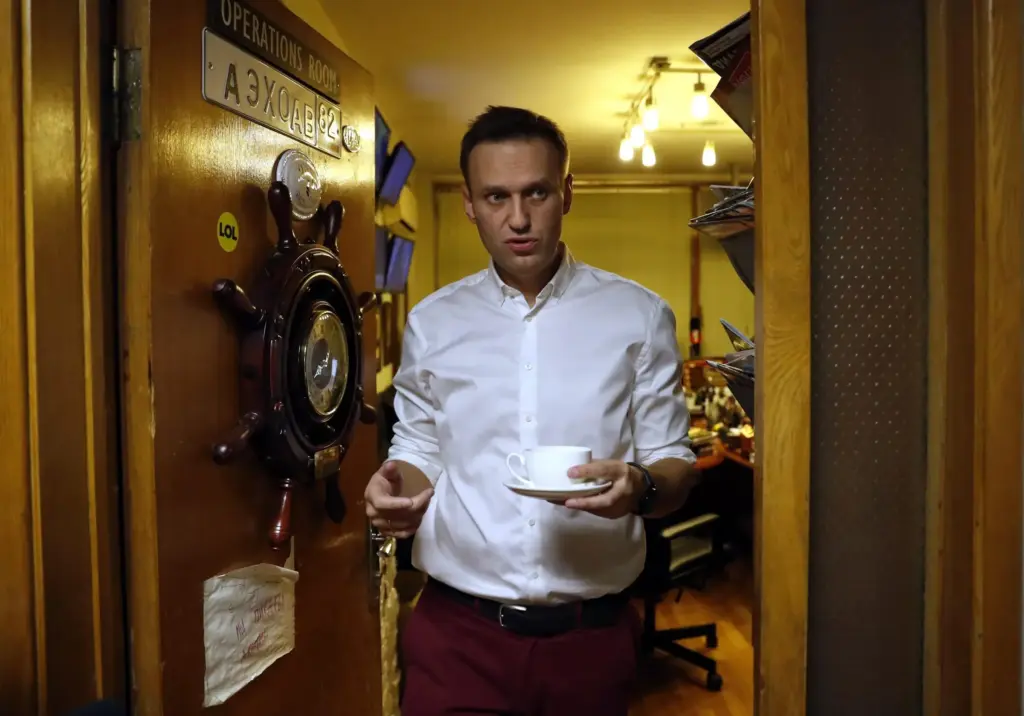
In the wake of the shocking revelations surrounding Navalny frog poisoning, the international community is waking up to the dangers posed by Russia’s actions. Following the recent confirmation that Alexei Navalny, a prominent critic of President Vladimir Putin, was killed by an obscure toxin linked to Ecuadorian dart frogs, calls for action are intensifying. UK Foreign Secretary Yvette Cooper stated that this incident represents a grave breach of international chemical weapons conventions, demanding a unified European response to Russia’s aggression. The implications of Navalny’s death, and the broader question of accountability, underscore the necessity for coordinated sanctions against the Russian regime. As the situation unfolds, it becomes increasingly clear that the global stand against such atrocities is crucial to preserve democratic values and human rights.
The case of Alexei Navalny’s untimely demise from a rare poison linked to amphibious toxins has brought new urgency to discussions around Kremlin accountability. Designated by many as a political assassination, this incident has highlighted the chilling reality of state-sponsored violence against dissenters. As nations grapple with allegations of chemical warfare in relation to Navalny’s death, the discourse surrounding Russia sanctions and the European response intensifies. Statements from officials draw attention to the broader implications of using such weapons, raising alarms about future threats to regional stability. The need to address these human rights violations has never been more critical, as the world collectively seeks justice for Navalny and a resolution to the ongoing crisis.
The Allegations Surrounding Navalny’s Frog Poisoning
The case of Alexei Navalny’s death is shrouded in controversy and serious allegations against the Russian government. His sudden demise in a Siberian prison, labelled as a political prisoner, raises significant concerns about the methods used by the Kremlin to silence dissent. Reports have now surfaced, backed by European laboratory findings, that suggest Navalny was poisoned with a substance derived from Ecuadorian dart frogs—a toxin exclusively within the means of the Russian state. The significance of this discovery cannot be overstated; it represents not only a personal tragedy but also a breach of international humanitarian laws, specifically concerning the use of chemical weapons.
The implications of Navalny’s poisoning extend beyond just his individual story; they reveal a troubling pattern of Russian aggression against its own citizens and widespread disregard for human rights. As Foreign Secretary Yvette Cooper has pointed out, the use of lethal toxins by the state signifies a dire threat that must be met with robust European unity and a careful consideration of sanctions. What many analysts recognize as a systematic approach to eliminating dissenters through chemical means points toward a beleaguered European response to Russia’s acts, highlighting the necessity for international action and vigilance.
The UK’s Stance on Sanctions Against Russia
Following the confirmed evidence regarding Navalny’s poisoning, the UK government, led by Yvette Cooper, is advocating for enhanced sanctions against Russia. The objective is to unite European partners in a concerted response that not only holds the Kremlin accountable for brutal actions against its citizens but also deters future aggression. There is an increasing consensus among UK lawmakers that only through coordinated actions can they exert pressure on the Russian regime. This includes a reassessment of current sanctions to ensure they effectively hinder any support for the oppressive political climate in Russia.
Moreover, the continued call for sanctions is fueled by a broader context—Russia’s ongoing aggression beyond its borders. The war in Ukraine has shown the urgency of substantial international pressure on the Russian state. Cooper emphasizes that the UK sees a crucial link between tackling issues like Navalny’s death and the larger geopolitical landscape. A unified European response is essential, as piecemeal actions would only embolden the Kremlin. This stance is increasingly shared across party lines, indicating that the British government is prepared to escalate measures, including potentially expanding the scope of sanctions to specific individuals and entities.
The Role of International Organizations in the Navalny Investigation
In light of the evidence presented regarding Alexei Navalny’s death, the involvement of international organizations such as the Organisation for the Prohibition of Chemical Weapons (OPCW) has become imperative. According to Yvette Cooper, a formal report has been submitted to the OPCW as a critical step in addressing the violation of chemical weapon conventions. This action underscores the importance of international scrutiny when states act outside the boundaries of established norms. The cooperative framework provided by the OPCW allows for a collective response that can enhance accountability for actions taken by governments against their own citizens.
Additionally, the engagement of international bodies reflects a broader commitment to uphold human rights and fight against state-sponsored violence. As the situation develops, the OPCW’s findings could serve as a pivotal foundation for further international sanctions or legal actions against those implicated in Navalny’s poisoning. The call for justice, as articulated by Cooper and echoed by other European leaders, is meant to serve both as a tribute to Navalny’s legacy and a deterrent against future acts of aggression by the Kremlin. Notably, the synergy between local advocacy and international enforcement could catalyze the needed reforms within Russia.
Political Reactions to Navalny’s Death in the UK
Political leaders across the UK have expressed a unified stance concerning the implications of Navalny’s poisoning. Following his death, there was an immediate outcry from various governmental factions, with calls for greater accountability from the Kremlin. Shadow Foreign Secretary Dame Priti Patel highlighted the need for decisive actions, including reinforcing sanctions and addressing financial pathways that sustain the Russian state. The sentiment is clear: the UK must not only condemn Russia’s actions verbally but must also take tangible steps to stifle any forms of support for the regime.
The political calculus surrounding Navalny’s death continues to resonate within parliament. Proposals have emerged advocating for more stringent regulations on Russian entities operating within the UK, ensuring that restrictive measures match the severity of the allegations against Moscow. The cross-party consensus on the necessity to challenge Russian aggression indicates a shift in UK foreign policy thinking. How this translates into action—be it through additional sanctions or fostering international coalitions—will be critical in shaping future diplomatic relations with Russia.
The Broader Implications of Chemical Warfare
The use of chemical weapons, such as the frog toxin implicated in Navalny’s death, has far-reaching implications for international security and humanitarian standards. As Yvette Cooper articulated, such breaches pose significant threats not only to individuals like Navalny but also to the rule of law and the principles governing warfare globally. Engaging in dialogue about these weapons is vital; it raises awareness of the ongoing risks that states like Russia present when they flout international norms regarding lethal substances.
Furthermore, the implications of using chemical agents extend into diplomatic arenas, where there’s an urgent need for nations to reaffirm their commitments to international laws and human rights. The ramifications of an unchecked chemical weapons program cannot be overstated—failure to act against such violations risks normalizing aggressive tactics that could proliferate beyond Russia’s borders. By engaging both sides of the debate, including those advocating for stringent sanctions and those pushing for diplomatic outreach, we can work toward a comprehensive strategy to counter these threats.
Navalny’s Legacy and Support for Democracy in Russia
The tragic story of Alexei Navalny transcends personal loss; it has become a rallying point for democracy advocates within Russia and across the globe. In her statements, Yvette Cooper emphasized the need to continue fighting for the principles Navalny stood for, including transparency and accountability in governance. His legacy challenges the world to confront authoritarianism squarely—the fundamental question raised is how democratic nations react to threats against their own ideals, such as those posed by the Kremlin.
Supporters of Navalny argue that his struggle symbolizes the fight against oppression in Russia, making it essential for global leaders to pursue not only sanctions but also initiatives supporting democratic reforms. The unified call for action serves to inspire a new generation of activists who draw strength from Navalny’s courage. The continuing discussion in UK political spheres regarding his death and its manipulation by the Russian state reflects the urgency for sustained international pressure to realize a future where voices for democracy are not silenced.
The Narrative of State Denial and Deception
In the aftermath of Navalny’s death, the narrative coming from the Russian government consists of steadfast denials and accusations of Western hypocrisy. The Russian embassy in London dismissed the allegations of foul play as mere fabrications. This tactic of denial is an extension of a larger strategy employed by the Kremlin to obfuscate their involvement in state-sponsored violence. The rhetorical defenses are not merely about Navalny but also reflect Russia’s broader approach to handling dissent and international criticism.
The implications of Russia’s stance mean that the dialogue surrounding Navalny’s poisoning will continue to be fraught, emphasizing the need for robust responses from the international community. This ongoing narrative showcases a significant challenge for countries advocating human rights, as they must not only counter the Kremlin’s strategies of deception but also galvanize support for accountability. The consistency in state denial from Moscow exacerbates tensions and underlines the necessity for a determined and unified front among European allies.
International Cooperation Against Aggression
In the wake of Navalny’s death, the call for international cooperation has grown louder. Leaders like Yvette Cooper are emphasizing the need for a coordinated approach to confronting Russian tactics that undermine democratic values. By aligning policies across Europe and working with allies, the UK and its partners aim to foster a more resilient response to state-sponsored aggression. This alignment is crucial as it establishes a clearer deterrent against potential future offenses by the Russian regime.
The effectiveness of this cooperation hinges on the ability of European nations to present a united front against abuses. This collective effort involves not just punitive measures but also proactive support for activists and organizations promoting human rights within Russia. The interplay between sanctions, diplomatic pressure, and grassroots support illustrates a multifaceted strategy meant to dissuade the Kremlin from further acts of violence against dissenters. Ultimately, the international community’s response could set a precedent for how coordinated efforts can impact not just Russia, but other nations that might contemplate similar actions.
Frequently Asked Questions
What evidence supports the claim that Navyalny was poisoned with frog toxin?
Evidence indicating that Alexei Navalny was poisoned with a toxin derived from Ecuadorian dart frogs has been confirmed by European labs. Multiple tests conducted by five countries revealed that the substance responsible for his death was sourced from this specific frog’s toxin, highlighting the unusual nature and origin of the poison.
How does the Navalny frog poisoning incident relate to Russia sanctions?
The Navalny frog poisoning incident has escalated calls for continued and increased sanctions against Russia. UK Foreign Secretary Yvette Cooper stated that the use of such poison constitutes a clear breach of international chemical weapons regulations, prompting discussions on coordinated sanctions by European allies in response to this violation.
What actions has the UK proposed in response to the Navalny death investigation?
In response to the Navalny death investigation, the UK has proposed taking actions including increasing coordinated sanctions on Russia. Yvette Cooper emphasized the need to hold the Russian regime accountable and strengthen partnerships with European allies to enhance pressure on Russia following Navalny’s suspicious death.
What statements have been made by Yvette Cooper regarding Navalny’s poisoning and its implications for Europe?
Yvette Cooper has stated that the evidence of Navalny’s poisoning demonstrates Russia’s aggressiveness and the need for Europe to prepare for ongoing threats. She described the use of lethal toxins against citizens as indicative of the grave danger posed by the Russian regime, urging unity among European nations in addressing these issues.
What is the European response to the chemical weapons breach linked to Navalny’s death?
The European response to the chemical weapons breach linked to Navalny’s death includes submitting a report to the Organisation for the Prohibition of Chemical Weapons. European ministers have voiced the necessity of pursuing accountability for this violation and considering further coordinated sanctions against Russia.
How has the Russian government reacted to the allegations surrounding Navalny’s poisoning?
The Russian government has categorically denied involvement in Navalny’s death, dismissing the claims as Western fabrication and propaganda. The Russian embassy in London has called the allegations absurd, challenging the credibility of Western experts who linked the poisoning to a rare toxin from frogs.
| Key Point | Details |
|---|---|
| UK’s Call for Action | The UK, represented by Foreign Secretary Yvette Cooper, insists on action against Russia for the alleged assassination of Alexei Navalny with frog poison. |
| Evidence of Poisoning | European labs confirmed Navalny’s death was due to a rare toxin derived from Ecuadorian dart frogs, which the Russian government had the ability to use. |
| International Chemical Weapons Rules | Cooper described the evidence as a clear breach of international chemical weapons rules, supporting the need for coordinated sanctions on Russia. |
| Support for Navalny’s Legacy | Cooper emphasized continuing Navalny’s mission to expose the truth about the Putin regime and promote accountability for his death against a backdrop of Russian aggression. |
| Russian Government’s Denial | The Russian embassy denied involvement and characterized UK’s accusations as ‘necro-propaganda,’ rejecting claims about the poison. |
| Calls for Direct Action | Shadow Foreign Secretary Dame Priti Patel urged increased sanctions and direct actions against the Russian regime to combat financial support for its actions. |
Summary
Navalny frog poisoning highlights the urgent need for accountability regarding Russia’s actions. UK Foreign Secretary Yvette Cooper has called for international response to the recent confirmed evidence of Alexei Navalny’s death being a result of this horrifying act. Navalny’s case underscores the threat posed by such state-sponsored aggression and the need for coordinated action among European allies to uphold international safety standards and justice.