Listen to this article
The Gorton and Denton by-election is shaping up to be a pivotal moment in Manchester’s political landscape as Labour faces significant challenges. Following the resignation of MP Andrew Gwynne, who stepped down after controversial messages came to light, the seat once firmly in Labour’s grip is now fiercely contested. Local councillor Angeliki Stogia will represent the party, campaigning against formidable opponents, including Matt Goodwin from Reform UK and Green candidate Hannah Spencer. As the election candidates Gorton and Denton rally their supporters, the stakes are high not just for Labour, but for the future trajectory of the region. With the by-election taking place amid heightened tensions and shifting voter sentiments, it’s become a crucial barometer for the Labour Party’s fate leading into the broader political contests of 2024.
In the spotlight of Manchester’s upcoming electoral event, the contest for the Gorton Denton seat brings a mix of local and national political dynamics into play. This by-election reflects the shifting allegiances and priorities within the electorate, as the Labour Party grapples with internal strife and external pressures. The candidates vying for this crucial position face not only the challenge of winning over constituents but also of navigating the broader implications of their campaigns amidst growing dissatisfaction. With rising concerns over community issues and national political narratives, the ongoing Labour Party challenges in this region underscore the significance of the by-election in shaping future governance. As candidates lay out their visions, voters are poised to make a decisive statement about the political direction of Manchester.
Overview of the Gorton and Denton By-Election Campaign
The Gorton and Denton by-election is capturing significant attention as campaigning intensifies. Situated in the southeast corner of Greater Manchester, this seat became a focal point after Labour MP Andrew Gwynne resigned following the emergence of controversial text messages. With the current political climate heavily impacting Labour’s standing, Sir Keir Starmer’s party is finding itself in a precarious position, particularly in regions where they previously enjoyed strong support. As canvassing efforts ramp up, the outcome of this by-election has the potential to reshape future political strategies for the Labour Party, especially as the May elections loom on the horizon.
Local councillor Angeliki Stogia has been selected as Labour’s candidate for the Gorton and Denton constituency. With roots in Greece and a strong desire to address local issues, Stogia embodies a grassroots approach to campaigning. She is advocating for unity against what she terms the “division” posed by rival parties. However, the challenges of this by-election are immense; Stogia needs to engage a diverse electorate, many of whom are disillusioned with traditional party politics. The dynamics at play here reflect the shifting landscape of Manchester’s political arena.
Candidates in the Gorton and Denton By-Election
The upcoming Gorton and Denton by-election features a range of candidates, each bringing unique backgrounds and perspectives to the forefront. Aside from Labour’s Angeliki Stogia, there’s Reform UK’s Matt Goodwin, whose provocative views on immigration and societal change have stirred discussions. Goodwin’s take on Labour’s historical oversight in this constituency reflects the challenges faced by the party in maintaining voter loyalty amidst changing demographics and expectations. His well-rehearsed campaign strategies show an intense focus on capturing the sentiments of disenfranchised voters.
In addition to Stogia and Goodwin, the political race includes candidates from the Green Party and the Conservatives. Hannah Spencer, a local councillor and qualified plumber, represents the Green Party alongside Charlotte Cadden, a former police officer stepping into the Conservative candidacy. Each candidate’s unique history and connection to the constituency set the stage for an engaging electoral battle. With voters seeking authenticity and solutions to pressing local issues, the Gorton and Denton seat is embroiled in an invigorating political contest that highlights the depolarizing forces at play.
The Political Landscape of Manchester in Light of the By-Election
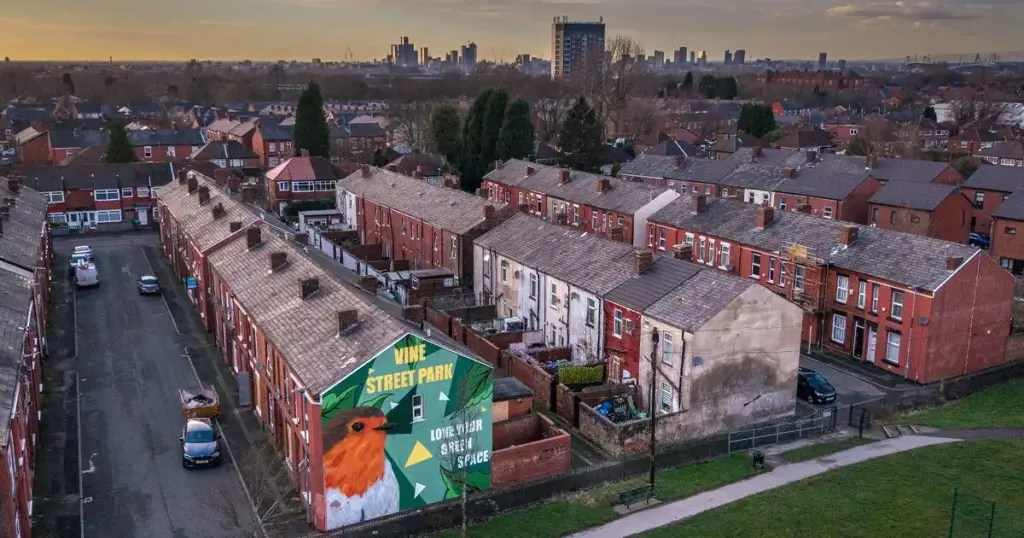
The political landscape in Manchester is marked by a rich tapestry of cultural and economic differences, intricately tied to the ongoing Gorton and Denton by-election. As various communities grapple with issues such as poverty, education, and immigration, candidates are challenged to connect with a diverse electorate that spans from affluent university students to economically disadvantaged families. This multitude of social issues sets the stage for intense debates and promises that could ultimately sway the election results.
The Gorton Denton seat has long been a Labour stronghold, but as political scientist Rob Ford aptly points out, this constituency tells a story of two Manchesters. The juxtaposition of affluent and struggling neighborhoods highlights the need for candidates to address local concerns comprehensively. With voters increasingly disillusioned by party politics, the candidates must not only acknowledge these disparities but also propose practical solutions to bridge the divides, ensuring their messages resonate with all constituents.
Implications of the By-Election Results for the Labour Party
The results of the Gorton and Denton by-election may carry significant implications for the future of the Labour Party, particularly as Sir Keir Starmer’s leadership faces increasing scrutiny. Given the party’s previous dominance in this region, a loss would raise serious questions about Labour’s ability to maintain its foothold amid rising support for opposition parties like Reform UK. Such a shift could bolster calls for leadership reevaluation, particularly as Labour prepares for upcoming challenges in Scottish and local elections.
For Labour, the stakes extend beyond retaining a single seat; this by-election is an early indicator of voter sentiment ahead of larger elections. A successful campaign by Stogia could restore confidence in Starmer’s leadership, while a poor showing may exacerbate tensions within the party, especially among MPs who have been voicing concerns about their leadership’s direction. Engaging successfully with constituents’ sentiments will be crucial if Labour hopes to reclaim its narrative and mitigate risks ahead.
Challenges Facing Local Candidates in Gorton and Denton
Candidates vying for the Gorton and Denton seat must navigate a myriad of challenges, not least of which is the heightened scrutiny that accompanies by-election campaigns. Each candidate grapples with the need to resonate with an electorate that is increasingly critical of political rhetoric and unfulfilled promises. The contrasting experiences of candidates—from Stogia’s grassroots engagements to Goodwin’s media-savvy approach—illustrate the diverse strategies required in this competitive political landscape.
Moreover, candidates must effectively communicate their policy positions on pressing community issues such as housing, employment, and social cohesion. As local residents express discontent over issues like fly-tipping and poverty, the challenge becomes not just to campaign, but to connect emotionally with voters, offering tangible solutions rather than political platitudes. This dynamic illustrates the growing importance of authenticity and relatability in modern political campaigns.
Voter Sentiment and Engagement in Gorton and Denton
Voter sentiment in the Gorton and Denton constituency is a crucial factor in shaping the by-election outcome. With discontent brewing over local issues such as unemployment and public services, candidates must actively engage with constituents to rebuild trust and restore faith in political representation. Strategies to connect with voters through door-to-door canvassing, community events, and social media outreach have proven essential for candidates attempting to mobilize support.
The need to address immediate community concerns is amplified by the noticeable divides within the electorate. Issues of economic hardship and social integration weigh heavily on voters’ minds, making it imperative for candidates to address these topics head-on in their campaigns. Effective engagement will hinge on demonstrating an understanding of local challenges while proposing actionable solutions that resonate with all demographics, from the young to the elderly.
Impact of National Politics on Local By-Elections
The intersecting dynamics of national and local politics significantly influence the sentiment around the Gorton and Denton by-election. As national narratives about Labour’s leadership and electoral strategy unfold, local candidates find themselves tethered to the broader political climate. Negative perceptions of Leader Sir Keir Starmer could influence voter turnout and loyalty, emphasizing the need for candidates to establish their identity apart from national controversies to win support.
Moreover, shifts in public opinion regarding issues like immigration and public health at the national level can ripple down to affect local voter priorities. Candidates not only face the daunting task of addressing constituents’ concerns but must also navigate the complexities of aligning their campaigns with fluctuating national sentiments. Success in the Gorton and Denton by-election requires responsive strategies that adapt to both local needs and national currents alike.
Prospects for a Changing Political Landscape in Manchester
The Gorton and Denton by-election represents a pivotal moment in the evolving political landscape of Manchester. Given the region’s diverse demographic makeup, candidates must navigate a complex socio-political terrain to garner support. With each party striving for a message that resonates with a wide audience, the outcomes of the by-election could herald a shift in the political balance within the city, potentially impacting future party strategies and alignments.
As the by-election nears, the potential for change hangs in the air. Parties that traditionally held control in the area may find themselves challenged, while those who capitalize on current sentiments could find a stronger foothold. The unfolding narrative in Gorton and Denton serves as a microcosm of broader trends across the UK, highlighting the need for political adaptability and responsiveness in a constantly shifting landscape.
Conclusion: The Gorton and Denton By-Election’s Significance
As the Gorton and Denton by-election approaches, its significance extends beyond just local politics; it serves as a litmus test for the Labour Party’s strength and viability under Sir Keir Starmer’s leadership. The tension between local candidate challenges and national narratives reveals the intricate realities of political campaigning in today’s climate. Each candidate brings their unique perspectives and solutions, shaping a vital discourse that could redefine party dynamics in the region.
The outcome of this by-election not only holds implications for Manchester’s political landscape but could also signal a shift in voter tendencies across the UK. As citizens increasingly seek politicians who genuinely reflect their concerns and aspirations, the candidates in Gorton and Denton will need to forge connections that inspire trust and drive civic engagement. This event marks a significant chapter in what may be a transformative election year ahead.
Frequently Asked Questions
What is the Gorton and Denton by-election and why is it significant?
The Gorton and Denton by-election is a crucial political contest taking place in Manchester, following the resignation of Labour MP Andrew Gwynne. This seat, previously held by Labour, is now seen as a litmus test for the party’s stability and popularity ahead of future elections, especially given the changing political landscape in Manchester.
Who are the main candidates in the Gorton and Denton by-election?
In the Gorton and Denton by-election, the main candidates include Angeliki Stogia from the Labour Party, who seeks to unify the constituents against divisions presented by Reform UK. Matt Goodwin represents Reform UK, advocating for a change in the political landscape, while Hannah Spencer stands for the Green Party, focusing on local issues such as poverty and community development.
How has the political landscape in Manchester affected the Gorton and Denton by-election?
The political landscape in Manchester is undergoing significant changes, affecting the Gorton and Denton by-election. Labour’s recent challenges, alongside increasing support for parties like Reform UK and the Greens, highlight a shift in voter sentiment that could impact Labour’s chances in a seat they previously dominated.
What are the key issues influencing the Gorton and Denton by-election?
Key issues influencing the Gorton and Denton by-election include local economic struggles marked by high child poverty rates, community concerns about littering and crime, and national debates on immigration and social division. Candidates are addressing these concerns as they campaign for votes.
What can we expect from the Gorton Denton seat’s election outcome?
The outcome of the Gorton Denton seat in the by-election remains unpredictable. Given Labour’s past stronghold here, the results will be closely watched as they could reveal significant shifts in public opinion and set the stage for future political developments in the region.
How have local demographics influenced candidates in the Gorton and Denton by-election?
Local demographics, characterized by a mix of communities including a significant Muslim population and areas of economic hardship, have shaped candidate strategies in the Gorton and Denton by-election. Candidates like Angeliki Stogia and Hannah Spencer are focusing on unifying diverse community needs and addressing socio-economic challenges to resonate with voters.
What role does the Labour Party play in the Gorton and Denton by-election?
In the Gorton and Denton by-election, the Labour Party plays a pivotal role as it seeks to maintain its foothold in a constituency that has shown potential for shifting allegiances. The party’s candidate, Angeliki Stogia, aims to reinforce Labour’s position against rising competition and challenges that have emerged since Andrew Gwynne’s resignation.
What impact could the Gorton and Denton by-election have on Sir Keir Starmer?
The Gorton and Denton by-election could significantly impact Sir Keir Starmer’s leadership, especially if Labour fails to secure a win. Given the party’s fragile hold on power and low personal poll ratings for Starmer, a loss could intensify calls for leadership changes within the party.
| Key Point | Details |
|---|---|
| Background | The Gorton and Denton by-election is crucial for Labour, now facing challenges after Andrew Gwynne’s resignation. |
| Labour’s Current Position | Sir Keir Starmer’s leadership is under scrutiny; upcoming elections could threaten Labour’s stability. |
| Key Candidates | Angeliki Stogia (Labour), Matt Goodwin (Reform UK), Hannah Spencer (Green), Charlotte Cadden (Conservative) are running. |
| Regional Dynamics | The constituency’s demographics are complex, with significant socio-economic divisions. |
| Campaign Issues | Key concerns include local poverty, political disillusionment, and immigration debates. |
| Predictions | The unpredictable nature of voter sentiment complicates forecasts for all candidates. |
Summary
The Gorton and Denton by-election is set to be a significant test for Labour amidst a backdrop of political uncertainty and shifting demographics. With key candidates presenting varied perspectives on pressing local issues, the election will be closely watched as it could reshape Labour’s standing in the region and reflect broader national sentiments.